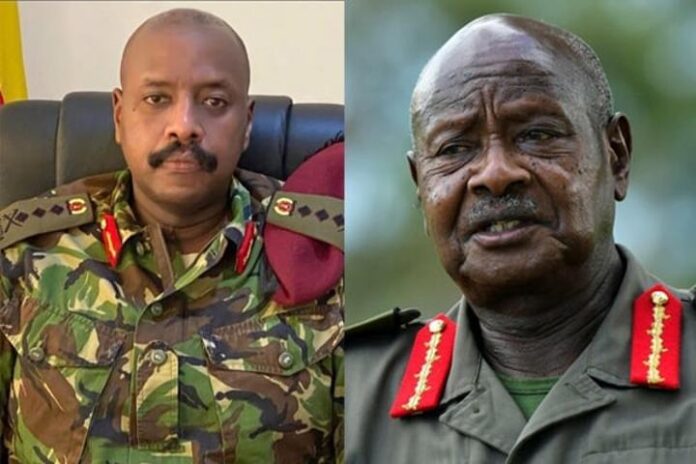
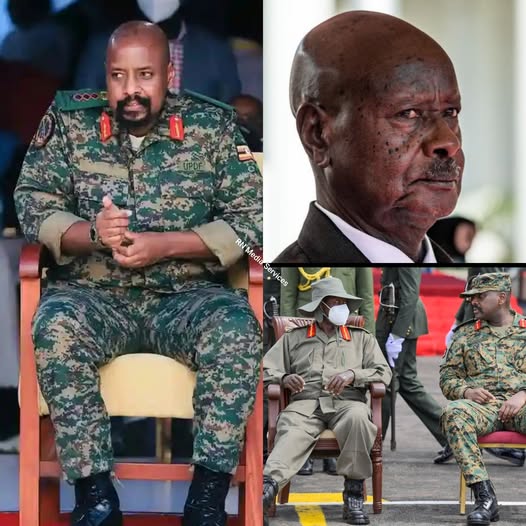
(AP) — The president of Uganda, Yoweri Museveni, extended his four-decade hold on power Tuesday after taking the oath of office for another five-year term, as growing attention centers on his son, Muhoozi Kainerugaba, who has emerged as a dominant figure in the country’s political and security landscape.
The 81-year-old leader was sworn in during a ceremony in the Kampala suburb of Kololo, capital of Uganda, where thousands gathered to witness his eighth inauguration. Military displays, including flyovers by fighter jets, underscored the role of the armed forces in a system that analysts say is increasingly shaped by the president’s inner circle.
Museveni, who first seized power in 1986, now enters what many observers believe could be his final term. Yet uncertainty surrounds how leadership will transition in a country where he has been the only president for most citizens’ lifetimes.
His son, Kainerugaba, Uganda’s army chief, played a prominent role in organizing the inauguration events, overseeing military preparations and reinforcing his growing visibility in state affairs. The 52-year-old general has publicly declared his intention to succeed his father, signaling ambitions that have shifted from speculation to an increasingly central political reality.
Inside Uganda’s ruling establishment, momentum appears to be building behind Kainerugaba. Anita Among recently told lawmakers that efforts would be made to support his presidential aspirations, reflecting a broader trend among political elites aligning themselves with the general.
While no formal succession plan has been announced, analysts outline two possible paths: a transition shaped through legislative maneuvering within the ruling party or a less conventional transfer of power driven by military influence. An open electoral contest remains uncertain, particularly with strong opposition figures such as Bobi Wine expected to challenge any bid for the presidency.
Kainerugaba’s rise has not been without controversy. Critics have long pointed to what they describe as a coordinated effort to position him for leadership, often referred to in political discourse as a structured succession plan. Both father and son have previously rejected such claims, though recent developments have added weight to those concerns.
Observers note that the general already wields significant authority, particularly in defense and security matters. Some analysts argue that a functional shift in power has already taken place behind the scenes, even as Museveni remains the formal head of state.
Kainerugaba’s leadership style contrasts sharply with that of his father. While Museveni has maintained influence through political alliances and negotiations, his son is seen as more direct and confrontational, including through public statements and actions within the military hierarchy. He has ordered investigations and arrests of senior officers over alleged misconduct, moves that have drawn both praise and criticism.
Museveni’s presidency has been marked by a complex legacy. He is credited with bringing relative stability to Uganda after years of conflict and for maintaining economic growth in key sectors. However, his tenure has also faced criticism over democratic backsliding, including the removal of presidential term and age limits and the sidelining of political opponents.
Recent legislation passed by lawmakers has heightened those concerns. The law imposes strict limits on foreign funding for organizations without government approval, raising alarm among civil society groups and opposition figures who view it as a constraint on political dissent.
Museveni’s latest inauguration represents more than a continuation of leadership; it signals a critical phase in Uganda’s political evolution. After 40 years in power, the question is no longer whether a transition will occur, but how it will unfold and under what conditions.
The growing prominence of Kainerugaba suggests that Uganda may be moving toward a system where political authority is closely tied to military influence. This raises concerns about the balance between civilian governance and security structures, particularly in a region where such dynamics have historically shaped political outcomes.
The alignment of key political figures behind Kainerugaba points to a consolidation of power that could limit competitive political space. If succession is managed internally within the ruling establishment, it may reduce the likelihood of a fully contested electoral process, potentially reshaping Uganda’s democratic framework.
At the same time, the presence of an organized opposition, led by figures like Bobi Wine, indicates that public demand for political change remains strong. Any transition that appears predetermined could deepen tensions and trigger unrest, especially among younger populations who have only known one leader.
Regionally, Uganda’s stability has been a cornerstone of its role in East Africa, including its contributions to security operations beyond its borders. A smooth transition would likely reinforce that position, while a contested or uncertain process could introduce new risks.
Ultimately, the coming years may define not only Museveni’s legacy but also the direction of Uganda’s political future. Whether the country experiences a managed handover, a competitive election, or a more abrupt shift will shape its institutions and governance for decades to come.
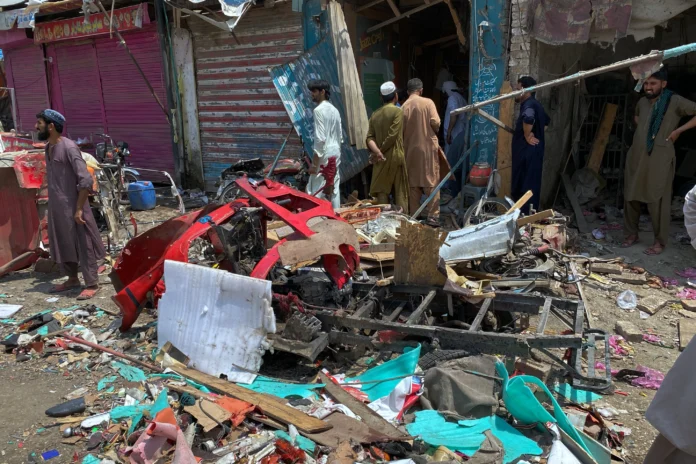
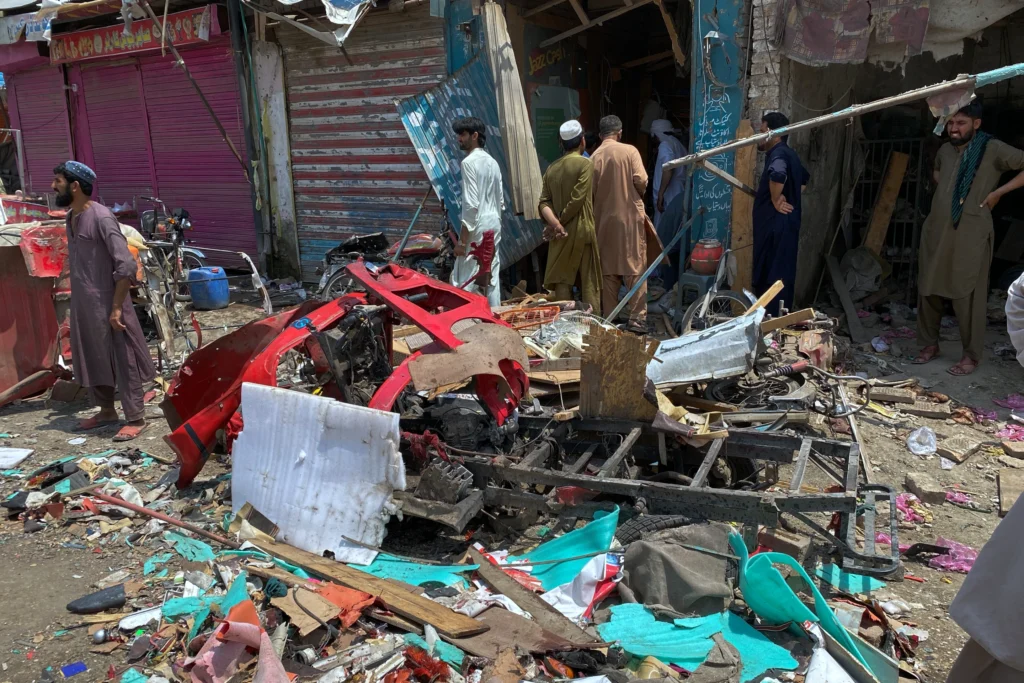
(AP/PakistanToday) — A bomb concealed in a rickshaw tore through a crowded marketplace in northwest Pakistan on Tuesday, killing at least nine people and injuring more than two dozen others, officials said, in the latest surge of violence in a region near the Afghan border.
The explosion struck a busy bazaar in Lakki Marwat, located in Khyber Pakhtunkhwa province, where civilians, vendors and commuters were moving through the area when the device detonated. Police chief Azmat Ullah confirmed that two traffic officers and a woman were among those killed.
Authorities indicated that the blast appeared to target police personnel stationed nearby, though most of the victims were civilians caught in the open market. The force of the explosion damaged surrounding shops and scattered debris across the area, leaving a trail of destruction in one of the district’s commercial centers.
Emergency teams rushed to the scene shortly after the blast, transporting the wounded to nearby medical facilities. Hospital officials confirmed that women and children were among those receiving treatment, with several victims in critical condition.
No group immediately stepped forward to claim responsibility for the attack. However, suspicion in similar incidents has often centered on Tehrik-e-Taliban Pakistan, which has intensified attacks on security forces in recent years. The group issued a statement distancing itself from the bombing, saying it had no involvement.
Local coverage from Pakistan Today cited police and hospital officials who initially placed the death toll lower before confirming additional casualties as rescue efforts continued. Emergency responders from Rescue 1122 deployed ambulances and personnel to the site, while hospitals declared emergency measures to manage the influx of injured victims.
The explosion occurred near a police facility in the Sarai Naurang area, a densely populated part of the district. Authorities said the device had been planted in or near a three-wheeled vehicle commonly used for transport, turning it into a deadly improvised bomb.
Tuesday’s attack comes just days after another major assault in the nearby Bannu district, where a coordinated bombing and gun attack on a security post left at least 15 police officers dead. That incident prompted the government in Islamabad to summon a senior Afghan diplomat to register a formal protest, citing concerns over cross-border militant activity.
Prime Minister Shehbaz Sharif condemned the latest bombing and expressed condolences to the victims’ families. In a statement, he said the government remained determined to eliminate militant violence and directed authorities to swiftly identify those responsible and bring them to justice.
Pakistan has long accused neighboring Afghanistan’s leadership of allowing armed groups to operate from its territory. Officials in Kabul have consistently rejected those claims, maintaining that they do not permit attacks against other nations from their soil.
The Lakki Marwat bombing highlights a troubling resurgence of militant activity in Pakistan’s northwest, particularly in districts close to the Afghan border where security challenges have persisted for years. The use of a vehicle-borne explosive device in a crowded civilian area reflects a shift toward tactics designed to maximize casualties and spread fear beyond traditional military targets.
Although the group most often linked to such attacks denied responsibility, the broader pattern of violence suggests a complex and evolving militant landscape. Splinter factions, loosely affiliated networks and opportunistic actors have increasingly blurred lines of accountability, making it more difficult for authorities to pinpoint perpetrators quickly.
The timing of the blast, coming days after a deadly assault in Bannu, signals a possible escalation aimed at testing the state’s security response and exploiting perceived vulnerabilities. Analysts note that repeated attacks in quick succession can strain local law enforcement capacity and undermine public confidence in safety measures.
Beyond immediate security concerns, the incident underscores deeper regional tensions between Pakistan and Afghanistan. Accusations of cross-border militancy continue to complicate diplomatic relations, even as both countries face pressure to prevent further instability. The absence of a formal ceasefire or coordinated border security framework leaves room for continued friction and sporadic violence.
The targeting of a marketplace also raises broader concerns about civilian exposure in conflict zones. Markets in these regions often serve as vital economic hubs, and attacks on such spaces disrupt livelihoods while amplifying fear among residents. For many communities, the psychological impact of these incidents can be as damaging as the physical destruction.
Security experts warn that without sustained counterterrorism efforts and improved intelligence coordination, similar attacks could persist. The challenge for Pakistani authorities will be balancing immediate response measures with long-term strategies that address the root causes of militancy, including governance gaps and economic instability in border regions.
Investigators continued to examine the blast site and gather evidence as officials worked to determine responsibility. Authorities said updates would follow as the situation develops.
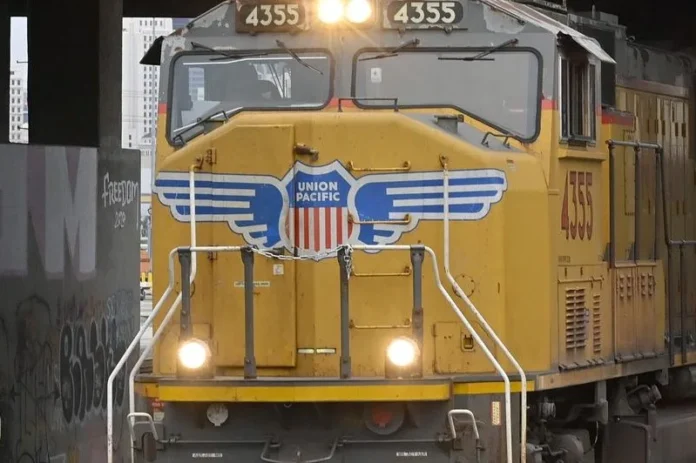
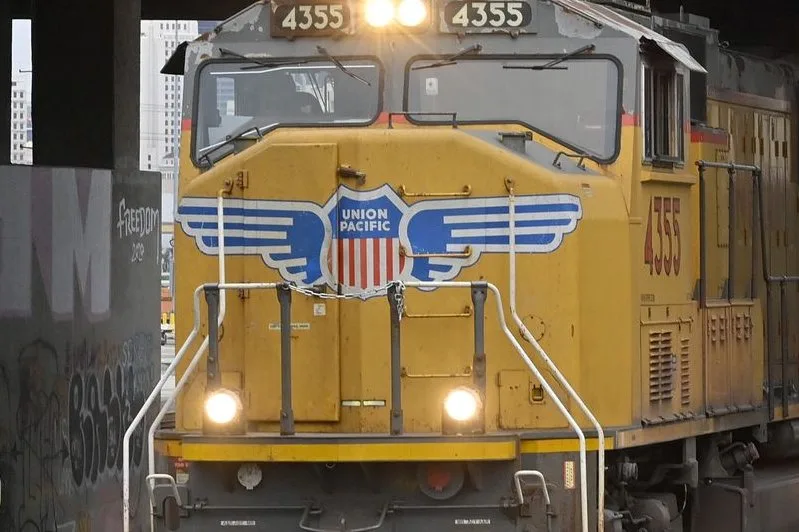
LAREDO, Texas (AP/NBC)— Six people were found dead inside a sealed cargo boxcar at a Union Pacific rail yard in Laredo, Texas, on Sunday afternoon, baked to death in temperatures that climbed to 105 degrees in one of the deadliest suspected human smuggling discoveries along the Texas-Mexico border in recent memory.
A Union Pacific employee found the bodies around 3 p.m. and called police. Officers arrived to find five men and one woman dead inside the shipping container. One of the male victims appeared to be a teenager. None had made it out.
Webb County Medical Examiner Dr. Corinne Stern completed an autopsy on the female victim — a 29-year-old Mexican national — and ruled her death accidental, caused by hyperthermia. Heat stroke killed her. Stern said she believes the same cause will apply to all six once the remaining autopsies are finished.
“I’ve ruled that an accidental death,” Stern said, adding her belief that the others died the same way.
She estimates the group died within eight hours of being sealed inside. “Based on my examination on the scene and what I know of from the investigation, I really believe they were dead in less than eight hours,” Stern said.
The Webb County Medical Examiner’s Office identified a second victim Monday — a 24-year-old man from Honduras. Identification cards and cellphones recovered from the scene suggested the group originated from Mexico and Honduras. Fingerprints were taken and shared with U.S. Border Patrol through the Missing Alien Agency program to confirm identities. All six victims’ phones were turned over to investigators for data extraction. The Mexican consulate was contacted after the woman was identified.
Homeland Security Investigations confirmed it is treating the case as a potential human smuggling operation. “HSI is actively investigating this case as a potential human smuggling event with assistance from the Laredo Police Department and Texas Rangers,” the agency said in a statement.
Inside the Investigation
The train’s origin was not immediately established, and investigators said that question sat at the center of the ongoing inquiry. Jose Baeza, public information officer for the Laredo Police Department, described the rail yard’s scale to put the challenge in context.
“Imagine a loading dock at a seaport, but for trains,” Baeza said. “This is where they load and unload a lot of rail cars.”
The travel history of the specific shipping container had not been determined. Investigators also had not established why the six people inside did not attempt to exit the container as conditions deteriorated — a question that may point to the container being locked from the outside, a common method used by smugglers to prevent detection during transit.
Union Pacific said in a statement it was “saddened by this incident” and was cooperating fully with law enforcement. The company has operated inspection portals at border crossings for years that scan trains and photograph their contents to detect contraband and unauthorized passengers. How six people passed through that system undetected remained an open question Sunday night.
Laredo sits on one of the busiest trade corridors in North America. As of 2024, Port Laredo handled 62 percent of Texas’s land port trade, valued at nearly $340 billion, according to the Texas Comptroller of Public Accounts. The same infrastructure that moves hundreds of billions of dollars in commercial goods also creates the chokepoints and slow zones that smuggling networks have exploited for decades.
Stern did not soften the broader picture. “This was a horrific scene,” she said, before noting that migrant deaths are a routine reality in the 10-county region her office covers. “This spring has been busier than it was this time last year,” she added — a statement that carries its own weight given what last year looked like.
The Smuggling Network Behind the Deaths
Sunday’s discovery did not occur in isolation. It sits within a long and bloody history of human smuggling operations that treat human beings as cargo — sealed in containers, packed into trucks, hidden in rail cars — and abandon them when things go wrong.
In 2022, 53 migrants were found dead in the back of a sweltering tractor-trailer in Texas in what remains the deadliest human smuggling incident in American history. Two smugglers were subsequently sentenced to life in prison for their roles in those deaths.
A parallel case out of a 2021 crash in Mexico showed how these networks operate across borders and jurisdictions. At least 160 migrants, many from Guatemala, were packed into a semitrailer truck that struck the support base of a pedestrian bridge in Chiapas state on Dec. 9, 2021, and overturned. At least 53 people were killed. More than 100 were injured. Video from the scene showed bodies and survivors tangled inside the collapsed freight container, including unaccompanied children.
Daniel Zavala Ramos, 42, a Guatemalan national, pleaded guilty in federal court in Laredo to conspiring to smuggle migrants from Guatemala through Mexico to the United States in a scheme that placed lives in jeopardy and caused serious injuries and deaths. He faces a possible life sentence. Sentencing is set for July 7. Five co-defendants remain in pretrial proceedings.
Prosecutors described a smuggling operation that moved migrants on foot, inside minibuses, cattle trucks, and tractor trailers, using Facebook Messenger to coordinate document transfers and provide scripts to unaccompanied children on what to say if they were caught.
Ramos was extradited from Guatemala in 2025 after his arrest on the third anniversary of the crash in 2024.
Smuggling on trains crossing into the United States has been a persistent concern for decades. Trains heading north from Mexico frequently slow or stop before crossing the border, creating windows for smugglers and migrants to board or conceal themselves and their cargo. Union Pacific has invested in scanning technology specifically to address the problem, but Sunday’s deaths suggest the measures have limits.
Border encounters along the southern border dropped significantly toward the end of the Biden administration and have reached record lows under Trump’s second term. In Laredo’s sector, Border Patrol agents were encountering approximately 40 people per day crossing illegally in March — making it the third busiest of nine sectors along the border. Fewer legal crossings have not eliminated the smuggling networks. They have changed their methods.
The six people who died Sunday in that boxcar in Laredo were not statistics when they climbed into that container. They were people who made a calculation — that the risk of the journey was worth whatever waited on the other side. The smugglers who put them there made a different calculation: that the profit was worth the risk to themselves, not the risk to their cargo.
That asymmetry is the defining feature of human smuggling economics. The smugglers collect payment upfront. The migrants bear all the physical risk. When a container gets too hot or a truck overturns, the smugglers are typically miles away, and the people they were paid to move are the ones who die.
The legal consequences, when they come, are severe — life sentences in the 2022 Texas truck case, potential life imprisonment for Zavala Ramos in the 2021 Chiapas crash. But enforcement after the fact does not reach the six people who died in Laredo on a Sunday afternoon when the temperature hit 105 degrees and nobody came to open the door.
Dr. Stern’s observation that this spring has been busier than last year for migrant deaths in her region suggests that record-low border encounter numbers have not translated into fewer people attempting the crossing. They may simply be attempting it in more dangerous ways, through more dangerous intermediaries, in containers that are harder to detect and harder to escape.
The rail yard in Laredo will process thousands more containers this week. The scanning portals will take their photographs. And somewhere in the network that put six people in that boxcar, someone is already calculating the next shipment.
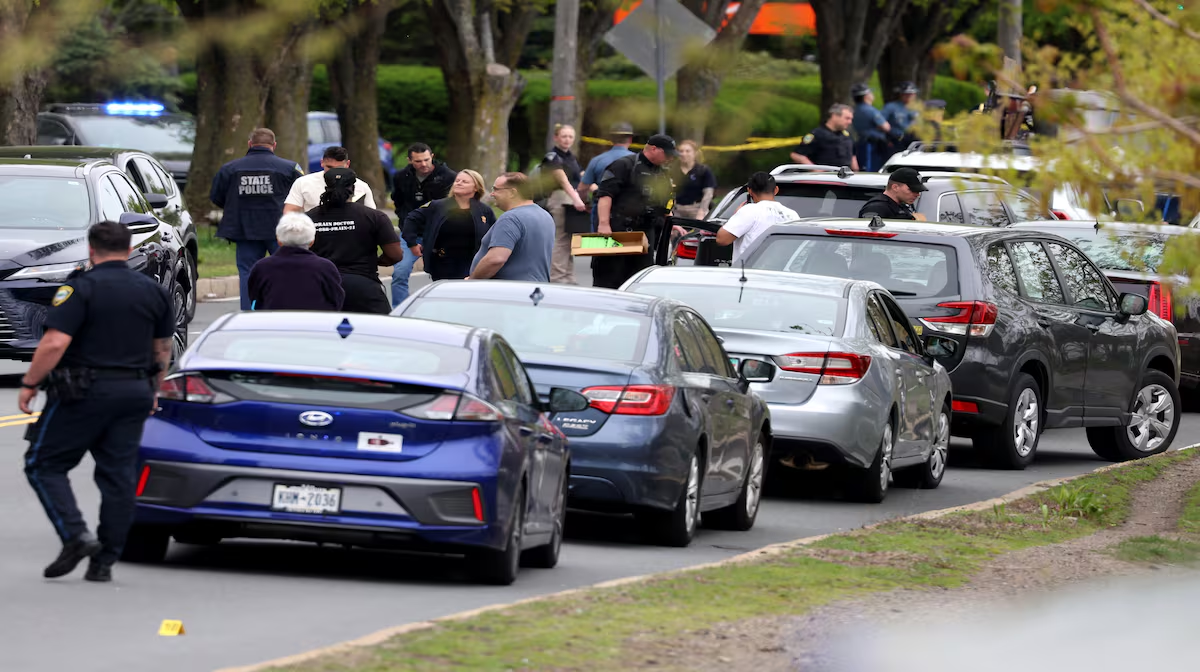
CAMBRIDGE, Massachusetts — A gunman who opened fire on passing vehicles along a busy stretch of Memorial Drive in Cambridge, Boston, on Monday was subdued after a brief exchange of gunfire with a state trooper, authorities said, in an incident that sent drivers scrambling for cover and prompted a large emergency response near the Charles River.
The violence unfolded shortly after midday near the River Street corridor, where witnesses described a barrage of gunfire striking vehicles and shattering windows. Law enforcement officials indicated that the suspect discharged multiple rounds at random cars before a trooper confronted him within minutes.
Authorities confirmed the suspect was taken into custody by early afternoon after dropping his weapon. He was transported to a hospital along with at least one civilian who sustained a gunshot injury. Officials said no law enforcement personnel were wounded and emphasized that there was no continuing threat to the public.
Eyewitnesses recounted a chaotic scene as bullets struck vehicles in traffic. One driver told WBZ-TV that he ducked inside his car as the suspect approached. “I dropped down behind the dashboard,” he said, recalling how a state trooper arrived and quickly took position before returning fire.
Another witness, driving a small school transport vehicle, described fleeing on foot through nearby brush as shots rang out. “I was running for my life,” she said, adding that the gunfire sounded continuous and intense.
Residents in nearby buildings also reported hearing rapid bursts of gunfire. One observer said the sound resembled dozens of shots fired in quick succession and described seeing the suspect shouting in the roadway.
Law enforcement agencies, including Massachusetts State Police and local officers, secured the scene and closed portions of Memorial Drive as investigators began processing evidence. Emergency medical teams treated victims at the scene before transporting some to area hospitals.
Officials indicated that emergency calls reporting gunfire triggered the swift response. A trooper arriving at the scene engaged the suspect within moments, a move authorities said likely prevented additional injuries on the heavily traveled roadway.
Governor Maura Healey said she was monitoring the situation and commended first responders for acting quickly to contain the threat and protect the public. She urged residents to avoid the area while investigators continued their work.
Preliminary information reviewed by local media, including CBS News, indicated the suspect may have had prior encounters with law enforcement. Officials have not released full details about his identity or motive, but confirmed that investigators are examining whether the incident is linked to earlier concerns raised before the shooting.
Authorities also noted that officers had attempted a welfare check tied to concerns about the suspect’s condition earlier in the day. The connection between that check and the shooting remains under review.
Traffic along Memorial Drive, a major route bordering the Charles River and connecting Cambridge to nearby Boston, remained partially shut down for several hours. Police vehicles lined the roadway as investigators documented damage to multiple cars, including shattered headlights and bullet impacts.
While officials have not yet established a clear motive, the nature of the attack — targeting random vehicles in broad daylight — underscores growing concerns about unpredictable acts of violence in public spaces across the United States. Incidents involving individuals firing at passing motorists remain rare but carry a high potential for mass casualties, particularly in densely populated urban corridors like Cambridge.
The rapid response by law enforcement in this case appears to have been a decisive factor in limiting harm. Experts in public safety frequently emphasize that immediate engagement by trained officers can reduce the duration and severity of active shooting incidents. The trooper’s quick intervention, as described by witnesses, likely disrupted what could have escalated into a more deadly situation.
The episode also highlights ongoing challenges tied to mental health crises and access to firearms. Reports that authorities had earlier concerns about the suspect’s wellbeing suggest a possible warning sign that may not have translated into preventive action. Analysts note that gaps between identifying risk and intervening effectively remain a persistent issue in law enforcement and public health systems.
In addition, the incident reflects the vulnerability of everyday environments — from highways to residential streets — where routine activities can suddenly become dangerous. Memorial Drive, typically known for its scenic views and commuter traffic, became the site of panic within moments, illustrating how quickly normal conditions can shift.
Officials are expected to examine whether earlier interventions could have altered the outcome and to assess broader safety measures, including response coordination and public alert systems.
Authorities said the investigation remains ongoing, with further details expected as evidence is reviewed and witnesses are interviewed.
Music stars 50 Cent, Nelly and The Chainsmokers will lead a multi-city concert series tied to the upcoming global soccer tournament in the United States, organizers said Monday.
The series, branded “SI Beyond the Pitch,” is being launched by Sports Illustrated as part of a broader push into live entertainment tied to major sporting events. The initiative will bring performances and fan-focused experiences to four major cities hosting tournament matches: Los Angeles, Dallas, Miami and New York.
The opening event is scheduled for June 12 in Los Angeles, where Nelly will headline a show at the Hollywood Palladium. The tour will then move to Dallas on June 20, featuring Gordo at SILO. Miami’s June 26 stop will spotlight The Chainsmokers at DAER, while the final event will take place July 18 in New York, with performances from 50 Cent and Diplo.
Organizers say the series is designed to merge sports and entertainment, offering fans a nightlife experience alongside the excitement of the international tournament. The concerts will include curated events aimed at blending music, celebrity appearances and premium fan engagement.
Joe Silberzweig, chief executive of Medium Rare, said the initiative reflects the scale and cultural impact of the tournament, describing it as one of the most significant sporting events to take place in the United States in recent years.
The launch builds on the success of previous entertainment ventures tied to major sports moments, including high-profile events held during championship football weekend earlier this year. Those gatherings featured performances from artists and appearances by celebrities such as Justin Bieber, Travis Kelce and Ciara.
The expansion of Sports Illustrated into live entertainment reflects a broader shift in how sports media brands engage audiences. Traditional coverage is increasingly being supplemented by immersive experiences that combine sports, music and celebrity culture.
By aligning the concert series with the World Cup, organizers are tapping into a global audience that extends far beyond soccer fans. Events like these are designed to capture the energy surrounding major tournaments and translate it into entertainment offerings that appeal to a wider demographic.
The choice of cities—Los Angeles, Dallas, Miami and New York—underscores the importance of major urban hubs in hosting large-scale cultural events. Each location serves as a key destination for both domestic and international visitors during the tournament.
The lineup itself reflects a blend of established hip-hop acts and electronic music performers, a combination that mirrors current trends in live entertainment. Artists like 50 Cent and Nelly bring nostalgic appeal, while The Chainsmokers and Diplo cater to contemporary audiences.
From a business perspective, the move highlights the growing importance of experiential marketing. Rather than relying solely on advertising or content distribution, brands are investing in live events to create direct connections with consumers. These experiences often generate additional revenue streams through ticket sales, sponsorships and partnerships.
The timing is also significant. With the World Cup expected to draw massive crowds and global attention, associated events like this concert series offer opportunities to capitalize on heightened demand for entertainment and social experiences.
In the long term, initiatives like “SI Beyond the Pitch” could signal a lasting evolution in how sports media companies operate. As competition for audience engagement intensifies, blending sports with entertainment may become a standard strategy rather than an occasional experiment.
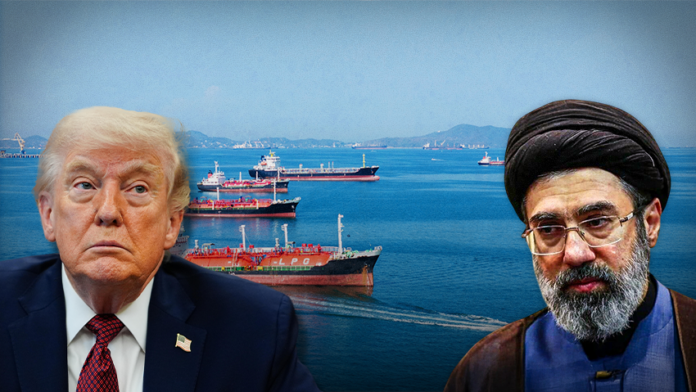
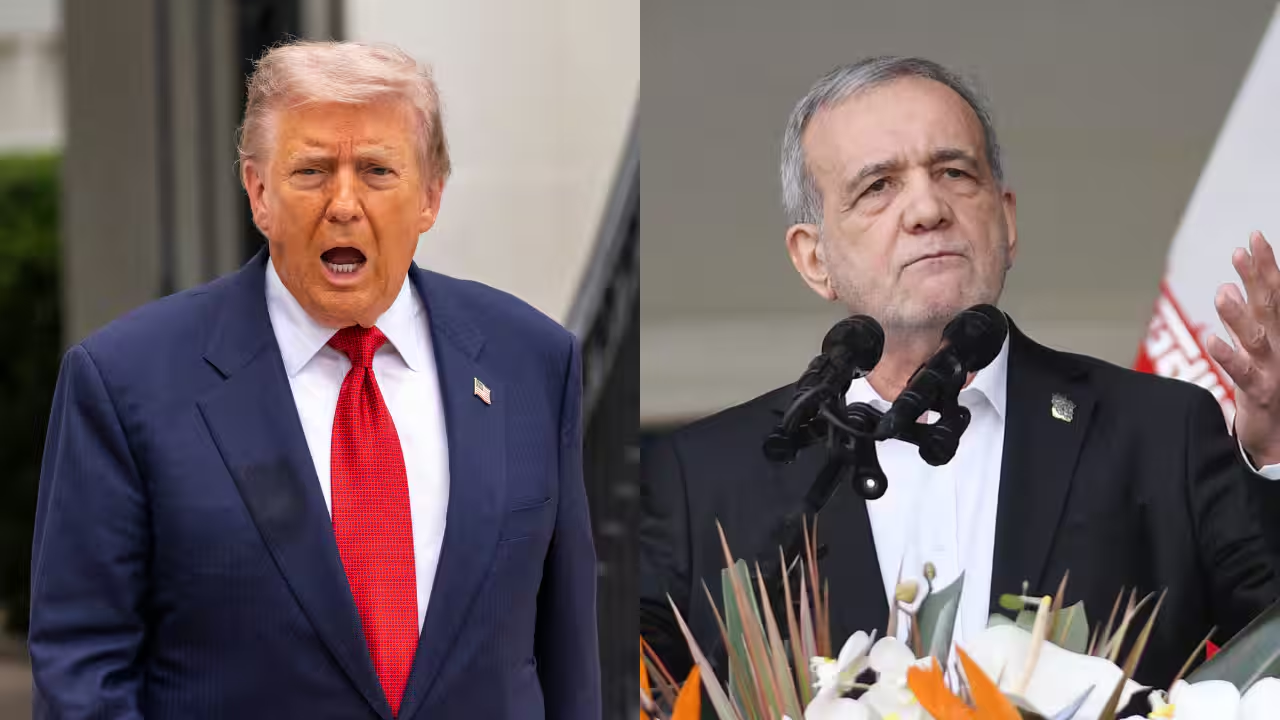
Iran pushed back Monday against criticism from Donald Trump over its response to a proposed framework aimed at ending the conflict, insisting its position reflects legitimate security and economic concerns.
Foreign Ministry spokesperson Esmaeil Baghaei described Tehran’s counterproposal as “reasonable” and “constructive,” emphasizing that it calls for an immediate halt to hostilities, removal of U.S. restrictions on Iranian trade and the release of frozen financial assets.
Speaking during a briefing in Tehran, Baghaei said Iran’s terms also include reopening key maritime routes and ending ongoing military operations affecting regional stability. He characterized the proposal as a responsible effort to reduce tensions and restore economic activity.
The response came after Trump sharply criticized Iran’s position, writing on his Truth Social platform that the reply was “totally unacceptable.” The U.S. proposal had sought a ceasefire as a first step before negotiations on more complex issues, including Iran’s nuclear program.
Iranian officials, however, signaled that broader conditions must be addressed in tandem, including sovereignty concerns tied to the Strait of Hormuz, a critical passage for global oil shipments.
Tehran also issued a warning to European powers, stating that foreign naval vessels operating in the waterway could face a strong response if tensions escalate further.
Meanwhile, Mohsen Paknejad said Iran’s energy sector has adapted to challenges posed by a U.S.-led maritime blockade. In remarks carried by state television, he indicated that production levels have remained stable despite disruptions, and that contingency measures are in place to sustain exports.
Paknejad acknowledged that the blockade has created logistical difficulties but said authorities have implemented steps to manage the impact. He did not provide details on those measures.
Developments surrounding the negotiations have contributed to renewed volatility in global energy markets. Oil prices rose following Trump’s rejection of Iran’s latest terms, reflecting concerns that tensions could escalate and prolong restrictions on shipping through the Strait of Hormuz.
Additional diplomatic activity is underway as international stakeholders seek to prevent further deterioration. Defense officials from several countries are expected to meet in Europe to discuss options for safeguarding maritime trade routes in the region.
The latest exchange underscores the fragile nature of the current pause in fighting, with both sides maintaining firm positions while signaling a willingness to continue discussions.
The standoff between Donald Trump and Iranian officials highlights a fundamental divide in how each side approaches conflict resolution. While Washington appears focused on sequencing—ending hostilities first and addressing broader issues later—Tehran is pushing for a more comprehensive framework that links security, economic and political demands.
Control and access to the Strait of Hormuz remains central to the dispute. The waterway is one of the most important energy transit routes in the world, and any prolonged disruption has immediate global consequences. By tying negotiations to this issue, Iran is leveraging a critical pressure point that affects not only the United States but also major energy-importing nations.
Iran’s emphasis on lifting economic restrictions reflects the broader impact of sanctions on its economy. Even during periods of conflict, maintaining oil exports is vital for government revenue. Statements from Mohsen Paknejad suggest that while the sector has shown resilience, sustained pressure could create longer-term challenges.
The exchange of sharp rhetoric also carries strategic implications. Public rejection of proposals can serve domestic political purposes while signaling strength to international audiences. However, it can also narrow the space for compromise, particularly if positions become entrenched.
The involvement of European nations in discussions about maritime security points to growing concern among allies about the potential for wider disruption. Ensuring the free flow of goods through key shipping lanes is not only an economic priority but also a security objective for many countries.
At the same time, rising oil prices indicate that markets are highly sensitive to developments in the region. Even the perception of increased risk can drive volatility, affecting economies far beyond the immediate conflict zone.
The situation illustrates how interconnected military, economic and diplomatic factors have become. Any resolution will likely require concessions across multiple areas, including trade restrictions, regional security arrangements and nuclear oversight.
For now, both sides appear to be testing the limits of pressure while keeping negotiation channels open. The outcome will depend on whether either party is willing to adjust its demands or whether external actors can help bridge the gap.
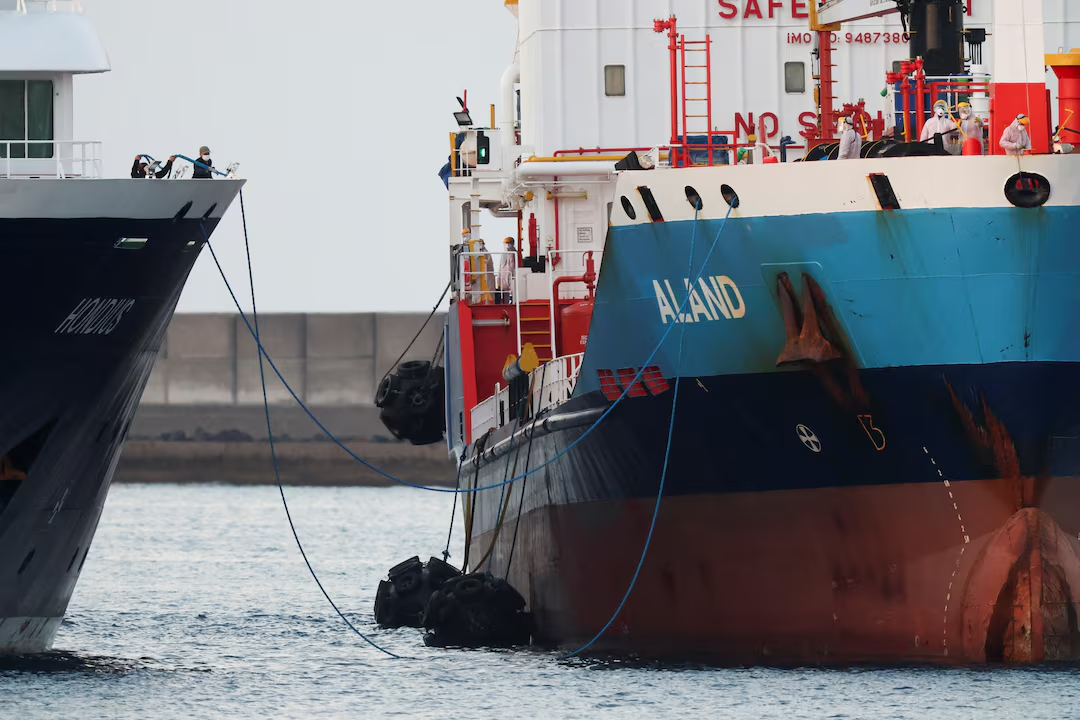
Health officials confirmed new infections Monday as the final phase of evacuations from a cruise ship hit by a deadly virus outbreak, Hantavirus, moved toward completion, with authorities emphasizing that the broader public faces limited risk.
A French passenger and an American traveler tested positive for hantavirus after being removed from the vessel MV Hondius, which has been anchored off Tenerife during a complex international response operation. Officials indicated that the French patient’s condition had worsened following her return home, while U.S. authorities described the American case as mild.
The ship, which had been carrying passengers and crew from more than 20 countries, is now nearing the end of a large-scale evacuation coordinated by World Health Organization and European authorities. Spanish officials said the remaining passengers were scheduled to disembark Monday, marking the final stage of a process that has seen dozens of people flown back to their home countries.
The outbreak has claimed three lives since the voyage began, including two passengers from the Netherlands and one from Germany. Health officials cautioned that some individuals exposed to the virus may still develop symptoms, raising the possibility that confirmed cases could increase.
French Health Minister Stephanie Rist said the infected passenger showed signs of deterioration after arriving in France. Meanwhile, the U.S. Department of Health and Human Services indicated that one of 17 Americans evacuated from the ship tested positive for the Andes strain of the virus, while another exhibited mild symptoms.
U.S. passengers were transported to the University of Nebraska Medical Center for evaluation and monitoring, with one individual placed in a specialized containment unit. Health officials said others would undergo observation to assess their level of exposure and risk of transmission.
The vessel had departed from southern Argentina in March and traveled through Antarctic waters before heading north. The outbreak came to light in early May after a passenger who had disembarked earlier required intensive care treatment in South Africa. By that time, at least one death had already occurred onboard.
Spanish Health Minister Mónica García said repatriation flights were arranged for passengers whose home countries had not deployed their own aircraft. One flight was set to carry travelers to the Netherlands, while another would transport passengers to Australia and other destinations.
Once all passengers have disembarked, the ship is expected to return to the Netherlands, where it will undergo a full disinfection process. A reduced crew will remain onboard for the journey, officials said.
Despite the severity of the outbreak onboard, global health authorities stressed that hantavirus poses a far lower transmission risk than the virus that caused the COVID-19 pandemic. The disease is typically spread through contact with infected rodents, though limited human-to-human transmission has been observed in rare cases involving the Andes strain.
Jay Bhattacharya, acting director of the Centers for Disease Control and Prevention, said the situation should not be compared to COVID-19, noting that the virus is less contagious and unlikely to spread widely among the general population.
The World Health Organization has recommended a monitoring period for all passengers, advising daily health checks either at home or in designated facilities. Several countries have already implemented quarantine or observation measures for returning travelers.
The Associated Press noted that this marks the first documented outbreak of hantavirus on a cruise ship, an unusual setting for a disease more commonly linked to rural or wilderness exposure.
The outbreak aboard the MV Hondius highlights the evolving challenges of managing infectious diseases in highly mobile and international environments. Cruise ships, by their nature, bring together passengers from diverse regions in close quarters, creating conditions that can complicate containment efforts when an outbreak occurs.
Although hantavirus is not typically associated with maritime settings, the presence of the Andes strain introduces a rare but important factor: the possibility of limited person-to-person transmission. This distinction likely prompted the rapid and coordinated response involving multiple governments and international health agencies.
The scale of the evacuation effort underscores how lessons from the COVID-19 pandemic continue to shape global health responses. Rapid identification, isolation and repatriation of affected individuals have become standard practice, even for diseases that pose a lower overall risk.
At the same time, the situation reveals the logistical complexity of managing outbreaks that involve multiple jurisdictions. Coordinating flights, quarantine measures and medical care across more than 20 countries requires significant planning and cooperation, particularly when passengers must be transported safely without increasing the risk of further spread.
The decision to anchor the vessel near Tenerife and carry out evacuations in stages reflects a cautious approach aimed at minimizing disruption while ensuring health protocols are followed. Such operations can strain local resources but also demonstrate the capacity for international collaboration in crisis situations.
Public messaging has played a critical role in this case. Officials have repeatedly emphasized that the virus is not easily transmissible and does not pose a widespread threat. This effort to provide reassurance is essential in preventing panic, especially in the wake of recent global health crises.
Looking ahead, the incident may lead to stricter health monitoring protocols for cruise operations, particularly for voyages that include remote or high-risk environments. Enhanced screening, improved onboard medical capabilities and clearer guidelines for handling suspected cases could become more common.
While the evacuation operation is nearing completion, the situation serves as a reminder that even rare diseases can present significant challenges when they emerge in global travel settings. The balance between vigilance and measured response will remain critical as health authorities continue to monitor the aftermath of the outbreak.
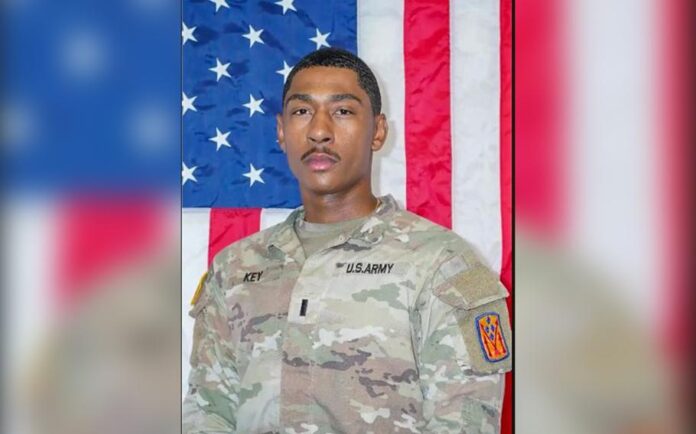
The remains of a United States soldier who went missing during a multinational military exercise in Morocco have been recovered, officials said Sunday, as search efforts continue for a second service member still unaccounted for.
The United States Army confirmed that search teams located the body in the Atlantic Ocean near the Cap Draa training area, roughly a mile from where the soldier was last seen on May 2. Moroccan personnel discovered the remains Saturday morning along the shoreline.
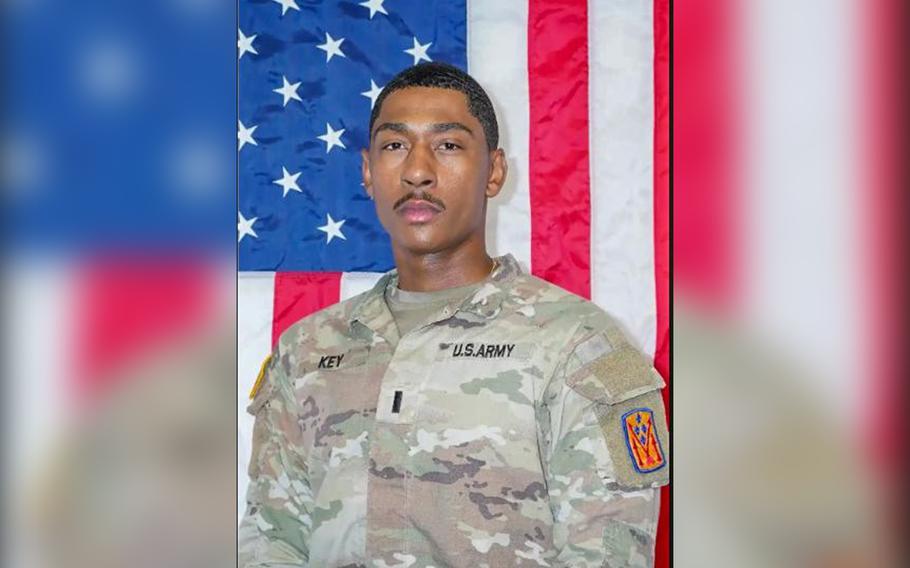
The soldier was identified as Kendrick Lamont Key Jr., a 27-year-old first lieutenant serving as a platoon leader in an air defense artillery unit. He was one of two U.S. service members who went missing after falling from a cliff during a recreational hike while off duty.
Military officials said the second soldier has not yet been located, and search operations remain active. A U.S. defense official, speaking to The Associated Press, indicated that a contingent of American personnel remains in Morocco to coordinate ongoing recovery efforts.
The disappearance triggered a large-scale multinational search involving more than 600 personnel from the United States, Morocco and partner nations. The operation deployed naval vessels, helicopters and aerial drones to comb the rugged coastal terrain and surrounding waters.
The soldiers had been participating in African Lion, an annual multinational exercise led by U.S. Africa Command. The drills bring together forces from the United States, allied nations and African partners for joint training across several countries.
According to U.S. Army Europe and Africa, the incident occurred near the Cap Draa training zone outside Tan-Tan, an area marked by steep cliffs, desert terrain and semi-arid plains. The soldiers were reported missing around 9 p.m. local time, prompting immediate search and rescue operations.
Kendrick Lamont Key Jr. had recently entered military service, earning his commission through Officer Candidate School in 2024. He completed advanced training at Fort Sill, Oklahoma, before being assigned to Charlie Battery, 5th Battalion, 4th Air Defense Artillery Regiment. His awards included the Army Achievement Medal and the Army Service Ribbon.
African Lion, now one of the largest military exercises conducted on the African continent, has expanded significantly in recent years. The current iteration involves thousands of personnel from more than 30 countries and spans multiple host nations, including Morocco, Tunisia, Ghana and Senegal.
The exercise, which began in April, concluded its main operations last week. However, search and recovery teams have remained in Morocco following the disappearance of the two soldiers.
The Associated Press noted that this is not the first fatal incident linked to the exercise. In 2012, two U.S. Marines were killed in a helicopter crash during training operations in southern Morocco.
The recovery of the remains of Kendrick Lamont Key Jr. brings partial closure to a tragic incident but also highlights the risks associated with large-scale multinational military exercises conducted in challenging environments.
Training operations such as African Lion are designed to enhance coordination, readiness and interoperability among allied forces. However, the inclusion of complex terrain, including coastal cliffs and remote desert regions, introduces hazards that extend beyond traditional combat scenarios. The fact that the incident occurred during off-duty time underscores how environmental risks can persist even outside formal training activities.
The scale of the search effort reflects both the importance of the exercise and the strong military cooperation between the United States and Morocco. Deploying hundreds of personnel and advanced equipment for recovery operations demonstrates the level of coordination that has developed through years of joint training.
The incident may also prompt a review of safety protocols surrounding off-duty activities during international deployments. While soldiers are often given limited recreational time, commanders may reassess guidelines for movement in unfamiliar or high-risk environments, particularly in regions with difficult terrain.
From a broader perspective, African Lion serves as a key platform for strengthening military ties across Africa and among Western allies. The exercise is part of a wider strategy aimed at addressing regional security challenges, including extremist threats and instability in parts of the continent. However, incidents like this can draw attention to the human cost of maintaining readiness and the inherent dangers faced by service members even outside active combat.
The continued search for the second missing soldier adds urgency to the situation. Prolonged recovery operations can strain resources and place emotional pressure on units involved, as well as on families awaiting news.
In the long term, the tragedy may influence how multinational exercises are structured, particularly regarding risk assessment and emergency response planning. Ensuring that such operations balance training objectives with safety considerations will remain a priority for military planners.
While African Lion continues to symbolize international cooperation and preparedness, the loss of a young officer serves as a reminder of the unpredictable risks tied to military service, even in non-combat settings.
Donald Trump shot down Iran’s counteroffer to end their 10-week war on Sunday with four words on social media — “TOTALLY UNACCEPTABLE!” — sending oil prices climbing nearly 3 percent Monday and leaving the Strait of Hormuz locked shut, global shipping paralyzed, and the Persian Gulf on edge as drones struck ships and entered the airspace of three American-allied Gulf states within hours of the diplomatic breakdown.
Iran had delivered its response to the latest U.S. peace proposal through Pakistani mediators. Tehran’s terms, as broadcast on Iranian state television and confirmed by the semiofficial Tasnim news agency, amounted to a comprehensive reordering of the conflict’s terms in Iran’s favor: war reparations from the United States, full Iranian sovereignty over the Strait of Hormuz, an end to all sanctions, release of frozen Iranian assets held in foreign banks, termination of the U.S. naval blockade, and a guarantee of no further American military strikes. Tehran also demanded that any deal address the fighting in Lebanon, where U.S. ally Israel continues battling the Iran-backed militant group Hezbollah.
Iranian state television characterized the U.S. proposal that preceded it as tantamount to surrender. Iranian President Masoud Pezeshkian posted on social media that Iran would “never bow down to the enemy” and would “defend national interests with strength.”
Trump’s reply offered no specifics — just the rejection and a warning. In an earlier post, he accused Tehran of “playing games” with the United States for nearly 50 years and added: “They will be laughing no longer.”
After Trump’s dismissal, Iran’s Foreign Ministry spokesperson Esmaeil Baghaei defended Tehran’s position Monday without backing away from it. “Our demand is legitimate: demanding an end to the war, lifting the blockade and piracy, and releasing Iranian assets that have been unjustly frozen,” Baghaei said. “Safe passage through the Strait of Hormuz and establishing security in the region and Lebanon were other demands of Iran, which are considered a generous and responsible offer for regional security.”
Trump’s own assessment of where things stood was blunt and contradictory. “They are defeated,” he said in remarks aired Sunday, “but that doesn’t mean they’re done.”
Drones Over the Gulf
The diplomatic collapse was accompanied by fresh military pressure across the Gulf. The UAE said it intercepted two drones it attributed to Iran. Qatar condemned a drone strike that hit a cargo ship en route from Abu Dhabi in Qatari waters, igniting a small fire aboard the vessel. Kuwait’s defense forces said they responded to hostile drones that entered Kuwaiti airspace, though Brigadier General Saud Abdulaziz Al Otaibi declined to identify their origin.
No casualties were reported in any of the three incidents. No group immediately claimed responsibility, though Iran and its allied militant networks have launched hundreds of drone attacks since the war began Feb. 28 with U.S. and Israeli strikes on Iran.
Qatar’s Foreign Ministry called the ship attack a “dangerous and unacceptable escalation that threatens the security and safety of maritime trade routes and vital supplies in the region.” The United Kingdom Maritime Trade Operations Center confirmed the ship incident without disclosing the vessel’s owner or flag.
Iran’s Revolutionary Guard navy issued a standing warning that any attack on Iranian oil tankers or commercial vessels would be met with a “heavy assault” on U.S. bases in the region and enemy ships. On Friday, U.S. forces struck two Iranian oil tankers it said were attempting to breach the American naval blockade of Iranian ports — a blockade that has been in effect since April 13 and that Washington says has turned back 61 commercial vessels and disabled four.
The Nuclear Question
Beneath the exchange of rejected proposals and drone attacks lies the issue that may ultimately determine whether any deal is possible at all: Iran’s stockpile of highly enriched uranium.
The U.N. nuclear agency has confirmed Iran holds more than 440 kilograms of uranium enriched to 60 percent purity — a short technical step from weapons-grade material. The International Atomic Energy Agency director-general told the Associated Press last month that the majority of that stockpile is likely located at Iran’s Isfahan nuclear complex, a facility that was struck by U.S.-Israeli airstrikes during a 12-day war last year and faced less intensive attacks this year.
Israeli Prime Minister Benjamin Netanyahu was explicit on CBS News’ “60 Minutes” Sunday: the war is not finished because the enriched uranium has not been removed from Iran. “Trump has said to me, ‘I want to go in there,'” Netanyahu said. “And I think it can be done physically.”
Netanyahu simultaneously said the best path was diplomatic but did not rule out a physical operation to seize or destroy the stockpile.
Russian President Vladimir Putin added Moscow’s position to the mix Saturday, saying Russia’s offer to take Iran’s enriched uranium and hold it as part of a negotiated settlement remained available. That proposal, which would theoretically resolve Trump’s core demand without requiring Iran to surrender its nuclear infrastructure to Washington or Jerusalem, has not gained visible traction in the current diplomatic framework.
An Iranian military spokesperson told the state news agency IRNA that Iranian forces were on “full readiness” to protect sites where uranium is stored, warning against any infiltration or helicopter-borne operation to seize the material.
Iran’s new Supreme Leader Mojtaba Khamenei, who has not appeared publicly since being wounded in the war’s opening strikes, issued what state television described as new and decisive directives for the continuation of military operations and confrontation with Iran’s enemies, delivered during a meeting with the head of the joint military command.
Netanyahu also used the CBS interview to push back against New York Times reporting that he sold Trump on launching the Iran war by promising it would bring about regime change in Tehran. “We both agreed that there was both uncertainty and risk involved,” Netanyahu said. He acknowledged that the problem of the strait “was understood as the fighting went on” — a concession that the waterway’s closure was not fully anticipated when the strikes began.
Netanyahu added that he wants to reduce U.S. military aid to Israel — currently running at $3.8 billion annually — to zero over the next decade, a statement that landed against a backdrop of declining American public support for Israel following the Gaza war’s civilian death toll.
A Trickle Through the Strait
The Strait of Hormuz, which carried one-fifth of the world’s oil and liquefied natural gas before the war began, has been reduced to a trickle. Shipping data from Kpler and LSEG showed three crude-laden tankers exited the waterway last week, traveling with their tracking systems switched off to avoid Iranian detection and attack.
South Korea confirmed initial findings from its investigation into last week’s incident involving the South Korean-operated vessel HMM NAMU, which suffered an explosion and fire while anchored in the strait. Two unidentified objects struck the vessel approximately one minute apart. South Korean officials said they had not yet determined responsibility.
A brief U.S. attempt to guide commercial ships through the strait under naval escort — the operation Trump called “Project Freedom” — was quickly suspended after limited results and continued Iranian resistance.
The deadlock has pushed oil prices upward and is generating domestic political pain for Trump. Surveys show the Iran war is unpopular with American voters facing sharply higher gasoline prices, with nationwide congressional elections less than six months away. Republicans’ narrow House majority will be at stake in those elections, creating a time pressure on Trump that Iran’s negotiators are not blind to.
Beijing as the Next Pressure Point
Trump is expected to arrive in Beijing Wednesday, where Iran is among the subjects on the agenda for talks with Chinese President Xi Jinping. Trump has been pressing China to use its leverage over Tehran to push the Iranians toward a deal. China is Iran’s largest oil customer and one of the few major economies that has maintained economic ties with Tehran throughout the war.
Iran’s Foreign Ministry signaled Monday that Beijing should use Trump’s visit to push back against Washington rather than pressure Tehran. Baghaei said China’s leaders “know very well how to use these opportunities to warn about the consequences of the U.S.’ illegal and bullying actions on regional peace and security as well as on economic stability and international security.”
Whether Beijing plays the role Trump wants or the role Tehran is asking for will shape the next phase of a conflict that has so far resisted every diplomatic off-ramp attempted.
U.S. Ambassador to the United Nations Mike Waltz told ABC that Trump was giving diplomacy “every chance we possibly can before going back to hostilities.” The phrase “going back to hostilities” was not accidental — it was a reminder, delivered publicly, that the military option has not been taken off the table.
The Gap That Keeps the War Going
The exchange of rejected proposals on Sunday revealed a negotiating gap that is not primarily tactical — it is structural. The U.S. wants to end the war, reopen the strait, and dismantle Iran’s nuclear program in a single integrated agreement. Iran wants to end the war first and discuss everything else afterward, while retaining sovereignty over the strait and keeping its nuclear infrastructure intact.
Those positions are not the product of miscommunication. They reflect genuinely incompatible assessments of what the war has decided. Washington believes Iran was sufficiently damaged by strikes on its military and nuclear facilities that it should accept terms reflecting that damage. Tehran believes it has demonstrated enough resilience — by keeping the strait closed, by sustaining drone campaigns against Gulf Arab states, by absorbing strikes and continuing to threaten U.S. assets — that it can negotiate from a position of at least partial strength.
Both assessments contain some truth, which is exactly what makes the gap so hard to close. Netanyahu’s admission that the strait problem “was understood as the fighting went on” hints at a core miscalculation in the war’s original planning: that Iran would fold faster than it has.
Trump’s Beijing trip offers perhaps the clearest remaining diplomatic lever. China has the economic relationship with Iran that could, if Beijing chose to use it, create pressure on Tehran to move. Whether Xi will apply that pressure — or use the meeting to push back against Washington’s Gulf posture as Iran’s foreign ministry hopes — may determine whether this war finds its off-ramp before the American midterm elections make continued conflict politically untenable for the administration that started it.
LOKOJA, Nigeria — Armed men suspected to be Fulani herders stormed a community in Kogi State and killed at least three people, video evidence showed, as Nigerian Army troops hundreds of miles north in Katsina State killed three terrorists in a separate overnight ambush — two episodes on the same weekend that laid bare the breadth of Nigeria’s spreading security emergency.
The attack on Ochipu, an Igala-dominated village in Bassa Local Government Area of Kogi State, left residents grieving and frightened. A video obtained by Sahara Reporters showed three victims lying on the ground with visible wounds and blood, while family members wailed in the background. Details on what triggered the assault and whether additional casualties occurred remained unclear when the incident was first disclosed.
“Fulani herders attacked Ochipu, an Igala-dominated community in Bassa Local Government Area of Kogi State,” a resident told Sahara Reporters.
Kogi State has become one of Nigeria’s most consistently targeted regions. In late April, heavily armed gunmen abducted the wife of an orphanage proprietor and 23 pupils during a nighttime raid on an unregistered Islamic training facility called Daarul-Kitab, situated along the Kabba Junction axis of Lokoja. Kogi State Commissioner for Information Kingsley Femi Fanwo confirmed that 15 of the abducted pupils were rescued through rapid security intervention. Last week, troops of the 12 Brigade of the Nigerian Army rescued the remaining nine victims still in captivity. State authorities disclosed that the facility, also identified as Dahallukitab Group of Schools, had been operating illegally in a remote, bushy area without registration or the knowledge of security agencies.
Army Kills Three in Katsina Ambush
While Kogi burned, the Nigerian Army was fighting on a separate front in the northwest.
Troops of the 17 Brigade deployed at Forward Operating Base FUDMA executed a blocking operation along the Turare-Kitibawa-Kuka-Mai Damusa Road in Dutsin-Ma Local Government Area of Katsina State on Friday night, intercepting a group of terrorists fleeing ongoing military operations in the Matazu general area. The encounter began at approximately 9:40 p.m. and ended with three fighters killed.
Soldiers recovered an AK-47 rifle, one magazine loaded with three rounds of ammunition, a motorcycle, three machetes, assorted charms, and cash amounting to 3,500 naira from the scene.
Acting Assistant Director of Army Public Relations for the 17 Brigade, Captain Abayomi Adisa, confirmed the operation in a statement released Sunday. “In continuation of troops’ offensive operations against terrorists and other criminal elements in Katsina State, troops of 17 Brigade deployed at FOB FUDMA took up blocking positions along Turare-Kitibawa-Kuka-Mai Damusa Road in Dutsin-Ma Local Government Area,” Adisa said in the statement.
He added that troops have sustained offensive pressure against armed groups in the region and called on residents to share credible intelligence with security agencies to support continuing operations.
A State on Fire, a Country Under Pressure
The twin incidents — a village massacre in Kogi and an army ambush in Katsina — unfolded within the same 48-hour window and represent two distinct but intertwined dimensions of Nigeria’s security collapse. Kogi sits in the country’s central belt, where farmer-herder tensions have escalated into recurring lethal attacks on communities over land, water, and cattle routes. Katsina, in the northwest, has become a theater of sustained terrorist and bandit activity that has forced the army to establish permanent forward operating bases and conduct continuous offensive patrols.
The Ochipu attack fits the pattern that human rights organizations and community leaders in north-central Nigeria have documented for years. Armed men arrive in farming communities, kill residents, and disappear before security forces respond. Investigations stall. Accountability rarely follows. The communities bury their dead and wait for the next attack.
The army’s Katsina operation shows the military is capable of lethal efficiency when it has intelligence and positioning. The troops at FOB FUDMA did not stumble into Friday night’s contact — they took up deliberate blocking positions along a road they knew fleeing fighters would use. The result was three kills, a weapons recovery, and a public statement designed to demonstrate operational momentum.
What Saturday and Sunday revealed is the distance between Nigeria’s two most visible security realities. In one, the army kills terrorists in coordinated ambushes, recovers weapons, and issues professional statements citing the time, location, and outcome of every engagement. In the other, farmers and villagers are slaughtered in their communities and the state’s response is a resident’s quote and a disturbing video.
That gap is not accidental. The Nigerian Army has spent years building capacity for counterterrorism operations in the northwest and northeast — training, equipment, intelligence infrastructure, and a chain of command that produces the kind of operation Katsina saw Friday night. The farmer-herder conflict in the middle belt operates in a different space. It is harder to frame as terrorism, harder to target militarily, and deeply entangled with political sensitivities around ethnic identity, land rights, and the movement of pastoral communities.
The result is a predictable asymmetry. In Katsina, three terrorists die in an army ambush and the state releases a detailed statement within 48 hours. In Kogi, three villagers lie dead in a community video and the state has not confirmed a single arrest.
Nigeria’s security architecture was not built to handle both problems simultaneously with equal urgency. The northwest and northeast have absorbed most of the military’s attention and resources for a decade, leaving communities in the middle belt to navigate violence that gets documented by citizen journalists and community organizations rather than army press releases.
The families mourning in Ochipu on Saturday night are not asking about counterterrorism doctrine. They are asking why armed men can enter their village, kill three people, and leave without consequence. That question does not have a satisfying answer in the current framework — and until it does, the video Sahara Reporters obtained will not be the last one filmed in a community that thought it was safe.