

Russian air defenses intercepted dozens of drones targeting the capital early Monday, authorities said, as separate strikes across Ukraine left at least six people dead, including members of the same family.
The developments mark another escalation in cross border attacks between Russia and Ukraine, with both sides intensifying aerial operations amid a prolonged conflict now in its fifth year.
What we know so far
Moscow Mayor Sergei Sobyanin said air defense systems shot down 84 drones approaching the city over a 24 hour period. Emergency crews were dispatched to multiple sites where debris fell, though officials did not immediately disclose the extent of damage.
Russia’s defense ministry, cited by local news agencies, said a total of 301 drones were intercepted overnight across various regions, including areas under Russian control in Ukraine.
The wave of drone activity disrupted air travel, with temporary suspensions reported at major Moscow airports including Sheremetyevo, Domodedovo, Vnukovo, and Zhukovsky.
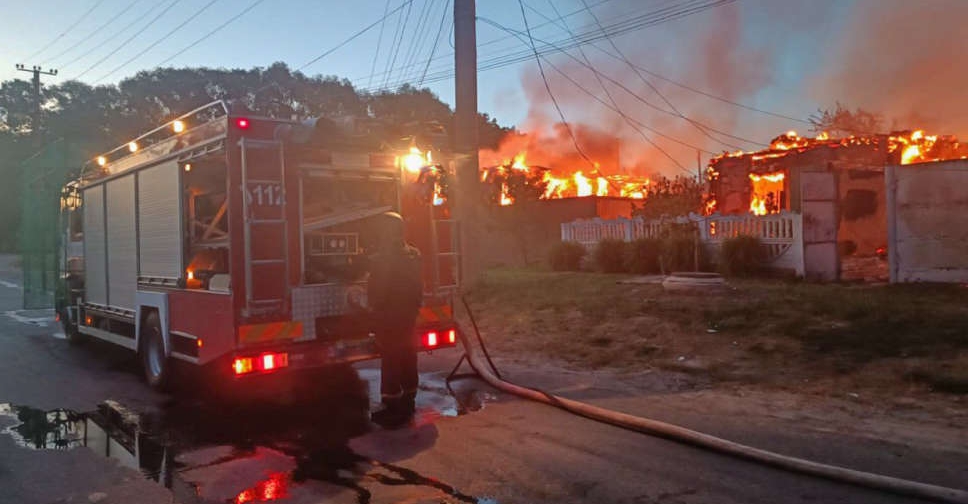
At the same time, Ukrainian officials said attacks on civilian areas caused multiple casualties. In the northeastern Sumy region, a drone strike hit a residential home, killing a 36 year old man, his 13 year old son, and a 73 year old woman, regional authorities confirmed.
Additional strikes in the southeastern city of Zaporizhzhia killed two people and injured several others, while a ballistic missile attack in the southern Odesa region left one person dead and three wounded.
What authorities are saying
Russian officials framed the interceptions as evidence of strengthened air defenses protecting the capital following recent attacks, including a strike on Moscow’s main oil refinery last week.
Ukraine’s military said it targeted infrastructure inside Russia, including a satellite communications facility near Dubna and an industrial site in the Voronezh region linked to missile and air defense production.
Ukrainian President Volodymyr Zelenskyy condemned the strike on the Sumy home, describing it as an attack on civilians and not a military target.
Ukrainian Foreign Minister Andrii Sybiha accused Moscow of continuing to threaten regional stability, particularly in the Black Sea, where shipping routes and vessels have come under repeated attack.
Reports from Reuters and the Associated Press also detailed an incident involving a cargo vessel struck by a drone, which resulted in the death of a crew member and damage to the ship.
Why this matters
The surge in drone warfare highlights a shift in how both sides are prosecuting the conflict. Long range drone strikes are increasingly targeting infrastructure, supply lines, and urban centers far from front line positions.
Civilian casualties have risen sharply in recent months. Data from the United Nations Human Rights Monitoring Mission in Ukraine shows the highest monthly toll in years, with hundreds killed and thousands injured.
The targeting of energy facilities, transport networks, and maritime routes also raises concerns about broader economic and security consequences beyond the battlefield.
Disruptions to air travel in Moscow and attacks on Black Sea shipping routes underline the growing reach of the conflict and its potential to affect international trade and mobility.
What happens next
Both sides are expected to continue expanding drone operations, with further strikes likely targeting infrastructure and logistics hubs.
Investigations are ongoing into the latest incidents, including damage assessments in Russia and casualty reporting in Ukraine.
International efforts to broker a ceasefire have so far failed, leaving little indication that hostilities will ease in the near term.
The scale of the drone interceptions around Moscow suggests that Ukraine is intensifying pressure on symbolic and strategic targets inside Russia. Even when defenses succeed, the psychological and logistical impact on major cities is significant.
At the same time, Russia’s continued strikes on Ukrainian cities indicate a strategy aimed at weakening civilian morale and infrastructure resilience. The rising number of casualties reflects the increasing toll on non combatants.
The expanding use of drones also signals a long term transformation in modern warfare. These systems allow both sides to strike deep behind enemy lines at relatively low cost, increasing the frequency and unpredictability of attacks.
If this pattern continues, the conflict may become even more diffuse, affecting regions previously considered secure and complicating any path toward negotiated settlement.
Sources: Reuters, Associated Press





