

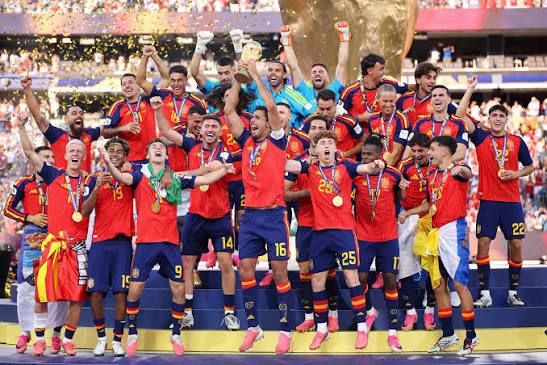
Spain reclaimed football’s biggest prize after defeating defending champion Argentina 1 0 in extra time on Sunday, ending Lionel Messi’s bid for consecutive World Cup titles and securing the nation’s second FIFA World Cup crown.
Substitute Ferran Torres emerged as the match winner, scoring in the 106th minute after Spain controlled long stretches of the final at New York New Jersey Stadium. His decisive strike rewarded a relentless Spanish performance that repeatedly tested Argentina goalkeeper Emiliano Martinez before finally breaking through.
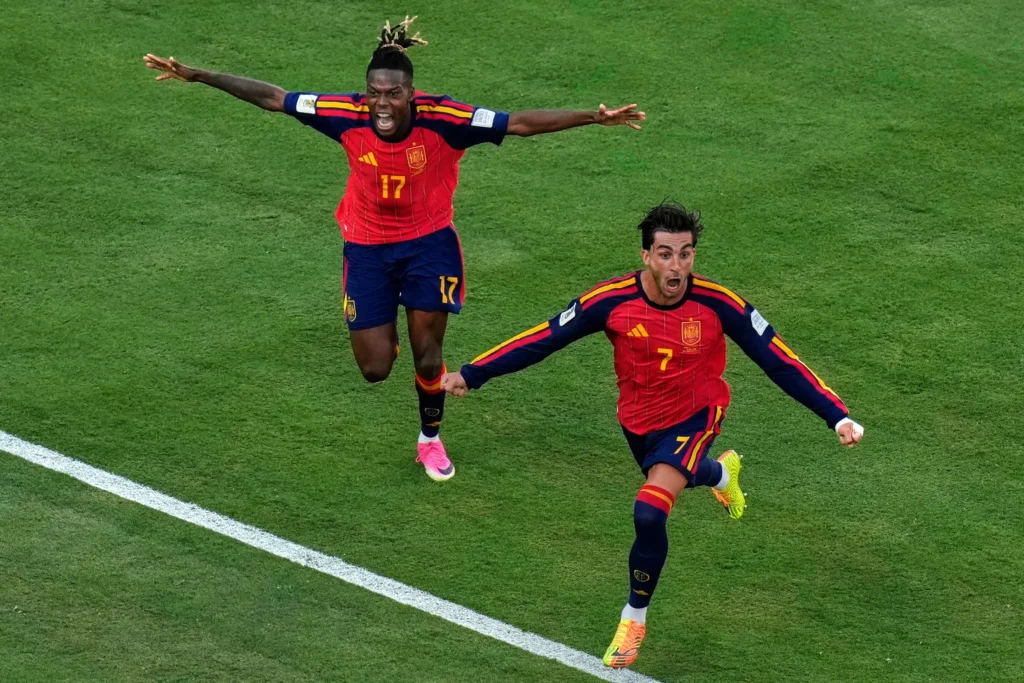
The victory delivered Spain’s first men’s World Cup title since 2010 and completed an extraordinary period for Spanish football. With Spain’s women having lifted the FIFA Women’s World Cup in 2023, the country now simultaneously holds both global titles, a feat unmatched in international football.
Speaking after the match, Torres described the decisive goal as a moment shared by the entire nation.
“It was a goal scored by 47 million people,” he said, referring to Spain’s population, as quoted by The Associated Press.
Argentina captain Lionel Messi acknowledged Spain deserved the victory.
“I feel sad. They were better, to be honest,” Messi said after receiving his runners up medal, AP reported.
Spain’s triumph also denied Argentina the opportunity to become the first nation since Brazil in 1962 to successfully defend a men’s World Cup title.
Spain dominates from start despite scoreline
Although the final ended with only one goal, Spain dictated possession, territory and attacking play for nearly the entire contest.
The European champions consistently pinned Argentina inside its own half, creating wave after wave of pressure while limiting the defending champions to virtually no meaningful attacking opportunities.
The Associated Press reported that Spain produced the first 20 shots of the match before Argentina managed its first effort on target during the closing stages of extra time. Spain also earned nine of the first ten corner kicks while forcing goalkeeper Emiliano Martinez into a World Cup final record 12 saves that kept Argentina alive.
Argentina, known throughout the tournament for dramatic comebacks, struggled to create clear scoring opportunities against Spain’s disciplined defensive structure and patient passing game.
Fox News noted that Spain controlled the rhythm from the opening whistle through quick ball movement and sustained possession, with young star Lamine Yamal creating several dangerous opportunities during the opening half before Martinez repeatedly came to Argentina’s rescue.
Flashscore also observed that Spain adopted an aggressive approach from the opening minutes, with Yamal forcing Martinez into an early save before sustained Spanish pressure continued throughout regulation time.
Spain’s tactical discipline frustrated Messi and Argentina’s experienced attack, leaving goalkeeper Unai Simon with relatively little work during normal time.
Ferran Torres delivers defining moment
After regulation ended scoreless, Spain continued pressing into extra time despite Argentina being reduced to 10 men.
Torres, introduced from the bench midway through the second half, finally ended Argentina’s resistance in the 106th minute.
Nico Williams kept the attack alive inside the penalty area before Torres reacted quickest to the loose ball, striking a powerful left foot finish beneath the crossbar beyond Martinez.
ESPN reported that the move began after Pedro Porro’s delivery found Williams, whose header redirected the ball into Torres’ path for the decisive finish.
The goal immediately sparked celebrations among Spain’s players while thousands of Spanish supporters erupted inside the stadium.
Spain continued to control possession during the closing minutes, protecting its narrow advantage before the final whistle confirmed the country’s return to the summit of world football.
What we know so far
Spain defeated Argentina 1 0 after extra time to capture its second FIFA World Cup title.
Ferran Torres scored the winning goal in the 106th minute after entering as a substitute.
Argentina goalkeeper Emiliano Martinez kept his team in contention with a World Cup final record 12 saves before Spain finally broke through.
Lionel Messi was denied a second consecutive World Cup title in what he has indicated could be the final World Cup appearance of his career.
Spain completed the tournament having conceded only one goal in eight matches, setting a new defensive record for a World Cup champion, according to AP.
What authorities and officials are saying
Spain coach Luis de la Fuente praised the collective effort behind the championship.
“We are world champions. It was together we reached this stage,” he said, AP reported.
Argentina coach Lionel Scaloni accepted the result while praising his players’ commitment.
“There is sadness, but also the knowledge that we gave it our all. The other team was better,” Scaloni said following the match.
Why this matters
Spain’s victory represents more than another World Cup triumph. It confirms the country’s return as international football’s dominant force after years of rebuilding following its golden generation.
The championship also highlights the effectiveness of Spain’s modern approach built around possession, tactical discipline and emerging young talent. Throughout the tournament Spain consistently controlled matches without relying on high scoring victories, demonstrating that defensive organization and technical quality remain decisive at football’s highest level.
For Argentina, the defeat marks the end of an impressive title defense and may signal the closing chapter of Lionel Messi’s remarkable World Cup career. Even without another championship, Messi leaves the tournament as one of the greatest players in football history after leading Argentina to multiple finals and inspiring another deep run on the sport’s biggest stage.
Enzo Fernandez sent off as Argentina’s challenge fades
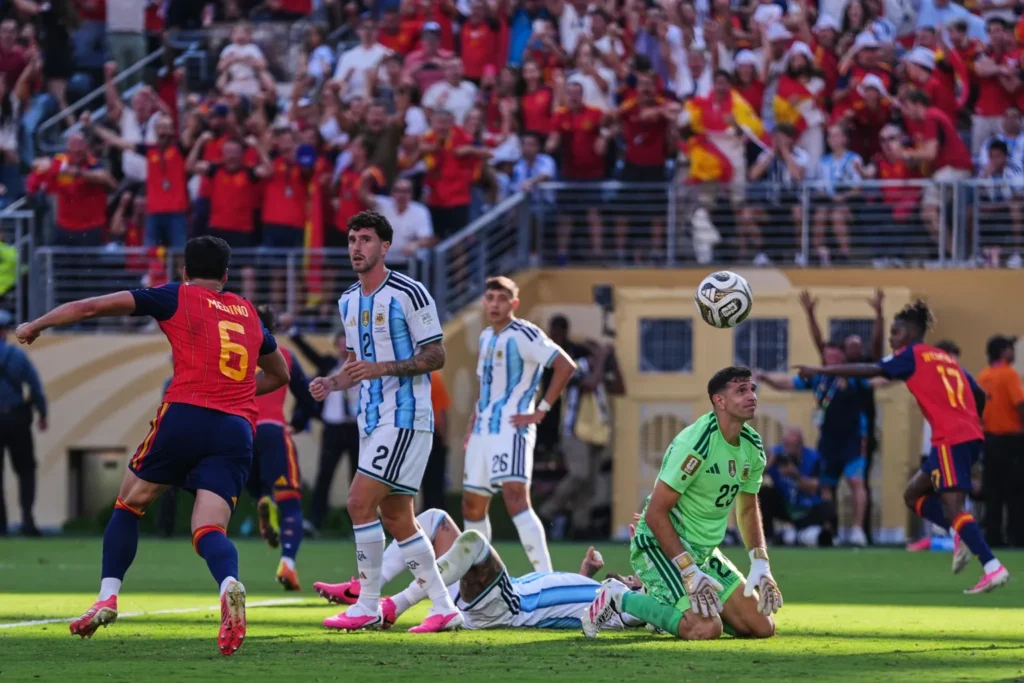
Argentina’s hopes of forcing a penalty shootout suffered a major setback deep into second half stoppage time when midfielder Enzo Fernandez was dismissed after receiving a second yellow card.
The Chelsea midfielder was initially cautioned before being shown another yellow for a reckless challenge on Spain defender Pau Cubarsi. Referee Slavko Vincic immediately produced the red card, forcing Argentina to play the remainder of the match with 10 men.
ESPN reported that the challenge left the official with little option but to dismiss Fernandez, giving Spain both a numerical and tactical advantage entering extra time.
Flashscore noted that Fernandez became only the sixth player to be sent off in a men’s World Cup final, a moment that significantly shifted the balance in Spain’s favor as Argentina struggled to contain sustained attacks with a player fewer.
Although Argentina defended bravely after the dismissal, the additional pressure eventually proved decisive when Torres found the breakthrough.
Martinez produces historic performance despite defeat
While Argentina left without the trophy, goalkeeper Emiliano Martinez delivered one of the finest individual performances ever seen in a World Cup final.
Repeatedly called into action by Spain’s relentless attacking movement, Martinez denied Lamine Yamal, Dani Olmo, Ferran Torres, Pau Cubarsi and several others to keep the score level throughout regulation.
The Associated Press reported that Martinez finished with a World Cup final record 12 saves, surpassing every previous goalkeeper in the championship match.
ESPN also highlighted that Spain’s dominance was reflected not only in possession but also in chances created, making Martinez’s performance one of the few reasons Argentina remained within reach of another title.
His efforts, however, could not prevent Torres from finally finding the decisive opening midway through extra time.
Spain sets defensive standard for future champions
Spain’s success throughout the tournament was built on far more than attractive attacking football.
Luis de la Fuente’s side completed the competition having conceded just one goal across eight matches, establishing the best defensive record ever achieved by a World Cup champion, according to AP and ESPN.
Rather than relying solely on individual brilliance, Spain combined patient possession, disciplined pressing and organized defending to consistently deny opponents meaningful opportunities.
Argentina, England, France and several other elite teams all struggled to create sustained attacking pressure against the European champions.
Spain also extended its unbeaten run to 38 international matches, surpassing Italy’s previous European record of 37 games between 2018 and 2021, ESPN reported.
The remarkable streak includes 29 victories and nine draws, further reinforcing Spain’s position as the world’s best national team.
Emotional end for Lionel Messi
The defeat marked an emotional conclusion to another remarkable World Cup campaign for Lionel Messi, who has indicated this tournament is expected to be his last.
The 39 year old captain once again inspired Argentina throughout the competition, helping guide the defending champions back to another final despite several difficult knockout matches.
Spain, however, succeeded where every previous opponent had failed by limiting Messi’s influence throughout the final.
According to ESPN, Messi did not register his first attempt on goal until the closing minutes of extra time as Spain consistently denied him space between the lines.
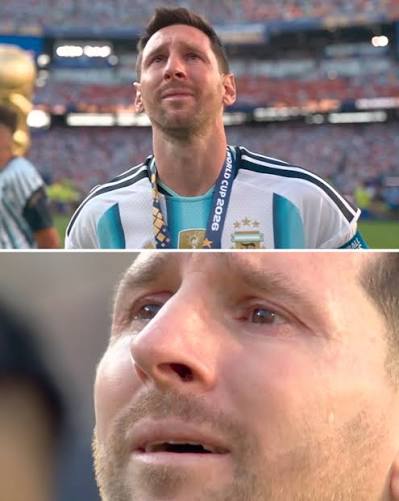
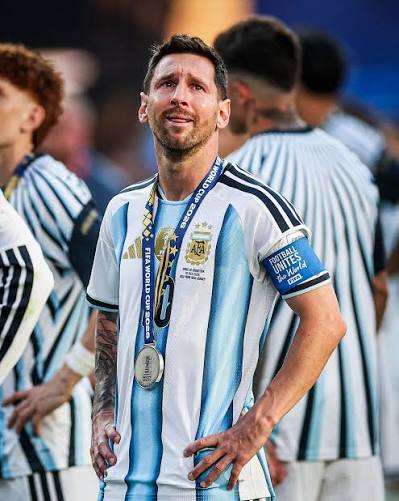
After the final whistle, television cameras captured an emotional Messi fighting back tears while receiving his runners up medal before acknowledging Argentina supporters inside the stadium.
“I feel sad,” Messi said. “They were better, to be honest,” AP reported.
Although Argentina fell short of retaining the title won in Qatar four years earlier, Messi’s achievements across multiple World Cups continue to rank among the greatest careers in football history.
Tournament concludes with record setting edition
Sunday’s final brought the curtain down on the largest World Cup ever staged.
The expanded 48 team tournament, hosted across the United States, Canada and Mexico, featured 104 matches and produced more than 300 goals, making it the highest scoring World Cup in history, according to AP and ESPN.
Spain’s victory ensured the tournament ended with one of international football’s traditional powers reclaiming the sport’s biggest prize through consistency rather than dramatic comebacks.
Throughout the month-long competition, Spain combined tactical discipline, defensive stability and technical quality to emerge as deserving champions.
Spain’s triumph reflects a broader shift in international football toward balanced, possession based systems capable of controlling matches over extended periods. While many recent champions have relied heavily on individual stars during critical moments, Spain demonstrated that collective structure, intelligent movement and defensive discipline remain the most sustainable formula over a demanding tournament.
The final also illustrated the changing of generations. Argentina entered with one of football’s greatest players seeking one last World Cup triumph, while Spain showcased a squad blending experienced leaders with emerging young talent capable of sustaining success for years. That combination may allow Spain to remain among the world’s leading contenders well beyond this championship.
What happens next
Spain will return home as world champions after completing one of the most dominant World Cup campaigns in modern history. Attention will now shift to the team’s preparations for upcoming international competitions, where Luis de la Fuente’s squad will attempt to build on a generation that combines experienced leaders with emerging stars capable of sustaining success.
For Argentina, the immediate focus will be evaluating the future of several senior players, particularly Lionel Messi. Although the eight time Ballon d’Or winner has suggested this was likely his final World Cup appearance, he has not formally announced his retirement from international football. His decision in the coming months will shape the next phase of Argentina’s rebuilding process under coach Lionel Scaloni.
Football’s governing bodies and participating nations are also expected to study lessons from the first 48 team World Cup, which expanded the tournament to 104 matches across the United States, Canada and Mexico. Despite concerns before kickoff, the competition concluded with record attendance, record scoring and one of the most memorable finals in recent history.
Historical significance
Spain’s victory represents one of the defining achievements in the country’s football history.
The championship is Spain’s second men’s FIFA World Cup title after its breakthrough triumph in South Africa in 2010. Combined with the Spanish women’s World Cup success in 2023, Spain becomes the first nation to simultaneously hold both the men’s and women’s World Cup crowns, a landmark achievement that reflects the country’s sustained investment in player development and coaching.
The triumph also cements Spain’s place among the elite nations of world football. By adding another World Cup to its European Championship successes, the country has reinforced a football identity built on technical excellence, tactical discipline and possession based play.
Equally significant was Spain’s defensive performance. As documented by The Associated Press and ESPN, the champions conceded only one goal throughout eight matches, establishing the strongest defensive record ever produced by a World Cup winning team despite playing more matches than any previous champion.
Messi’s enduring legacy
Although Argentina fell short of defending its title, the tournament is unlikely to diminish Lionel Messi’s standing among football’s greatest players.
The Argentine captain once again guided his nation to the World Cup final at 39 years old, extending a remarkable international career that has included multiple Copa America titles, a World Cup championship and several appearances in football’s biggest match.
Throughout this tournament Messi continued to influence matches through leadership, creativity and experience, even as opponents devoted significant defensive attention to limiting his impact.
His emotional reaction after Sunday’s defeat reflected the magnitude of the occasion rather than any reduction in his accomplishments. Regardless of whether he plays again for Argentina, Messi leaves international football with a legacy that few players are likely to equal.
Why Spain’s title could shape international football
Spain’s championship may influence how national teams prepare for future major tournaments.
Rather than relying primarily on individual brilliance, Spain consistently demonstrated the value of tactical organization, patient possession and collective defensive responsibility. Their ability to control matches without exposing themselves defensively provides a blueprint that many football federations are likely to study before future World Cups.
The tournament also highlighted the growing importance of squad depth. Ferran Torres, introduced from the bench, delivered the decisive goal, reinforcing how modern international football increasingly depends on contributions from the entire roster rather than only established stars.
With young talents such as Lamine Yamal, Nico Williams, Pau Cubarsi and others already playing central roles, Spain appears well positioned to remain among the world’s leading national teams for years to come.
Spain’s World Cup triumph was ultimately a victory built on consistency rather than moments of fortune.
While many champions rely on dramatic escapes and individual heroics, Spain controlled nearly every aspect of the final through disciplined defending, intelligent movement and relentless possession. Argentina’s resilience kept the match alive deep into extra time, largely because of Emiliano Martinez’s outstanding goalkeeping, but the balance of play consistently favored the European champions.
The final also symbolized the transition between two football generations. Lionel Messi’s extraordinary international career appears to be approaching its closing chapter, while Spain’s emerging core has announced itself as the sport’s new standard bearer. If this tournament is remembered as the end of one era and the beginning of another, Sunday’s result will stand as one of the defining moments in modern football history.
Story Sources: The Associated Press, ESPN, Fox News, Flashscore




