

The United States launched military strikes against Iran on Tuesday after President Donald Trump accused Tehran of causing a U.S. Army helicopter crash near the Strait of Hormuz, a move that has sharply escalated tensions in an already fragile regional standoff and sent ripples through global energy markets.
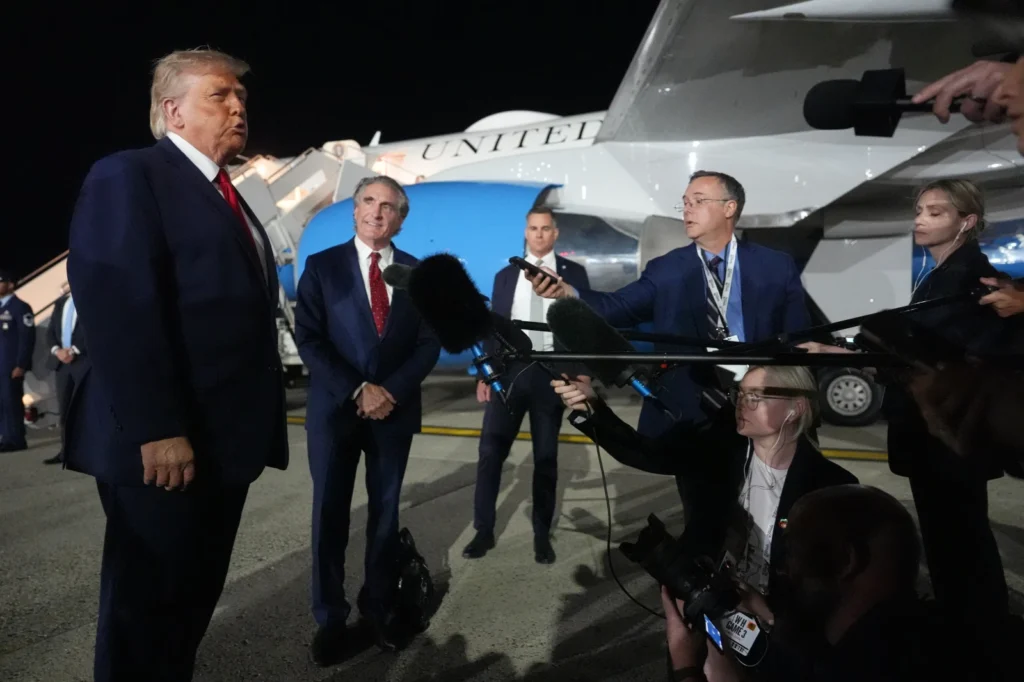
U.S. Central Command confirmed the strikes, describing them as a measured response to what it characterized as Iranian aggression following the downing of an AH 64 Apache helicopter during a patrol mission near the strategic waterway. Trump asserted that Iran was responsible for the incident and said a response was unavoidable, while Iranian officials rejected the claim and warned that any attack would be met with force.
What we know so far:
- A U.S. Army Apache helicopter crashed near the Strait of Hormuz during a patrol mission.
- A U.S. official indicated the aircraft may have collided with an Iranian drone, though investigations remain ongoing.
- Both crew members survived and were rescued in what U.S. officials described as the first drone assisted maritime rescue operation of its kind.
- The U.S. military carried out strikes targeting Iranian positions in southern areas near the strait, with Iranian media reporting explosions on Qeshm Island and nearby coastal regions.
- Iran has not confirmed responsibility for the crash but has warned of retaliation.
What authorities are saying:
U.S. Central Command framed the operation as a proportional response, emphasizing that the strikes were aimed at deterring further threats. President Trump maintained that Iran’s actions necessitated a strong military reply, even as he suggested the incident itself was not severe since the crew survived.
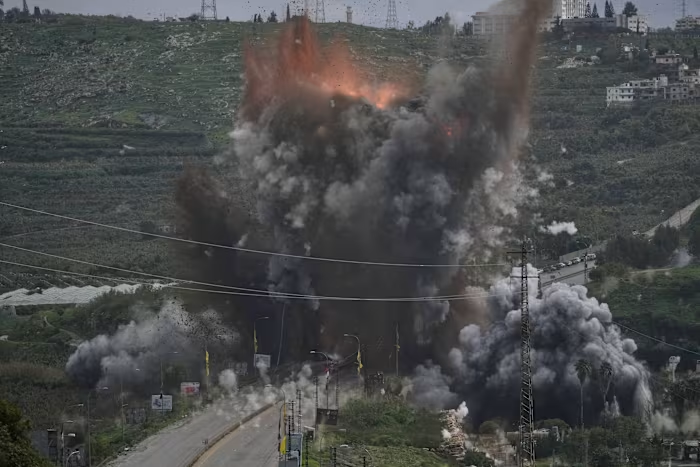
Iranian Foreign Minister Abbas Araghchi issued a stark warning, stating that Iran would respond to any attack and cautioning that foreign forces operating near its territory face constant risk. Iranian state media also signaled readiness for escalation while downplaying the scale of the U.S. strikes.
Military officials on both sides have kept details limited, and the exact cause of the helicopter crash remains under review.
The confrontation threatens to destabilize one of the world’s most critical energy corridors. The Strait of Hormuz handles a significant share of global oil and liquefied natural gas shipments, and any disruption has immediate consequences for fuel prices and supply chains.
Since hostilities intensified earlier this year, energy markets have experienced volatility, with oil prices rising and transportation costs feeding into broader inflation pressures worldwide. Prolonged conflict risks further tightening supply, particularly as Iran has already restricted shipping traffic through the strait.
Beyond energy markets, the escalation complicates diplomatic efforts to secure a long term agreement over Iran’s nuclear program and regional security role. Talks mediated by international partners have stalled as both sides maintain firm positions on sanctions, uranium stockpiles, and regional military activity.
The situation also intersects with Israel’s ongoing military campaign against Iran aligned groups in Lebanon, creating a multi front conflict that increases the likelihood of wider regional involvement.
What happens next:
Further military exchanges remain a strong possibility, especially if Iran follows through on its pledge to retaliate. Analysts expect heightened naval activity in the Gulf, increased risks to commercial shipping, and continued pressure on global oil markets.
Diplomatic channels are likely to remain active, but progress toward a ceasefire or broader agreement appears uncertain. Any miscalculation could quickly draw additional regional actors into the conflict.
Markets will closely monitor shipping flows through the Strait of Hormuz, while governments may begin contingency planning for prolonged disruptions in energy supply.
With tensions rising and both sides signaling readiness to act, the latest U.S. strikes mark a critical turning point in the conflict, one that could reshape security dynamics in the Middle East and reverberate across the global economy in the weeks ahead.
AP/Reuters





