Home Blog Page 130

Soul Singer Carl Carlton, Known for “She’s a Bad Mama Jama,” Dies at 72

0

DETROIT — Carl Carlton, the funk, soul and R&B vocalist whose infectious 1981 anthem “She’s a Bad Mama Jama (She’s Built, She’s Stacked)” and his cover of “Everlasting Love” made him a fixture on American charts throughout the 1970s and 1980s, has died at age 72.

His son, Carlton Hudgens II, confirmed the death Sunday through a social media statement that included a photograph of the singer. “RIP Dad, Legend Carl Carlton singer of She’s a Bad Mama Jama. Long hard fight in life and you will be missed,” the younger Hudgens wrote.

The cause of death was not disclosed. Carlton suffered a stroke in 2019, Soultracks reported.

Born Carlton Hudgens in Detroit in 1953, he initially performed under the stage name “Little Carl” Carlton before shortening it to Carl Carlton. After gaining local attention in Michigan, he relocated to Houston following a signing with the Houston-based Back Beat Records label.

His 1971 single “I Can Feel It” reached the Billboard Soul Singles chart, providing early commercial success. However, his breakthrough arrived with his interpretation of Robert Knight’s “Everlasting Love,” which climbed to number six on the Billboard Hot 100 in 1974 and remained on the chart for 15 weeks.

A decade after his chart debut, Carlton achieved his most enduring commercial triumph with “She’s a Bad Mama Jama (She’s Built, She’s Stacked),” a funky celebration that ascended to number two on the soul chart and number 22 on the Hot 100 after its 1981 release. The single spent 21 weeks on American charts and earned Grammy recognition.

The track appeared on his self-titled 1981 album, which achieved gold certification. Nearly four decades after its initial release, “She’s a Bad Mama Jama” reached number seven on Billboard’s R&B Digital Song sales chart earlier this year, demonstrating its persistent cultural resonance.

Multiple artists have sampled the distinctive groove, including Foxy Brown on “Big Bad Mamma” featuring Dru Hill, Flo Milli on “BGC,” and BigXthaPlug, Ro$ama, and Young Hood on “Meet the 6ixers.” The song gained additional exposure through inclusion in film soundtracks including Miss Congeniality 2 and Fat Albert, and television programs such as Friends.

Carlton maintained an active performance schedule across subsequent decades and made memorable television appearances on American Bandstand and Soul Train. In 2003, he participated in American Soundtrack: Rhythm, Love, and Soul, a television special directed by Barry Glazer that featured Aretha Franklin, Lou Rawls, Mary Wilson, and other music icons. His final recording was the 2010 gospel album God Is Good.

The funk collective Con Funk Shun paid tribute to Carlton in a statement mourning his passing. “With heavy hearts, we mourn the passing of the legendary Carl Carlton,” the group wrote. “His voice, talent, and contributions to soul and R&B music will forever be a part of our lives and the soundtrack of so many memories. Our deepest condolences to his family, friends, and fans around the world. Rest in power, Carl. Your legacy lives on.”

Carlton’s music exemplified the polished funk and soul production that characterized early 1980s R&B, combining infectious rhythms with sophisticated arrangements that appealed to both pop and urban contemporary audiences. “She’s a Bad Mama Jama” particularly captured the era’s aesthetic with its celebratory lyrics, prominent bass line, and horn flourishes that became instantly recognizable.

His success bridged multiple musical eras, from the soul-dominated charts of the early 1970s through the funk and disco explosion of the late 1970s into the synthesizer-driven R&B of the 1980s. This adaptability allowed him to remain relevant as musical tastes evolved, with his signature hit transcending generational boundaries.

The song’s enduring popularity reflects its craftsmanship and universal appeal. Its straightforward appreciation of feminine beauty, delivered with playful confidence rather than objectification, struck a chord that has allowed it to remain in rotation on R&B and funk playlists for more than 40 years. The track’s construction—built around a memorable hook and groove that invited both dancing and singing along—exemplified effective pop songwriting.

Carlton’s later turn toward gospel music with God Is Good demonstrated the spiritual dimension that often emerges in soul and R&B artists’ careers. This trajectory, common among performers who began in secular music, reflected both personal faith journeys and the deep connections between gospel, soul, and R&B traditions that have shaped Black American music for generations.

His 2019 stroke marked a significant health setback, though details about his condition and recovery in subsequent years remained largely private. The “long hard fight” his son referenced suggests Carlton faced ongoing health challenges in the years leading to his death.

For fans who came of age in the 1970s and 1980s, Carlton’s music provided the soundtrack to countless moments—parties, dances, road trips, and radio listening sessions when his songs dominated urban contemporary formats. His voice, with its smooth delivery and ability to convey both romance and celebration, became familiar to millions.

The sampling of “She’s a Bad Mama Jama” by contemporary hip-hop and R&B artists introduced Carlton’s work to new generations who may not have known the original but recognized its infectious groove. This practice of sampling classic funk and soul tracks has preserved the legacies of artists like Carlton by weaving their musical DNA into modern productions.

Detroit’s rich musical heritage, which produced Motown legends and countless other influential artists, shaped Carlton’s early development even as he later made Houston his professional base. The Motor City’s soul traditions infused his approach to melody, rhythm, and vocal delivery, evident throughout his catalog.

As tributes flow from fellow musicians and fans remembering Carlton’s contributions, his catalog stands as testament to an artist who created music that transcended its moment to become timeless. While “She’s a Bad Mama Jama” remains his calling card, his broader body of work demonstrates consistent craftsmanship and an ear for the grooves that moved audiences across multiple decades.

Carlton joins the ranks of soul and funk pioneers whose music defined an era while continuing to influence contemporary artists. His death marks the loss of another voice from the generation that built the foundation of modern R&B, even as his recordings ensure that voice will continue reaching listeners for years to come.

Rollingstone

French Court Sentences Congo Ex-Rebel Leader Roger Lumbala to 30 Years for War Crimes

0
The head of the M23 Congolese rebels, Roger Lumbala, signs documents on February 6, 2013 before a press briefing in Kampala. The government of the Democratic Republic of Congo and M23 rebels holding peace talks in Kampala on February 6 finalized a review of an earlier failed peace agreement, the first of four stages toward reaching a peace deal. M23 rebels were persuaded to withdraw from the key eastern city of Goma after a 12-day occupation, they still control large areas of territory just outside the strategic mining hub. The negotiations are the latest in several bids to end a long-running conflict that has forced hundreds of thousands of people in eastern DR Congo from their homes. AFP PHOTO/ ISAAC KASAMANI (Photo by ISAAC KASAMANI / AFP)

PARIS — A French court sentenced former rebel commander Roger Lumbala to 30 years in prison Monday after convicting him of complicity in crimes against humanity committed in the Democratic Republic of Congo during systematic atrocities that targeted ethnic minorities more than two decades ago.

The head of the M23 Congolese rebels, Roger Lumbala, signs documents on February 6, 2013 before a press briefing in Kampala. The government of the Democratic Republic of Congo and M23 rebels holding peace talks in Kampala on February 6 finalized a review of an earlier failed peace agreement, the first of four stages toward reaching a peace deal. M23 rebels were persuaded to withdraw from the key eastern city of Goma after a 12-day occupation, they still control large areas of territory just outside the strategic mining hub. The negotiations are the latest in several bids to end a long-running conflict that has forced hundreds of thousands of people in eastern DR Congo from their homes.
AFP PHOTO/ ISAAC KASAMANI (Photo by ISAAC KASAMANI / AFP)

Lumbala, 67, was found guilty of orchestrating brutal attacks during Operation “Erase the Slate,” a 2002-2003 campaign conducted by his Rally of Congolese Democrats and Nationalists in northeastern Congo that featured rape as a weapon of war, sexual slavery, torture, mutilation, summary executions, and resource plundering.

The verdict followed a month-long trial that human rights organizations characterized as a historic opportunity to challenge the impunity enjoyed by warring parties in eastern Democratic Republic of Congo, where violence persists despite a peace agreement ratified in Washington in early December, France24 reported.

French prosecutors had sought a maximum sentence of life imprisonment for Lumbala, who was arrested in France in December 2020. Le Monde reported that Lumbala refused to attend the trial after its opening session, claiming the court lacked legitimacy.

Prosecutor Nicolas Péron told the jury that Lumbala failed to appear because he is “facing a problem he never thought he would encounter: He is now facing justice.”

Lumbala, who briefly served as trade minister and ran for president in 2006, maintained he was merely a politician with no soldiers or volunteers under his command. He denied the charges throughout the proceedings.

For more than a month, the court heard devastating testimony about atrocities committed during the Second Congo War, which raged from 1998 to 2003. Witnesses described systematic campaigns of sexual violence, forced labor, extortion, and the systematic looting of resources including diamonds.

One survivor testified that his brother had his forearm amputated, was forced to attempt eating his severed ear, then was executed when he could not. Women recounted being raped by soldiers, often in gang assaults committed in front of parents, husbands, and children.

The victims were predominantly Nande or Bambuti Pygmies, ethnic groups the attackers accused of supporting a rival faction. The targeting of specific ethnic populations for mass violence formed part of the crimes against humanity charges.

Lumbala’s RCD-N rebel group received support from neighboring Uganda and maintained an alliance with the MLC militia led by Jean-Pierre Bemba, who currently serves as Congolese Minister of Transport. Bemba himself was previously convicted of war crimes by the International Criminal Court before that conviction was overturned on appeal.

The trial proceeded under the principle of universal jurisdiction, which allows national courts to prosecute individuals for grave international crimes regardless of where the offenses occurred or the nationality of perpetrators or victims. France has increasingly employed this legal doctrine to pursue accountability for mass atrocities committed in other countries.

Lumbala’s conviction represents a rare instance of accountability for leaders involved in Congo’s devastating civil conflicts, which have claimed millions of lives over decades. The Second Congo War, sometimes called Africa’s World War due to the involvement of multiple neighboring countries, resulted in catastrophic civilian casualties and displacement while enriching warlords who controlled territory containing valuable mineral resources.

The Operation “Erase the Slate” campaign that formed the basis of Lumbala’s prosecution exemplified the brutality that characterized the conflict. The operation’s name itself suggested intentions to eliminate populations perceived as hostile, while testimony revealed systematic use of sexual violence as a military tactic designed to terrorize and destroy communities.

The extensive testimony about rape used as a weapon of war highlighted how armed groups deliberately employed sexual violence not merely as collateral damage of conflict but as a strategic tool to achieve military and political objectives. Women and girls bore particular burdens, with attacks often designed to humiliate entire communities through public assaults witnessed by family members.

The targeting of Bambuti Pygmies, indigenous forest peoples who number among Congo’s most marginalized populations, reflected broader patterns of ethnic violence that have plagued eastern Congo for decades. These communities faced systematic attacks based on perceived political allegiances, with entire villages subjected to collective punishment for suspected support of rival factions.

Lumbala’s post-conflict political career, including his trade ministry appointment and presidential candidacy, illustrated the impunity that has allowed perpetrators of mass atrocities to transition seamlessly into legitimate governance roles. His case demonstrates how individuals responsible for grave crimes continued wielding influence in Congolese politics for years before facing consequences.

The trial’s timing, occurring as eastern Congo experiences renewed violence despite December’s peace agreement, underscored the region’s persistent instability. The M23 rebel group’s recent territorial gains and the displacement of millions demonstrate that the cycles of violence Lumbala participated in two decades ago continue devastating Congolese civilians.

Human rights advocates view the verdict as significant progress toward accountability in a region where armed groups have operated with virtual impunity for decades. However, Lumbala’s prosecution represents an exception rather than a rule, with most individuals responsible for atrocities in Congo’s conflicts never facing trial.

The 30-year sentence, while shorter than the life imprisonment prosecutors sought, ensures Lumbala will spend the remainder of his likely lifespan incarcerated. At 67, he faces the prospect of dying in French prison for crimes he committed while commanding forces that terrorized northeastern Congo’s civilian populations.

France’s willingness to prosecute Lumbala under universal jurisdiction reflects growing international efforts to ensure accountability for mass atrocities when domestic courts prove unwilling or unable to act. Congo’s judicial system, weakened by decades of conflict and corruption, has rarely succeeded in prosecuting senior figures responsible for war crimes.

For survivors who traveled from Congo to testify in Paris, the verdict offers some measure of justice after more than two decades. Their willingness to recount traumatic experiences in open court, describing sexual violence and torture in graphic detail, provided crucial evidence that enabled Lumbala’s conviction.

The trial also documented systematic resource extraction that financed the conflict, with rebel groups controlling diamond-producing regions and using forced labor to exploit mineral wealth. This intersection of ethnic violence, resource plundering, and armed conflict continues characterizing eastern Congo’s instability.

As Lumbala begins serving his sentence, questions remain about whether other figures involved in Congo’s conflicts will face similar accountability. Numerous commanders, politicians, and militia leaders implicated in atrocities continue operating freely in the region, their impunity reinforcing cycles of violence that have prevented Congo from achieving lasting peace despite multiple ceasefire agreements and international interventions.

France24/Lemonde/citizendigital

Legendary Director Rob Reiner, Wife Found Stabbed to Death in LA Home; Son Eyed as Person of Interest

0

Legendary filmmaker Rob Reiner and his wife, Michele Singer Reiner, were found stabbed to death inside their Brentwood home in Los Angeles on Sunday, and investigators are examining the couple’s adult son as a person of interest, according to law-enforcement sources cited by multiple media outlets.

Los Angeles police officers responding to a call Sunday afternoon discovered a man and a woman suffering from fatal stab wounds inside the residence, sources told the New York Post and NBC Los Angeles. The Los Angeles Fire Department said a 78-year-old man and a 68-year-old woman were pronounced dead at the scene.

Sources cited by the Post identified the victims as Rob Reiner, an award-winning director and actor, and his longtime wife, whom he married in 1989. Authorities have not formally released the victims’ names, pending official confirmation and notifications.

Investigators are looking at the couple’s 32-year-old son, screenwriter Nick Reiner, as a person of interest, law-enforcement sources said. Police stressed that no arrest has been made and declined to elaborate on investigative details.

A knife is believed to have been used in the attack, according to sources cited by the Post. Police blocked off the street outside the home as detectives moved in and out of the property throughout the afternoon and evening.

At a press briefing outside the residence, LAPD Detective Chief Alan Hamilton said the department was still in the process of securing a search warrant hours after the initial 911 call. Hamilton told reporters there was no immediate threat to the surrounding Brentwood neighborhood but declined to confirm the identities of the deceased or name a suspect.

In a statement released to the media, Reiner’s family said, “It is with profound sorrow that we announce the tragic passing of Michele and Rob Reiner. We are heartbroken by this sudden loss, and we ask for privacy during this unbelievably difficult time.”

Despite the lack of formal police confirmation, tributes poured in from public officials. Los Angeles Mayor Karen Bass called the deaths a devastating loss for the city, citing Reiner’s influence on American culture and social advocacy. California Gov. Gavin Newsom said in a post on X that Reiner’s work and activism had made California and the nation better.

A New York Post reporter at the scene said a man identifying himself as Reiner’s assistant arrived to help officers access the home. ABC7 reported that comedian Billy Crystal, a longtime friend of Reiner, and writer-producer Larry David were later seen at the property, with Crystal appearing visibly shaken.

The home, decorated for the holidays, is located in a gated, high-end section of Brentwood, less than two miles from the site of the 1994 killing of Nicole Brown Simpson, a reminder of the area’s rare but haunting association with high-profile violence.

If confirmed by authorities, the killings would represent one of the most shocking acts of violence involving a major Hollywood figure in decades, intensifying scrutiny on law-enforcement response, investigative transparency and the risks of early public identification in celebrity cases. Legal experts note that labeling someone a person of interest carries significant reputational consequences and underscores the importance of careful sourcing and due process.

Nick Reiner has spoken publicly about struggles with addiction and homelessness, including in a 2016 interview with People, where he described living on the streets in multiple states. Police cautioned that prior personal history does not establish guilt.

Rob Reiner, 78, was widely celebrated for directing classic films such as “When Harry Met Sally,” “The Princess Bride,” “This Is Spinal Tap,” and “A Few Good Men.” He first gained national fame as Mike “Meathead” Stivic on the CBS sitcom “All in the Family,” earning two Emmy Awards.

Police said further information would be released as the investigation continues.

Nigerian Air Force Eliminates Terrorists in Borno Strikes While Army Neutralizes Kidnapper in Plateau Operation

0

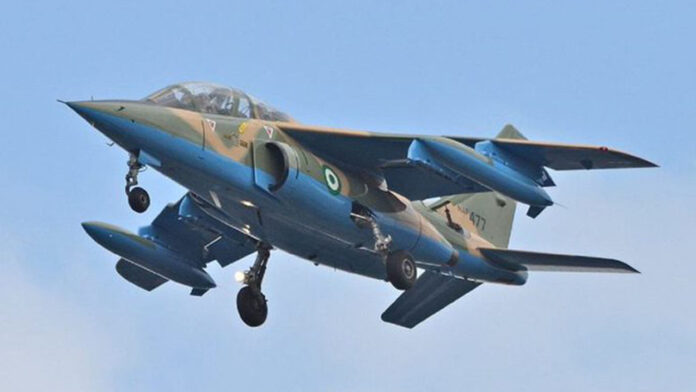
MAIDUGURI, Nigeria — The Nigerian Air Force eliminated several terrorists and destroyed their logistics hub during a precision air interdiction operation in Borno State on Sunday, while separately in Plateau State, Nigeria, Army troops neutralized a suspected kidnapper and arrested three alleged informants, demonstrating coordinated military pressure against criminal networks across Nigeria’s volatile regions.

The air operation was executed at Dabar Masara, a known terrorist enclave in the Southern Tumbuns area, as part of ongoing efforts to disrupt terrorist activities and supply networks that sustain insurgent operations in the Northeast. The strikes represent the latest phase in sustained counterterrorism campaigns targeting the infrastructure that enables militant groups to maintain their presence and operational capabilities.

The Director of Public Relations and Information of the NAF, Air Commodore Ehimen Ejodame, detailed in a statement that the strikes followed credible intelligence indicating the presence of a terrorist workshop and sustained movement of armed fighters in the area. The intelligence gathering process involved multiple surveillance missions that established pattern-of-life analysis before authorization for kinetic operations.

The Air Component of Operation Hadin Kai deployed an integrated force package to conduct coordinated intelligence, surveillance and reconnaissance missions alongside strike operations, Ejodame explained. This multi-layered approach ensures target validation before engagement, reducing risks of civilian casualties while maximizing effectiveness against legitimate terrorist targets.

Earlier surveillance had revealed repeated terrorist movement and a large number of vehicles concealed under vegetation, confirming the location functioned as an active logistics base supporting broader insurgent networks, Ejodame disclosed. The concealment tactics employed by the terrorists demonstrated awareness of aerial surveillance capabilities and attempts to evade detection through camouflage and dispersal techniques.

“On the day of the operation, further surveillance validated the earlier findings, with terrorists observed manoeuvring within the location and around the identified vehicles,” he noted, describing the final confirmation procedures before weapons release. The observation of active terrorist presence provided conclusive verification that the target remained operationally relevant at the time of engagement.

Following positive identification and in line with the rules of engagement, the targets were engaged with precision-guided munitions, he added. A post-operation battle damage assessment confirmed that the vehicles were destroyed and several terrorist elements neutralized, achieving the mission objectives without collateral damage to surrounding areas.

Ejodame emphasized that the operation highlights the NAF’s commitment to intelligence-driven and precise air operations aimed at degrading terrorist networks and improving security in affected areas. The systematic approach reflects evolved counterinsurgency doctrine that prioritizes actionable intelligence over indiscriminate aerial bombardment that characterized earlier phases of the conflict.

Meanwhile, Daily Post chronicled how troops of the Nigerian Army neutralized a suspected kidnapper and arrested three alleged informants during a security operation in Plateau State. The incident was detailed in a post shared on X on Monday by security analyst Zagazola Makama, who maintains close monitoring of military operations across Nigeria’s conflict zones.

The troops, drawn from 3 Division of the Nigerian Army and operating under the Joint Task Force Operation Enduring Peace, acted on reports of kidnapping incidents in Dong community, Jos North Local Government Area, in the early hours of Monday. The rapid response demonstrates the military’s commitment to addressing the kidnapping epidemic that has plagued Plateau State and surrounding regions.

The soldiers responded swiftly to distress calls from residents and made contact with the kidnappers during the operation, Makama documented. In the ensuing confrontation, one of the suspects was neutralized through kinetic engagement when he posed an immediate threat to the troops or hostages.

“Items recovered from the suspect included an AK-47 rifle, a magazine and four rounds of 7.62mm special ammunition,” Makama detailed, inventory that confirms the suspect’s armed status and validates the use of lethal force during the encounter. The weapon recovery prevents the firearm from circulating to other criminal elements.

Makama further disclosed that the neutralized suspect was later identified as a resident of the community, who allegedly worked with the kidnapping gang from within the area. This insider status enabled the criminal network to identify vulnerable targets, monitor security force movements, and exploit local knowledge to execute kidnappings with reduced detection risk.

During the operation, troops also arrested three people suspected to be informants who provided support and intelligence to the kidnappers, expanding the security forces’ understanding of the criminal network’s structure and operations. The informants’ local knowledge likely facilitated target selection and operational planning for kidnapping activities.

The arrested suspects, along with the recovered arms and ammunition, remain in custody pending investigation and prosecution, while troops have launched follow-up operations to track down other members of the gang who escaped during the initial encounter. The pursuit operations aim to capitalize on momentum and prevent the gang from reconstituting or relocating to alternative areas of operation.

The military reassured residents of Plateau State of its commitment to protecting lives and property, while encouraging members of the public to continue sharing timely and credible information with security agencies to support ongoing security efforts. Community cooperation provides crucial intelligence that enables preemptive action before kidnapping attempts succeed.

The twin operations in Borno and Plateau underscore the multifaceted security challenges confronting Nigerian military forces, who simultaneously combat insurgent terrorism in the Northeast while addressing criminal kidnapping networks in the Middle Belt region. The distinct operational environments require different tactical approaches but share common requirements for intelligence gathering, rapid response capabilities, and community engagement.

The Borno airstrike demonstrates how aerial assets provide unique advantages in counterterrorism operations, enabling forces to strike terrorist infrastructure in remote areas where ground operations face significant logistical challenges and ambush risks. The integration of reconnaissance and strike platforms creates persistent surveillance that denies terrorists freedom of movement and safe havens for logistics operations.

The destruction of vehicles at Dabar Masara likely disrupts terrorist mobility and supply chain operations critical for sustaining insurgent activities across Borno State. Logistics hubs serve as nodes where weapons, ammunition, food, fuel, and other supplies concentrate before distribution to terrorist cells, making them high-value targets that produce cascading effects when eliminated.

The Plateau operation illustrates persistent challenges posed by insider threats and local informant networks that enable criminal enterprises. The identification of the neutralized suspect as a community resident highlights how kidnapping gangs exploit social connections and local knowledge to conduct operations while evading security forces who may lack similar familiarity with terrain and population dynamics.

The recovery of military-grade weaponry from the kidnapper raises concerns about arms proliferation and potential connections between different criminal and terrorist groups operating across Nigeria. AK-47 rifles represent the predominant weapon choice for both insurgents and criminal gangs, with porous borders and corrupt officials enabling weapons to flow from conflict zones to criminal enterprises in other regions.

The arrest of three informants provides opportunities for intelligence gathering through interrogation that could reveal broader networks, financing mechanisms, and operational procedures employed by kidnapping gangs. Understanding these organizational aspects enables more effective disruption operations targeting multiple gang members simultaneously rather than reactive responses to individual incidents.

For communities in both Borno and Plateau, these military operations offer temporary relief but cannot substitute for comprehensive security sector reform, economic development, and governance improvements that address root causes enabling terrorist and criminal activity. Kinetic operations eliminate immediate threats but require complementary strategies addressing grievances, providing economic alternatives, and strengthening local institutions.

The Nigerian military’s emphasis on intelligence-driven operations reflects lessons learned from years of counterinsurgency campaigns where indiscriminate force alienated populations and enabled terrorist recruitment. The contemporary focus on precision, community engagement, and rules of engagement compliance aims to separate terrorists and criminals from populations while minimizing civilian casualties that undermine security force legitimacy.

As operations continue in both theaters, the Nigerian Armed Forces face resource constraints, personnel challenges, and operational tempo demands that strain capabilities across multiple fronts. Sustaining effectiveness requires continuous training, equipment modernization, intelligence infrastructure investment, and institutional reforms that professionalize forces while maintaining motivation despite difficult operational conditions and periodic setbacks.

DailyPost

Early Morning Inferno Destroys 48 Shops at Lagos Market Complex, Nigeria

0

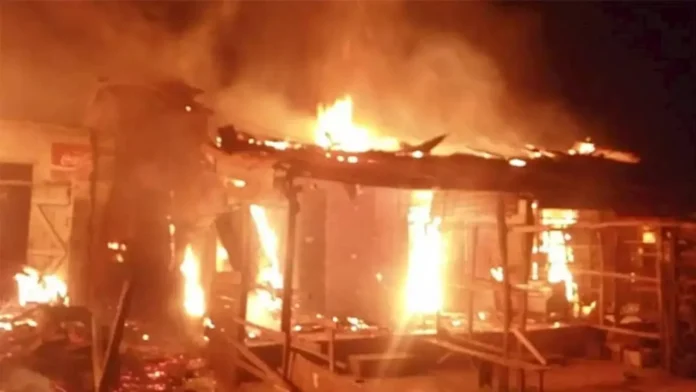
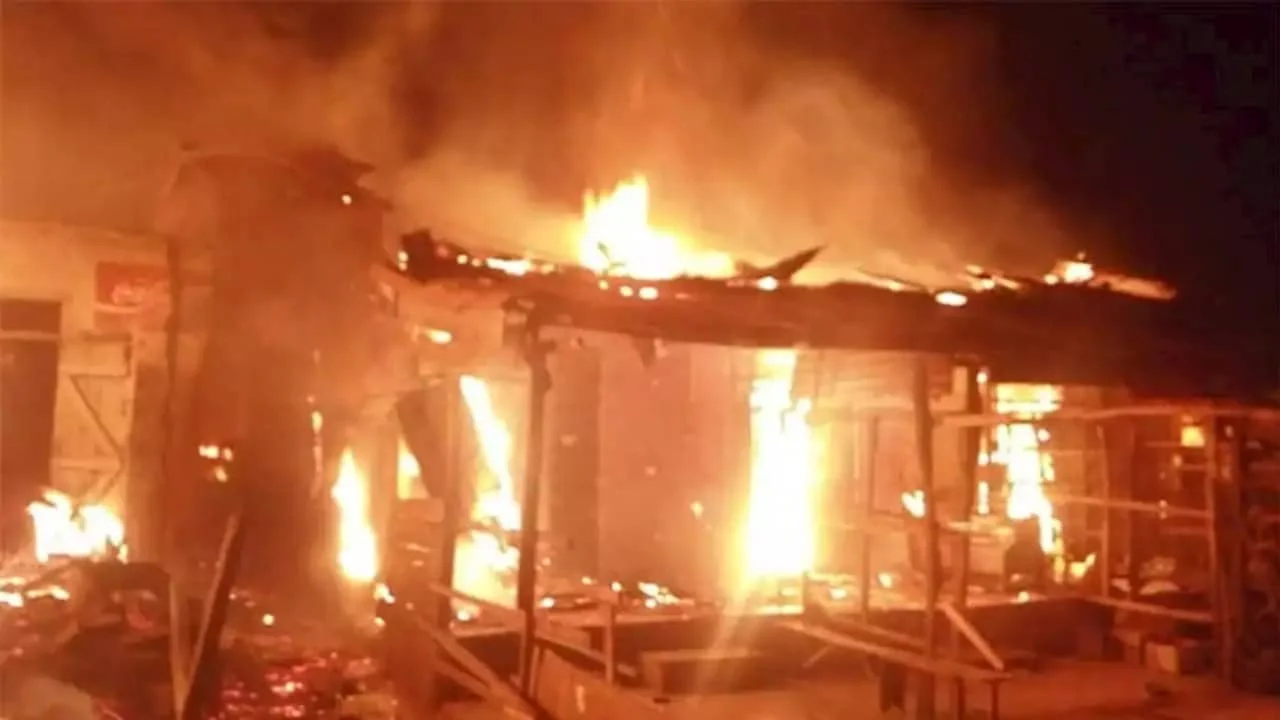
LAGOS, Nigeria — An early morning inferno swept through the Elegushi Model Market complex in the Lekki area, Lagos, Nigeria, on Sunday, destroying at least 48 shops before emergency responders contained the blaze and prevented it from engulfing neighboring structures, authorities confirmed, highlighting persistent fire safety challenges that plague commercial centers across Nigeria’s most populous city.

The Permanent Secretary of the Lagos State Emergency Management Agency (LASEMA), Olufemi Oke-Osanyintolu, disclosed details of the incident in a statement released Sunday afternoon. The agency received an emergency alert around 2 a.m. and promptly deployed response teams to the scene, where the market complex was already engulfed in flames that illuminated the pre-dawn darkness.

Oke-Osanyintolu explained that the emergency response team worked swiftly to contain the fire and prevent further destruction to the surrounding commercial district. The coordinated firefighting effort involved multiple agencies working in tandem to suppress the rapidly spreading flames before they could reach adjacent buildings in the densely packed market area.

Preliminary investigations conducted by LASEMA’s Shark Response Team indicated that the fire originated from a makeshift stall within the market compound before spreading to the main building structure. The exact cause remained undetermined as of Sunday afternoon, though investigators continued examining the burn patterns and collecting evidence to establish how the conflagration began.

Fortunately, no casualties or injuries were reported in the incident, a remarkably positive outcome given the scale of destruction and the early morning timing when security personnel or night watchmen might have been present. The absence of fatalities suggests the fire may have started after any overnight workers had departed or that early detection enabled complete evacuation before flames became life-threatening.

“The fire started from one of the makeshift stalls within the market compound and rapidly escalated to the main building. The exact cause is yet to be determined. Thankfully, no lives were lost, and no one was injured,” Oke-Osanyintolu emphasized. “Coordinated efforts by all stakeholders ensured the fire was completely extinguished and prevented it from affecting neighbouring structures,” he added, crediting the multi-agency response for limiting the disaster’s scope.

A post-disaster assessment confirmed that 48 shops sustained damage from the blaze, representing significant economic losses for the affected traders who now face the daunting prospect of rebuilding their businesses. The assessment process involved systematically examining each affected structure to document the extent of damage for insurance purposes and to inform rebuilding efforts.

The Permanent Secretary stressed the critical importance of fire prevention and preparedness measures for market traders operating in Lagos’s commercial centers. “Traders were sensitised on fire safety measures. The market union was advised to strategically position fire extinguishers to manage minor incidents before they escalate,” Oke-Osanyintolu conveyed, outlining immediate steps to reduce future risks.

Shop owners received specific guidance to install smoke detectors and fire alarms while remaining vigilant against potential fire outbreaks, particularly given the prevalence of electrical connections, flammable merchandise, and cooking activities that characterize many Lagos market operations. The recommendations reflect broader efforts by emergency management officials to address systemic fire safety deficiencies.

Authorities continue assessing the full extent of the damage and working with market officials to enhance fire safety measures and prevent similar incidents in the future. The collaborative approach involves market union leadership, individual traders, and government agencies developing comprehensive protocols that balance commercial operations with safety requirements.

Daily Post documented that a late-night inferno on Thursday, December 12, tore through the Berger Trailer Park, popularly known as Berger Suya, located in the Olodi-Apapa area of Ajegunle, Lagos. 

That incident destroyed several trailers, container shops, and heaps of abandoned tyres, demonstrating the recurring pattern of fire emergencies affecting various commercial areas across the sprawling metropolis.

Punch elaborated that LASEMA received the emergency alert at approximately 2 a.m. on Sunday and, upon arrival at the scene, discovered the market complex engulfed in flames. The emergency response team immediately worked to contain the fire to prevent it from causing further damage beyond the initial affected structures.

Oke-Osanyintolu noted that preliminary investigations revealed the fire emanated from a makeshift stall within the market complex before spreading to the main building, though the specific ignition source remained unknown at the time of the initial report. 

“Preliminary investigations conducted by the Shark Response Team revealed that the fire started from one of the makeshift stalls within the compound of the market and quickly escalated to the main building. The cause of the fire was not known at the time of this report,” he detailed.

“No life was lost, and no injuries were sustained as a result of the incident,” Oke-Osanyintolu confirmed. “Collaborative efforts by all stakeholders ensured coordinated firefighting to completely extinguish the fire and prevent it from spreading to adjoining buildings,” he emphasized, highlighting the effectiveness of Lagos’s emergency response infrastructure when properly mobilized.

He stressed that the post-disaster assessment revealed 48 shops were affected by the fire, quantifying the economic impact on individual traders and the broader market community. “Forty-eight shops were affected by the fire. 

The market union executives were advised to place fire extinguishers in strategic locations to enable them to arrest or control minor fires before they escalate and spread,” the Permanent Secretary elaborated.

“Shop owners were also advised to be more conscious of fire outbreaks and fire prevention measures. Smoke detectors and fire alarms are to be installed within the premises,” Oke-Osanyintolu concluded, outlining specific technical interventions that could provide early warning of future fire emergencies before they develop into major conflagrations.

Punch further observed that Lagos markets are notorious for fire incidents, often caused by overcrowding, unsafe practices, and a lack of fire management protocols among traders. 

This systemic challenge reflects broader urban planning issues where commercial activities concentrate in areas lacking adequate fire safety infrastructure, emergency vehicle access, or proper electrical installations.

The Elegushi Market fire represents the latest in a persistent pattern of commercial fire emergencies that have plagued Lagos for decades. Markets across the city experience frequent fires due to multiple contributing factors including illegal electrical connections, use of open flames for cooking or lighting, storage of flammable materials, inadequate spacing between structures, and limited access routes that hamper firefighting equipment deployment.

The prevalence of makeshift stalls, as identified in this incident’s ignition point, exemplifies how informal commercial structures proliferate within official market boundaries without proper safety oversight. 

These temporary structures often utilize substandard construction materials, lack proper electrical installations, and create fire hazards that threaten not only the makeshift shops themselves but adjacent permanent structures as well.

Lagos State authorities have implemented various fire safety initiatives over the years, including public awareness campaigns, mandatory fire extinguisher installations, and periodic safety inspections. However, enforcement remains inconsistent, and many traders view safety investments as burdensome expenses rather than essential protections for their livelihoods and lives.

The economic impact of market fires extends beyond the immediate losses suffered by affected traders. Supply chain disruptions, temporary displacement of commercial activities, reconstruction costs, and loss of inventory during peak trading periods create cascading effects throughout local economies. 

For many small-scale traders operating on thin profit margins, a single fire can represent complete financial devastation with limited insurance coverage or governmental compensation to facilitate recovery.

The timing of the Elegushi Market fire during early morning hours when the market was closed likely prevented casualties that might have occurred during business hours when hundreds of traders, customers, and workers populate the commercial space. 

This fortunate timing underscores how fire prevention measures and early detection systems become even more critical during operating hours when evacuation challenges multiply exponentially.

LASEMA’s Shark Response Team, which conducted the preliminary investigation, represents a specialized unit within the emergency management structure focused on rapid assessment and initial response to disasters. 

The team’s ability to quickly determine the fire’s origin point and contain its spread demonstrates the value of specialized training and equipment for managing urban emergencies in densely populated commercial areas.

The collaborative response involving multiple agencies reflects Lagos’s evolved emergency management approach where LASEMA coordinates with the state fire service, local government officials, police, and other stakeholders to mount comprehensive disaster responses. This multi-agency model has proven more effective than earlier systems where individual agencies operated independently without unified command structures.

As Lagos continues experiencing rapid urbanization and commercial expansion, the challenge of maintaining fire safety standards across thousands of markets, shops, and informal commercial centers grows increasingly complex. 

The Elegushi Market incident serves as another reminder that sustained investment in fire prevention infrastructure, trader education, and enforcement mechanisms remains essential to protecting both lives and livelihoods in Africa’s largest city.

DailyPost/Punch

Infant, Woman Killed as Speeding Buses Collide on Lagos’ Ikorodu Road

0

An eight-month-old baby and an adult woman were killed Sunday in Nigeria after two commercial buses collided on Ikorodu Road, one of Lagos’ busiest transport corridors, authorities said, as traffic officials renewed warnings over speeding and vehicle safety.

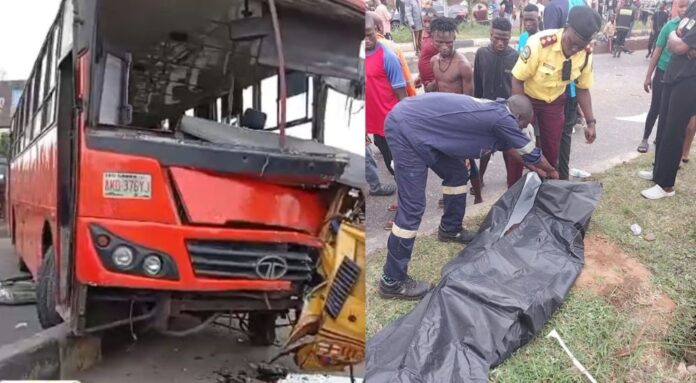
The Lagos State Traffic Management Authority (LASTMA) said the crash occurred early Sunday morning opposite Olabode House, between the Anthony and Obanikoro bus stops. Preliminary findings indicated that a red Tata commercial bus traveling from the Palmgroove area toward Anthony lost control at high speed, crossed the median barrier and slammed into a Volkswagen commercial bus heading in the opposite direction.

The adult woman died at the scene, while the infant later succumbed to injuries sustained in the collision, LASTMA said, describing the incident as “a collective moment of grief for parents and all people of conscience.”

Rescue Effort and Medical Response

LASTMA operatives, working alongside bystanders, carried out an emergency rescue as mangled vehicles blocked the roadway. Ten people — including both drivers — were pulled from the wreckage with serious injuries. Officials said six victims were rescued from the Volkswagen bus and four from the Tata bus.

The injured were transported to nearby hospitals by the Lagos State Ambulance Service (LASAMBUS). The bodies of the deceased were recovered by the State Environmental Health Monitoring Unit (SEHMU), while officers from the Ilupeju Police Division secured the scene and managed traffic during the operation.

Authorities Cite Speed, Mechanical Failure

LASTMA said early indications pointed to excessive speed and possible mechanical failure, underscoring persistent safety concerns on Ikorodu Road, a major artery linking central Lagos with its eastern suburbs.

LASTMA General Manager Olalekan Bakare-Oki expressed condolences to the victims’ families, singling out the infant’s mother, who survived but sustained severe injuries. He urged motorists — particularly commercial drivers — to observe speed limits and ensure regular vehicle inspections.

“Recklessness on the road remains a deadly menace with irreversible and devastating consequences,” Bakare-Oki said.

Fatal crashes involving commercial buses remain a recurring problem across Lagos, Africa’s most populous city, where heavy traffic, aging vehicles and enforcement gaps collide daily. Ikorodu Road has long been flagged by transport experts as a high-risk corridor due to congestion, frequent speeding and limited separation between opposing traffic flows.

Road safety advocates say the crash highlights the urgent need for stricter enforcement of speed regulations, improved vehicle roadworthiness testing and expanded use of median barriers designed to withstand high-impact collisions. Public education campaigns alone, experts warn, have proven insufficient without consistent penalties for violations.

LASTMA said it remains committed to reducing fatalities through proactive traffic control, faster emergency response and sustained public awareness efforts, stressing that preventing deaths on Lagos roads must remain a non-negotiable priority.

Gunmen Abduct More Than 20 Worshippers From Church in Nigeria’s Kogi State

0

Gunmen stormed a church in Nigeria’s Kogi State during a worship service on Sunday, abducting more than 20 worshippers and killing at least one person, in the latest attack to heighten fears over deteriorating security across parts of the country’s north-central region.

The assailants struck the First Evangelical Church Winning All, or ECWA, in the rural community of Ayetoro Kiri in Kabba/Bunu Local Government Area as congregants gathered for worship, local residents said. Witnesses said the attackers fired sporadically inside and around the church, triggering panic as worshippers fled in different directions.

Sahara Reporters quoted local sources as saying that while many congregants escaped, an undisclosed number were seized by the gunmen, who later withdrew through nearby bush paths. The community, normally quiet, was thrown into chaos as residents scrambled to account for missing relatives.

The news outlet earlier reported that one worshipper, identified only as JayJay, was killed during the attack. Authorities have not publicly confirmed the death toll.

The abduction is the second reported attack on a church in the Okun-speaking area of Kogi State in recent weeks, deepening anxiety among residents and religious leaders who say rural communities have become increasingly vulnerable.

On Nov. 30, armed men attacked a Cherubim and Seraphim Church in Ejiba, in neighboring Yagba West Local Government Area, abducting a cleric known as Orlando and about 13 worshippers during a service, according to residents and Christian advocacy groups. Families later said the kidnappers initially demanded 500 million naira in ransom before reducing the demand to 200 million naira and issuing threats if the money was not paid.

Residents said Ayetoro Kiri itself had been targeted roughly three weeks earlier, when armed men attempted to attack a local school. On that occasion, a community vigilante group repelled the assailants, preventing abductions.

Government Response and Regional Tensions

The Kogi State government confirmed the latest church attack in a statement issued in the state capital, Lokoja. Commissioner for Information Kingsley Fanwo described the assault as unacceptable and said security agencies had been mobilized to pursue the attackers and rescue those abducted.

The violence came less than 24 hours after gunmen staged another attack along the Isanlu Makutu–Idofin corridor in Yagba East Local Government Area, where travelers were reportedly forced to abandon vehicles, with several people kidnapped and others robbed.

Residents said the back-to-back incidents have disrupted daily life, with families staying indoors, churches suspending gatherings and motorists avoiding key roads after reports of gunmen hiding in nearby bushes.

Broader Pattern of Church Abductions

Nigeria-based Christian advocacy group Persecution.org earlier reported that armed attackers raided Ejiba during a church service, abducting a pastor, his wife and several worshippers from a newly established congregation. Eyewitnesses cited by the group said the attackers surrounded the church shortly after the service began, forcing congregants to scatter into surrounding bushland.

International Christian Concern, or ICC, and other monitoring organizations say such attacks have become increasingly common, particularly in north-central and northwestern Nigeria, where security presence is thin and rural communities are exposed.

According to Open Doors’ 2024 World Watch List, more than 4,100 Christians were abducted in Nigeria last year, the highest number recorded globally. Data compiled by Nigerian and international groups indicate that more than 20,000 Christians have been kidnapped since 2014, many during raids on villages and places of worship.

Nigerian authorities have repeatedly rejected claims that Christians are being targeted because of their faith, maintaining that the violence is driven by criminal banditry and kidnappings for ransom that affect communities across religious lines.

Security analysts say attacks on churches reflect a tactical calculation by armed groups, who often strike during worship services when people are gathered in large numbers and security is minimal. Rural churches, especially newer congregations, are seen as soft targets.

The repeated assaults in Kogi and neighboring states have intensified calls for stronger protection of worship centers and better coordination between formal security forces and local vigilante groups. Residents say patrols often fluctuate, leaving communities to rely on informal warning networks.

As families in Ayetoro Kiri and Ejiba await word on the fate of their loved ones, the attacks add pressure on state and federal authorities to curb kidnappings that have spread across Plateau, Kaduna, Benue, Niger and Kogi states. For many communities, the fear is no longer whether an attack will happen, but when.

SaharaReports/Persecution.org

Colombian School Bus Plunges Into Ravine, Killing at Least 16 Students Returning from Caribbean Educational Trip

0

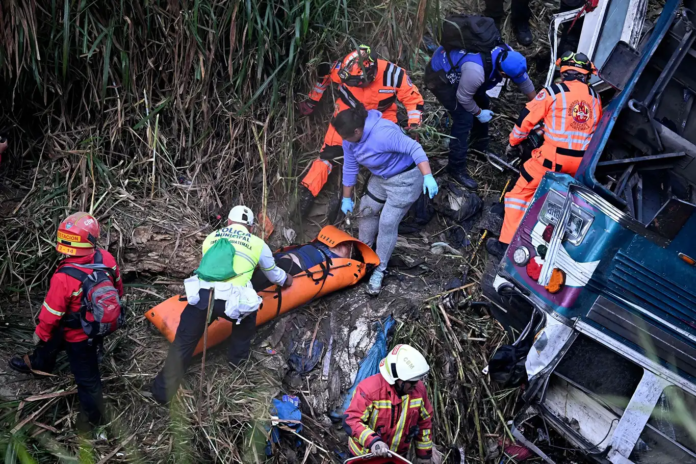
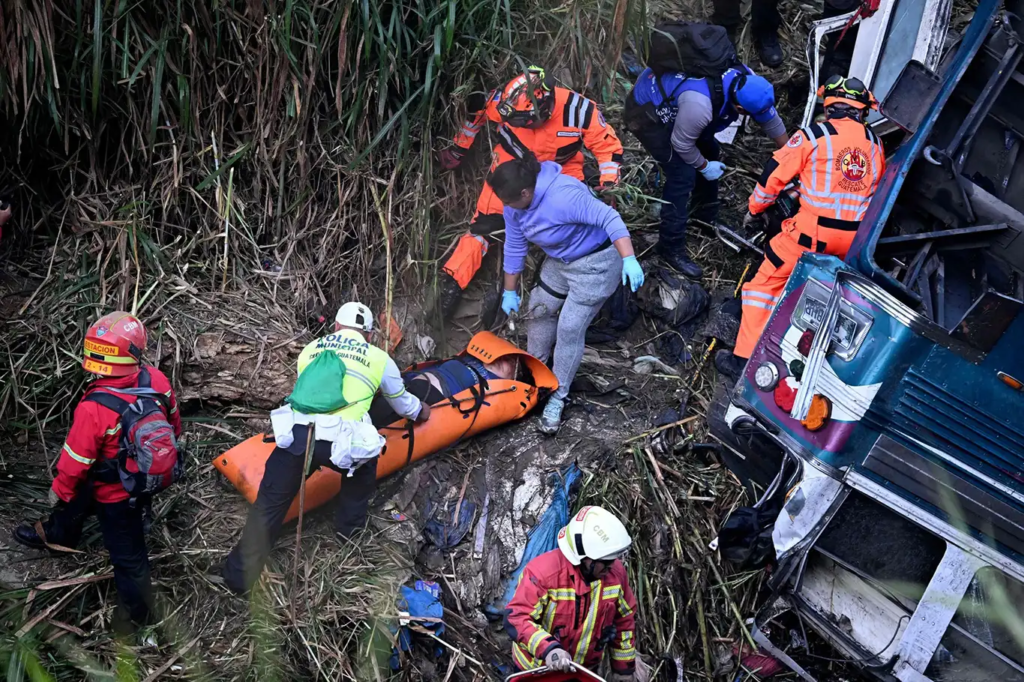
MEDELLIN, Colombia — At least 16 people perished and more than 20 sustained injuries after a tourist bus transporting schoolchildren plunged off a cliff into a ravine in northern Colombia on Sunday, transforming what should have been a joyful return from an educational Caribbean excursion into one of the nation’s deadliest transportation disasters in recent years.

Reuters detailed that the governor of Antioquia, Andres Julian Rendon, disclosed via a post on X that the bus was traveling from the Caribbean coastal town of Tolu to Medellin following a school trip organized by Antioqueño High School. The vehicle was navigating the treacherous mountainous terrain when it lost control on the road leading to the municipality of Segovia, a route notorious for its dangerous curves and steep drop-offs.

The Colombian newspaper El Tiempo chronicled how the accident occurred in the department of Antioquia, with preliminary data suggesting the tourist bus was carrying between 35 and 45 people when it departed the roadway and plummeted into the cliff. The discrepancy in passenger counts reflects the chaotic nature of emergency response in remote mountainous areas where accurate accounting proves difficult amid urgent medical evacuations.

“Until now, there are more than 10 dead and 20 injured,” Rendon initially announced as rescue operations commenced and casualty figures remained fluid. “The whole hospital network is ready to attend and support this emergency,” he emphasized, mobilizing Colombia’s medical infrastructure to handle the surge of trauma patients arriving from the remote accident site.

As rescue operations progressed throughout the day, the grim reality of the tragedy’s scale became increasingly apparent. Ilkha.com documented that the death toll had climbed to at least 16 people killed with more than 20 injured, as emergency responders continued extracting victims from the wreckage scattered across the steep ravine where the bus came to rest after its violent descent.

“The entire hospital complex has been activated to provide assistance in this emergency situation,” Governor Rendon conveyed on social network X, formerly Twitter, coordinating governmental response across multiple medical facilities. The mobilization encompassed hospitals in the nearby municipalities of Segovia and Remedios, as well as larger trauma centers in Medellin equipped with specialized surgical capabilities for the most critically injured patients.

Rescue services were immediately dispatched to the scene following emergency calls from witnesses, and crews continued working through the wreckage well into Sunday evening. The recovery operation faced significant challenges due to the remote location, steep terrain, and the structural damage to the vehicle that made accessing trapped victims extraordinarily difficult even for experienced rescue professionals.

Dozens of injured individuals were urgently transported to medical facilities in Segovia and Remedios, straining the capacity of these smaller regional hospitals suddenly confronted with multiple trauma patients requiring immediate surgical intervention, blood transfusions, and intensive care monitoring. Medical helicopters shuttled the most severely injured to Medellin’s larger hospitals, where specialized trauma teams stood ready to receive them.

The accident highlights persistent safety challenges on Colombia’s mountainous roads, where buses frequently navigate narrow passages carved into steep hillsides without guardrails or other protective infrastructure. The routes connecting Colombia’s Caribbean coast to interior cities like Medellin traverse some of the nation’s most challenging terrain, where mechanical failures, driver error, or adverse weather conditions can produce catastrophic consequences.

School trips represent important educational experiences for Colombian students, many of whom have limited opportunities to travel beyond their immediate regions. The Antioqueño High School’s excursion to the Caribbean coastal town of Tolu would have provided students exposure to different ecosystems, cultures, and historical sites unavailable in their mountain homeland, making the tragedy particularly poignant as an enriching experience transformed into devastating loss.

The concentration of casualties among school-age children amplifies the tragedy’s impact on the Antioquia community, where multiple families simultaneously confront the loss of young lives that represented future promise. The grief extends beyond immediate family members to encompass classmates, teachers, and the broader educational community that rallies around Antioqueño High School during this period of mourning.

Investigators will likely examine multiple factors that may have contributed to the accident, including vehicle maintenance records, driver training and experience, road conditions at the accident location, weather circumstances at the time of the incident, speed, and whether the bus was operating within legal passenger capacity limits. The tourist bus designation suggests the vehicle may have been chartered specifically for the school group rather than operating as regular public transportation, raising questions about oversight and safety standards for such charter operations.

Colombia’s road safety record reflects broader infrastructure challenges facing the nation, where many rural routes remain unpaved or poorly maintained, lacking modern safety features like crash barriers, adequate warning signs, or proper lighting that could prevent vehicles from departing roadways. The mountainous geography that defines much of Colombia’s landscape creates inherently dangerous driving conditions that claim hundreds of lives annually in similar accidents.

Emergency response coordination between municipal, departmental, and national authorities demonstrated the mobilization capacity of Colombian governmental institutions when confronted with major disasters. The rapid deployment of medical resources from Medellin to the remote accident site reflects logistical planning and inter-agency cooperation essential for managing mass casualty incidents in challenging geographic environments.

For surviving students and chaperones, the psychological trauma of witnessing classmates’ deaths and experiencing their own near-death terror during the plunge into the ravine will require extensive counseling and mental health support. The long-term emotional scars from such traumatic events often manifest in post-traumatic stress disorder, survivor’s guilt, and anxiety that can persist for years without proper therapeutic intervention.

The ongoing rescue operations throughout Sunday faced multiple complications including the steep terrain where the bus came to rest, potential instability of the wreckage that could shift and endanger rescue workers, and the emotional toll on first responders who must navigate the distressing scene of young victims while maintaining professional focus on extraction and medical stabilization.

As families gathered at hospitals awaiting word about their children’s conditions, local officials worked to establish victim identification protocols and family notification procedures. The process of confirming identities and notifying next of kin proceeded carefully, as authorities sought to prevent the additional trauma of misinformation or premature announcements before proper verification could occur.

The accident investigation will unfold over coming weeks as Colombian transportation authorities work to reconstruct the precise sequence of events that led to the bus departing the roadway. Black box data if available, witness statements from survivors and bystanders, physical evidence from the crash site, and mechanical examination of the vehicle’s braking, steering, and other critical systems will all contribute to determining causation and potential liability.

Colombia has experienced numerous similar bus accidents on its dangerous mountain roads over recent decades, prompting periodic calls for enhanced safety regulations, improved road infrastructure, and stricter enforcement of vehicle maintenance standards. However, the economic costs of upgrading thousands of kilometers of rural mountain roads and the practical challenges of enforcing safety regulations across dispersed geographic areas have limited the effectiveness of reform efforts.

As Colombia mourns another transportation tragedy, questions will intensify about what additional safety measures might prevent similar disasters on the nation’s dangerous mountain roads where buses carrying precious cargo of children regularly traverse routes where mechanical failure or momentary inattention can result in catastrophic loss of life. The Antioqueño High School community faces the difficult task of honoring the memory of lost students and teachers while supporting survivors and grieving families through the long recovery process ahead.

ilkha/Reuters/Eltiempo

Police Clash With Youths in Tunisia’s Kairouan After Man’s Death Sparks Unrest

0

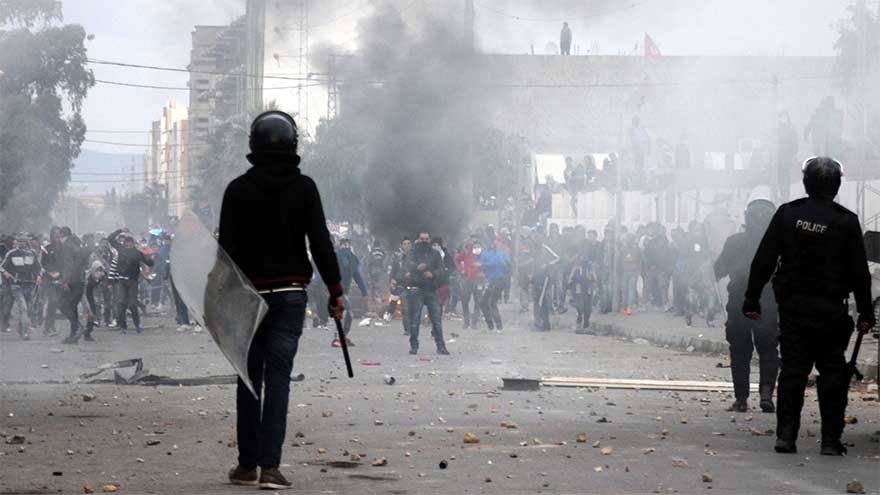
Police clashed for a second consecutive night with groups of youths in the central Tunisian city of Kairouan after the death of a man following a police chase, heightening fears among authorities that localized unrest could spread nationwide ahead of the anniversary of the country’s 2011 revolution.

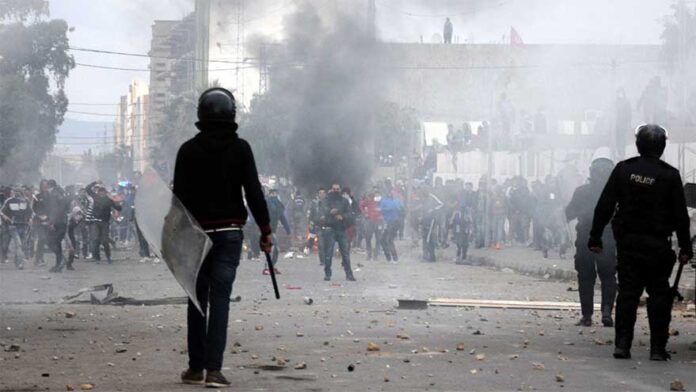
Witnesses said confrontations erupted late Saturday as demonstrators hurled stones, petrol bombs and flares at security forces while setting fire to tyres and blocking streets. Police responded by firing tear gas in an effort to disperse the crowds.

Relatives of the deceased man said he was riding a motorcycle without a license when police pursued him, beat him and transported him to a hospital. The family said he later fled medical care and died Friday from a head injury. Authorities were not immediately available to comment on the allegations.

The man’s relatives warned that protests would intensify unless those responsible were held accountable. In an effort to calm tensions, Kairouan’s governor visited the family Saturday evening and pledged to open an investigation into the circumstances surrounding the death, according to witnesses.

The unrest comes as Tunisia braces for heightened political tensions linked to the January anniversary of the 2011 uprising that toppled longtime autocrat Zine El Abidine Ben Ali and ignited the Arab Spring. Protests have already flared in several parts of the country amid mounting economic hardship, rising unemployment and public anger toward the government.

In the southern city of Gabes, thousands have been demonstrating for weeks, demanding the closure of a chemical plant they blame for environmental damage and health risks. The powerful UGTT labor union has also called for a nationwide strike next month, further raising the stakes for President Kais Saied’s government.

Saied dissolved parliament and began ruling by decree in 2021, saying the move was necessary to dismantle corruption and fix state dysfunction. Opposition parties and rights groups, however, have denounced the move as a power grab that reversed Tunisia’s democratic gains.

Meanwhile, activists and opposition figures from across Tunisia’s fractured political landscape staged a rare unified protest in the capital, denouncing Saied’s rule and demanding the restoration of democratic institutions.

Hundreds marched through central Tunis carrying portraits of jailed politicians, journalists and civil society figures, turning the demonstration into the latest in a series of weekly rallies challenging Saied’s authority. Protesters described the moment as a turning point, with long-divided political groups rallying around shared opposition to what they call one-man rule.

“Today, all opposition is in prison,” protester Noura Amaira said. “The machine of dictatorship has spared no one, so unity in the streets has become a necessity, no longer a choice.”

Rights groups accuse Saied of using the judiciary and security forces to silence dissent, describing Tunisia as an “open-air prison.” Saied has rejected the accusations, saying he is targeting traitors and corrupt elites undermining the state.

A court on Friday sentenced prominent opposition figure Abir Moussi to 12 years in prison, a ruling rights groups said underscored the shrinking space for political dissent. Last month, an appeals court handed down prison terms of up to 45 years to dozens of opposition leaders, lawyers and business figures accused of plotting against the president.

Police have also arrested several high-profile opposition figures in recent weeks, sparking condemnation from international and local human rights organizations. Authorities have additionally suspended the activities of multiple civil society groups over alleged foreign funding.

The clashes in Kairouan reflect a broader pattern of unrest driven by economic frustration and political repression, particularly among young Tunisians who were once the backbone of the 2011 revolution. Analysts say deaths linked to police encounters often act as flashpoints in Tunisia, reviving long-standing grievances over accountability and the use of force.

The convergence of localized unrest, organized labor action and unified opposition protests presents one of the most serious challenges yet to Saied’s rule. While security forces have largely maintained control, the risk of protests spreading beyond isolated cities is growing, especially as symbolic revolutionary anniversaries approach.

With inflation high and public services strained, Tunisia’s leadership faces increasing pressure at home and abroad to ease repression and offer a political roadmap. For now, however, the government has shown little sign of retreat, raising concerns that further confrontations between police and protesters may lie ahead.

Reuters

Sydney Man, Naveed Akram, Identified as Suspect in Bondi Beach Shooting That Killed 12 During Hanukkah Event

0

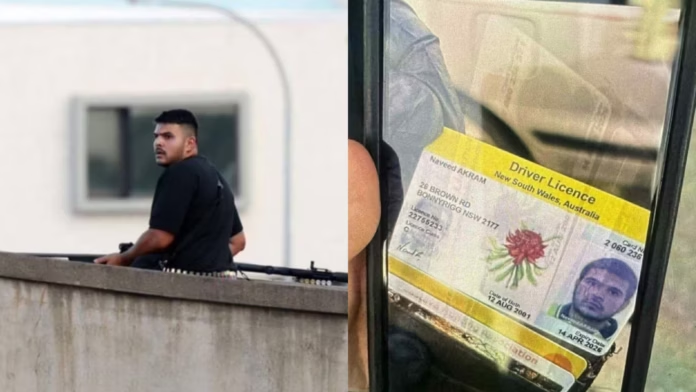
Australian law enforcement officials have identified one of the suspected gunmen in the deadly Bondi Beach attack as Naveed Akram, a man from Sydney’s southwest, as investigators pressed ahead Sunday with raids and forensic work following one of the city’s deadliest acts of violence in years.

A senior law enforcement official, speaking on condition of anonymity because the investigation is ongoing, said police were searching Akram’s residence in the suburb of Bonnyrigg late Sunday. Authorities have not publicly confirmed whether Akram was the suspect killed at the scene or the one taken into custody.

The attack unfolded hours earlier as a crowd gathered along the waterfront to mark the first night of Hanukkah, the eight-day Jewish festival commemorating perseverance and faith. At least 12 people were killed when gunfire erupted, according to police.

New South Wales police said one of the two suspected shooters was fatally shot during the incident, while the second was wounded and taken into custody in critical condition. Officials said the investigation remains fluid, with multiple agencies involved and counterterrorism units assisting local police.

NSW Police Commissioner Mal Lanyon said preliminary checks suggested one of the suspects had been previously known to authorities but did not have a significant criminal profile. “The person that we know has very, very little knowledge to the police,” Lanyon said. “So he’s not someone that we would have automatically been looking at at this time.”

Authorities have not publicly detailed a motive, and investigators cautioned against speculation as forensic teams examine weapons, digital devices and possible ideological links. Police said additional patrols had been deployed across Sydney, particularly around places of worship and large public gatherings, as a precaution.

Community leaders expressed shock and grief over the attack, which targeted a peaceful religious celebration in a popular public space. Jewish organizations across Australia condemned the violence and called for unity and restraint as the investigation continues.

The Bondi Beach shooting has reignited concerns in Australia over lone-actor violence and the challenge of identifying potential threats before attacks occur. Despite Australia’s strict gun laws, authorities acknowledge that detecting individuals who operate with minimal prior contact with law enforcement remains a significant obstacle.

The fact that police described the suspect as having little prior visibility underscores a recurring pattern seen in recent mass-casualty incidents globally, where attackers evade early detection because they lack extensive criminal histories. Security analysts say this complicates intelligence-driven prevention strategies and increases reliance on community reporting and behavioral warning signs.

The attack’s timing during Hanukkah has also heightened fears within Australia’s Jewish community, which has reported rising antisemitic incidents in recent years. While police have not confirmed whether the shooting was ideologically motivated, experts say investigators will closely examine whether the event was targeted or opportunistic.

As the investigation progresses, pressure is likely to mount on authorities to clarify how the suspects obtained weapons and whether any warning signals were missed. The tragedy has already prompted renewed debate about public-space security, online radicalization and the balance between civil liberties and preventative policing in Australia’s largest cities.

abc.net.au