Home Blog Page 136

Bangladeshi Court Convicts Exiled Former PM Hasina and UK Lawmaker Niece in Land Fraud Case

0

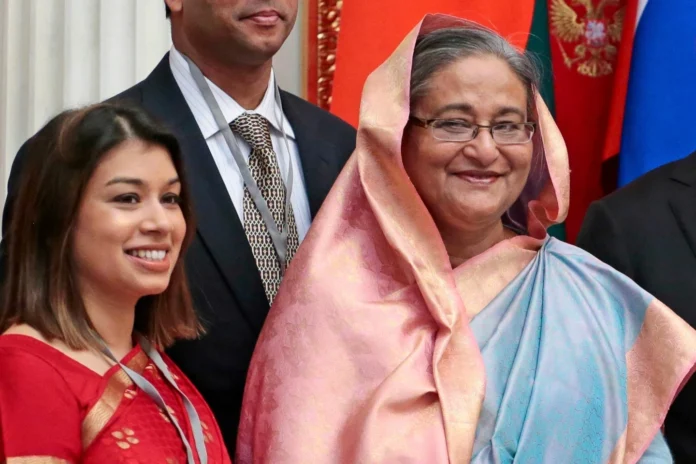
A Bangladeshi tribunal delivered prison sentences Monday to deposed Prime Minister Sheikh Hasina and her niece, British Labour Member of Parliament Tulip Siddiq, following convictions on corruption charges related to improper allocation of government-controlled land, intensifying legal troubles for the exiled former leader while creating diplomatic complications between Dhaka and London.

Judge Rabiul Alam of Dhaka’s Special Judge’s Court imposed a five-year prison term on Hasina for abuse of authority and handed down a two-year sentence to Siddiq for illicitly leveraging her family connections to secure favorable treatment in a state housing initiative. As quoted by the Associated Press, the judge determined that Hasina exploited her position as head of government while Siddiq stood guilty of “corruptly influencing her aunt” to benefit her mother and two siblings who sought property allocation within the government scheme.

The court reserved its harshest penalty for Siddiq’s mother, Sheikh Rehana, identifying her as the principal actor in the conspiracy and sentencing her to seven years imprisonment. The tribunal additionally levied fines of $813 against each of the three convicted family members and nullified the land allocation that sparked the investigation. Fourteen additional defendants await judgment in the sprawling case that has exposed the intersection of political power and personal enrichment within Bangladesh’s former administration.

Khan Mohammed Mainul Hasan, serving as prosecutor for the nation’s corruption monitoring agency, expressed disappointment that the court declined to impose the maximum penalties his office had recommended. “We expected life sentences, (but) that did not happen. We will consult with the commission for our next course of action,” he stated, signaling potential appeals or supplementary charges may follow.

The prosecution’s case centered on allegations that family members exploited Hasina’s governmental authority to circumvent standard procedures and secure valuable real estate within a township development project. Authorities presented documentation they claimed proved Siddiq’s Bangladeshi citizenship, including what they described as her passport, national identity card, and taxpayer identification number. However, Siddiq has forcefully contested these assertions, maintaining she holds exclusively British nationality and lacks Bangladeshi citizenship status.

Siddiq, who represents the Hampstead and Highgate constituencies in London for the Labour Party, previously characterized the proceedings as a politically motivated prosecution lacking legitimate foundation. She described the trial as “a farce built on fabricated accusations and driven by a clear political vendetta,” suggesting her family’s prominence made them targets for the interim government seeking to demonstrate accountability after Hasina’s ouster.

The controversy surrounding these allegations created untenable pressure on Siddiq’s position within Prime Minister Keir Starmer’s Cabinet. In January, she resigned from her role as economic secretary to the Treasury despite asserting that internal reviews had exonerated her of misconduct. Siddiq explained her departure by noting the intensifying scrutiny had become “a distraction from the work of the government,” prioritizing her party’s political stability over her ministerial career.

The conviction represents merely the latest legal setback for Hasina, who faces an escalating series of criminal proceedings stemming from her government’s violent response to mass demonstrations that ultimately ended her decade-and-a-half grip on power. The Associated Press reported that a separate tribunal sentenced Hasina to death in November on crimes against humanity charges connected to the brutal suppression of protesters during last year’s uprising that forced her from office. She currently resides in exile across the border in India, where she fled as her government collapsed amid overwhelming public opposition.

All proceedings against Hasina have been conducted in absentia, with the former prime minister declining to participate in Bangladesh’s judicial system or appoint legal representation to contest the charges. Neither Hasina nor the other defendants in Monday’s case retained defense attorneys, effectively conceding the tribunal’s jurisdiction while denying its legitimacy through their absence and silence.

This land corruption case exists within a broader pattern of legal action targeting Hasina’s financial dealings during her tenure. According to the Associated Press, a different court on November 27 handed down sentences totaling 21 years imprisonment against Hasina across three separate cases all involving the same township development scheme. That ruling also ensnared her son and daughter, each receiving five-year prison terms for their alleged roles in the property fraud network.

Sheikh Rehana remains outside Bangladesh’s borders, while Siddiq’s two siblings have likewise positioned themselves abroad as they confront additional charges related to the suppression of last year’s democratic uprising. The family’s geographic dispersal ensures that none of the convicted individuals face immediate risk of incarceration, transforming the sentences into symbolic judgments rather than practical punishments unless circumstances change dramatically.

The convictions carry significant implications beyond the immediate family drama, potentially straining diplomatic relations between Bangladesh and the United Kingdom. Siddiq’s status as a sitting Member of Parliament creates an unusual situation where a lawmaker in one of the world’s oldest democracies faces criminal conviction in her ancestral homeland. British authorities have not indicated whether they view Bangladesh’s proceedings as legitimate or might challenge any attempts to enforce the judgment should Siddiq travel to regions where Bangladeshi legal authority could theoretically reach her.

The case also highlights the complex question of citizenship and jurisdiction in an increasingly globalized world where prominent individuals maintain connections to multiple nations. Bangladesh’s assertion that Siddiq holds citizenship in the country directly contradicts her self-identification as exclusively British, raising questions about whether states can unilaterally claim jurisdiction over individuals who reject such connections. International legal experts note that some countries assign citizenship based on parentage regardless of an individual’s residence or personal identification, creating situations where people face legal obligations to governments they may never have actively engaged with.

For Bangladesh itself, the prosecutions represent part of a broader reckoning with the Hasina era and attempts by the interim administration to demonstrate a clean break from the alleged corruption and authoritarianism that characterized her rule. Nobel Peace Prize laureate Muhammad Yunus now heads the caretaker government tasked with steering the country toward fresh elections scheduled for February, providing an opportunity for voters to determine their political direction after months of upheaval and uncertainty.

Yunus, celebrated internationally for pioneering microfinance initiatives that earned him the Nobel honor, faces the delicate challenge of maintaining stability while ensuring the prosecution of former government officials proceeds according to legal standards rather than revenge impulses. The interim leader must balance demands for accountability from protesters who risked their lives opposing Hasina’s government against concerns that excessive prosecution could appear vindictive or politically motivated, potentially undermining Bangladesh’s democratic transition.

The February parliamentary election will serve as a referendum on whether Bangladeshis believe the post-Hasina order represents genuine reform or merely reshuffled power dynamics. The corruption convictions announced Monday may influence voter sentiment by validating protesters’ complaints about systemic dishonesty within the previous administration, or alternatively could spark backlash if citizens perceive the legal proceedings as unfair show trials designed to eliminate political competition.

International observers are closely monitoring Bangladesh’s judicial actions to assess whether the country’s institutions can deliver impartial justice or whether courts have become instruments of political warfare. The death sentence previously imposed on Hasina for crimes against humanity, combined with multiple lengthy prison terms for financial crimes, suggests either an extraordinarily corrupt former government or an overzealous prosecution apparatus willing to pile charges upon charges regardless of proportionality considerations.

The involvement of a British parliamentarian adds an unusual international dimension to what might otherwise be treated as a domestic Bangladeshi matter. Siddiq’s conviction could influence how Western governments view Bangladesh’s judicial independence, particularly if they conclude the prosecution targeted her primarily because of family connections rather than personal culpability. Conversely, if evidence substantiates the charges, it may raise uncomfortable questions about how thoroughly British political parties vet candidates who maintain connections to governments facing corruption allegations.

For Siddiq personally, the conviction creates professional complications even if she never faces practical consequences. Opposition parties may weaponize the judgment during future election campaigns, while her Labour colleagues might privately question whether her continued presence creates political vulnerabilities. The two-year sentence, while relatively modest, carries the stigma of criminal conviction that could shadow her political career indefinitely regardless of whether she considers Bangladesh’s proceedings legitimate.

The case underscores how political upheaval in one nation can create ripple effects across borders, entangling foreign nationals and complicating diplomatic relationships. Hasina’s dramatic fall from power transformed from domestic Bangladeshi crisis into international incident touching British politics, Indian refugee policy, and global discussions about authoritarian governance and accountability.

As Bangladesh approaches its February elections, the legal proceedings against Hasina and her relatives will likely feature prominently in campaign rhetoric. Candidates may position themselves either as champions of justice determined to hold corrupt officials accountable or as voices of reconciliation warning against excessive prosecution that prevents national healing. The convictions announced Monday ensure that Hasina’s legacy will remain a contested battleground rather than settled history, with profound implications for Bangladesh’s democratic trajectory.
Netanyahu Seeks Presidential Pardon While Corruption Trial Continues, Sparking Constitutional Crisis

0

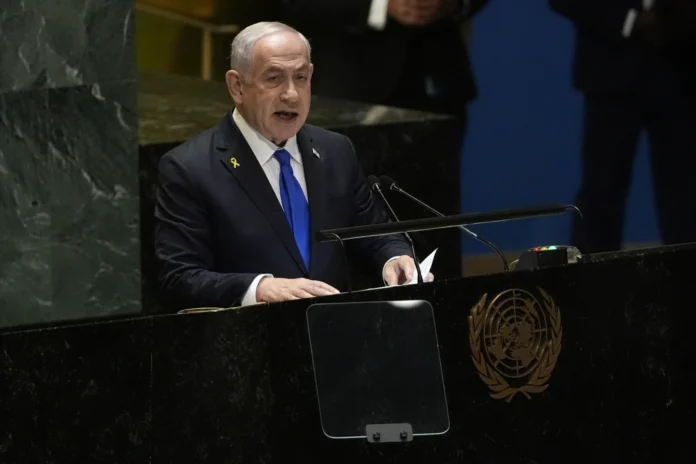
In an unprecedented move that threatens to deepen Israel’s constitutional tensions, Prime Minister Benjamin Netanyahu formally requested a presidential pardon on Sunday while his corruption trial remains active, breaking with decades of legal tradition and igniting a firestorm of criticism from opposition figures and legal experts who warn the gambit could undermine the nation’s democratic foundations.

According to Reuters and the Associated Press, the request, delivered to President Isaac Herzog’s office through Netanyahu’s legal team, marks the first time a sitting Israeli prime minister has sought clemency before a verdict has been rendered. Herzog’s office acknowledged receiving what it termed an “extraordinary request” carrying “significant implications,” signaling the delicate political minefield the president now must navigate.

Netanyahu’s attorneys framed their appeal around national unity rather than legal innocence, arguing that the prime minister’s thrice-weekly court appearances have become an untenable burden on governance during a period of regional transformation. The legal team suggested that Herzog possesses authority to intervene when public interest demands it, even as criminal proceedings continue.

“The continuation of the trial tears us apart from within, stirs up this division, and deepens rifts,” Netanyahu declared in a video statement released through his Likud party. He characterized the legal proceedings as an obstacle to effective leadership while emphasizing his electoral legitimacy through repeated victories at the ballot box.

Reuters reports that the timing of Netanyahu’s appeal carries particular significance given the geopolitical landscape. Israel has recently concluded military operations that significantly degraded Hamas and Hezbollah capabilities, while conducting strikes against Iranian military infrastructure. Netanyahu’s supporters argue that his leadership during these conflicts demonstrates his indispensability, while critics contend that the pardon request represents a calculated attempt to escape accountability precisely when his political capital appears strongest.

What makes this maneuver especially controversial is Netanyahu’s refusal to acknowledge any wrongdoing despite seeking clemency. His lawyers explicitly stated their belief that the trial would ultimately result in complete acquittal, creating a legal paradox that experts say violates the spirit of Israel’s pardon system. Traditionally, presidential pardons have been granted only after convictions, with applicants demonstrating remorse and accepting responsibility for their actions.

Emi Palmor, who previously served as director-general of the Justice Ministry, dismissed the legal viability of Netanyahu’s approach. She explained that seeking a pardon while simultaneously maintaining innocence creates an impossible contradiction within Israel’s legal framework. The only mechanism to halt ongoing proceedings, Palmor noted, would require the attorney general to withdraw charges entirely, not presidential intervention.

The prosecution’s case against Netanyahu centers on allegations that he exchanged governmental favors with wealthy media figures and businessmen in return for positive coverage and luxury gifts. Charges include bribery, fraud, and breach of trust across three separate but interconnected cases dating back to 2019. Netanyahu has consistently characterized these proceedings as a coordinated campaign by hostile elites within the judiciary, law enforcement, and media establishment.

Opposition leader Yair Lapid issued a sharp rebuke, insisting that any pardon must be contingent upon three conditions: admission of guilt, genuine remorse, and immediate retirement from political life. Lapid’s position reflects broader concerns among Netanyahu’s critics that granting clemency without accountability would establish a dangerous precedent suggesting certain officials exist above legal constraints.

The pardon request arrives against the backdrop of explicit American pressure. AP stated that President Donald Trump publicly urged Herzog to grant clemency during a speech to Israel’s Knesset last month, later following up with a written communication describing the prosecution as “political, unjustified.” Trump’s intervention adds an international dimension to what would traditionally be a domestic legal matter, potentially complicating Herzog’s decision-making process.

Herzog, who previously competed against Netanyahu politically but has maintained a professional working relationship as president, now faces perhaps the most consequential decision of his largely ceremonial tenure. His office announced that the request would be forwarded to the Justice Ministry’s pardons department for expert opinions before returning to the presidential legal adviser for a formal recommendation.

This procedural pathway presents its own complications. Justice Minister Yariv Levin, a Likud party member and close Netanyahu ally, will oversee the ministry’s review process, raising questions about whether the evaluation can remain impartial. Coalition partners including National Security Minister Itamar Ben-Gvir and Finance Minister Bezalel Smotrich have already issued statements supporting the pardon, creating political pressure on Herzog from multiple directions.

The legal community remains deeply divided. Some constitutional scholars argue that presidential pardon authority includes discretion to act before conviction in extraordinary circumstances, while others insist that exercising such power would fundamentally compromise the separation of powers doctrine. The Israel Democracy Institute warned earlier this month that pre-conviction pardons “threaten the rule of law and seriously undermine the principle of equality before the law.”

Netanyahu’s current predicament stands in stark contrast to his earlier positions on political corruption. In 2008, when serving as opposition leader, he demanded that Prime Minister Ehud Olmert resign amid corruption allegations, declaring that a leader “up to his neck” in scandal lacked legitimacy to govern. Olmert ultimately stepped down before indictment and later served 16 months in prison. Netanyahu has adopted a markedly different approach to his own legal troubles, consistently positioning himself as a victim rather than accepting accountability.

The prime minister’s judicial reform initiative, launched shortly after forming his current government in late 2022, further complicates the pardon request. Netanyahu’s plan to restructure the court system triggered massive street protests, with critics alleging he sought to weaken judicial oversight while facing trial, creating an inherent conflict of interest. Some analysts have suggested that the resulting domestic turmoil projected weakness that may have emboldened Hamas to launch its October 7, 2023 attacks.

Public reaction has fractured along predictable political lines. Jerusalem resident Lior Gal expressed support for the pardon, suggesting that concluding the legal saga would promote national unity. Conversely, former deputy military chief Yair Golan called for Netanyahu’s resignation and urged Herzog to reject the clemency appeal. A small demonstration materialized outside Herzog’s residence Sunday evening, featuring bananas arranged with a sign equating pardons with banana republics.

The Movement for Quality Government in Israel issued a statement warning that granting clemency to a prime minister facing serious charges would communicate that certain citizens operate above legal constraints, fundamentally compromising democratic equality. This concern resonates particularly given Israel’s identity as the Middle East’s only functioning democracy, where the rule of law theoretically applies uniformly regardless of political power.

Herzog’s decision will likely extend beyond the immediate legal questions to shape Israel’s constitutional order for generations. If he grants the pardon, he establishes precedent that sitting leaders can escape accountability for alleged crimes committed in office. If he denies the request, Netanyahu may intensify his confrontation with Israel’s legal establishment, potentially destabilizing the government during a sensitive regional period.

The pardon process cannot halt the trial proceedings, according to legal experts, meaning Netanyahu will continue facing court appearances regardless of Herzog’s ultimate decision. This reality suggests the clemency request functions as much as a political statement as a legal strategy, allowing Netanyahu to frame himself as persecuted while building public support for eventual intervention.

Netanyahu’s longevity in Israeli politics—first elected prime minister in 1996 and currently serving his sixth term—has made him one of the nation’s most polarizing figures. Polling indicates his right-wing coalition would struggle to maintain power in elections currently scheduled for October 2026, adding urgency to his efforts to resolve the legal challenges before facing voters again.

The corruption trial’s impact on Netanyahu’s governance capabilities remains contested. While he argues that courtroom obligations prevent effective leadership, critics note that he managed to oversee complex military operations against multiple adversaries while simultaneously appearing for testimony. The tension between these narratives will likely influence public opinion as Herzog deliberates.

International observers are watching closely, recognizing that Israel’s handling of this constitutional crisis could influence democratic norms across other nations facing similar tensions between political power and legal accountability. The outcome may determine whether democratic systems can maintain judicial independence when confronting leaders who command significant popular support despite facing serious allegations.

Herzog faces an impossible balancing act: honoring the rule of law while considering Netanyahu’s arguments about national interest, respecting presidential pardon powers while avoiding the appearance of political favoritism, and maintaining Israel’s democratic credibility while navigating intense domestic and international pressure. His decision, whatever form it takes, will define his presidential legacy and potentially reshape Israeli governance for decades to come.

The coming weeks will reveal whether Israel’s institutions can withstand this stress test of democratic accountability, or whether political expediency will triumph over established legal principles in a nation still grappling with the trauma of the October 7 attacks and their aftermath.

Sources: Reuters/Associated Press

California Shooting Leaves 4 Dead, 10 Injured as Investigators Probe Possible Targeted Attack

0

A family celebration at a banquet hall in Stockton, California, descended into chaos Saturday evening when gunfire tore through the gathering, leaving four people dead and ten others wounded, according to authorities who are now investigating whether the attack was targeted.

The victims

The shooting unfolded just before 6 p.m. on the 1900 block of Lucile Avenue, where the San Joaquin County Sheriff’s Office responded to reports of multiple victims both inside and around the banquet facility. Sheriff’s spokesperson Heather Brent told NBC News at the scene that the event was a family celebration, later described by Stockton Vice Mayor Jason Lee as a child’s birthday party.

Brent said the victims ranged from children to adults, calling the attack “unfathomable” given the presence of young children among the injured. Officials have not publicly released ages, conditions or genders of the victims. Several of the wounded were transported to area hospitals shortly after deputies arrived.

Authorities have not identified the shooter, and the sheriff’s office said no suspect was in custody as of Saturday night. “Our No. 1 priority right now is identifying the suspect in this incident,” Brent said, adding that early evidence suggested the shooting “may be a targeted incident.” The Associated Press reported similar findings based on statements from Saturday night’s news briefing.

The FBI, Stockton police and multiple law enforcement agencies are assisting the sheriff’s office in processing the scene and combing through witness accounts. Investigators have not determined whether the shots were fired inside the banquet hall or from outside. San Joaquin County District Attorney Ron Freitas urged the public to come forward with any information, telling residents, “If you have any information as to this individual, reach out immediately. If you are this individual, turn yourself in immediately.”

California Gov. Gavin Newsom’s office said on X that he had been briefed on the “horrific shooting,” adding that the Governor’s Office of Emergency Services was actively coordinating with local authorities.

Stockton, a city of roughly 320,000 people located 40 miles south of Sacramento, has struggled with repeated surges in gun violence in recent years. While investigators have not announced a motive, local officials warned that the shooting reflects a deeper pattern of disputes spilling into public and family spaces.

Mayor Christina Fugazi said the tragedy underscored the emotional toll gun violence has placed on the city. “Families should be together instead of at the hospital, standing next to their loved one, praying that they survive,” she said.

The Stockton shooting marks one of the deadliest mass-casualty incidents in California this year, intensifying conversations among local leaders about the vulnerability of private family gatherings to retaliatory attacks or disputes that escalate rapidly. Law enforcement officials noted that banquet halls, often rented for birthdays, quinceañeras and community celebrations, have increasingly become locations where uninvited guests or personal conflicts lead to violence.

Security experts say the Stockton case fits a troubling national pattern: many shootings defined as “targeted” still produce mass casualties because family events bring together people of various ages and from multiple households. That dynamic increases the chance of unintended victims when gunfire erupts.

Authorities are expected to release additional details about the victims and the suspect as the investigation advances. For now, the sheriff’s office is urging anyone who witnessed the shooting or recorded cellphone video to contact investigators as they piece together what led to the deadly attack.

Trump Says Venezuelan Airspace Should Be Considered Closed, Stirring Confusion and International Concern

0

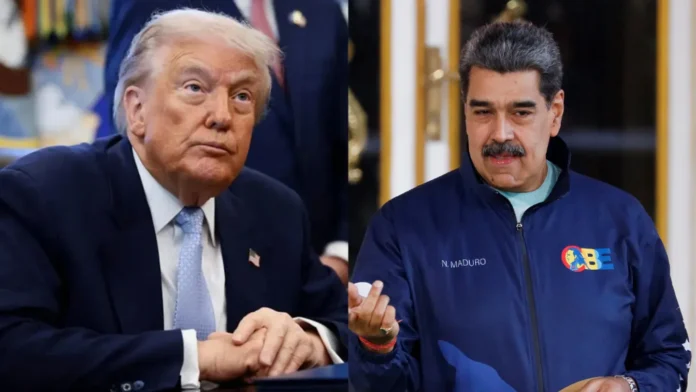
U.S. President Donald Trump declared Saturday that the airspace above and surrounding Venezuela should be considered “closed in its entirety,” stirring anxiety and confusion in Caracas as his administration ramps up pressure on President Nicolas Maduro’s government, though Trump provided no further details about the announcement’s practical meaning or implementation.

“To all Airlines, Pilots, Drug Dealers, and Human Traffickers, please consider THE AIRSPACE ABOVE AND SURROUNDING VENEZUELA TO BE CLOSED IN ITS ENTIRETY,” Trump wrote in a Truth Social post that caught U.S. officials by surprise and raised fundamental questions about whether the president was announcing new policy or simply reinforcing messaging around his campaign against Maduro.

U.S. officials contacted by Reuters expressed surprise at Trump’s announcement and stated they were unaware of any ongoing U.S. military operations to enforce a closure of Venezuelan airspace. The Pentagon did not respond to requests for comment and the White House did not provide any further explanation, according to Reuters reporting. The Associated Press similarly reported that the White House did not respond to questions about what Trump posted on his Truth Social platform.

Venezuela’s government responded Saturday afternoon with a statement condemning Trump’s comments and describing them as a “colonialist threat” against the South American country’s sovereignty and incompatible with international law. “The U.S. president’s post represents a hostile, unilateral and arbitrary act, incompatible with the principles of international law,” the Venezuelan government stated.

The lack of details about how such an airspace closure would be enforced, what legal authority would support it, and whether Trump was announcing actual policy or engaging in rhetorical pressure tactics left aviation authorities, military experts and diplomatic observers struggling to understand the announcement’s implications. The Associated Press reported it was unclear whether Trump was announcing new policy or simply reinforcing messaging around his campaign against Maduro, which has involved multiple strikes in the Caribbean Sea and eastern Pacific Ocean on small boats accused of ferrying drugs as well as a buildup of naval forces in the region.

David Deptula, a retired lieutenant general who commanded a no-fly zone over northern Iraq in 1998 and 1999, told Reuters that Trump’s announcement raises more questions than it answers. Imposing a no-fly zone over Venezuela could require significant resources and planning, depending on the goals of the airspace closure, he stated. “The devil’s in the details,” Deptula said, highlighting the operational complexities of enforcing airspace restrictions over a sovereign nation.

The Federal Aviation Administration’s jurisdiction is generally limited to the United States and its territories, according to reporting. The agency does routinely warn pilots about the dangers of flying over areas with ongoing conflicts or military activity around the globe, as it did earlier this month with Venezuela. The FAA works with other countries and the International Civil Aviation Organization on international issues. The FAA and ICAO did not immediately respond to requests for comment Saturday, according to reports.

Venezuelan Government Response and International Reaction

Venezuela’s Foreign Ministry issued a comprehensive response describing Trump’s declaration as a hostile act that forcefully rejects what it characterized as a “colonial threat” intended to undermine the country’s “territorial integrity, aeronautical security and full sovereignty,” according to the government statement.

The Venezuelan government said such declarations constitute “a hostile, unilateral and arbitrary act” that demonstrates U.S. “colonial ambitions” in Latin America, according to the statement reported by Reuters. The government called on the international community to reject what it described as an immoral act of aggression against Venezuelan sovereignty.

Iran, a Venezuelan ally that was bombed by the United States earlier this year, denounced Trump’s announcement as “a serious breach of international law and a threat to global aviation safety,” according to Iranian state news agency IRNA cited in reports.

Impact on Civilian Aviation and Deportation Flights

International airlines last week began canceling flights to Venezuela after the Federal Aviation Administration told pilots to be cautious flying around the country because of heightened military activity, according to reports. Venezuela subsequently revoked operating rights for six major international airlines that had suspended flights to the country after the FAA warning, demonstrating the escalating tensions affecting civilian aviation.

Caracas residents who spoke to Reuters criticized Trump’s announcement for its potential impact on their ability to travel. “I think it’s unfair because people need to travel to work, to do business, to see their family, and us Venezuelans aren’t at fault for these situations,” said Manuel Romero, a cooking assistant, according to Reuters. Carmen Castillo, a lawyer, told Reuters she worried that many people won’t be able to visit their families outside Venezuela for the holidays. “We’re confined, here in Caracas, in Venezuela. Of course it affects us,” she stated.

The Venezuelan government’s statement also indicated that Trump’s announcement amounted to a unilateral suspension of the migrant deportation flights on which nearly 14,000 Venezuelans have recently returned home from the U.S., according to the statement reported by Reuters. The Foreign Ministry said that U.S. immigration authorities had unilaterally suspended biweekly deportation flights of Venezuelan migrants. Following negotiations between the two governments, more than 13,000 Venezuelans have been deported to Venezuela this year on dozens of chartered flights, the latest of which arrived late Friday in Caracas, according to flight-tracking data cited in reports.

Massive Military Buildup in Caribbean Region

Trump’s airspace announcement comes amid what Reuters characterized as the largest buildup of U.S. firepower in the Caribbean region in generations. The USS Gerald R. Ford, America’s most advanced aircraft carrier, was sent to the area as part of “Operation Southern Spear,” which includes nearly a dozen Navy ships and about 12,000 sailors and Marines, according to reports.

U.S. forces have conducted bomber flights near Venezuela as part of the military buildup accompanying Trump’s pressure campaign against Maduro, according to Reuters reporting. The Trump administration has been weighing Venezuela-related options to combat what it has portrayed as Maduro’s role in supplying illegal drugs that have killed Americans. The socialist Venezuelan president has denied having any links to the illegal drug trade, according to reports.

Reuters has reported that options under U.S. consideration include an attempt to overthrow Maduro, and that the U.S. military is poised for a new phase of operations after the massive military buildup and nearly three months of strikes on suspected drug boats off Venezuela’s coast. The Associated Press reported that more than 80 people have been killed in such strikes since early September. Trump also has authorized covert CIA operations in the country, according to Reuters reporting.

Congressional Oversight and Military Strike Concerns

There are bipartisan calls for greater oversight of the U.S. military strikes against vessels in the region after The Washington Post reported that Defense Secretary Pete Hegseth issued a verbal order for all crew members to be killed as part of the Sept. 2 attack on suspected drug smugglers, according to reporting.

Republican Sen. Roger Wicker of Mississippi, chairman of the Senate Armed Services Committee, and its top Democrat, Rhode Island Sen. Jack Reed, said in a joint statement late Friday that the committee “will be conducting vigorous oversight to determine the facts related to these circumstances,” according to reports. The congressional interest reflects concerns about the legal and ethical dimensions of the military operations Trump has authorized against suspected drug trafficking vessels.

Trump’s Stated Plans for Land Operations

Trump told military service members earlier this week that the U.S. would “very soon” begin land operations to stop suspected Venezuelan drug traffickers, according to reports. This statement suggested potential ground operations beyond the naval strikes and aerial surveillance that have characterized U.S. operations in recent months, though no specifics were provided about timing, scope or objectives of such land-based missions.

The reference to land operations combined with Saturday’s airspace closure announcement creates picture of escalating U.S. military pressure on Venezuela, though the lack of coordination evident in officials being surprised by Trump’s announcement raises questions about whether announced policies reflect actual operational planning or primarily serve rhetorical purposes.

Venezuelan Government’s De-escalation Attempts

Maduro and high-ranking officials in his government, some combination of whom appear almost daily on state television, have decried U.S. imperialism in their recent comments but do not single out Trump by name, as the Venezuelan government may be trying to de-escalate tensions, according to security and diplomatic sources cited by Reuters.

U.S. Secretary of State Marco Rubio had previously been the focus of Venezuelan government ire, but even references to him have decreased in recent weeks, according to the same sources. This rhetorical restraint contrasts with the forceful official statements condemning U.S. actions while suggesting Venezuela’s leadership seeks to avoid personalizing the conflict in ways that might preclude future diplomatic off-ramps.

Maduro, in power since 2013, has contended that Trump is seeking to oust him and that Venezuelan citizens and the country’s military will resist any such attempt, according to reports. The Trump administration does not view Maduro as the legitimate leader of the oil-rich but increasingly impoverished South American nation and he faces charges of narcoterrorism in the U.S., according to background provided in reporting.

Reported Trump-Maduro Phone Conversation

Trump has publicly floated the idea of talking to Maduro, according to reports. The New York Times reported Friday that Trump and Maduro had spoken, according to citations in reporting. The White House declined to answer questions about the conversation, according to reports, leaving unconfirmed whether direct communication between the two leaders has occurred despite their governments’ confrontational public stances.

Trump’s team has weighed both military and nonmilitary options with Venezuela, including covert action by the CIA, according to Reuters reporting. This range of options suggests the administration maintains multiple approaches simultaneously while publicly emphasizing military pressure and sanctions.

Local Impact of U.S. Military Operations

The U.S. boat bombings have led to stepped-up surveillance by authorities in the remote northeastern Venezuelan state of Sucre, with increased patrols by security agencies and ruling-party supporters stoking fear among locals, four residents and one recent visitor told Reuters.

GPS signals in Venezuela also have been affected in recent weeks amid the U.S. buildup, according to reports citing local observations. These technical disruptions to civilian navigation systems demonstrate the wider impact of military operations on Venezuelan daily life beyond the direct effects on suspected drug trafficking activities.

FAA Warning and Airline Response

Trump’s announcement on Saturday followed a warning last week from the U.S. Federal Aviation Administration that major airlines faced a “potentially hazardous situation” when flying over Venezuela due to a “worsening security situation and heightened military activity in or around” the country, according to reports.

This FAA warning prompted international carriers to suspend service to Venezuela, demonstrating how U.S. government statements about military activity can effectively shut down civilian aviation even without formal airspace closure declarations. Venezuela’s subsequent revocation of operating rights for six major international airlines that suspended flights created reciprocal restrictions that further isolated the country from international air travel networks.

Questions About International Law and Sovereignty

Trump’s assertion that Venezuelan airspace should be considered closed raises fundamental questions about international law governing airspace sovereignty and the authority of one nation to declare another nation’s airspace closed to civilian or commercial traffic. Venezuela’s characterization of the announcement as incompatible with international law reflects these legal concerns.

International aviation law generally recognizes national sovereignty over airspace above a country’s territory, with restrictions on that airspace imposed by the sovereign nation itself or through international agreements. Trump’s unilateral declaration that Venezuelan airspace should be considered closed by airlines, pilots and others operates outside these established legal frameworks, though its practical enforceability remains unclear given the Pentagon’s silence about implementation plans.

Reuters/AP

46 Million Under Winter Weather Alerts as Heavy Snow Storm Threatens Post-Thanksgiving Travel

0

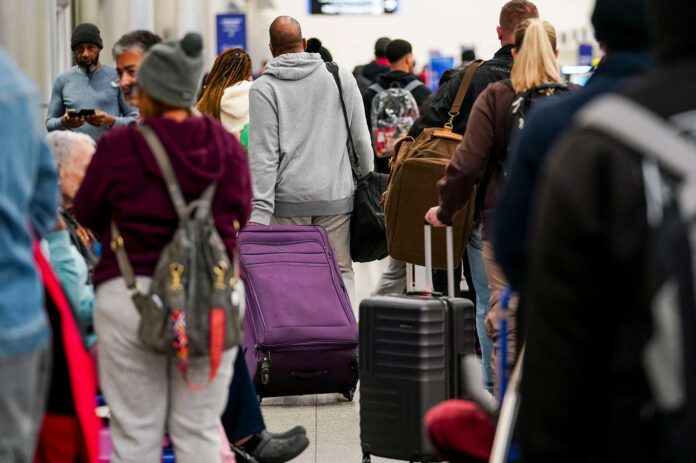
CHICAGO — More than 46 million people from the northern Rockies to the Northeast remained under winter weather alerts through the weekend as two powerful storm systems threatened to severely disrupt post-Thanksgiving travel with heavy snowfall, dangerously cold temperatures and treacherous driving conditions that had already delayed more than 2,200 flights across the United States by Friday afternoon.

Heavy lake-effect snow will continue battering the Great Lakes region from Friday through early Saturday morning, with snow squalls bringing sudden bursts of heavy accumulation and potential whiteout conditions across the interior Northeast on Friday, according to the National Weather Service. Flight tracking website FlightAware reported 2,200 flights traveling to, from or within the United States were delayed as of Friday afternoon, with 50 flights canceled, stranding thousands of travelers attempting to return home following the Thanksgiving holiday.

Storm warnings and advisories extended from Montana to New York, the National Weather Service stated according to reports published by the Associated Press and carried by PBS News. Snow was expected to begin Friday and persist well into the weekend in some areas, with Iowa and Illinois receiving the heaviest accumulations. Six inches to a foot of snow was forecast across much of west-central Illinois from Friday night through Saturday night.

Lake-Effect Snow Creates Dangerous Conditions Across Great Lakes

The storm that already brought snow to portions of the northern Plains states and Great Lakes region continued Friday, NBC News reported, with the National Weather Service forecasting snowfall totals of at least one foot by the storm’s conclusion, particularly downwind of Lake Superior across the northern Lower Peninsula of Michigan and downwind of lakes Erie and Ontario. Areas of central New York state could see a foot of accumulation, weather service forecasters stated.

As of early Friday morning, there were reports of snowfall as high as 22 inches in Presque Isle, Wisconsin; 21.5 inches in Alba, Michigan; 8.7 inches in Tupper Lake, New York; 8.1 inches in Chagrin Falls, Ohio; and 7 inches in Elgin, Pennsylvania, according to National Weather Service observations. These substantial accumulations fueled rounds of heavy lake-effect snow across portions of the Plains and Great Lakes through Thanksgiving, creating hazardous travel conditions that triggered numerous vehicle crashes in western Michigan on the holiday.

The weather service forecast an additional snowfall of 1 to 3 inches Friday, with the storm’s total accumulation reaching upward of 1 to 2 feet, with locally higher amounts possible in areas experiencing persistent lake-effect bands. Some localized snow bands could produce an additional 10 to 20 inches downwind of lakes Erie and Ontario, forecasters warned. Gusty winds up to 35 mph will also create difficult conditions for travelers through drifting and blowing snow that reduces visibility.

Scattered snow showers will linger through Friday, with conditions slowly winding down Saturday morning, forecasters stated. However, the weather service cautioned that snow squalls bringing quick bursts of heavy snow and dangerous whiteout conditions for driving were possible across the interior Northeast Friday.

Separate Storm System Intensifying Over High Plains

A separate storm system was developing over the High Plains on Friday morning, bringing scattered snow showers from Montana through Nebraska, according to National Weather Service forecasts. The storm will deliver moderate to heavy snow and gusty winds throughout the region during the day Friday before intensifying as it moves over the Plains Friday night.

This second system will blanket the Midwest with snow and bring heavy rain across the lower Mississippi Valley, creating hazardous travel conditions through Saturday for major cities including Chicago, Minneapolis, Des Moines, St. Louis and Kansas City, weather service forecasters warned. The combination of two active storm systems affecting different portions of the northern United States simultaneously compounds travel disruption challenges for the post-Thanksgiving weekend when millions of Americans typically return home from holiday gatherings.

Across the Midwest, including parts of Iowa, Wisconsin, Illinois, northern Indiana and Michigan, dangerous and difficult travel conditions are forecast for Saturday due to high snowfall rates of up to 1 inch per hour, with 30 mph winds creating drifting and blowing snow that will severely reduce visibility, forecasters stated. These rapid accumulation rates can quickly render roadways impassable and strand motorists, creating potentially life-threatening situations for travelers caught unprepared.

So far, forecast conditions do not meet blizzard warning criteria, meteorologists stated according to AP reporting—which requires winds of at least 35 mph, visibilities of less than a quarter mile and conditions lasting more than three hours. However, the combination of heavy snow, gusty winds and reduced visibility in snow squalls creates conditions approaching blizzard severity even without meeting technical definitions.

Regional Weather Patterns and Temperature Anomalies

In the Pacific Northwest and the Rockies, a combination of snow and rain was expected Friday, according to National Weather Service forecasts. By Saturday, the snow will taper off for the Rockies and northern Plains but continue affecting the Midwest as the storm system tracks eastward across the central portions of the country.

Temperatures remained well below average in the eastern and central parts of the country, with highs Friday expected in the 20s and 30s Fahrenheit across the Midwest, the 30s and 40s in New England and Mid-Atlantic areas, and the 40s and 50s in the Southeast, according to weather service data. These below-normal temperatures ensure that precipitation falls as snow rather than rain across northern regions while contributing to dangerous wind chill conditions that threaten travelers stranded in disabled vehicles or experiencing delays.

To the south, storms—some of them heavy—are in the forecast, with some flash flooding possible Saturday along the western Gulf Coast, weather service forecasters warned. There is also a marginal risk forecast for potential severe weather including damaging winds and large hail in parts of Texas including Dallas, Houston and Austin, adding another dimension to the weekend’s hazardous weather affecting different regions of the country.

Rain showers and thunderstorms are forecast across the Southern Plains through Saturday, with some moderate to locally heavy rainfall expected closer to the western Gulf Coast, the weather service stated. This rainfall could trigger flash flooding in areas where ground saturation or urban drainage systems cannot accommodate rapid precipitation rates.

Extended Weekend Forecast and Monday Outlook

Snow will persist over the Great Lakes and into parts of the Appalachians on Sunday morning as rain impacts the Southeast, according to National Weather Service extended forecasts. The prolonged nature of the winter weather event means travel disruptions will extend through the entire post-Thanksgiving weekend rather than clearing quickly, affecting travelers’ plans to return home or resume normal activities.

In the Northeast, accumulating snow is forecast to remain confined to interior regions and parts of northern New England, while Boston, New York and Washington, D.C., will experience cold rain showers, with conditions clearing by the Monday-morning commute, weather service forecasters stated. This geographic distribution means major metropolitan areas along the Interstate 95 corridor will avoid the heaviest snow but still face travel delays from rain and cold temperatures.

The Monday morning improvement provides some relief for travelers who can delay returns until the beginning of the work week, though many Americans face pressure to return earlier for employment obligations or other commitments that prevent waiting out the storm systems.

Flight Disruptions and Transportation Impacts

The 2,200 flight delays reported by FlightAware as of Friday afternoon represent significant disruption to air travel during one of the busiest travel periods of the year. The relatively modest number of cancellations—50 flights—suggests airlines are attempting to maintain schedules despite weather challenges, though delays cascade through networks creating compounding problems as aircraft and crews fall out of position for subsequent flights.

Winter weather affects aviation through multiple mechanisms including reduced visibility requiring instrument approaches, runway snow removal operations that temporarily close facilities, aircraft deicing procedures that consume time and ground delays imposed by air traffic control to manage reduced capacity. The combination creates systemwide slowdowns even at airports not directly experiencing precipitation.

Ground transportation faces even more severe challenges, with highway travel becoming extremely hazardous across affected regions. The National Weather Service’s warnings about dangerous and difficult travel conditions Saturday across the Midwest reflect concerns that high snowfall rates combined with gusty winds will create conditions where even experienced winter drivers struggle to maintain control or make forward progress.

The vehicle crashes already reported in western Michigan on Thanksgiving demonstrate how quickly winter weather can overwhelm travelers, particularly those unfamiliar with driving in snow or operating vehicles lacking proper tires and equipment. State transportation departments work to maintain highways through plowing and treatment operations, but rapid accumulation rates can exceed their capacity to keep roadways clear.

Historical Context and Seasonal Patterns

Post-Thanksgiving weekend consistently ranks among the busiest travel periods annually as Americans return home following the holiday. Weather disruptions during this window affect millions of travelers and generate substantial economic impacts through missed work, damaged vehicles, emergency response costs and lost productivity.

Lake-effect snow represents a predictable seasonal phenomenon where cold air masses moving across relatively warm Great Lakes waters pick up moisture that falls as heavy, localized snow bands downwind of the lakes. The areas most affected—including western and central New York, northwestern Pennsylvania, northeast Ohio and the western Michigan shore—experience this pattern repeatedly each winter, though intensity and duration vary based on specific meteorological conditions.

The current event’s forecast accumulations reaching one to two feet with locally higher amounts represent significant but not unprecedented totals for lake-effect snow regions. The combination with the separate High Plains storm system creating a broader area of winter weather distinguishes this particular event and compounds its impact on travelers attempting to navigate affected regions.

Safety Recommendations and Preparedness

The National Weather Service and emergency management officials consistently recommend that travelers monitor weather forecasts, allow extra time for trips, ensure vehicles are properly equipped with winter tires and emergency supplies, and consider delaying non-essential travel during severe winter weather events.

For those who must travel, recommendations include keeping fuel tanks full, carrying blankets and warm clothing, packing food and water, ensuring cell phones are fully charged, and informing others of travel routes and expected arrival times. These precautions enable stranded motorists to survive if weather conditions trap them in vehicles for extended periods.

Air travelers facing delays or cancellations should contact airlines promptly about rebooking options, understand their rights regarding compensation and accommodations, and maintain flexibility regarding travel dates if possible. Travel insurance may provide coverage for weather-related disruptions depending on specific policy terms.

Sources: AP/NBC/PBS

Blasts Hit Sanctioned Tankers Off Turkey’s Coast, Rescues Underway as Russian Shadow Fleet Vessels Burn

0

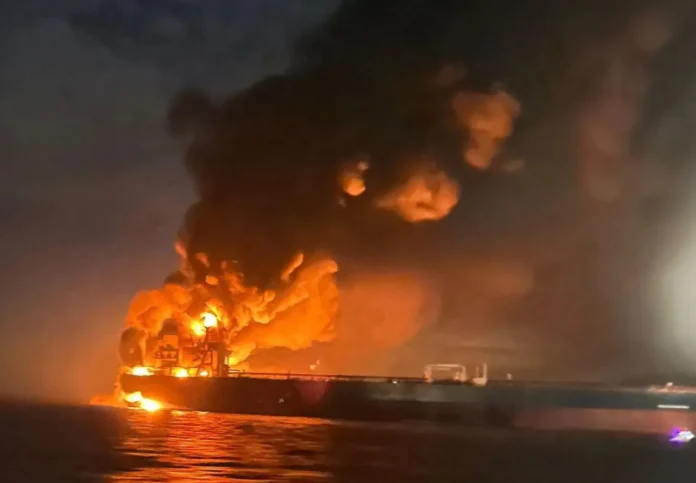
Explosions rocked two oil tankers from Russia’s sanctioned shadow fleet in the Black Sea near Turkey’s Bosphorus Strait on Friday, triggering fires on both vessels and prompting emergency rescue operations that successfully evacuated all 45 crew members, Turkish authorities reported. The incidents raised immediate questions about whether the tankers struck sea mines drifting since the start of Russia’s full-scale invasion of Ukraine or were targeted by surface drone attacks.

The 274-meter tanker Kairos suffered an explosion and caught fire approximately 28 nautical miles off Turkey’s Kocaeli province coast while sailing empty toward Russia’s Novorossiysk port, according to Turkey’s Transport Ministry and Maritime Affairs Directorate. Within an hour of that incident, a second tanker named Virat was reportedly struck about 35 nautical miles offshore, further east in the Black Sea, with heavy smoke detected in the engine room though all 20 personnel aboard remained in good condition.

“A large fire is taking place,” Kocaeli Governor Ilhami Aktas stated after confirming that all 25 crew members aboard the Kairos had been safely evacuated. Turkish authorities dispatched two fast rescue boats, a tugboat and an emergency response vessel to the Kairos while separate rescue units and a commercial vessel responded to the Virat incident. Aktas did not confirm what caused the fires or whether the vessels may have struck sea mines, indicating authorities would issue clearer statements once inquiries were completed.

Sanctioned Vessels and Shadow Fleet Operations

Both the Kairos and Virat appear on lists of ships subject to sanctions imposed against Russia following its February 2022 full-scale invasion of Ukraine, according to LSEG data and OpenSanctions documentation. These designations reflect Western efforts to disrupt Russia’s ability to export oil and generate revenue for its war effort, though the shadow fleet continues providing multibillion-dollar revenues for the Kremlin by bypassing sanctions through complex schemes involving flags of convenience and concealed ownership structures.

The United States sanctioned the Virat in January of this year, with the European Union, Switzerland, United Kingdom and Canada following suit according to OpenSanctions records. The EU sanctioned the Kairos in July, with the UK and Switzerland subsequently adding the vessel to their sanctions lists. These designations aim to prevent the tankers from accessing Western ports, insurance markets and financial services, though enforcement challenges allow many sanctioned vessels to continue operations.

OpenSanctions characterizes both vessels as employing irregular and high-risk shipping practices. The Virat, built in 2018, has previously sailed under the flags of Barbados, Comoros, Liberia and Panama before its current registry, demonstrating the frequent flag changes common among shadow fleet operators seeking to obscure vessel identities and evade sanctions enforcement. The Kairos, built in 2002, formerly operated under Panamanian, Greek and Liberian flags before switching to Gambian registration.

Ukraine’s military intelligence service, the GUR, notes on its website that both ships regularly visit Russian ports and have histories of shutting off their automatic identification systems, which transmit vessel positions to maritime tracking networks. This practice, known as “going dark,” allows shadow fleet tankers to conduct clandestine transfers or visit sanctioned ports without detection, though it simultaneously creates maritime safety hazards by making vessels invisible to collision avoidance systems.

Competing Theories About Attack Mechanism

Turkish authorities attributed the Kairos fire to “an external impact” without providing specifics about what struck the vessel. Tribeca shipping agency reported that the Kairos was sailing under the Gambian flag and in ballast—meaning empty of cargo—when the incident occurred, with initial reports indicating the ship may have struck a mine and could be in danger of sinking. The ballast condition means any environmental damage from the fires would be limited compared to fully loaded tankers that could spill massive quantities of crude oil.

Haberturk television reported that the tankers may have been attacked by surface drones operating on the water, a weapon system Ukraine has employed extensively against Russian naval vessels and port infrastructure throughout the Black Sea conflict. Ukrainian naval drones have successfully struck Russian warships, damaged the Kerch Strait bridge connecting Russia to occupied Crimea, and attacked port facilities including Novorossiysk where the Kairos was heading when struck.

Several naval mines have been located and destroyed in the Black Sea since February 2022, placed by both Russian and Ukrainian forces to protect coastlines from amphibious assaults or naval approaches. Some mines have broken free from their moorings and drifted with currents, creating hazards for commercial shipping throughout the region. Previous incidents of ships striking mines in the Black Sea in recent years demonstrate the ongoing threat these weapons pose even to vessels not involved in the conflict.

The maritime authority posted distant photographs showing smoke rising from the area where the Kairos caught fire, though visibility limitations prevented definitive assessment of damage extent or fire intensity. Local television outlets reported that Mayday distress calls were issued by both tankers after they were struck, indicating crews recognized immediate danger requiring emergency assistance.

Maritime Traffic and Regional Implications

Shipping traffic through the Bosphorus Strait continued despite the incidents, according to Tribeca shipping agency, reflecting the critical importance of the waterway connecting the Black Sea to the Mediterranean through Turkey’s territorial waters. The strait handles approximately three million barrels of oil daily under normal circumstances, making it one of the world’s most strategically significant maritime chokepoints for energy transportation.

VesselFinder tracking data showed the Virat was anchored north of the Bosphorus not far from its current position on November 4, suggesting the vessel had been operating in the region for several weeks before Friday’s incident. The Kairos’ last tracked position was November 26 south of the Dardanelles Strait connecting the Aegean Sea and Sea of Marmara, indicating it had recently transited through Turkish waters on its journey from Egypt toward Russia.

Turkey occupies delicate diplomatic position regarding Black Sea incidents involving Russian and Ukrainian forces. As NATO member maintaining complex relationship with Russia, Turkey attempts to balance security commitments to Western allies with economic and energy ties to Moscow while preserving its role as mediator between the warring parties. Friday’s incidents in waters near Turkish territory force Ankara to navigate competing pressures from multiple directions while ensuring maritime safety in areas under its jurisdiction.

Shadow Fleet Environmental and Safety Concerns

Russia’s shadow fleet poses significant environmental threats beyond the immediate fire hazards demonstrated by Friday’s incidents. These vessels often operate with inadequate insurance coverage, deferred maintenance schedules and crews lacking proper training or safety equipment. The combination of aging ships, minimal regulatory oversight and incentives to maximize profits by minimizing costs creates conditions where catastrophic spills or maritime disasters become increasingly probable.

OpenSanctions warns that shadow fleet tankers “pose significant environmental threats” through their irregular practices and tendency to conceal ownership structures that complicate liability determination if accidents occur. If the Kairos had been fully loaded with crude oil rather than sailing in ballast, the explosions and fires could have triggered massive spill contaminating Turkish coastal waters and threatening marine ecosystems throughout the region.

The vessels’ practice of disabling automatic identification systems compounds safety risks by making them invisible to other ships’ collision avoidance systems and preventing maritime authorities from tracking their movements through congested waterways like the Bosphorus. This creates potential for accidents with commercial vessels, passenger ferries or naval ships operating in the same areas without awareness of shadow fleet tankers’ positions.

Sanctions Enforcement Challenges

Friday’s incidents highlight ongoing challenges in enforcing Western sanctions against Russia’s maritime oil exports. Despite extensive sanctions designations covering hundreds of vessels, Russia continues exporting significant crude oil volumes through the shadow fleet that generates revenue funding its war effort in Ukraine. The tankers employ sophisticated evasion techniques including frequent flag changes, shell company ownership structures, ship-to-ship transfers in international waters and systematic AIS shutdowns that complicate interdiction efforts.

Western nations lack legal authority to physically stop sanctioned vessels operating in international waters or under third-country flags, leaving enforcement dependent on port state control measures, insurance market exclusions and financial system restrictions. These tools prove effective against conventional shipping companies concerned about reputational damage and long-term business relationships, but shadow fleet operators specifically organized to circumvent such pressures face minimal consequences for sanctions violations.

Turkey’s role as controller of the Bosphorus and Dardanelles straits connecting the Black Sea to global markets creates particular complications. International law governing straits passage grants Turkey limited authority to restrict transiting vessels, even those under sanctions, absent specific safety or environmental justifications. This legal framework allows sanctioned Russian tankers to transit Turkish waters en route to Mediterranean and beyond despite Western efforts to isolate Russian oil from global markets.

Ukrainian Operational Capabilities

If surface drones conducted Friday’s attacks, they would demonstrate Ukraine’s expanding operational reach beyond coastal waters into areas where Russian vessels previously operated with relative impunity. Ukrainian naval drones have evolved from improvised weapons into sophisticated systems capable of long-range missions, precision targeting and coordinated swarm attacks against defended targets.

The successful evacuation of all crew members from both vessels suggests the attacks, whether from drones or mines, did not immediately sink the tankers or cause casualties beyond the fires and damage requiring abandonment. This outcome, while fortunate for the crews, leaves open questions about attack objectives—whether intended to sink the vessels, create spectacular fires deterring other shadow fleet operations, or simply harass Russian maritime activities without necessarily destroying assets.

Ukraine has not publicly claimed responsibility for Friday’s incidents, maintaining its typical operational security posture of neither confirming nor denying specific attacks. This ambiguity serves Ukrainian interests by creating uncertainty among Russian maritime operators about where and when they might face attack while avoiding potential diplomatic complications that explicit claims of responsibility might trigger with Turkey or other regional actors.

Reuters/TheSun

Trump Says He Plans to Pardon Former Honduran President Hernandez for 2024 Drug Trafficking Sentence

0

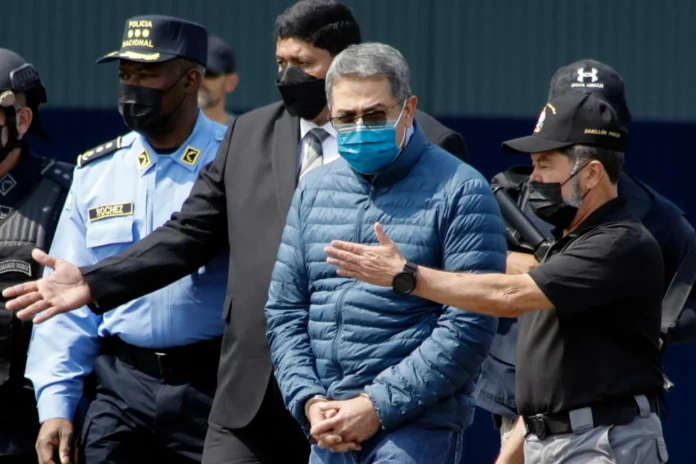
WASHINGTON — President Donald Trump announced Friday that he intends to pardon former Honduran President Juan Orlando Hernandez, who was convicted in 2024 for conspiring to import cocaine into the United States and sentenced to 45 years in federal prison, a decision that intersects criminal justice policy with Trump’s aggressive intervention in Honduras’ presidential election scheduled for Sunday.

Trump justified the pardon via social media by claiming that “according to many people that I greatly respect,” Hernandez was “treated very harshly and unfairly,” without identifying which individuals influenced his decision or providing specific grounds for questioning the conviction beyond general assertions of injustice. The announcement came as part of broader message endorsing conservative candidate Nasry “Tito” Asfura for Honduras’ presidency while threatening to withdraw United States support if Asfura loses to opponents Trump characterizes as leftist threats.

Hernandez, who served two terms leading the Central American nation of approximately 10 million people, was convicted in March 2024 in United States court of conspiring to import cocaine. He has been serving his sentence at U.S. Penitentiary Hazelton in West Virginia while appealing the conviction, making him eligible for presidential pardon despite the legal process not having concluded through appellate courts.

Federal prosecutors successfully argued that Hernandez participated in conspiracy to facilitate cocaine trafficking into the United States during his tenure as Honduran president, leveraging his political position to protect and enable drug trafficking networks operating between South American cocaine production regions and North American markets. The 45-year sentence reflected judicial assessment of the severity of charges and Hernandez’s abuse of presidential authority to facilitate narcotics trade.

Renato C. Stabile, attorney representing Hernandez, expressed gratitude for Trump’s pardon announcement. “A great injustice has been righted and we are so hopeful for the future partnership of the United States and Honduras,” Stabile stated. “Thank you President Trump for making sure that justice was served. We look forward to President Hernandez’s triumphant return to Honduras.” This characterization of the conviction as injustice contradicts the judicial process that found Hernandez guilty beyond reasonable doubt based on evidence presented at trial.

Sabrina Shroff, another attorney representing Hernandez, declined to comment on Trump’s pardon announcement. The mixed responses from Hernandez’s legal team suggest differing strategic approaches regarding public engagement with the pardon process and potential concerns about premature celebration before formal pardon documents are executed and processed.

The pardon would represent extraordinary presidential intervention in concluded federal prosecution that consumed significant investigative and prosecutorial resources while delivering accountability for high-level governmental corruption facilitating transnational drug trafficking. Critics argue such pardons undermine rule of law and send troubling messages about impunity for political elites who enable organized crime.

Honduras Election Context and Trump’s Endorsement

Trump’s pardon announcement formed part of aggressive intervention in Honduras’ Sunday presidential election, where he explicitly endorsed Asfura while threatening consequences if other candidates prevail. “The United States will not be throwing good money after bad, because a wrong Leader can only bring catastrophic results to a country, no matter which country it is,” Trump wrote, framing American support as contingent on electoral outcomes aligning with his preferences.

Asfura, 67, is making his second presidential bid representing the conservative National Party after serving as mayor of Tegucigalpa, Honduras’ capital. His campaign emphasizes infrastructure development and economic growth, though he faces allegations of embezzling public funds during his tenure as mayor—accusations he denies but which parallel the corruption charges that ultimately convicted Hernandez.

The election features two additional major contenders: Rixi Moncada, who served as finance and later defense secretary before leaving government to run for president representing the incumbent democratic socialist Libre party, and Salvador Nasralla, a former television personality making his fourth presidential bid, this time as Liberal Party candidate. Trump’s characterization of the election as choice between pro-American conservatism and Venezuelan-style socialism oversimplifies complex Honduran political dynamics while pressuring voters through threatened withdrawal of United States support.

Comparison to Venezuela and Regional Strategy

Trump framed Honduras’ election as “trial for democracy” in a separate Truth Social post, suggesting that Asfura’s defeat would push Honduras toward Venezuelan trajectory under Nicolás Maduro’s authoritarian rule. This comparison ignores significant differences between Honduras and Venezuela while employing familiar Trump rhetorical pattern of casting elections in friendly terms as democracy versus socialism contests.

The president has sought to apply pressure on Maduro through military buildup in the Caribbean including deployment of USS Gerald R. Ford, the Navy’s most advanced aircraft carrier, alongside strikes against boats suspected of carrying drugs. Trump has not ruled out military action or covert CIA operations against Venezuela, though he has also indicated openness to speaking with Maduro, creating policy uncertainty about whether threats represent serious intentions or negotiating tactics.

Argentine President Javier Milei, a libertarian leader who admires Trump, added his endorsement of Asfura Friday. “I fully support Tito Asfura, who is the candidate who best represents the opposition to the leftist tyrants who have destroyed Honduras,” Milei stated via social media, coordinating with Trump’s messaging while characterizing current Honduran government as tyrannical despite its democratic election.

Current Honduran Government Relations

Outgoing Honduran President Xiomara Castro has maintained pragmatic approach to United States relations despite leftist political orientation. She has received visits from Homeland Security Secretary Kristi Noem and U.S. Army General Laura Richardson when she commanded U.S. Southern Command, demonstrating willingness to cooperate on security issues despite ideological differences with Trump administration.

Castro has backed away from threats to end Honduras’ extradition treaty and military cooperation with the United States, recognizing the economic and security benefits these arrangements provide Honduras despite domestic political pressures to assert independence from American influence. Under Castro’s presidency, Honduras has received its citizens deported from the United States and acted as bridge for deported Venezuelans who were then collected by Venezuelan authorities in Honduras, facilitating regional migration management.

This cooperative relationship between Castro’s government and Trump administration contradicts Trump’s characterization of leftist Honduran leadership as catastrophic for the country, suggesting his election intervention reflects ideological preferences rather than objective assessment of bilateral relationship quality. The pardon of Hernandez, who led conservative National Party before Castro’s Libre party victory, appears timed to influence Sunday’s election by rehabilitating the reputation of conservative political movement Asfura represents.

Implications for Rule of Law and Corruption

The pardon decision raises fundamental questions about intersection of foreign policy objectives and criminal justice accountability. Hernandez’s conviction represented rare successful prosecution of sitting or former head of state for drug trafficking conspiracy, demonstrating that even presidents face consequences for enabling narcotics trade. Trump’s pardon reverses this accountability, potentially signaling to other political leaders that United States prosecution can be politically negotiated rather than representing inviolable legal process.

Critics argue the pardon undermines broader United States counternarcotics strategy in Central America, where corruption and governmental protection of trafficking organizations represent primary obstacles to disrupting cocaine flow from South American production regions through Central American transit zones to North American markets. If high-level officials believe American prosecution can be pardoned based on political considerations, deterrent effect of potential United States charges diminishes significantly.

Supporters might argue that Hernandez’s prosecution reflected politically motivated targeting of conservative Central American leaders by previous administrations, suggesting the pardon corrects prosecutorial overreach. However, this perspective requires dismissing substantial evidence presented at trial and jury verdict finding Hernandez guilty, substituting Trump’s judgment for judicial process that included defense representation, evidentiary standards and appellate review opportunities.

Broader Pattern of Trump Pardons

The Hernandez pardon fits within broader pattern of Trump utilizing presidential pardon power to reward political allies, reverse prosecutions he views as unjust, or advance foreign policy objectives. Previous Trump pardons have included controversial decisions that critics characterized as undermining rule of law while supporters defended as correcting prosecutorial excess or rewarding loyalty.

The pardon power represents essentially unlimited presidential authority under United States Constitution, though norms have traditionally constrained its use to cases where genuine injustice occurred or where rehabilitation and mercy considerations outweigh continued incarceration. Trump’s willingness to deploy pardons for political purposes, including influencing foreign elections, represents departure from these traditional constraints while exploiting constitutional authority that lacks effective checks.

The timing—announced just two days before Honduras’ presidential election—removes any pretense that the pardon reflects careful review of Hernandez’s case merits independent of political calculations. The decision appears designed to boost Asfura’s candidacy by rehabilitating his National Party’s reputation following Hernandez’s conviction, while threatening consequences if Honduran voters reject Trump’s preferred candidate.

Regional Democracy and Sovereignty Questions

Trump’s explicit intervention in Honduras’ election through threatened withdrawal of support if his preferred candidate loses raises concerns about respecting democratic sovereignty and self-determination. While the United States maintains legitimate interests in Central American governance given migration, security and economic connections, conditioning bilateral relations on specific electoral outcomes pressures voters to prioritize American preferences over their own assessment of candidates’ qualifications and policy positions.

The approach mirrors strategies employed by authoritarian powers that use economic leverage and threatened consequences to influence elections in smaller neighboring states, creating dependent relationships where domestic political choices become subordinate to external power preferences. Democratic norms suggest that while countries can express preferences about foreign leadership, they should respect electoral outcomes and work with whoever citizens democratically select.

Source: The Associated Press

FIFA’s Decision to Halt Ronaldo Ban Sparks Possible Court Fight Ahead of World Cup

0

ZURICH, Switzerland (BN24) – FIFA is bracing for the possibility of a legal showdown only months before the World Cup after its disciplinary committee opted to freeze the remaining portion of Cristiano Ronaldo’s three-match ban, a ruling that, according to Daily Mail Sport reporting, could prompt rival nations to seek intervention from the Court of Arbitration for Sport (CAS) in Switzerland.

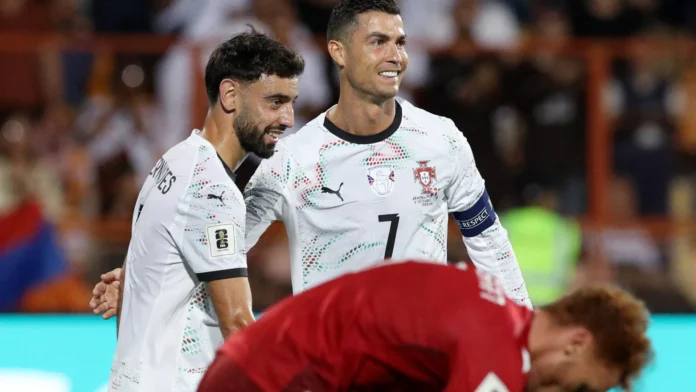
The 40-year-old Portugal captain had been sidelined for elbowing Ireland defender Dara O’Shea earlier in the month, an infringement that originally triggered a mandatory three-game suspension under FIFA’s disciplinary code. Ronaldo missed Portugal’s final qualifier, a commanding 9–1 victory over Armenia, satisfying the first match of the penalty. With FIFA’s new ruling, he is now cleared to appear in Portugal’s opening two World Cup fixtures despite the earlier disciplinary measures.

The move, unprecedented in timing and impact, has rattled several football associations that believe the decision undermines competitive integrity. As reported by Daily Mail Sport, federations scheduled to face Portugal during the window in which Ronaldo would have been unavailable are considering legal routes to challenge the suspension freeze, arguing the reversal could materially alter sporting outcomes.

Although no official filings have been submitted, attorneys with knowledge of international sports arbitration say any claimant must demonstrate concrete harm and a “legally protectable interest” to gain standing before CAS, a threshold that, while difficult, is not impossible to clear in disputes involving World Cup competitive balance.

The basis of the controversy lies deep within FIFA’s disciplinary code. The rulebook mandates a minimum three-match ban for violent conduct, including elbowing—an offense Ronaldo was found guilty of. However, Article 27 grants judicial committees discretionary power to fully or partially suspend penalties, provided a probationary term is applied.

FIFA, in a public statement reaffirming the independence of its disciplinary panel, clarified that Ronaldo’s remaining two matches have been suspended for one year. Under the conditions laid out, any comparable act of misconduct from the Portuguese striker would immediately reinstate the full original ban, to be served in Portugal’s next official fixtures.

“Should Cristiano Ronaldo commit another infringement of a similar nature during the probation period, the original suspension will be automatically reactivated,” FIFA stated, emphasizing the decision was made within the legal parameters provided by the Disciplinary Code.

This legal clause, rarely invoked in high-profile cases, creates a murky intersection of regulatory discretion and competitive fairness. While technically permissible, the move is being interpreted by some federations as preferential treatment granted to one of the sport’s most commercially influential athletes.

The crux of the outrage centers not on Ronaldo’s conduct but on the timing and consequences of FIFA’s intervention. With the World Cup’s group stage fixtures already set, opponents who expected Portugal to be without their talisman now face a drastically altered competitive landscape.

Sports law analysts note that CAS historically avoids interfering with selection or disciplinary matters unless procedural or legal violations are clear. However, past arbitration rulings have carved out space for challenges where governing bodies are accused of inconsistent or discretionary enforcement that impacts competitive equity.

Any nation seeking redress must prove it faces a material disadvantage in the sporting contest due to the suspension freeze. Although a difficult argument to win, experts say the fact that other players around the world are serving unmodified bans for similar offenses may give aggrieved federations grounds to argue unequal application of disciplinary standards.

For nations with key players sidelined for comparable misconduct, the debate has broadened beyond Portugal’s group rivals. Several federations, according to internal sources cited by Daily Mail Sport, are monitoring the situation to see whether FIFA’s ruling sets a precedent that could destabilize the disciplinary framework ahead of international tournaments.

The decision arrives at a time when the global football economy is undergoing recalibration. Ronaldo remains one of the sport’s most valuable commercial draws, with outsized influence on broadcast ratings, merchandise sales, and global viewership trends. His presence in the opening matches of the World Cup events that traditionally produce the largest early-stage audience spikes holds substantive economic implications.

Broadcasters that rely on star power to drive advertising revenue may quietly welcome the ruling, as Ronaldo’s absence from early fixtures could depress global viewership. Betting markets, too, are reacting, with Portugal’s odds reportedly tightening following the announcement—an early indicator that speculative sectors perceive Ronaldo’s availability as materially improving Portugal’s competitive prospects.

For FIFA, the reputational risk is amplified by the scale of the tournament’s commercial ecosystem. Any perception that decisions are influenced by commercial considerations rather than sporting justice could strain trust among sponsors and national federations. These tensions are especially sensitive as FIFA continues global negotiations for media rights packages in emerging markets where Ronaldo’s brand power remains unmatched.

Ronaldo’s disciplinary record at age 40 is an anomaly in itself. While his longevity is widely celebrated, it also raises complex governance challenges as FIFA navigates the intersection of legacy star power and consistent enforcement of rules. In previous cases involving high-profile players, FIFA has faced criticism for perceived leniency or irregular application of sanctions, though such claims have rarely been substantiated in court.

The broader governance landscape also shapes how this dispute may unfold. FIFA’s disciplinary committees are operationally independent but remain structurally tied to the organization’s central leadership, an arrangement that, critics say, can complicate public confidence in high-stakes rulings. The organization has spent years attempting to distance itself from past controversies through reforms focused on transparency and judicial independence.

This episode threatens to reopen old wounds about inconsistency and selective enforcement, especially with several federations now evaluating whether their players’ disciplinary cases received similar consideration.

Portugal’s tactical outlook is profoundly reshaped by Ronaldo’s restored availability. His presence changes opposing teams’ defensive planning, potentially altering how group-stage matches unfold. Coaches who anticipated a Ronaldo-less Portugal likely to lean on emerging attackers must now recalibrate strategies to contain one of the sport’s historically most prolific scorers.

From a competitive standpoint, the issue is not merely symbolic. Narrow margins often decide World Cup matches, and the addition of a world-class striker can materially shift the balance. Rivals may argue that FIFA’s retroactive discretion unfairly alters the competitive equilibrium they prepared for when the draw was finalized.

The pathway forward remains uncertain. If one or more federations submit an appeal to CAS, the court could move quickly to evaluate whether FIFA’s decision aligns with procedural fairness principles. CAS rarely overturns discretionary rulings unless clear evidence of arbitrariness or unequal application is presented.

FIFA’s probation-based suspension is legally defensible, but the optics, particularly with a figure of Ronaldo’s stature, may pressure the governing body to offer additional public clarification or legal justification.

Should CAS accept the case, the verdict could set a precedent that shapes disciplinary governance for decades. A ruling in favor of the challengers might force FIFA to reimpose the ban, potentially knocking Ronaldo out of early World Cup fixtures after all. A ruling upholding the freeze would reinforce FIFA’s discretionary authority and clarify the boundaries of Article 27.

Either outcome will reverberate across international football governance, player discipline protocols, and the competitive fabric of global tournaments.

Guinea-Bissau Names Military General as Transitional Leader After Sudden Power Shift

0

BISSAU, Guinea-Bissau (BN24) — One day after soldiers announced they had seized authority in the capital and halted the release of the country’s presidential election results, a senior army officer was sworn in Thursday as Guinea-Bissau’s new transitional head of state, adding another chapter to the small West African nation’s long history of political upheaval.

General Horta N’Tam, who until Wednesday commanded the presidential guard, took the oath of office during a subdued ceremony at army headquarters, according to AFP and BBC reporting. He was appointed to lead the country for a one-year transitional period, though the military has yet to outline the structure of the interim government or commit publicly to a new electoral timetable.

N’Tam appeared stern as he stood before television cameras flanked by senior officers, avoiding any outward display of emotion while the armed forces cemented their control. His emergence as de facto president marks a stunning reversal in Guinea-Bissau’s volatile political landscape, coming just hours after the armed forces suspended the release of results from Sunday’s presidential poll—results in which both incumbent Umaro Sissoco Embaló and opposition rival Fernando Dias had prematurely claimed victory.

The dramatic shift began late Wednesday when gunfire was reported in parts of Bissau. Government sources told the BBC that President Embaló had been detained by the army. AFP cited a military source who said the president was being held at armed forces headquarters and was “well-treated.”

By evening, uniformed officers appeared on national television to announce they had blocked the publication of the election results and temporarily sealed the country’s borders, claiming they sought to prevent what they described as a destabilization plot involving unnamed politicians with alleged connections to a “well-known drug baron.” The officers imposed a nighttime curfew and said they had arrested several senior officials.

Embalo confirmed his removal in a phone interview with France 24, saying simply: “I have been deposed.”

Election observers from the African Union (AU) and the West African bloc ECOWAS issued a rare joint statement expressing “deep concern,” noting that the vote had been conducted “orderly and peacefully” and that the two candidates, Embaló and Dias, had each pledged to respect the final results.

Mahmoud Ali Youssouf, chair of the AU Commission, demanded the “immediate and unconditional release of President Embaló and all detained officials” and called for respect for the electoral process.

Portugal, Guinea-Bissau’s former colonial ruler, also urged the restoration of constitutional order, warning all parties to refrain from “institutional or civic violence.”

By Thursday afternoon, AFP reported that the borders had quietly reopened, though no clear explanation was provided.

The takeover has deepened domestic political divisions. The civil society coalition Popular Front accused Embaló of orchestrating what it called a “simulated coup” with help from elements of the military to halt the release of results that could have shown he had lost the race. Opposition candidate Fernando Dias echoed the allegation. Embaló, 53, has not responded publicly to the claim.

Throughout his tenure, Embaló repeatedly stated he had survived several coup attempts, though critics long alleged he used security alerts to consolidate authority and pressure opponents.

Dias had been backed by former Prime Minister Domingos Simões Pereira, who was disqualified from running but remained influential. Government sources told the BBC that Dias, Pereira, Interior Minister Botché Candé, and senior army officers, including General Biague Na Ntan and his deputy General Mamadou Touré, were also detained.

The military has not yet confirmed the full list of arrests.

With its population of just over two million, Guinea-Bissau has endured at least nine successful or attempted coups since independence from Portugal in 1974. The military has maintained an outsized role in national politics for decades, often intervening during periods of electoral tension.

The country’s archipelago, dotted with remote and sparsely populated islands, has made it a strategic transit point for Latin American cocaine smuggling routes into Europe. The United Nations has repeatedly described Guinea-Bissau as a “narco-state,” referencing the influence of trafficking networks and the vulnerabilities created by chronic underfunding of state institutions.

These dynamics have contributed to a cycle of governance instability that has hindered economic development. The World Bank has ranked Guinea-Bissau among the poorest countries globally, dependent largely on cashew exports and foreign aid.

Though Guinea-Bissau lacks major capital markets, regional economists say the political shockwaves threaten to unsettle investor confidence across West Africa, a region facing an unusual cluster of military takeovers in recent years, including in Mali, Burkina Faso, Niger and Guinea.

Trade analysts note that Guinea-Bissau’s cashew sector, its primary economic engine, may be disrupted if the transitional government struggles to secure ports and rural transport corridors during the upcoming harvest cycle. Prices for West African cashews often fluctuate quickly in response to governance risks, and early signs from commodity brokers in Dakar and Abidjan suggest buyers are watching developments closely.

Economists also warn that a prolonged political freeze could delay budgetary support from international partners, jeopardizing public sector salaries and basic services. The suspension of the electoral process may complicate negotiations with the IMF and EU, which have stressed governance reforms as prerequisites for new financing agreements.

For a country already grappling with fragile institutions, the economic ripple effects of the current crisis could be severe.

The rivalry between Embaló and Fernando Dias reflects deeper fractures within Guinea-Bissau’s political class. Embaló, who initially said he would not seek a second term, later reversed course and campaigned vigorously to secure what would have been the nation’s first consecutive second mandate in three decades. His opponents argued his constitutional mandate had technically expired in February 2025, casting doubt over the legitimacy of his candidacy.

Dias, meanwhile, represented a coalition built around disenfranchised political actors, including Pereira, whose disqualification intensified opposition claims that state institutions were weaponized.

Regionally, ECOWAS leaders fear that another coup, even one described as a “counter-plot” by soldiers, could further erode the bloc’s credibility as it attempts to reverse military interventions in neighboring states. Analysts say the muted international response so far suggests West African leaders are weighing whether the events constitute a traditional coup or a contested power struggle within the governing elite.

General Horta N’Tam now presides over a country at a political crossroads. With election results frozen, key candidates detained, and questions swirling about the legitimacy of the takeover, Guinea-Bissau enters a transition period marked by uncertainty.

Diplomats in Bissau say the next weeks will determine whether the transitional authority attempts to consolidate long-term power or prepares for a credible electoral handover. Much may depend on pressure from ECOWAS, which has in recent years imposed sanctions on military-led governments but has struggled to enforce compliance.

If N’Tam fails to reassure the international community, Guinea-Bissau risks diplomatic isolation and economic deterioration. Yet if he oversees a negotiated, transparent transition, the crisis could paradoxically open the door to overdue electoral and constitutional reforms.

Political analysts argue that the competing narratives of a coup, a counter-coup, or a staged maneuver reflect the deep distrust between political factions and the military. Until institutions are strengthened and illicit trafficking networks curtailed, they say, Guinea-Bissau will remain vulnerable to recurring cycles of instability.

For now, the nation’s future rests in the hands of a military establishment that has once again stepped from the barracks into the center of national power.

CAF Unveils Full Panel of Match Officials for 2025 AFCON in Morocco as Tournament Preparations Intensify

0

RABAT, Morocco (BN24) — The Confederation of African Football has formally confirmed its full roster of match officials for the 2025 Africa Cup of Nations, unveiling a carefully structured panel of referees, assistants, and video match officials as the continent’s most prestigious football event approaches. The governing body’s announcement, released this week on its official communication channels, establishes the operational backbone for a tournament expected to draw record global audiences and generate considerable economic ripple effects across Morocco and the broader African football ecosystem.

According to CAF, a total of 73 match officials have been cleared to oversee fixtures at the 2025 edition of the championship. The list includes 28 referees, 31 assistant referees, and 14 VAR specialists, representing a broad cross-section of Africa’s footballing regions and continuing a long-running effort to balance geographical inclusion with high-performance officiating standards. CAF emphasized that the selected officials were drawn from its most seasoned talent pool, many of whom have managed matches in previous Africa Cup of Nations tournaments, the CAF Champions League, CAF Confederation Cup, and FIFA-sanctioned events.

The appointments come as CAF continues refining its refereeing pipeline, which has undergone reforms over the past five years designed to improve consistency, fitness, and decision-making accuracy. These reforms were partly shaped by increased investment in VAR technology across African competitions, as well as heightened scrutiny from global football observers who have signaled the need for predictable officiating environments in high-stakes continental tournaments.

CAF confirmed that all officials are expected to convene in Morocco beginning December 15 for an intensive preparatory course organized by the Referees Department. The program will involve a rigorous evaluation process, including physical testing, technical assessments, match-simulation exercises, and theoretical seminars intended to harmonize officiating approaches ahead of the tournament kickoff on December 21.

CAF’s Referees Director has repeatedly stressed in recent months that physical conditioning and cognitive readiness remain the key pillars of elite officiating. The 2025 AFCON, with its expanded broadcast reach and rising commercial value, places match officials under unprecedented spotlight. In a written statement, CAF said the preparatory sessions aim to ensure “peak performance and decision-making consistency throughout the competition.”

The embrace of a detailed pre-tournament boot camp mirrors a trend seen in UEFA and CONMEBOL competitions, where referees are increasingly treated as high-performance athletes whose precision is critical to maintaining tournament legitimacy.

CAF’s announcement underscores what it describes as an “ongoing commitment to competition integrity and technical enhancement.” The governing body has sought to rebuild confidence in African refereeing after sporadic controversies in past tournaments triggered public debates about impartiality and consistency. While officiating errors remain a global issue across all football confederations, CAF has made visible efforts to strengthen governance protocols, expand VAR training, and professionalize the referee selection system.

Sports governance analysts argue that predictable officiating, combined with transparent appointments, plays a crucial role in reinforcing audience trust and sustaining market interest in African competitions. AFCON remains Africa’s largest sporting event and an increasingly valuable media asset; thus, maintaining a strong officiating infrastructure is strategically essential.

Hosting AFCON 2025 stands to boost Morocco’s tourism, hospitality, and infrastructure sectors, according to economists who track major sporting events across Africa. As the first major CAF event to be staged after Morocco’s recent investments in stadium modernization and transport upgrades, the tournament showcases the kingdom’s ambition to position itself as a continental sports hub.

The arrival of match officials, coaching delegations, supporters, and media crews contributes to a modest but meaningful layer of economic activity ahead of the primary influx expected during the tournament itself. Analysts note that while referees represent only a fraction of incoming personnel, their early arrival helps catalyze logistical operations, stadium preparations, and venue stress tests.

The AFRICA Sports Economics Observatory reports that AFCON typically injects hundreds of millions of dollars into a host nation’s economy through direct spending, sponsorship activation, and international broadcasting rights. Morocco’s case may exceed previous benchmarks due to its globally connected tourism industry and aggressively expanding football infrastructure.
CAF’s unveiling of match officials, therefore, serves as more than a procedural milestone; it signals the operational readiness phase of a tournament that carries economic and soft-power stakes for the host nation.

Over the past decade, refereeing across Africa has come under increasing focus as domestic leagues expand and CAF club competitions gain more global streaming traction. VAR usage, once limited to the knockout stages of major events, is now embedded in most CAF competitions, though deployment remains uneven across domestic leagues due to technological and financial constraints.

The selection of 14 VAR officials for the 2025 AFCON reflects CAF’s commitment to aligning officiating with global standards. VAR training is resource-intensive and demands both technological capacity and cognitive familiarity with evolving protocols. CAF has worked closely with FIFA’s Referee Committee in previous years to deepen training access, particularly in North Africa and West Africa, where officiating academies have expanded.

Refereeing has also taken on greater strategic value amid the rising international visibility of African footballers and competitions. As African players grow more influential in European leagues, global football audiences increasingly follow AFCON and CAF competitions, raising the stakes for officiating credibility. Sports commentators often note that predictable, transparent refereeing is essential for brand growth, sponsorship attractiveness, and international broadcast partnerships.

AFCON 2025 arrives at a moment when Africa’s football competitive landscape is evolving rapidly. Senegal, Morocco, Egypt, and Nigeria remain the continent’s most globally recognized powerhouses, but emerging teams such as Burkina Faso, Cape Verde, and the Gambia have strengthened their squads with dynamic talent pipelines and diaspora recruitment.

With parity increasing, match officiating becomes even more consequential. Tight fixtures, narrow margins, and tactical sophistication require referees capable of managing high-intensity matches without undermining competitive fairness. CAF’s selection strategy appears designed to ensure that its most experienced officials are paired with emerging talents to reinforce continuity and succession planning.

Football analysts believe that one of the quiet storylines of AFCON 2025 will involve how referees adapt to rapid tactical transitions, pressing systems, and technologically integrated match review processes. Several experts predict that this tournament may showcase the highest officiating standards in AFCON history, partly due to the robust training environment and the global expectations placed on Morocco as host.

CAF’s highly structured approach to official selection is viewed as a preview of broader reforms expected in the coming years. The confederation is working to expand referee academies, roll out uniform VAR infrastructure across more domestic leagues, and elevate officiating to full professional status in selected countries.

Technology is also shaping the future of African refereeing. Trials of semi-automated offside systems, enhanced communication platforms, and centralized VAR rooms may gradually become part of CAF competition architecture. Morocco’s hosting of AFCON could serve as a testbed for such innovations, especially given its long-term bid interests in co-hosting global tournaments.

As Africa’s football ecosystem grows more integrated with global markets, CAF’s commitment to refereeing excellence becomes not only a matter of match management but a pillar of economic and commercial strategy. Credible officiating directly influences partnership confidence, sponsorship investments, and media rights valuations critical components of CAF’s financial sustainability model.

AFCON 2025 is scheduled to run from December 21 to January 18, marking nearly a full month of competition involving 24 national teams. Final preparations are underway across stadiums in Rabat, Casablanca, Tangier, Agadir, and Marrakech, with infrastructure assessments expected to conclude ahead of the referees’ arrival on December 15.

As anticipation builds, CAF’s release of its officiating roster serves as one of the final administrative steps before Africa’s premier football spectacle takes its grand stage.