A 16-year-old boy remained in a life-threatening condition late Monday after he was shot on one of Sheffield’s busiest corridors, prompting South Yorkshire Police to launch an urgent investigation and appeal for witnesses.
Police said the teenager was rushed to hospital after suffering a gunshot wound shortly before 5:20 p.m. on London Road, a crowded commercial stretch that was still busy with commuters and shoppers at the time. The department confirmed that the boy’s family is now at the hospital as doctors work to stabilize him.
Officers cordoned off sections of London Road, warning that travel disruptions would continue into Tuesday as forensic teams conducted what the department described as “extensive enquiries to identify those responsible.” South Yorkshire Police said units would remain highly visible in the area, with additional patrols planned in the coming days.
Detective Chief Inspector Emma Knight, the senior investigating officer, called the shooting “a terrible incident” and urged the public to come forward with any information. “A dedicated team of officers and staff are working tirelessly to understand the circumstances that led to this attack and to trace those responsible,” Knight said in a statement released by South Yorkshire Police. She added that cooperation from residents would be crucial: “This is not acceptable on our streets, so we must work together to stop it.”
News.sky.com reports that the shooting comes amid growing concern among police forces nationwide about the emerging presence of firearms in regions where gun violence has historically been rare. Although the U.K. maintains some of the strictest gun laws in Europe, illegal firearms trafficking and the spread of modified weapons have challenged authorities in recent years, particularly in urban areas undergoing economic strain and rising youth conflict.
Sheffield, a city that has experienced pockets of gang-related tension, has seen a small uptick in serious youth violence, according to local officials. Incidents such as Monday’s shooting place renewed pressure on community leaders and police to address the root causes—ranging from social deprivation to disputes amplified through social media.
The London Road corridor, known for its multicultural shops and restaurants, is typically crowded in the late afternoon. Residents expressed fear that the shooting in such a public area marks a worrying escalation in boldness among perpetrators. Police analysts say that early-evening shootings, especially in populated commercial zones, carry heightened risk of bystander injuries, prompting the aggressive policing response.
Authorities are expected to review CCTV from dozens of nearby businesses, a process that often plays a decisive role in identifying candidates and tracking movements in Sheffield’s central districts. Detectives are also likely to examine recent disputes involving teenagers in the area, though police declined to comment on potential motives.
Knight reiterated that anyone with information, even seemingly minor, could help steer the investigation forward. Officers in the area are stopping pedestrians and business owners to gather witness accounts, and police urged residents to speak with uniformed officers if they have concerns.
South Yorkshire Police have not released further details about possible suspects or whether the shooting may be linked to a wider conflict.
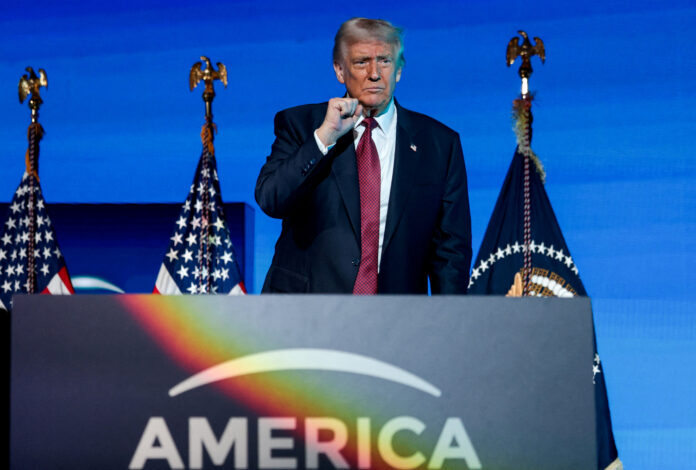
FILE PHOTO: U.S. President Donald Trump gestures during the American Business Forum Miami at the Kaseya Center Arena in Miami, Florida, U.S. November 5, 2025. REUTERS/Jonathan Ernst/File Photo
WASHINGTON (BN24) — President Donald Trump signed an executive order Monday initiating a process to designate certain Muslim Brotherhood chapters as foreign terrorist organizations and specially designated global terrorists, a move that would impose sanctions on branches of one of the Arab world’s oldest and most influential Islamist political movements operating in Egypt, Lebanon and Jordan.
FILE PHOTO: U.S. President Donald Trump gestures during the American Business Forum Miami at the Kaseya Center Arena in Miami, Florida, U.S. November 5, 2025. REUTERS/Jonathan Ernst/File Photo
The directive orders Secretary of State Marco Rubio and Treasury Secretary Scott Bessent to submit a report within 30 days on whether to designate Muslim Brotherhood chapters in those three countries, with formal designations to follow within 45 days after the report’s completion if appropriate, according to a White House fact sheet. The Trump administration accuses Muslim Brotherhood factions of supporting or encouraging violent attacks against Israel and United States partners, or providing material support to Palestinian militant group Hamas.
“President Trump is confronting the Muslim Brotherhood’s transnational network, which fuels terrorism and destabilization campaigns against U.S. interests and allies in the Middle East,” the White House stated, framing the action as part of broader counterterrorism strategy targeting groups Washington considers threats to American security and regional stability.
The designations would make providing material support to targeted chapters illegal under United States law, ban current and former members from entering the country, and enable economic sanctions designed to choke their revenue streams. The process, typically a formality once initiated by presidential order, could result in formal designations arriving sooner than the specified timeline, with the executive order also opening possibilities for blacklisting additional Muslim Brotherhood branches beyond the three countries initially targeted.
Historical Context and Organizational Evolution
The Muslim Brotherhood was founded in Egypt in 1928 by Islamic scholar Hassan al-Banna as a political movement countering the spread of secular and nationalist ideologies following the Ottoman Empire’s collapse and European colonial expansion throughout the Middle East. The organization swiftly spread through Muslim-majority countries, becoming a major political player while often operating in secret or semi-clandestine conditions as governments viewed its influence with suspicion.
Across the contemporary Middle East, Muslim Brotherhood-affiliated parties participate in elections and publicly commit to peaceful political engagement through established democratic processes. The movement evolved from its revolutionary origins into a complex transnational network with offshoots taking varied forms including political parties, social service organizations, charitable foundations and educational institutions that provide services often lacking from state institutions in countries with weak governance structures.
However, several regional governments have outlawed the Muslim Brotherhood, viewing it as existential threat to established political orders. Egypt banned the organization and drove it mostly underground following the 2013 military coup that overthrew elected President Mohamed Morsi, whose Freedom and Justice Party represented the Brotherhood’s political wing. Saudi Arabia, the United Arab Emirates and Bahrain have similarly designated the Brotherhood as terrorist organization, reflecting Gulf monarchies’ concerns about Islamist political movements challenging hereditary rule.
Specific Allegations Against Regional Chapters
The White House fact sheet levels distinct accusations against Muslim Brotherhood chapters in the three targeted countries. According to the administration’s claims, the Lebanese chapter’s military wing, known as al-Jamaa al-Islamiya, helped terror groups launch multiple rocket attacks against civilian and military targets within Israel following Hamas’s October 7, 2023 attack that triggered the current Gaza war.
The White House alleges that a senior Egyptian Muslim Brotherhood leader encouraged violent attacks against United States partners and interests in the Middle East on the same day Hamas perpetrated the October 7 assault, though the fact sheet provides no specific details about which leader made such statements or through what medium. Given that Egypt’s government has banned the Muslim Brotherhood and driven its leadership into exile or imprisonment, the context and credibility of this allegation remains unclear without additional information.
Regarding Jordan, the executive order claims that Jordanian Muslim Brotherhood leaders have “long provided material support to the militant wing of Hamas,” citing unspecified reports without elaborating on the nature, timing or scale of alleged support. The Jordanian chapter, officially known as the Islamic Action Front, operates as legal political party within Jordan’s constitutional monarchy and has historically maintained complex relationship with the Hashemite government, sometimes cooperating and other times facing restrictions depending on political circumstances.
Legal Framework and Designation Process
The executive order directs Rubio and Bessent to consult with the Attorney General and Director of National Intelligence while preparing their report on whether to designate Muslim Brotherhood chapters as Foreign Terrorist Organizations under Title 8, United States Code, Section 1189 and as Specially Designated Global Terrorists under Title 50, United States Code, Section 1702 and Executive Order 13224, which President George W. Bush issued following the September 11, 2001 terrorist attacks.
Foreign Terrorist Organization designation represents the State Department’s most serious classification for groups deemed to threaten United States national security through terrorist activities. The designation triggers multiple legal consequences including criminal penalties for providing material support, immigration restrictions preventing members from entering the United States, and financial sanctions freezing assets under American jurisdiction.
The Specially Designated Global Terrorist classification, administered by the Treasury Department, enables broader economic warfare against targeted entities by prohibiting transactions with American persons or entities and blocking property subject to United States jurisdiction. These combined designations would effectively isolate targeted Muslim Brotherhood chapters from the international financial system and criminalize support from American sources.
Political Context and Right-Wing Advocacy
Blacklisting the Muslim Brotherhood has been a longstanding demand among right-wing activists in the United States who view the movement as inherently extremist regardless of individual chapters’ activities or stated commitments to peaceful political participation. Conservative political figures and organizations have promoted narratives portraying the Brotherhood as existential threat to Western civilization, often describing it as master organization coordinating Islamic extremism globally despite evidence that regional chapters maintain significant autonomy and pursue divergent strategies.
Republican Texas Governor Greg Abbott recently designated both the Muslim Brotherhood and the Council on American-Islamic Relations as “foreign terrorist organizations and transnational criminal organizations,” prompting CAIR to file lawsuit challenging the designations. CAIR Executive Director Nihad Awad told Al Jazeera that “the American Muslim organizations are solid” and based in the United States, expressing hope that formal designations would not impact Muslim American advocacy groups and charities.
However, Awad acknowledged that anti-Muslim activists have promoted “the conspiracy theory that every Muslim organization in the US is a front to the Muslim Brotherhood,” creating environment where designation of overseas chapters could be weaponized against domestic Muslim American institutions through guilt-by-association allegations. Critics warn the move could enable targeting of Muslim American activists on allegations of ties to the Muslim Brotherhood or contributions to charities affiliated with the movement, chilling constitutionally protected religious and political expression.
Regional Implications and Authoritarian Concerns
Critics argue that formal United States designation of Muslim Brotherhood chapters could further enable authoritarianism and crackdowns on free political expression throughout the Middle East by providing American validation for repressive measures regional governments already employ against Islamist political opposition. Countries including Egypt, Saudi Arabia and the United Arab Emirates have used terrorism designations to justify mass arrests, asset seizures and suppression of political dissent targeting not only Muslim Brotherhood members but broader civil society organizations and opposition movements.
The designation could particularly impact Egypt, where the government has imprisoned tens of thousands of Muslim Brotherhood members and supporters since the 2013 coup while using terrorism charges to prosecute peaceful political opposition. American designation would reinforce Egyptian government narratives justifying these crackdowns as counterterrorism measures rather than political repression, potentially encouraging expanded restrictions on remaining civil society space.
In Jordan, where the Islamic Action Front operates legally as political party participating in elections and parliamentary processes, designation could complicate the government’s delicate balancing act managing relationships with Islamist movements while maintaining close security cooperation with the United States and peace treaty with Israel. The Jordanian government might face pressure to take action against the Islamic Action Front despite its legal status and role in national politics.
Lebanon’s sectarian political system, which allocates power among religious communities through complex arrangements, could face additional destabilization if the United States designates al-Jamaa al-Islamiya as terrorist organization. The group participates in Lebanese politics and provides social services to Sunni Muslim communities, with formal terrorism designation potentially disrupting established political equilibrium in a country already suffering severe economic crisis and political dysfunction.
Broader Counterterrorism Strategy Context
The White House positions the Muslim Brotherhood designation within broader counterterrorism efforts initiated since Trump’s return to office. The fact sheet cites previous actions including initiating the process to designate Yemen’s Ansar Allah (Houthis) as foreign terrorist organization in January, designating eight cartels including Tren de Aragua and MS-13 as terrorist organizations in February, and ordering lethal strikes against narcoterrorists to prevent drugs from entering the United States.
This framing connects disparate groups—Middle Eastern political movements, Yemeni rebels, Latin American gangs, and drug traffickers—under unified counterterrorism narrative, though these entities operate in vastly different contexts with unrelated objectives and capabilities. The administration presents these actions as defending American security and promoting international peace and stability, though critics question whether designations address root causes of violence or primarily serve political signaling purposes.
The June proclamation restricting entry of non-immigrants from countries with histories of terrorism or lawlessness referenced in the fact sheet represents continuation of controversial travel ban policies from Trump’s first term that targeted predominantly Muslim countries. Civil liberties advocates challenged those policies as discriminatory religious targeting violating constitutional principles, with litigation producing mixed judicial outcomes that ultimately upheld presidential authority to impose entry restrictions on national security grounds.
Implementation Timeline and Practical Effects
The 30-day timeline for the Rubio-Bessent report followed by 45 days for formal designations means Muslim Brotherhood chapters in Egypt, Lebanon and Jordan could face official terrorist organization status within approximately 75 days of Monday’s executive order, barring unexpected complications or delays. However, the process could accelerate given that such designations typically follow predetermined outcomes once presidential directives are issued.
The practical effects would include criminal liability for Americans or entities under United States jurisdiction providing funds, goods, services or other support to designated chapters. Muslim American charities operating in Egypt, Lebanon or Jordan would need to implement enhanced due diligence ensuring their humanitarian work does not indirectly benefit designated entities, creating compliance burdens that could discourage charitable activities in those countries.
Financial institutions would be required to block transactions involving designated entities and report attempts to circumvent restrictions, with penalties for violations including substantial fines and potential criminal prosecution. International businesses with operations touching the United States financial system would similarly need to avoid dealings with designated chapters, extending American sanctions’ reach beyond direct jurisdiction through secondary effects on global commerce.
Immigration consequences would render current and former members inadmissible to the United States, potentially affecting students, professionals, refugees and others with historic association with Muslim Brotherhood-affiliated organizations seeking to visit, study or resettle in America. The broad definition of membership could capture individuals who participated in Brotherhood activities during periods when it operated legally as mainstream political movement.
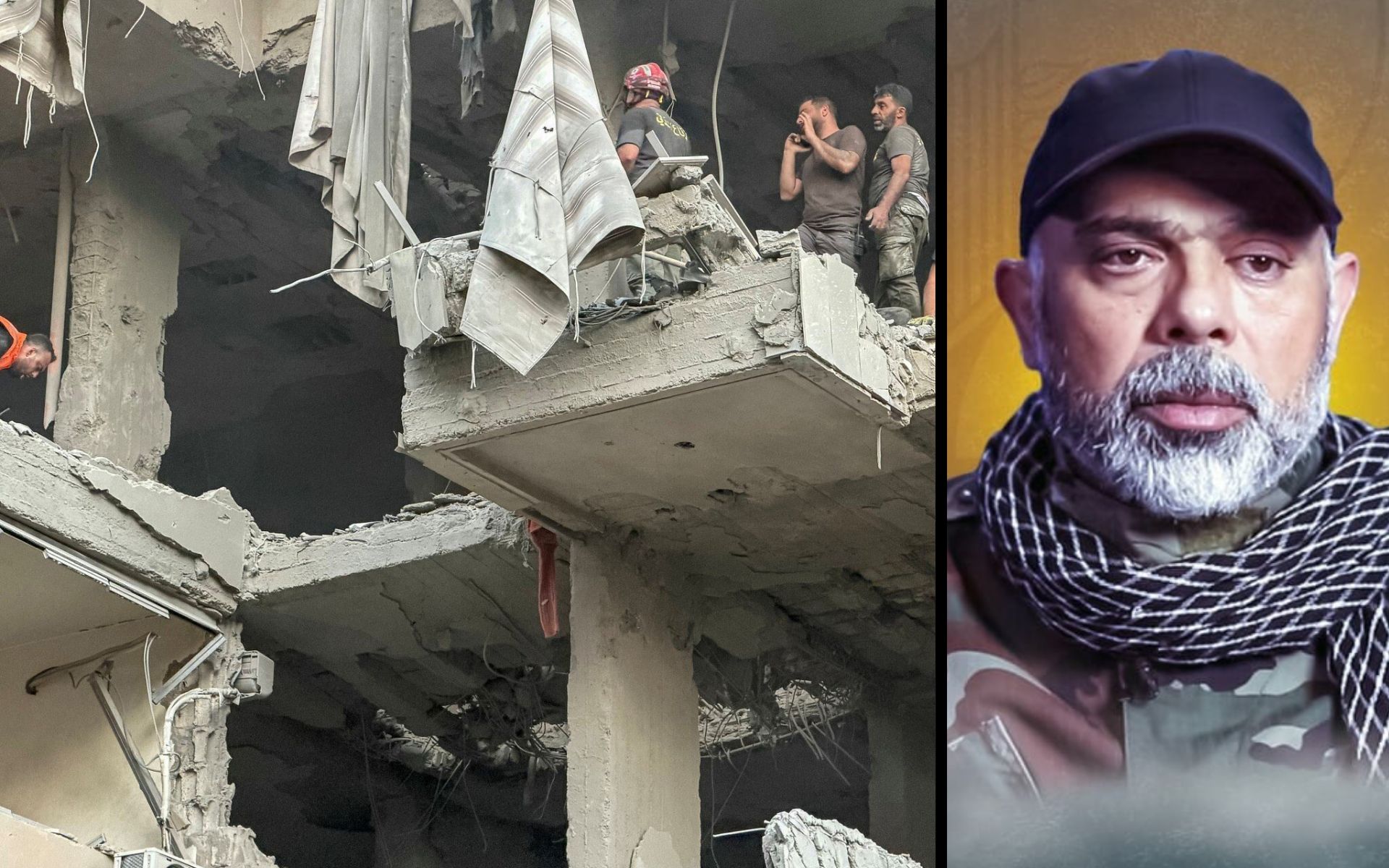
In a move that is expected to exacerbate already strained tensions in the Middle East, Iran has strongly condemned Israel for the assassination of Hezbollah’s top military commander, Haytham Ali Tabatabai. The strike, which occurred in the Lebanese capital of Beirut on November 23, 2025, is seen as a significant escalation in the ongoing conflict between Israel and Hezbollah, as well as a direct challenge to the fragile peace established by the November 2024 ceasefire.
The Assassination and Its Implications
Haytham Ali Tabatabai’s death is a critical moment in the Israel-Hezbollah conflict. The commander, a senior figure in Hezbollah’s military structure, had been appointed to a leading role within the organization following the death or displacement of several top commanders during the prolonged fighting with Israel. His assassination has shocked both Lebanon and the broader Middle Eastern region, as Tabatabai had maintained a low public profile, with few details about his background publicly available before his death.
For Hezbollah, the loss of Tabatabai is a significant blow. The commander was seen as an essential part of the group’s future leadership following the 2024 ceasefire, which had brought an end to more than a year of intense fighting between Hezbollah and Israel. The death of a top commander is a rare occurrence for Hezbollah, a militant group that has long been considered a powerful player in Lebanese politics and regional geopolitics.
Iran, which provides significant military and financial support to Hezbollah, reacted swiftly, with the Iranian Foreign Ministry condemning the assassination as a “cowardly act” that constitutes “a blatant violation of Lebanese sovereignty.” The ministry’s statement further described the attack as a direct violation of the November 2024 ceasefire agreement, which had been brokered with the hope of de-escalating hostilities between Israel and Hezbollah.
Israel’s Continuing Operations in Lebanon
Israel’s actions since the 2024 ceasefire have been contentious. While the truce agreement was meant to halt major military operations, Israeli forces have continued targeted strikes in Lebanon, often citing the need to neutralize Hezbollah’s military infrastructure. However, critics argue that these strikes represent an ongoing Israeli campaign to weaken Hezbollah’s military capabilities, regardless of the ceasefire.
Israeli officials have yet to comment on the specific details surrounding the strike that killed Tabatabai. However, Israeli Prime Minister Benjamin Netanyahu has previously justified military actions in Lebanon by arguing that Hezbollah remains a threat to Israel’s security, particularly in the wake of the group’s role in the ongoing Syrian conflict.
The Broader Geopolitical Context
The assassination of Tabatabai takes place against the backdrop of a broader geopolitical shift in the region. In the wake of Syria’s civil war and the ousting of President Bashar al-Assad’s regime in 2025, Hezbollah’s strategic position in the Middle East has been significantly weakened. Assad’s regime had provided a vital overland connection for Hezbollah’s supply lines from Iran, enabling the group to receive weapons and other military aid. With Assad’s regime now in exile, Hezbollah’s ability to maintain its military activities has been hampered, which has affected its operational effectiveness.
This shift has broader implications for Iran, which has long relied on Hezbollah as a key proxy force in its regional power projection. The Islamic Republic’s influence in Lebanon and Syria, both of which border Israel, has been a cornerstone of its strategy to counter Israeli and Western influence in the region. However, Iran’s efforts have been complicated by Israeli airstrikes, which have targeted not only Hezbollah’s military infrastructure but also Iranian military sites in Syria and Lebanon.
Moreover, the economic and political impact of these ongoing conflicts cannot be overstated. Iran, already struggling under the weight of international sanctions and economic pressure, faces mounting challenges in maintaining its military and economic alliances in the region. The assassination of Tabatabai could signal a new phase in the proxy war between Israel and Iran, one that could lead to further destabilization of the already fragile Lebanese state.
Hezbollah and Israel’s Military Calculations
Hezbollah’s leadership is now tasked with both avenging Tabatabai’s death and navigating the complex internal and external challenges it faces. The group is believed to be reorganizing its leadership structure to compensate for the loss of one of its most senior commanders. As Hezbollah moves forward, it must balance the political and military ramifications of Tabatabai’s assassination with the realities of its weakened state following the extended conflict with Israel.
From Israel’s perspective, the assassination likely signals a calculated decision to undermine Hezbollah’s military capabilities at a time when the group is most vulnerable. The Israeli Defense Forces (IDF) have demonstrated a willingness to strike at high-value targets within Hezbollah, particularly those who have been involved in its military operations in Syria and Lebanon. The Israeli government has made it clear that it will continue to act against what it considers Iranian-backed militias in the region.
What’s Next for Lebanon and Iran?
The economic implications of this new phase in the Israel-Hezbollah conflict are multifaceted. Lebanon, already in the midst of a severe financial and political crisis, stands to be further destabilized by ongoing Israeli military operations. Lebanon’s economy, which is heavily reliant on international aid and remittances, faces the risk of further international isolation as tensions with Israel intensify.
For Iran, the stakes are equally high. With the continued economic pressure from the United States and other Western nations, Iran may seek to retaliate or escalate its military involvement in the region. However, given the current state of its economy, which has been severely impacted by sanctions and the financial burden of supporting proxy groups like Hezbollah, any escalation carries significant risks for Tehran.
A Fragile Peace or Escalation?
Looking ahead, the future of the Israel-Hezbollah conflict remains uncertain. The assassination of Haytham Ali Tabatabai is likely to increase tensions on both sides and may signal the end of the relative peace that has prevailed since the 2024 ceasefire. Hezbollah’s response to the killing will be closely watched, as it may shape the trajectory of the group’s future military actions and its relationship with Iran.
For Israel, maintaining its military operations against Hezbollah and other Iranian-backed militias in the region will continue to be a priority. However, the political and diplomatic consequences of continued escalation—especially if the conflict spreads beyond Lebanon—cannot be ignored.
The regional geopolitical landscape is at a crossroads, and the implications of this latest development will likely resonate far beyond the borders of Lebanon and Israel.
TEL AVIV, Israel (BN24)— The Israeli Defense Forces (IDF) have taken decisive action in response to the devastating October 7, 2023, Hamas attack, which left over 1,000 Israelis dead in what is now considered the deadliest assault in the country’s history. In a move that has sent shockwaves through Israel’s military establishment, three high-ranking generals have been dismissed from their posts, and disciplinary measures have been implemented against several other senior officers. The firings come after an internal investigation revealed a series of systemic failures, intelligence lapses, and leadership breakdowns within the military hierarchy.
The October 7 attack, launched from Gaza, saw Hamas militants breach Israeli borders and target civilian areas with unprecedented ferocity. The scale and brutality of the assault raised alarm internationally, while also raising profound questions about the preparedness of Israel’s military apparatus, particularly given the high level of intelligence warnings in the lead-up to the attack.
The Disciplinary Action: A Sweeping Response to Failures
The Israeli military’s decision to dismiss the three generals follows a report compiled by a committee of experts appointed by Israel’s Chief of Staff, Lieutenant General Eyal Zamir. According to the report, the generals bore “personal responsibility” for the military’s inability to prevent the attack. Among those dismissed was the former head of military intelligence, who was serving in the role at the time of the assault. The other two generals were divisional commanders whose forces were directly involved in the defense of southern Israel during the attack.
The military statement issued on Sunday confirmed that these high-ranking officers had already resigned from their positions before the formal dismissal. While it was not immediately clear whether these resignations were voluntary or a result of pressure from the military or government, the timing suggests that the leadership had already anticipated the findings of the internal investigation.
In addition to the three generals, the Israeli military has also imposed disciplinary actions on other senior figures, including the heads of the Navy and Air Force, who have faced scrutiny for the lack of a coordinated defense response. Four additional generals, along with several lower-ranking officers, have also been disciplined as part of the broader fallout.
Systemic Failures and Intelligence Lapses
The findings of the internal investigation have shed light on a series of critical failures that contributed to the attack’s success. One of the key conclusions was a “long-standing systemic and organizational failure” within the IDF. The report detailed a lack of coordination and poor decision-making processes across various military divisions, which hindered the military’s ability to respond effectively to the threat posed by Hamas.
A particularly damning section of the report focused on a “critical intelligence failure.” Despite having access to high-quality intelligence about Hamas’s intentions, the military was unable to act on this information in time. The report emphasized that Israel had received numerous warnings regarding potential Hamas activity in Gaza, but the intelligence was either not sufficiently acted upon or was delayed in reaching the relevant command centers.
Furthermore, the inquiry highlighted deficiencies in force deployment and decision-making, particularly on the night of October 7. The military’s command structure was found to be overly rigid, with insufficient flexibility in mobilizing forces or adapting to the rapidly evolving situation on the ground. The failure to effectively deploy reserve units or provide timely air support during the critical hours of the attack exacerbated the scale of the tragedy.
Political Repercussions and Public Pressure
The Israeli military’s response to the Hamas assault has drawn significant political scrutiny, with calls for accountability from both within Israel and the international community. In the weeks following the attack, public anger grew over what many saw as an avoidable disaster. The attack not only highlighted the vulnerability of Israel’s defenses but also raised uncomfortable questions about the priorities and readiness of the IDF in the face of growing threats from Gaza.
In response to the widespread criticism, Armed Forces Chief Lieutenant General Eyal Zamir had earlier called for a “systemic investigation” into the military’s failure to prevent the attack. His statement came after public pressure mounted for a formal inquiry, although the government appeared hesitant to establish a state commission of inquiry, fearing potential political fallout.
Zamir’s internal review of the attack, which ultimately led to the dismissals, was seen as a direct attempt to quell public dissatisfaction with the military’s handling of the situation. However, the Israeli government has yet to make a clear statement regarding its role in the failures outlined in the report, and whether further political or military leaders will face accountability.
The Broader Implications for Israel’s Military Strategy
The firings and disciplinary actions have significant implications for the Israeli military, which has long been regarded as one of the most advanced and capable fighting forces in the world. The October 7 attack, coupled with these leadership shakeups, raises important questions about the future of Israel’s defense strategy, particularly in relation to Hamas and other militant groups operating in Gaza.
Israel has already begun to reassess its intelligence gathering and decision-making processes in light of the report’s findings. The military is expected to overhaul several key aspects of its operations, with an emphasis on enhancing interdepartmental coordination and establishing a more agile, responsive command structure. Furthermore, the IDF may also invest in strengthening its intelligence operations, particularly in early warning systems and the rapid analysis of incoming intelligence.
Given the ongoing tensions with Hamas and other militant factions in Gaza, Israel’s military leadership will likely face intense scrutiny as it works to rebuild confidence in its ability to defend the nation against future threats.
Future Outlook: Restoring Confidence in the IDF
The road to recovery for Israel’s military will be long, and the fallout from the October 7 attack will undoubtedly reverberate through both the IDF and Israeli society for years to come. While the dismissal of high-ranking officers is a significant step in addressing the military’s failures, it remains to be seen whether this will be enough to restore public trust in the armed forces. The military’s ability to learn from these mistakes and adapt to the changing landscape of security threats will be critical in determining its future effectiveness.
Moreover, Israel’s political leadership will need to play a role in restoring confidence in the country’s defense institutions. As the investigation into the attack continues, it is clear that both the military and political apparatus will need to engage in a broader dialogue about Israel’s defense strategy, one that reflects the evolving challenges posed by militant groups like Hamas.
For now, Israel is left to contend with the aftermath of a tragedy that exposed fundamental vulnerabilities in its military apparatus. The dismissal of three generals is just one chapter in an ongoing process of reflection, accountability, and reform.
JOHANNESBURG, South Africa (BN24)— The Nigerian entertainment industry is reeling from the sudden death of beloved Nollywood actor Odira Nwobu, who passed away on November 24, 2025, while visiting South Africa on a work trip. The actor, who was part of a group of influencers traveling for professional engagements, was found unresponsive in his hotel room.
The confirmation of his passing came from the President of the Actors Guild of Nigeria (AGN), Emeka Rollas, who expressed deep sorrow over the tragic loss. “It is with a heavy heart that we confirm the sudden demise of our colleague, Odira Nwobu. He was a great talent, a rising star in Nollywood, and this news is a huge blow to all of us,” Rollas said in a statement to Lagos Information Bureau (LIB).
Reports indicate that Nwobu, who had been traveling for work with eight other influencers, was found unresponsive in his room on Monday morning. The actor had shared a picture of himself on social media just hours before his passing, raising questions among his followers who did not indicate any health issues.
According to sources close to the late actor, an autopsy is currently being awaited to determine the precise cause of death. Unofficial reports, however, suggest that Nwobu may have been struggling with high blood pressure before the incident, though this has not been confirmed by his family or medical professionals at this time.
The news of his passing has sent shockwaves throughout Nollywood, where Nwobu was regarded as one of the promising young stars. His sudden death has left his fans, colleagues, and family members in disbelief, with many taking to social media to express their condolences and share fond memories of the actor.
Odira Nwobu, though relatively new to Nollywood, had quickly built a name for himself with his strong performances in a variety of films. Known for his versatility and charming screen presence, Nwobu had gained a devoted fanbase in Nigeria and beyond. His roles in both romantic comedies and dramatic films showcased his range as an actor, and he was considered one of the industry’s brightest rising stars.
Despite his rising popularity, Nwobu had remained grounded and was beloved by his peers. Fellow actors, producers, and directors have taken to social media to mourn the loss of a talented artist whose future in the industry seemed incredibly bright. Many have described him as a kind and hardworking individual, a description that underscores the pain felt by the Nollywood community at his passing.
“Odira was not just a colleague; he was a friend to many of us in the industry. His talent was unmatched, and his passion for his craft was evident in every role he played. We will miss him dearly,” said Nollywood actor and director Chidi Mokeme, in a tribute to the late star.
While the precise cause of Odira Nwobu’s death remains unknown, the speculation surrounding his health highlights an important issue in both the entertainment industry and in Nigerian society at large: the rising prevalence of hypertension and its impact on public figures.
Reports suggest that Nwobu may have been dealing with high blood pressure, a condition that affects a significant portion of the Nigerian population and is often exacerbated by stress, poor lifestyle choices, and lack of proper medical care. Hypertension is a silent killer, and many individuals are unaware of their condition until it leads to severe health complications, including heart attack, stroke, or, in extreme cases, sudden death.
As more details emerge, there will likely be renewed conversations in Nigeria about the importance of regular health check-ups and better health awareness, especially among public figures who often live under the intense pressures of fame and demanding work schedules.
As news of his death spread, tributes from fans and colleagues alike flooded social media platforms. Many expressed disbelief, with some reflecting on Nwobu’s youthful energy, dedication, and the promise he showed in his early career. His death has also sparked discussions about the need for greater mental and physical health awareness among entertainers, many of whom face the pressures of constant public scrutiny and long working hours.
The Nigerian film industry, often characterized by its vibrancy and resilience, now finds itself in mourning, reflecting on the loss of one of its most talented young stars. The tribute messages have poured in from not only actors and filmmakers but also fans from across Nigeria and beyond, with many sharing their fond memories of Nwobu’s work and his personality.
Nollywood, Africa’s largest film industry, has grown exponentially in recent years, both in terms of output and global recognition. The death of Odira Nwobu underscores the challenges that many entertainers face, both in terms of the intense pressures of their careers and the physical toll that their work can take. While the entertainment world often celebrates its stars, it is equally important to acknowledge the realities of health and well-being that can be overshadowed by the demands of fame.
The sudden loss of Nwobu will undoubtedly impact the trajectory of his fellow actors and collaborators, but it will also serve as a sobering reminder of the importance of self-care, health awareness, and the need for support within the industry.
As Nollywood grapples with this devastating loss, fans and colleagues alike are left to reflect on the life and career of a talented actor whose star was rising fast. Tributes have poured in from across the globe, with many hopeful that his memory will continue to inspire the next generation of Nigerian filmmakers and performers.
Although his time in the spotlight was tragically brief, Odira Nwobu’s contribution to Nollywood will not be forgotten. His talent, work ethic, and vibrant personality will continue to resonate within the industry for years to come. As the investigation into his death continues, those who knew him best remain hopeful that his memory will live on through the stories he told on screen and the lasting impact he had on the Nigerian entertainment world.
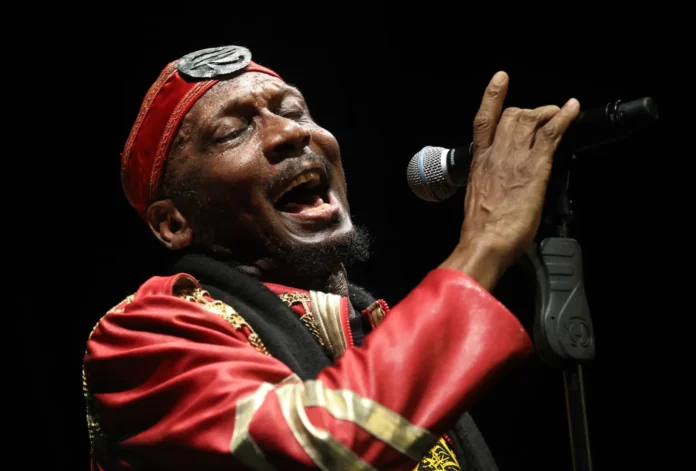
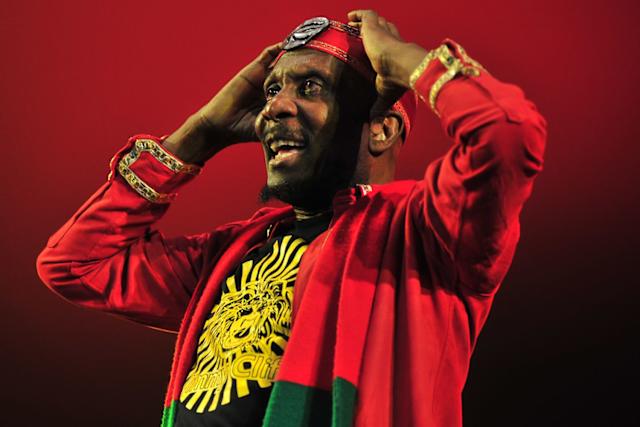
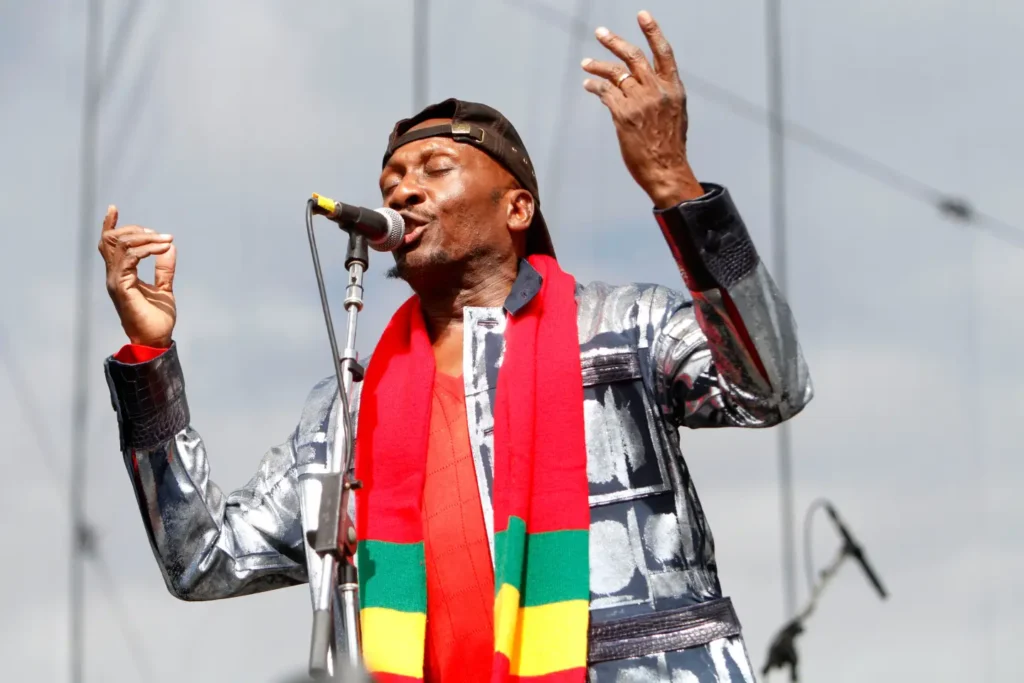
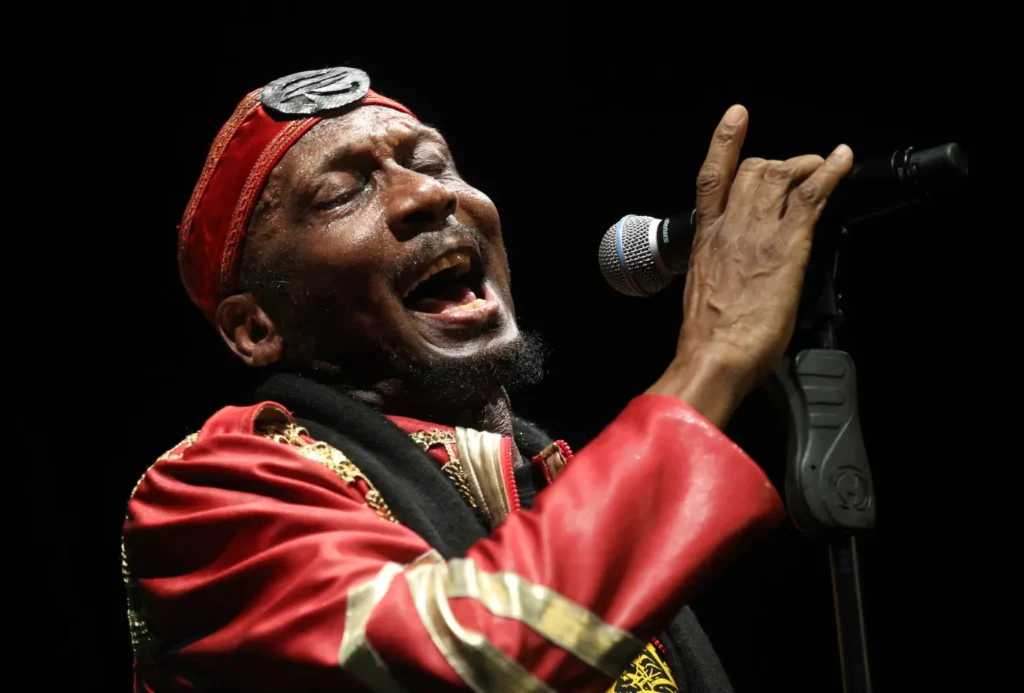
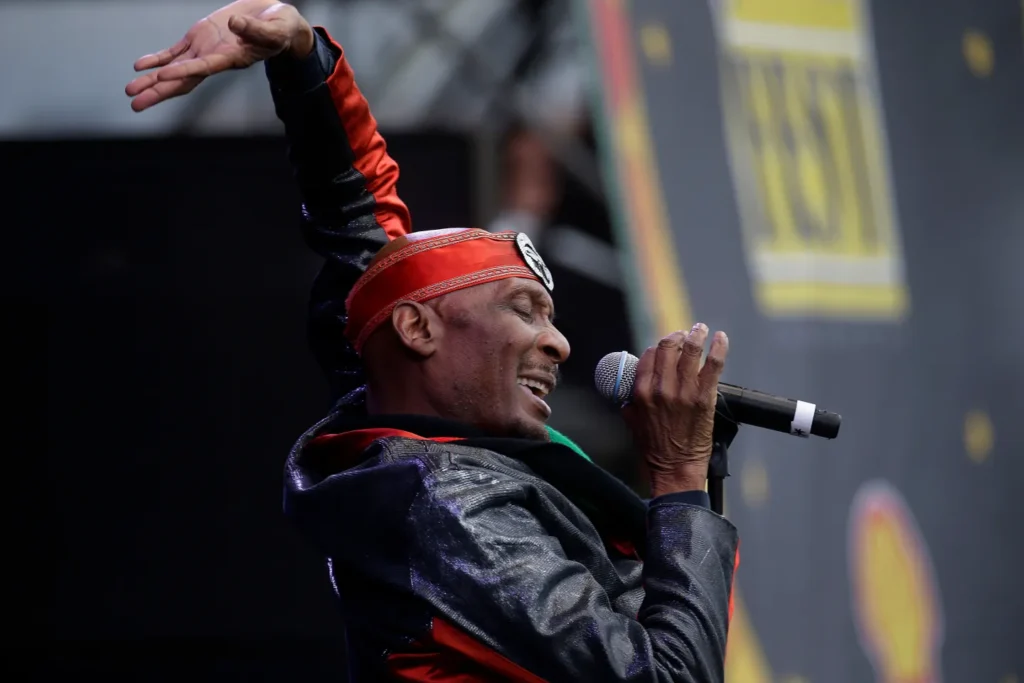
Jimmy Cliff, the charismatic Jamaican singer who helped transform reggae from Caribbean regional sound into global musical phenomenon through his starring role in the landmark 1972 film “The Harder They Come” and an extraordinary catalog of socially conscious songs spanning six decades, died Monday at age 81, according to his wife Latifa Chambers.
The cause was a seizure followed by pneumonia, Chambers announced on social media Monday, thanking medical staff and fans worldwide for their support. “It’s with profound sadness that I share that my husband, Jimmy Cliff, has crossed over due to a seizure followed by pneumonia,” she wrote. “To all his fans around the world, please know that your support was his strength throughout his whole career. He really appreciated each and every fan for their love.”
Cliff’s death removes one of reggae music’s foundational figures, an artist whose infectious optimism, defiant spirit and humanitarian messaging created anthems that transcended cultural boundaries while giving voice to marginalized communities. Born James Chambers on July 30, 1944 during a hurricane in St. James Parish, northwestern Jamaica, he achieved national fame at just 14 years old with “Hurricane Hattie” before embarking on a career that would produce over 30 albums, two Grammy Awards, and induction into the Rock and Roll Hall of Fame in 2010.
Cultural Impact of “The Harder They Come”
“The Harder They Come,” directed by Perry Henzell and starring Cliff as aspiring reggae musician Ivanhoe “Ivan” Martin who turns to crime when his career stalls, stands as watershed moment not only for Cliff’s career but for Jamaican cinema and reggae music’s global expansion. The film, Jamaica’s first major commercial release, initially sold few tickets despite critical praise from reviewers including Roger Ebert. However, it has since achieved status as cultural touchstone, with its soundtrack widely cited among the greatest ever recorded and credited as turning point in reggae’s worldwide ascendance.
Cliff recalled the film’s origins in a 2022 Variety interview marking its 50th anniversary, explaining that Ivanhoe represented “a real-life character for Jamaicans” he had heard about as a child. “When I was a little boy, I used to hear about him as being a bad man. A real bad man. No one in Jamaica, at that time, had guns. But he had guns and shot a policeman, so he was someone to be feared. However, being a hero was the manner in which Perry wanted to make his name — an anti-hero in the way that Hollywood turns its bad guys into heroes.”
The film’s delayed release, postponed some two years due to sporadic funding, ultimately proved fortuitous as reggae’s popularity surged internationally during the early 1970s. For a period, Cliff rivaled Bob Marley as the genre’s most prominent artist, with the “Harder They Come” soundtrack featuring Cliff on four of eleven songs alongside Toots and the Maytals, the Slickers and Desmond Dekker. Each of Cliff’s contributions entered the reggae canon as essential recordings that defined the genre’s sound and social consciousness.
Signature Songs and Enduring Musical Legacy
“Sitting in Limbo” captured moody hopefulness of lives in restless motion, while “You Can Get It If You Really Want” and the title track “The Harder They Come” delivered calls for action with vows of ultimate justice: “The harder they come, the harder they fall, one and all.” Yet perhaps Cliff’s most emotionally resonant composition, “Many Rivers to Cross,” emerged from his confrontation with racism in England during the 1960s.
“It was a very frustrating time. I came to England with very big hopes, and I saw my hopes fading,” Cliff told Rolling Stone in 2012, explaining the gospel-influenced lament that became one of reggae’s most covered and celebrated songs. The composition’s weary spiritual cry resonated across cultures and generations, performed by artists ranging from John Lennon to UB40 while appearing in countless films and television programs.
Cliff’s international breakthrough accelerated during the late 1960s after signing with Island Records, the world’s leading reggae label founded by Chris Blackwell, who also launched Bob Marley and the Wailers to global stardom. Though Blackwell tried marketing Cliff to rock audiences with limited initial success, the singer still reached new listeners through his cover of Cat Stevens’ “Wild World” and the top-ten UK hit “Wonderful World, Beautiful People.”
His widely heard protest anthem “Vietnam,” which Bob Dylan reportedly called “the greatest protest song ever written” according to Cliff’s official website, was inspired by a friend who served in the war and returned damaged beyond recognition. The song exemplified Cliff’s humanitarian perspective, weaving social justice themes throughout his extensive catalog while maintaining infectious melodicism that made political messages accessible to mainstream audiences.
From Kingston Youth to International Recognition
Cliff moved from his family’s farm to Jamaica’s capital Kingston during the 1950s with his father, determined to succeed in the music industry during a transformative period when the nation gained independence from Britain and early sounds of reggae—initially called ska and rocksteady—were catching on. Adopting the stage name Jimmy Cliff, he scored local hits including “King of Kings” and “Miss Jamaica” before being selected to represent his country at the 1964 World’s Fair in New York City, a prestigious showcase that introduced him to American audiences.
“Reggae is a pure music. It was born of the poorer class of people,” Cliff told Spin magazine in 2022. “It came from the need for recognition, identity and respect.” This connection to reggae’s working-class origins and social justice foundations remained constant throughout his career, even as he achieved international fame that placed him among music’s elite performers.
His success contradicted the narrative of “The Harder They Come,” where fictional Ivan Martin’s musical ambitions are crushed by industry exploitation and corruption. Cliff overcame similar barriers that derailed countless talented Jamaicans, though he remained conscious of how exceptional his trajectory proved. “Back in those days there were few of us African descendants who came through the cracks to get any kind of recognition,” he told The Guardian in 2021. “It was easier in music than movies. But when you start to see your face and name on the side of the buses in London that was like: ‘Wow, what’s going on?'”
Sustained Creative Output Across Decades
Though Cliff’s commercial peak coincided with “The Harder They Come,” he maintained steady creative output for decades following a brief hiatus in the late 1970s. His collaborations included session work with the Rolling Stones and recordings with Wyclef Jean, Sting, Annie Lennox, Elvis Costello and Paul Simon among others. His biggest Billboard hit arrived in 1993 with a top-twenty remake of “I Can See Clearly Now” from the “Cool Runnings” soundtrack, introducing his music to a new generation raised on the film’s feel-good celebration of Jamaican bobsled team determination.
Cliff earned seven Grammy nominations throughout his career, winning twice for best reggae album: in 1985 for “Cliff Hanger” and in 2012 for “Rebirth,” produced by punk band Rancid’s Tim Armstrong and widely regarded as his strongest work in years. His other notable albums included the Grammy-nominated “The Power and the Glory,” “Humanitarian” and the 2022 release “Refugees,” demonstrating continued relevance and creative vitality into his eighth decade.
His music achieved political significance beyond entertainment value, with Nicaragua’s Sandinistas using “You Can Get It If You Really Want” as campaign theme while Bruce Springsteen expanded Cliff’s U.S. audience through his live cover of “Trapped,” featured on the million-selling 1985 charity album “We Are the World.” These adoptions by political movements and major rock stars testified to the universal appeal of Cliff’s messages about perseverance, justice and human dignity.
Acting Career and Cultural Representation
Beyond “The Harder They Come,” Cliff appeared in Robin Williams comedy “Club Paradise,” contributing several songs to the soundtrack and performing with Elvis Costello on “Seven Day Weekend.” He also participated in Steve Van Zandt’s anti-apartheid protest anthem “Sun City,” joining an international coalition of artists taking public stand against South African racial oppression. These projects demonstrated Cliff’s commitment to using his platform for causes beyond commercial success.
“The Harder They Come” redefined international perceptions of Jamaica beyond tourist-brochure images of beaches, cocktails and waterfalls, instead portraying the grittier realities of Jamaican life including poverty, violence and structural inequality. This more honest representation proved revolutionary, establishing template for authentic Caribbean cultural expression that influenced generations of filmmakers and musicians from the region.
Director Henzell reportedly convinced Cliff to accept the role by flattering him: “You know, I think you’re a better actor than singer,” Cliff recalled him saying. Though primarily a musician, Cliff delivered compelling performance that made Ivan Martin’s tragic arc emotionally resonant while his natural charisma translated effectively to screen, suggesting alternate career path he might have pursued had circumstances been different.
Recognition and Honors
The Jamaican government awarded Cliff the Order of Merit, the nation’s highest honor in arts and sciences, recognizing his role in elevating Jamaica’s cultural profile internationally. His 2010 Rock and Roll Hall of Fame induction acknowledged reggae’s influence on global popular music and Cliff’s specific contributions to the genre’s development and worldwide dissemination.
These official recognitions arrived after decades during which Cliff’s music provided soundtrack for social movements, personal struggles and celebrations across cultures. His songs appeared in films, television shows and commercials while being covered by artists across genres, from rock to pop to hip-hop, demonstrating the universal language of his melodies and messages.
Final Years and Lasting Hunger
Despite losing his sight in later years, Cliff maintained creative ambition and performing schedule into his final decade. “When I’ve achieved all my ambitions, then I guess that I will have done it and I can just say ‘great,'” he said in a 2019 interview. “But I’m still hungry. I want it. I’ve still got the burning fire that burns brightly inside of me. I still have many rivers to cross!”
This reference to his signature song captured Cliff’s philosophy of constant forward motion despite obstacles, challenges and limitations. The spiritual restlessness that produced “Many Rivers to Cross” never dissipated, driving him to continue creating and performing even as physical capabilities diminished with age.
His 2022 album “Refugees” addressed contemporary displacement crises, demonstrating that social consciousness animating his 1960s protest songs remained vital. The humanitarian perspective that characterized his entire career—giving voice to the oppressed while celebrating resilience and joy—defined his artistic legacy as much as any particular song or performance.
For fans worldwide, Cliff’s music provided more than entertainment; it offered affirmation that struggle need not extinguish hope, that poverty need not crush spirit, and that marginalized voices deserve to be heard. These messages, delivered through infectious melodies and Cliff’s spirited tenor, transcended language barriers and cultural differences to touch millions across generations.
A coordinated suicide assault on a major Pakistani security compound rocked the northwestern city of Peshawar on Monday, killing at least three officers and injuring several more in one of the most brazen attacks on a federal security installation this year. Authorities say the bombing is the latest indication that militant networks along the Afghan frontier are growing more aggressive as political and military tensions deepen between Islamabad and Kabul.
Security officials said the attackers stormed the provincial headquarters of the Federal Constabulary shortly after dawn, targeting a site that sits at the heart of Pakistan’s counterinsurgency apparatus. According to Arab News, gunmen opened fire as they forced their way into the complex before detonating their explosive vests inside the grounds. A senior paramilitary official confirmed to the outlet that three members of the force died in the assault.
A senior law enforcement official involved in the response told Reuters on condition of anonymity that the attackers appeared to have trained specifically for a multiphase assault. “The first bomber triggered his explosives at the gate, opening the way for the others,” the official said. He added that police and soldiers sealed the district around the headquarters as officers searched the area for additional suspects, fearing more attackers had slipped inside the densely populated neighborhood.
The chaos unfolded as commuters were beginning their day in Peshawar, a city long familiar with militant violence but still deeply unsettled each time it returns. A resident, Safdar Khan, told Reuters the area was quickly locked down. “The roads were shut, and the army and police were everywhere,” he said.
Medical staff at Lady Reading Hospital, the city’s main trauma center, said at least five people were wounded, including two paramilitary personnel, according to hospital spokesperson Mohammad Asim, who spoke to Arab News.
The casualty figures varied among early reports, suggesting confusion typical of attacks of this scale. The Associated Press reported that two suicide bombers carried out the assault, not three, and said 11 people were wounded. Peshawar Police Chief Saeed Ahmad told AP that one attacker detonated his explosives at the main gate while another was shot dead near a parking area before he reached the morning parade ground, where nearly 150 officers had gathered for drills. Ahmad said the prompt intervention by security personnel likely prevented a catastrophe, adding that investigators were collecting body parts for DNA analysis to determine the attackers’ identities.
So far, no group has publicly claimed responsibility. But the Pakistani Taliban — known as Tehrik-e-Taliban Pakistan, or TTP — remain prime suspects, given their repeated assaults on government and security targets and their recent resurgence in the border region. The TTP, while organizationally separate from the Afghan Taliban, maintains ideological and tactical ties with its counterparts who now govern Afghanistan. Pakistan has long accused Afghan authorities of tolerating the group’s presence on their soil, a claim Kabul rejects.
The attack comes during a period of heightened strain between Islamabad and Kabul following a spate of cross-border skirmishes and tit-for-tat accusations. Last month’s deadly clashes and Afghanistan’s public grievance over Pakistani drone operations set the stage for weeks of diplomatic recriminations before Qatar mediated a temporary ceasefire on October 19. Subsequent talks in Istanbul between Afghan and Pakistani officials failed to produce commitments that Pakistan sought regarding TTP activity.
The Peshawar bombing also follows a suicide strike outside a courthouse in Islamabad less than two weeks ago, which killed 12 people. That attack, too, heightened anxiety about the militant landscape, particularly in major urban centers that had seen a relative decline in mass-casualty incidents over the past several years.
Although the Federal Constabulary headquarters is not a front-line battlefield post, it plays a crucial role in Pakistan’s internal security strategy — making it an attractive target for insurgents looking to demonstrate capability and undermine public confidence. The force is tasked with protecting government facilities, assisting police operations, and responding to unrest across the country, especially in Khyber Pakhtunkhwa province where militant activity is concentrated.
President Asif Ali Zardari and Prime Minister Shehbaz Sharif condemned the attack in statements carried by national media. Zardari described it as “a cowardly act sponsored by foreign-backed terrorists,” while Sharif praised the quick response by officers who, he said, prevented a larger tragedy.
Implications for Security, Economy, and Regional Stability
Monday’s attack reverberates beyond the immediate human toll. It highlights an evolving competitive landscape in the militant ecosystem along the Afghan frontier. The TTP, Islamic State Khorasan Province (ISKP), and smaller splinter factions are vying for relevance, influence, and recruits. These groups increasingly see attacks on high-profile security installations as a way to project strength, especially at a time when Pakistani forces have escalated operations along the border.
Strategically, Pakistan faces a dilemma: intensified military pressure risks inflaming tensions with Afghanistan’s Taliban leadership, while a softer approach risks emboldening militant cells. The Taliban’s refusal during Istanbul talks to issue formal guarantees about TTP activity leaves Pakistan with few diplomatic channels capable of producing security assurances.
Economically, every high-profile attack contributes to declining investor confidence in a country already struggling with persistent inflation, currency pressure, and an urgent need for foreign capital. Peshawar is not Pakistan’s financial center, but security instability anywhere in the country is closely monitored by foreign investors assessing risk exposure. Companies with logistics routes through Khyber Pakhtunkhwa — particularly those tied to China’s Belt and Road Initiative and the China-Pakistan Economic Corridor — are likely to reassess security expenses and insurance costs.
Domestically, Pakistan’s security agencies have been trying to rebuild public trust following several high-profile intelligence failures. A breach at the Federal Constabulary headquarters will intensify scrutiny of internal security protocols and potentially accelerate calls for reforms to command-and-control structures.
Looking ahead, analysts expect further escalation unless Afghanistan and Pakistan establish a durable mechanism to manage cross-border militant movement. Without it, Pakistan’s ongoing counterterrorism operations — which have reportedly killed dozens of insurgents in recent weeks — may provoke retaliatory attacks in urban centers like Peshawar, Islamabad, and Quetta. Officials privately acknowledge that the militant threat is shifting from rural insurgency zones to more ambitious, symbolically potent targets.
For now, investigators are attempting to reconstruct the bombers’ movements and determine whether they had inside support. But for many in Peshawar, Monday’s attack reinforces a familiar fear: that the city remains a frontline in a conflict that refuses to fade.
Israel’s targeted strike in a densely populated suburb of Beirut has killed Hezbollah’s acting chief of staff, Haytham Ali Tabatabai, along with the group’s longtime leader Hassan Nasrallah, according to statements from Israeli officials and Hezbollah. The deaths mark one of the most consequential blows to the Iran-backed movement in more than three decades, sending shockwaves through Lebanon and raising the prospect of a deeper regional confrontation.
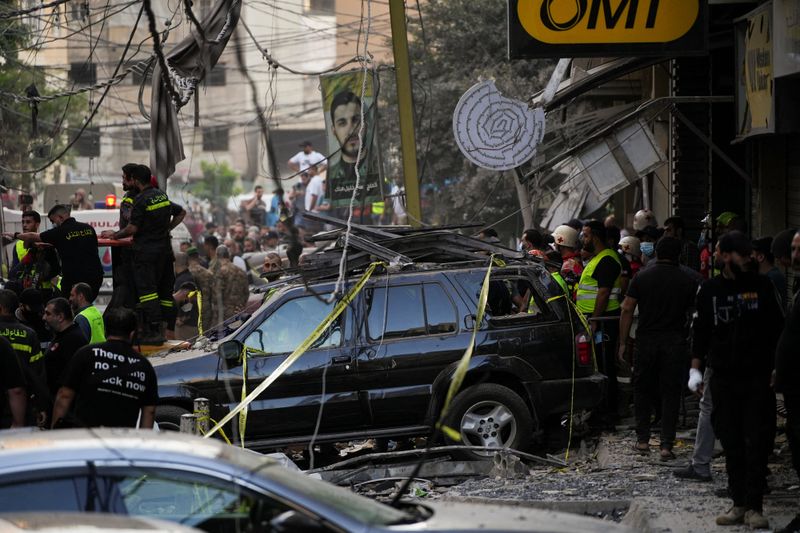
Israeli spokesman Lt. Col. Nadav Shoshani said in a statement that Nasrallah was killed in Friday’s airstrike on Dahiyeh, a stronghold of Hezbollah in southern Beirut. Lebanese authorities reported at least six residential buildings were flattened and more than 90 people injured. The country’s health ministry confirmed at least five fatalities in addition to the commanders killed.
Hezbollah later issued a formal acknowledgment of Nasrallah’s death, condemning what it called a “treacherous Zionist strike” and promising continued resistance in support of Gaza and “in defense of Lebanon and its steadfast people.”
The Israeli military said Tabatabai — a man Washington sanctioned in 2016 and placed a $5 million bounty on — was a central architect of Hezbollah’s military wing. Prime Minister Benjamin Netanyahu described him as a “mass murderer” whose operations resulted in the deaths of Israelis and Americans.
A Blow to Hezbollah’s Strategic Core
Nasrallah’s death is widely regarded as the most significant leadership loss in Hezbollah’s history. For more than 32 years, he served as the group’s political and ideological anchor, guiding its transformation from a fragmented militia into a hybrid political-military force with influence stretching across the Middle East.
Regional analysts told Al Jazeera that Nasrallah’s stature — both symbolic and strategic — was unmatched within the organization. Correspondent Stefanie Dekker said he was “Iran’s linchpin” in Lebanon, while journalist Zeina Khodr noted he was the mastermind behind Hezbollah’s military doctrine.
His killing comes during a period of heightened strain between Israel and Hezbollah following the Gaza war, with the group firing rockets from southern Lebanon in support of Hamas in October 2023. Although a U.S.-brokered truce in 2024 reduced hostilities, Israel continued its near-daily targeting of what it said were Hezbollah logistical networks, weapons depots and commanders.
Market and Economic Impact on Lebanon
The latest strike threatens to aggravate Lebanon’s fragile financial system, already battered by inflation, currency collapse and a prolonged political vacuum. Investor confidence, which had shown mild signs of stabilization in recent months, plunged further as fears spread that Beirut could again become the epicenter of a wider conflict.
Real estate analysts in the capital say property values in Dahiyeh and surrounding districts have fallen sharply since the strike, with many residents abandoning homes for safer areas. Lebanon’s commercial sector — long hampered by power shortages and capital controls — could face new supply disruptions if the violence expands.
The United Nations reported that more than 211,000 people have been displaced from southern Lebanon since the conflict escalated earlier in the week. That figure is expected to rise following the destruction in Beirut.
Healthcare providers report closures of at least 20 primary care centers in conflict-hit areas, straining a medical system already weakened by years of economic crisis.
Regional Power Dynamics and Iran’s Response
Iranian Supreme Leader Ayatollah Ali Khamenei dismissed claims that Hezbollah’s “structure” had been critically damaged, urging Muslim nations to support the group. But Middle East analysts say the killing of both Nasrallah and Tabatabai represents a severe strategic setback for Tehran.
Elijah Magnier, a Beirut-based analyst, told Al Jazeera that Nasrallah’s charisma and authority were irreplaceable: “There is no other leader with that level of influence — not only in Lebanon but across the region.”
While Iran has not outlined how it may respond, Tehran-based journalist Tohid Asadi told Al Jazeera that observers expect a period of “strategic patience” while the organization regroups.
Israel’s Strategy: Decapitation as Deterrence
Netanyahu framed the Beirut operation as part of Israel’s broader effort to dismantle Hezbollah’s command hierarchy and limit its ability to relaunch attacks. He credited the IDF for acting on recommendations from top defense officials and insisted Israel would not allow Hezbollah to rebuild.
Defense Minister Israel Katz echoed those remarks, saying anyone who “raises a hand against Israel” would face decisive retaliation.
Israel argues that Hezbollah continues to violate the truce by attempting to rebuild weapons capabilities. Israeli officials said Tabatabai played a central role in efforts to reconstitute Hezbollah’s Radwan Force — a specialized unit trained for cross-border raids into northern Israel.
Lebanon’s Political Calculus and the Road Ahead
Lebanese President Joseph Aoun called on the international community to intervene and halt Israeli strikes. The government has repeatedly accused Israel of violating the 2024 ceasefire through continued aerial attacks and occupation of disputed posts.
Political scientists warn that Nasrallah’s absence could reshape Lebanon’s internal power balance. For years, Hezbollah’s dominance has been contested by Sunni, Druze and Christian factions that accuse the group of deepening Lebanon’s isolation.
Without its longtime leader, Hezbollah may face an internal struggle over succession, potentially weakening its cohesion during a volatile moment in the region.
Future Outlook: A Crossroads for the Middle East
With both Israel and Iran-backed groups recalibrating after Nasrallah’s death, analysts say the coming weeks will determine whether the confrontation escalates into a wider war or settles into another protracted standoff.
Hezbollah has not fired on Israel since the ceasefire took effect and has said it continues to abide by terms of the agreement. But the loss of high-level commanders could pressure the organization to respond militarily to preserve credibility among its supporters.
Humanitarian concerns are rising across Lebanon as civilians flee affected neighborhoods. The upcoming visit of Pope Leo, scheduled for next week, has become a symbolic moment for many Lebanese who hope the world is paying attention as the country faces one of its gravest crises in years.
CINCINNATI (BN24) — Lionel Messi delivered another playoff masterpiece Sunday night, orchestrating all four goals in Inter Miami’s 4-0 demolition of FC Cincinnati to send the Herons into their first Eastern Conference final in franchise history. The Argentine legend scored once and assisted three times at TQL Stadium, shattering MLS playoff records while demonstrating why he remains world football’s most transformative player even at this stage of his storied career.
The victory positions third-seeded Miami just 90 minutes from their inaugural MLS Cup appearance, though the triumph represents far more than Messi’s individual brilliance. Manager Javier Mascherano’s tactical decisions—particularly the bold choice to bench veteran striker Luis Suarez in favor of 19-year-old Mateo Silvetti—proved decisive in a comprehensive performance that extended Miami’s playoff shutout streak past 200 minutes.
Messi’s four goal contributions against second-seeded Cincinnati elevated his playoff total to an unprecedented 12 involvements—six goals and six assists—across Miami’s postseason campaign. This shattered the previous MLS playoff record for single-campaign goal contributions, underlining the eight-time Ballon d’Or winner’s immediate impact on American soccer’s landscape since his summer 2023 arrival.
The World Cup champion’s statistical dominance tells only partial story. His 19th-minute header from Silvetti’s short cross broke a personal three-match scoreless streak against Cincinnati while opening scoring in a match Miami controlled from start to finish. The goal represented Messi’s 11th across his last seven appearances across all competitions, demonstrating sustained form as playoffs intensify.
Beyond the opening goal, Messi’s vision created three additional scores. His precise through-ball found Tadeo Allende for Miami’s third goal in the 62nd minute, then repeated the service for Allende’s second in the 74th minute. Between those assists, Silvetti finished Messi’s setup to establish a 2-0 advantage just 10 minutes into the second half.
Tactical Gamble on Youth Pays Dividends
Mascherano faced a critical selection dilemma entering Sunday’s semifinal. Luis Suarez, the 38-year-old Uruguayan striker and Messi’s longtime Barcelona teammate, had completed his suspension and was available for selection. Conventional wisdom suggested reinserting the experienced veteran for such a crucial playoff fixture. Instead, Mascherano trusted Silvetti, who joined from Argentine club Newell’s Old Boys in August with just six prior Inter Miami appearances.
The decision vindicated Mascherano’s judgment immediately. Silvetti’s intelligent movement and positioning created the opening goal, delivering the cross that Messi headed past Cincinnati goalkeeper Roman Celentano. The teenager’s connection with Messi and Allende appeared seamless despite limited shared time on the pitch, suggesting tactical preparation and natural understanding of spacing that belied his inexperience.
Silvetti’s own goal—a composed finish from the left side of the penalty area—demonstrated technical quality beyond his years. His playoff statistics now show one goal and two assists across just two postseason appearances, production that makes his continued inclusion for the Eastern Conference final nearly unavoidable regardless of Suarez’s veteran status and previous contributions.
The generational contrast between the 38-year-old Suarez watching from the bench and the 19-year-old Silvetti starring on the pitch symbolizes Inter Miami’s evolving identity. While Suarez’s contributions earlier in the season proved valuable, Mascherano recognized that Silvetti’s mobility, pressing energy and instinctive understanding with Messi better suited playoff soccer’s intensity and tactical demands.
Comprehensive Control Against Quality Opposition
FC Cincinnati entered Sunday’s semifinal as legitimate contenders, having captured the previous season’s Supporters’ Shield and posted MLS’s second-best overall record this campaign behind only Philadelphia Union. Cincinnati reached last year’s Eastern Conference final before falling to eventual champion Columbus Crew, establishing credentials as a formidable playoff opponent.
Yet Miami’s dominance across 90 minutes never wavered. The Herons controlled possession, created superior chances, and limited Cincinnati to minimal threatening opportunities. Miami registered seven shots on target compared to Cincinnati’s four, with the home side’s best chance coming when Ender Echenique headed across the box to Evander, whose attempt sailed over the crossbar.
Miami’s defensive solidity proved equally impressive as their attacking output. Goalkeeper Rocco Rios Novo, whom Mascherano installed as starter late in the regular season over Oscar Ustari, has emerged as crucial component of playoff success. The clean sheet extended Miami’s postseason run without conceding to more than 200 minutes, reflecting Mascherano’s tactical adjustments and personnel decisions paying dividends beyond attacking selections.
The victory avenged Cincinnati’s 3-0 home victory over Miami on July 16, when the teams met during regular season play. A subsequent scoreless draw at Fort Lauderdale on July 26 completed their regular season series, with Messi unavailable for the second match. Sunday’s playoff meeting demonstrated Miami’s evolution and Cincinnati’s inability to solve Mascherano’s tactical setup or contain Messi’s creative influence.
Conference Final Matchup Awaits Determination
Inter Miami now awaits the winner of Sunday’s other Eastern Conference semifinal between Philadelphia Union and New York City FC to determine their conference final opponent and hosting arrangements. If NYCFC prevails, Miami would host the Eastern Conference final at Chase Stadium and maintain home-field advantage throughout remaining playoff rounds based on superior Supporters’ Shield point total compared to all remaining teams except Philadelphia.
Should Philadelphia advance, the Union would host the conference final given their Supporters’ Shield victory and top overall regular season record. This scenario would test Miami’s road playoff credentials, though the Herons have demonstrated capability both home and away during this postseason run.
The conference final represents Miami’s deepest playoff penetration in franchise history, which began play in 2020. Reaching MLS Cup would cap a transformative first full season with Messi, whose arrival fundamentally altered the club’s trajectory and MLS’s global profile. The tournament path potentially includes matches against Vancouver Whitecaps FC, San Diego FC or Minnesota United should Miami advance from the Eastern Conference.
Emotional Subplots and Veteran Farewells
Sunday’s victory extended the careers of Spanish veterans Sergio Busquets and Jordi Alba, Messi’s former Barcelona teammates who have announced plans to retire following the season. The trio’s connection forged during Barcelona’s dominant era translates to MLS, where their understanding creates advantages even as their pace and physical capabilities decline from prime years.
For Busquets and Alba, reaching the conference final offers opportunity to add one final trophy to decorated careers filled with Champions League titles, La Liga championships and international honors. MLS Cup would provide fitting conclusion to professional journeys that helped define modern football’s technical evolution.
Cincinnati’s elimination leaves star midfielder Evander and his teammates facing an extended offseason contemplating squandered opportunities. The Brazilian playmaker’s influence proved insufficient against Miami’s organization and Messi’s brilliance, highlighting the challenge mid-tier MLS clubs face when confronting teams possessing transcendent individual talent supported by tactical coherence.
Mascherano’s Managerial Evolution
While Messi’s brilliance captures headlines and statistical records, Mascherano’s tactical acumen and personnel management have proven equally crucial to Miami’s playoff success. The former Argentina and Barcelona midfielder, in his first professional managerial position, has demonstrated willingness to make difficult decisions and trust judgment over reputation.
The Silvetti selection over Suarez exemplifies this approach. The goalkeeper change from Ustari to Rios Novo represents another consequential choice that has strengthened team performance during crucial moments. These decisions require confidence and clear vision of optimal team composition regardless of veteran status or previous contributions.
Mascherano’s defensive organization has transformed Miami from a team occasionally vulnerable to high-scoring affairs into a playoff unit that has conceded nothing across multiple matches. This tactical discipline, combined with offensive firepower centered on Messi’s creativity, creates championship-caliber foundation.
Championship Implications and New Stadium Context
Inter Miami’s playoff run coincides with the final season at Chase Stadium before the club moves to Miami Freedom Park, scheduled to open in 2026. Capturing MLS Cup would provide memorable sendoff to the current venue while establishing championship pedigree as the franchise transitions to its permanent home.
The potential championship also would validate the high-profile recruitment strategy that brought Messi, Suarez, Busquets and Alba to South Florida. Critics questioned whether assembling aging superstars could produce championships or merely generate publicity, but playoff success increasingly answers those doubts with on-field results.
For MLS, Miami’s advancement with Messi as central figure provides ideal marketing narrative for league seeking to expand global relevance and attract elite international talent. The Argentine’s continued excellence at 37 demonstrates that world-class players can thrive in MLS while the league’s competitive balance challenges even superstar-laden rosters.
Pope Leo on Sunday delivered an emotional appeal for the release of more than 300 children and staff abducted from a Catholic school in northwest Nigeria, calling the mass kidnapping a profound tragedy that strikes at the heart of communities already reeling from years of violence. His plea came as Nigerian authorities and church leaders struggle to verify the scale of the attack and determine how so many victims could have been taken in a single raid.
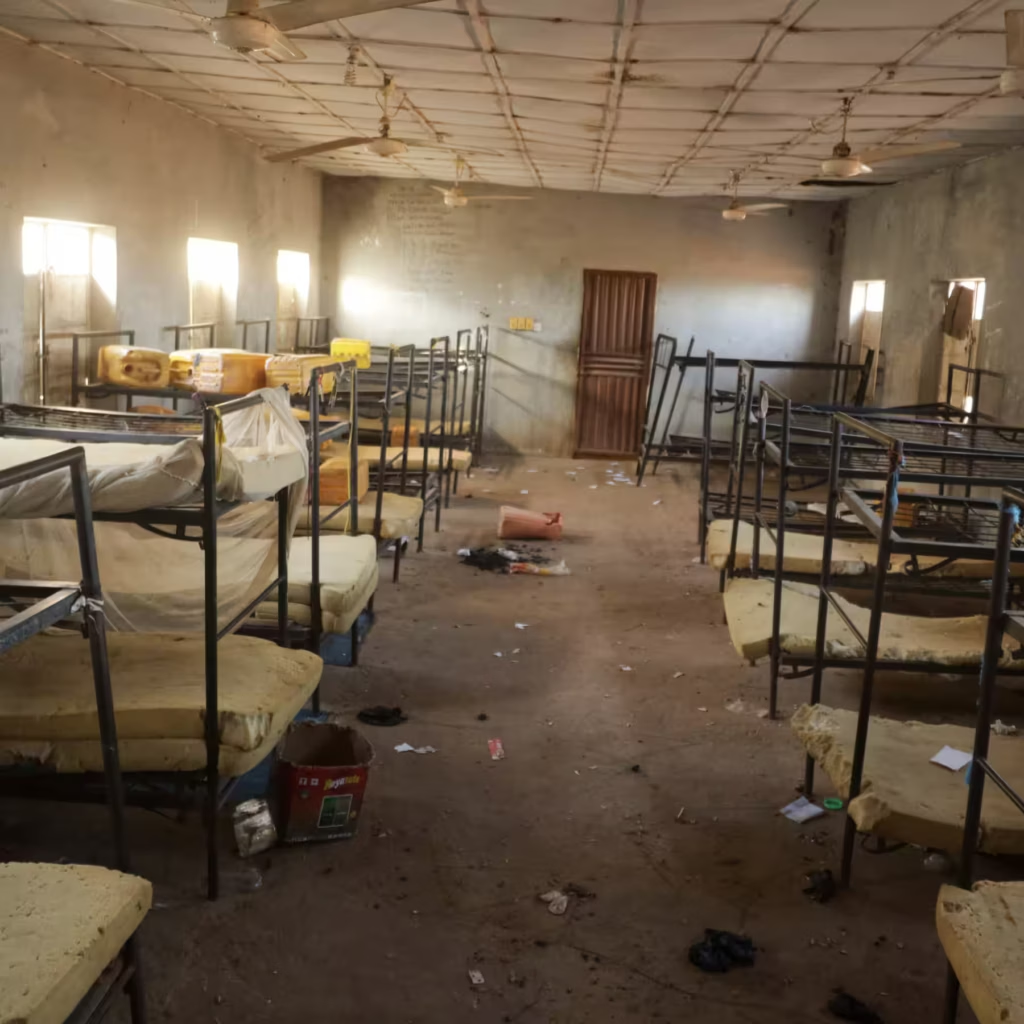
According to Reuters, the Christian Association of Nigeria (CAN), which has been coordinating information from local dioceses, confirmed Saturday that 315 students and staff were kidnapped from St. Mary’s School, raising its earlier estimate of 227 after what it described as an extensive “verification exercise.” The abductions occurred Friday when armed men stormed the school grounds, overwhelming local security and disappearing with the victims into remote forested territory where kidnappers often demand ransom.
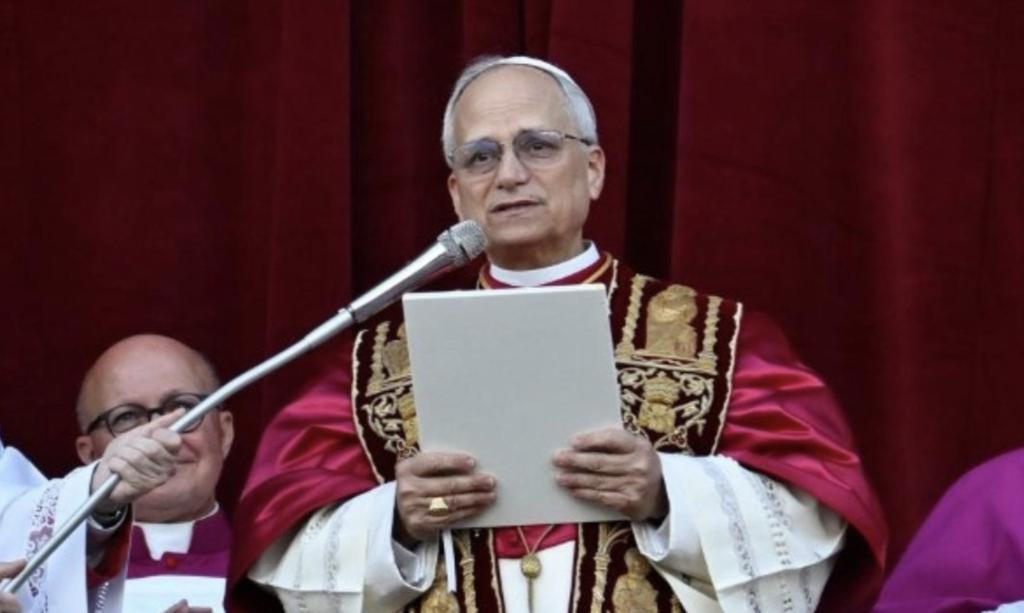
Speaking at the conclusion of Mass in St. Peter’s Square, Pope Leo said the news reached him “with deep sorrow,” underscoring not only the magnitude of the violence but the trauma inflicted on families who still do not know whether their children are safe.
“I was deeply saddened to learn of the kidnappings of priests, faithful, and students in Nigeria and Cameroon,” Pope Leo said, addressing thousands gathered for the weekly liturgy. “I feel great pain, especially for the many young men and women who have been abducted and for their anguished families. I make a heartfelt appeal for the immediate release of the hostages and urge the competent authorities to take appropriate and timely decisions to ensure their release.”
He ended his remarks by urging the international community to join in prayer “so that churches and schools may always and everywhere remain places of safety and hope.”
A Growing Pattern of Mass Abductions
The attack on St. Mary’s School is among the largest mass kidnappings in Nigeria in recent years, reviving painful memories of previous abductions, including the 2014 Chibok schoolgirls crisis that drew global outrage. According to CAN, this latest abduction is part of a wave of attacks targeting academic institutions throughout the northwest, prompting government officials to temporarily close 47 schools in the region.
The Nigerian federal government has not yet released an updated tally of victims or announced the formation of a specialized rescue task force. The lack of immediate official clarity has fueled concern among families who gathered outside police stations and church properties over the weekend seeking news of their children. Several parents told local journalists that the attackers arrived in large numbers, firing sporadically and overwhelming the few guards on duty.
St. Mary’s is located in a region plagued by overlapping security challenges — including banditry, insurgent activity, and kidnappings-for-ransom — which have intensified despite repeated government security deployments.
Context: Nigeria’s Security Crisis at a Breaking Point
Nigeria’s northwest has seen a surge in armed group activity over the last five years. Security researchers at the Centre for Democracy and Development say the region’s violence now stems from a mix of criminal gangs, former insurgents, and opportunistic armed networks who see ransom kidnappings as one of the most profitable illicit markets in the country.
A 2024 report by SBM Intelligence estimated that ransom kidnappings generated tens of millions of dollars for armed groups nationwide, rerouting police and military resources away from counterterror operations and creating long-term security challenges. State and federal authorities have repeatedly pledged to crack down on these groups, yet analysts argue that fragmented intelligence coordination and limited rural security infrastructure have hampered efforts.
The abduction at St. Mary’s fits a pattern that security experts say has become alarmingly predictable: poorly defended schools, long response times from overextended security forces and a high likelihood that abducted children will be taken into remote territories that are difficult to access without specialized military equipment.
Economic and Social Impact of School Targeting
The economic consequences of school closures and mass kidnappings ripple far beyond local communities. According to UNESCO, northwestern Nigeria has already experienced some of the world’s fastest-growing rates of school absenteeism due to conflict-related disruptions. Every closure deepens a cycle of educational loss that affects long-term earnings potential, employment prospects and cross-generational mobility.
Parents interviewed by local Nigerian radio stations said they fear this attack may force them to keep their children home even after the government reopens schools. Some teachers in the region have already resigned, citing untenable risks.
The broader economic cost includes reduced labor force participation, declining investor confidence in the northwest and rising humanitarian needs. The United Nations Development Programme reported that insecurity in northern Nigeria reduces annual GDP growth by an estimated 1–2 percent, largely due to disruptions in agriculture and education — two sectors heavily affected by mass violence.
The Vatican’s Voice and International Pressure
Pope Leo’s remarks underscore how closely the Vatican monitors violence against Catholic institutions across Africa, a continent where Catholic schools and churches serve millions. His statement adds diplomatic weight at a moment when Nigerian officials face increasing international scrutiny.
Previous papal interventions have influenced government responses in other crises, including the release of priests abducted in Cameroon in 2023 after strong Vatican pressure. While the Nigerian government has not commented on the Pope’s statement, religious leaders in the country say global attention can accelerate negotiations, particularly in kidnappings involving faith-based institutions.
“Pope Leo’s appeal is not merely spiritual; it is diplomatic,” said Dr. Emmanuel Adesanya, a professor of African political security at the University of Lagos. “It signals that the world is watching, and that can change the calculus for both government officials and kidnappers who may wish to avoid international condemnation.”
Competitive Landscape: Armed Groups vs. State Authority
Nigeria’s northwest has become a contested space where criminal groups compete for territory, ransom income and operational control. These networks, though technically not insurgent groups, often use tactics similar to extremist organizations such as Boko Haram.
The Nigerian military faces a complex environment where armed groups frequently relocate across state borders and benefit from rugged terrain, local informant networks and the government’s limited aerial surveillance capability.
Abductions like the St. Mary’s incident highlight how armed groups exploit gaps in state authority. Negotiations often occur behind closed doors, handled by intermediaries including traditional rulers, clergy and community associations — a system that, while sometimes effective, leaves the government’s long-term security strategy fragmented.
Future Outlook: A Crisis at a Crossroads
Security analysts say Nigeria’s handling of this abduction will shape the trajectory of school safety nationwide. Should authorities move swiftly, demonstrating coordinated rescue operations and stronger deterrence, it may restore public trust. But prolonged inaction or opaque communication could deepen fears, accelerate school closures and embolden kidnappers.
There are also concerns that ransom payments — though officially discouraged — may again form part of negotiations. Without a consistent national framework for responding to mass abductions, experts warn that communities will continue to bear the burden of recovery.
International pressure is likely to grow. The European Union and African Union have repeatedly called for Nigeria to adopt more comprehensive rural security policies, including school fortification, enhanced data collection and early warning systems.
For now, families of the kidnapped wait for any confirmed updates, clinging to hope as church leaders and international bodies amplify their call for action.