Home Blog Page 24

Pope Leo XIV Reflects on Slavery Legacy During Visit to Historic Angolan Slave Shrine

0

(AP) — Pope Leo XIV on Sunday visited a historic Catholic shrine in Angola deeply tied to the transatlantic slave trade, reflecting on centuries of suffering endured by the country’s people while urging a future shaped by justice and peace.

The pope traveled to the Sanctuary of Mama Muxima, located along the Kwanza River, where thousands gathered for prayers at a site that has long served as both a place of spiritual devotion and a reminder of a painful past. The church, built by Portuguese colonial authorities in the late 1500s, later became a central location in the forced movement of enslaved Africans.

Historical accounts indicate that enslaved men and women were brought to the site, baptized by clergy, and then marched north to Luanda before being shipped across the Atlantic. Over time, the shrine also became a major pilgrimage destination after reports in the 1800s of an appearance of the Virgin Mary.

Speaking in Portuguese, Pope Leo acknowledged the deep historical wounds associated with the location. He described the shrine as a place where generations have prayed in both joy and profound hardship, reflecting the broader experience of the Angolan people.

Without directly referencing slavery, the pope called on those gathered to work toward a more compassionate world free from conflict, injustice, poverty, and dishonesty. An estimated 30,000 people attended the outdoor gathering.

Scholars and observers say the visit carries symbolic weight because of the Catholic Church’s historical links to the slave trade. During the era of European expansion, religious directives issued by church authorities were used by colonial powers to justify conquest and enslavement.

Research cited by historians shows that millions of Africans were transported through Angola during the transatlantic slave trade, making it one of the largest departure points on the continent. Many were forced into slavery after being captured or sold, often under systems that involved both local and foreign actors.

The visit drew attention from academics, including Anthea Butler of Oxford University, who described the moment as significant for Black Catholics. She noted that many descendants of enslaved people were introduced to Catholicism during that era, either through forced conversion or existing religious ties prior to displacement.

Historians also point to official decrees from the 1400s that granted European rulers authority to conquer lands and enslave non-Christians. These directives later influenced broader legal and cultural frameworks that shaped colonization across Africa and the Americas.

The Vatican formally rejected one of those doctrines in 2023, but critics argue that more direct acknowledgment of the Church’s role in slavery remains necessary. The debate has persisted for decades, with calls for stronger statements or formal apologies from church leadership.

Christopher J. Kellerman, a Jesuit priest and author, has written that while later church teachings opposed slavery, earlier actions contributed to systems that enabled it. He has argued that a fuller reckoning with history could carry powerful meaning for affected communities.

Previous popes have addressed the issue in limited ways. Pope John Paul II asked forgiveness in 1985 for the role of Christians in slavery, though he did not directly address decisions made by earlier popes. During a later visit to Senegal, he condemned slavery as a tragedy tied to a society that claimed religious identity.

Pope Leo’s own background adds another dimension to the moment. Genealogical research presented by Henry Louis Gates Jr. indicates that the pope’s ancestry includes both enslaved individuals and slaveholders in the United States. The findings were shared with the pope during a meeting at the Vatican earlier this year.

The pope has not publicly commented on that research, and some scholars caution against drawing conclusions about how it may shape his views. Tia Noelle Pratt of Villanova University emphasized that personal identity remains a matter for the pope himself to address.

Meanwhile, Wilton Gregory, the first African American cardinal, said the connection resonates with many people of African descent who see shared heritage reflected in the Church’s leadership.

Pope Leo XIV’s visit to Muxima reflects a broader effort by the Catholic Church to engage with difficult aspects of its history while maintaining its global spiritual role. The setting itself underscores a dual legacy: a place of faith that also symbolizes suffering tied to forced migration and exploitation.

The pope’s decision not to explicitly mention slavery may reflect a careful diplomatic balance. Direct acknowledgment could intensify calls for formal apologies or reparations, while silence risks criticism from those seeking accountability. This tension illustrates the challenge religious institutions face when confronting historical wrongdoing that spans centuries.

At the same time, the visit highlights the evolving identity of the global Church. With growing membership in Africa and the Americas, there is increasing emphasis on addressing historical injustices that shaped those regions. For many believers, recognition of the past is seen as essential to building trust and unity in the present.

The broader implications extend beyond religion. The legacy of the transatlantic slave trade continues to influence social, economic, and political conditions worldwide. By visiting sites like Muxima, global leaders draw attention to how historical systems of exploitation still echo in modern inequalities.

Ultimately, the significance of the visit may lie less in what was said and more in the act itself. Standing at a place where faith and suffering intersect, the pope’s presence signals an acknowledgment—however measured—of history’s weight and the ongoing need for reflection, dialogue, and reconciliation.

Iran Vows Retaliation After U.S. Seizes Vessel, Raising Ceasefire Tensions

0

 (AP/Reuters) — Iran signaled it would respond swiftly after the United States seized an Iranian-flagged vessel near a key shipping route, a move that officials in Tehran described as a breach of a fragile ceasefire and a serious escalation in already strained relations.

Iran’s military leadership condemned the operation, describing it as an unlawful act at sea and warning that a response would follow. State television carried statements from military officials who argued the seizure undermines ongoing efforts to ease tensions between the two countries.

The United States said its forces intercepted the vessel after it crossed a naval blockade line and failed to comply with repeated warnings. President Donald Trump wrote on social media that U.S. forces had taken control of the ship and were inspecting its contents.

Iranian authorities pushed back strongly. First Vice President Mohammad Reza Aref said pressure on Iran’s oil exports could destabilize global energy markets, arguing that restrictions imposed by Washington were incompatible with broader expectations of maritime security.

“One cannot restrict Iran’s oil exports while expecting free security for others,” Aref wrote in a public message, adding that the global market faces a choice between equitable access and rising economic costs.

Diplomatic tensions also intensified as Iran’s foreign minister, Abbas Aragchi, conveyed concerns to Pakistan’s foreign minister, Ishaq Dar. Iranian officials described recent U.S. actions and demands as evidence of a lack of genuine commitment to diplomacy.

The confrontation has cast uncertainty over plans for a new round of negotiations expected in Islamabad. The talks were intended to build on earlier discussions aimed at extending a ceasefire set to expire within days. However, Iranian state media signaled that participation in further talks remains uncertain under current conditions.

According to reporting by Reuters, the seizure has heightened concerns that the ceasefire may collapse before its scheduled end. Iran indicated it may withdraw from diplomatic efforts altogether if pressure tactics continue, raising the risk of renewed confrontation.

At the center of the dispute is the strategic Strait of Hormuz, a narrow passage that handles roughly one-fifth of the world’s oil shipments. Both countries have imposed restrictions in the area, with the United States maintaining a blockade on Iranian ports while Iran has alternated between limiting and reopening maritime traffic.

The standoff has already begun to ripple through global markets. Energy prices surged in early trading following reports of the seizure, reflecting investor concern that supply disruptions could intensify if the situation escalates further.

Meanwhile, preparations for potential negotiations continued in Pakistan despite uncertainty. Security measures were tightened in Islamabad ahead of the anticipated arrival of a U.S. delegation. Officials in Washington indicated that Vice President JD Vance could lead the delegation, alongside senior envoys including Steve Witkoff and Jared Kushner, though final details remained unclear.

The broader conflict, now in its eighth week, has already had far-reaching consequences. Military exchanges involving the United States, Israel, and Iran have led to thousands of casualties and widespread damage across the region. The ongoing crisis has also disrupted shipping lanes, strained alliances, and heightened fears of a prolonged energy shock.

The seizure of the vessel marks a critical turning point in an already volatile situation. While both Washington and Tehran have previously issued strong warnings, direct actions such as this significantly raise the stakes by introducing immediate risks of retaliation.

From a strategic standpoint, control over maritime routes has become a central lever of influence. For Iran, restricting access to the Strait of Hormuz offers a powerful means of exerting pressure on global energy markets and, by extension, on countries dependent on oil imports. For the United States, enforcing a blockade aims to weaken Iran’s economic capacity while signaling resolve to allies.

However, these competing strategies carry substantial risks. Even limited disruptions in the strait can trigger sharp increases in oil prices, affecting economies worldwide. The current situation underscores how regional conflicts can rapidly evolve into global economic challenges.

Diplomatically, the incident complicates efforts to sustain dialogue. Trust between the two sides was already fragile, and actions perceived as aggressive can quickly erode any remaining goodwill. The uncertainty surrounding the planned talks in Islamabad highlights the difficulty of maintaining negotiations amid active confrontation.

There is also a broader geopolitical dimension. Allies and regional partners are closely watching how both countries proceed, particularly as energy security and trade routes remain critical concerns. Any escalation could draw in additional actors or prompt shifts in international policy.

In the immediate term, the likelihood of retaliation from Iran raises concerns about further incidents at sea or targeted responses against infrastructure. Longer term, the crisis illustrates the delicate balance between military pressure and diplomatic engagement, with each move carrying consequences that extend well beyond the region.

As the ceasefire deadline approaches, the actions taken in the coming days will likely determine whether tensions ease or spiral into a wider conflict with significant global repercussions.

Shooting Near University of Iowa Nightlife District Injures Five, Including Students

0

(AP) — A burst of gunfire in a crowded nightlife area near the University of Iowa campus left five people wounded early Sunday, including three students, as authorities worked to identify suspects and determine what sparked the violence.

Police said officers were dispatched to downtown Iowa City following alerts of a large altercation near a pedestrian mall lined with bars and restaurants. As officers arrived, gunshots rang out, sending dozens of people fleeing the scene in panic.

Investigators indicated that multiple victims were taken to nearby hospitals with gunshot injuries. One individual was listed in critical condition, while four others were reported to be in stable condition, according to Iowa City police. Authorities did not immediately release the identities of those injured.

A campus alert issued Sunday confirmed that three of the victims are students at the University of Iowa. University President Barbara Wilson said support services had been activated for those affected by the incident.

“While we await additional information, I am thinking about these students and their families, friends, and all the people who care about them,” Wilson said in a statement. “I am holding them close in my thoughts, along with everyone in our community who is hurting or feeling shaken right now.”

Officials emphasized that the investigation remains in its early stages. No arrests had been announced as of Sunday morning, though police released images of several individuals considered persons of interest. Authorities urged anyone with information to come forward as detectives continue piecing together events leading up to the shooting.

Video clips circulating online appeared to show multiple fights erupting outside an outdoor bar area shortly before the gunfire. The footage captured chaotic scenes as patrons ran for safety amid the sound of shots. Police have not verified the videos but acknowledged they are reviewing all available evidence, including surveillance footage and witness accounts.

Iowa Gov. Kim Reynolds described the shooting as a “senseless act of violence” and said state resources would be made available to assist local authorities.

“This incident has shaken not only the university community but the entire state,” Reynolds said, underscoring the need for swift action to identify those responsible.

University officials issued multiple safety alerts overnight, advising students to avoid the area while the situation unfolded. One alert indicated that there was no immediate evidence suggesting university students were specifically targeted, though authorities have not ruled out any motives.

The University of Iowa, which enrolls approximately 31,000 students, has faced growing concerns in recent years about safety in areas surrounding campus nightlife hubs. The district where the shooting occurred is a popular destination for students and visitors, particularly on weekends, drawing large crowds that can sometimes strain law enforcement resources.

Sunday’s shooting highlights a broader national pattern of violence occurring in or near entertainment districts adjacent to college campuses. While universities often maintain robust on-campus security systems, incidents just beyond campus boundaries fall under municipal jurisdiction, creating coordination challenges during emergencies.

The Iowa City case underscores how quickly disputes can escalate in densely populated nightlife settings, where alcohol consumption, large crowds, and limited space can contribute to volatile situations. Law enforcement agencies across the United States have increasingly focused on proactive crowd management and surveillance in such areas, but preventing spontaneous outbreaks of violence remains difficult.

Another key concern is the psychological impact on students. Even when incidents occur off campus, the proximity to student housing and social spaces can heighten anxiety and disrupt academic life. Universities often respond by expanding counseling services and reinforcing communication systems, but repeated incidents can erode a sense of safety over time.

The lack of immediate arrests in this case also reflects a recurring challenge in urban shootings: identifying suspects in chaotic environments with multiple witnesses and conflicting accounts. The reliance on video evidence, including footage shared on social media, has become a critical investigative tool, though it also raises questions about accuracy and context.

From a policy standpoint, incidents like this may renew debates over public safety strategies in college towns, including increased police presence, stricter enforcement of nightlife regulations, and community-based interventions aimed at reducing violence. Balancing safety with maintaining vibrant social spaces remains a complex issue for city leaders and university administrators alike.

As the investigation continues, authorities face mounting pressure to provide answers and reassure a community shaken by sudden violence in a place typically associated with social activity and student life.

Police said updates would be shared as new information becomes available.

U.S. Seizes Iranian-Flagged Vessel Near Strait of Hormuz as Tehran Signals Retaliation

0

The United States intercepted and seized an Iranian-flagged cargo vessel near the Strait of Hormuz on Sunday, prompting a warning from Tehran that it will respond, as tensions escalate days before a ceasefire deadline.

President Donald Trump said a U.S. Navy destroyer operating in the Gulf of Oman halted the vessel after issuing repeated warnings. In a social media post, Trump said the ship, identified as the Touska, attempted to bypass a naval blockade and was disabled before being boarded by U.S. forces.

U.S. Central Command confirmed that the vessel was stopped after several hours of warnings but did not provide additional details or respond to follow-up questions. It was not immediately clear whether there were injuries among the crew.

Iranian state media condemned the operation, describing it as an act of piracy and indicating that a response would follow. The incident marks the first known seizure since the United States began enforcing a blockade on Iranian shipping routes last week.

The development adds new uncertainty to a fragile ceasefire set to expire within days and raises questions about the viability of planned diplomatic talks between Washington and Tehran. U.S. officials had indicated that a delegation would travel to Islamabad for another round of negotiations, though Iranian participation remains unclear.

Iranian media suggested that the talks may not proceed, citing skepticism about U.S. intentions. In a reported phone call with Pakistan’s prime minister, Iranian President Masoud Pezeshkian criticized recent U.S. actions and expressed doubts about Washington’s commitment to diplomacy.

Separately, Foreign Minister Abbas Araghchi conveyed similar concerns during discussions with his Pakistani counterpart, pointing to what he described as inconsistent messaging from the United States.

Despite the uncertainty, preparations in Islamabad appeared to continue, with heightened security measures reported across the city. A U.S. official said Vice President JD Vance is expected to lead the American delegation, joined by envoys Steve Witkoff and Jared Kushner.

Iranian officials have acknowledged receiving new proposals from Washington but said significant differences remain, particularly over nuclear activity and access to the Strait of Hormuz.

The strategic waterway remained largely closed Sunday, with hundreds of vessels waiting at either end for clearance. The disruption has intensified concerns about global energy supplies, as the strait typically handles a substantial share of the world’s oil shipments.

Iran had briefly indicated it would reopen the route following a temporary truce in regional fighting, but reversed course after the United States maintained its blockade. Iranian forces also fired on vessels attempting to pass through the strait on Saturday, further escalating tensions.

Both Washington and Tehran have accused each other of violating the ceasefire. Iranian officials have warned that any escalation could lead to broader retaliation, including targeting energy infrastructure in the region.

The conflict, now in its eighth week, has resulted in thousands of deaths across multiple countries, according to reporting from The Associated Press.

The seizure of an Iranian-flagged vessel represents a significant escalation in an already volatile standoff. Maritime confrontations in the Strait of Hormuz carry global implications due to the waterway’s central role in energy transportation. Any disruption can quickly ripple through international markets, affecting fuel prices and economic stability.

The incident also complicates diplomatic efforts. While negotiations were expected to resume, actions such as vessel seizures can undermine trust and reduce the likelihood of meaningful progress. Iran’s swift condemnation suggests that the operation may harden its negotiating stance rather than encourage compromise.

The competing strategies of both sides are becoming more pronounced. The United States appears to be using economic and military pressure to force concessions, while Iran is leveraging its geographic position to control access to a critical shipping route. Each approach carries risks, particularly if miscalculations lead to broader conflict.

The situation highlights the fragile balance between diplomacy and confrontation. With the ceasefire nearing its end, both sides face a narrowing window to reach an agreement. Failure to do so could lead to renewed hostilities with far-reaching consequences.

Energy markets remain especially sensitive to developments in the region. Even temporary closures or threats to the Strait of Hormuz can trigger price volatility, underscoring the global stakes of the standoff.

In the coming days, attention will focus on whether negotiations proceed and whether either side signals a willingness to de-escalate. The outcome will likely shape not only the immediate conflict but also broader geopolitical dynamics in the region.

AP

Suspect in Shreveport Shooting That Killed Eight Children Is Father of Some Victims

0

Authorities have identified the man accused of killing eight children in a series of shootings in Shreveport, Louisiana, in what officials described as one of the city’s deadliest incidents involving minors.

The suspect, Shamar Elkins, 31, was fatally shot by police following a pursuit that ended across parish lines, according to the Shreveport Police Department.

Pics by Dailymail

Police said the violence began Sunday morning at a home on the 300 block of West 79th Street near Linwood Avenue, where Elkins allegedly opened fire during what investigators described as a domestic-related incident. Eight children, ranging in age from 18 months upward, were killed at the residence.

Authorities said a total of 10 people were shot. Two adult women survived, including one who sustained life-threatening injuries and was believed to have been shot in the head. Officials indicated that the suspect may have had a personal relationship with at least one of the women and was believed to be the father of some of the children, though details remain under investigation.

After the initial shooting, police said Elkins fled the scene, taking a vehicle and leading officers on a chase that moved through multiple locations. The pursuit extended to nearby streets and eventually into Bossier Parish, where officers confronted the suspect on Brompton Lane near Long Acre Drive. He was shot and killed by law enforcement at that location.

Police spokesperson Christopher Bordelon described the crime scenes as extensive and said investigators believe the suspect acted alone. Authorities are continuing to piece together the sequence of events and determine the full circumstances surrounding the attack.

Shreveport Mayor Tom Arceneaux addressed the community following the incident, calling it one of the most devastating events the city has experienced. He urged residents to support one another as officials work through the aftermath.

“We have a hurting community,” Arceneaux said, noting the emotional toll on families, first responders and the broader public.

Mike Johnson also expressed condolences, saying his office was in contact with local authorities and that the victims and their families were in his thoughts.

Caddo Parish Schools Superintendent Keith Burton described the incident as an “unspeakable tragedy,” emphasizing the loss of young lives and the impact on the community.

The office of Louisiana Attorney General Liz Murrill said multiple law enforcement agencies are involved in the investigation and pledged a thorough review of the case.

The incident remains under active investigation, with authorities working to establish a complete timeline and gather additional evidence.

The scale and nature of the Shreveport shooting mark it as one of the most severe incidents of violence involving children in recent years. Cases involving multiple young victims often intensify public concern and prompt renewed scrutiny of domestic violence, firearm access and early warning systems that might prevent such tragedies.

Pics by Dailymail

The fact that the incident appears to have stemmed from a domestic situation highlights a recurring challenge for law enforcement and social services. Domestic disputes can escalate rapidly, and when firearms are involved, the consequences can be catastrophic. This underscores the importance of intervention mechanisms, including community reporting and support services aimed at de-escalation.

The movement of the suspect across multiple locations adds complexity to the investigation. Multi-site incidents require coordination among different jurisdictions and can complicate evidence collection, witness accounts and response strategies. The rapid police response ultimately ended the threat, but the initial violence had already caused devastating loss.

Shreveport has faced ongoing concerns related to violent crime, and this incident may further intensify calls for comprehensive approaches to public safety. While immediate attention is focused on the victims and their families, longer-term discussions are likely to center on prevention, including how communities identify and respond to potential risks before they escalate.

The emotional impact on the community is expected to be significant. Incidents involving children often resonate deeply, affecting not only families but also schools, neighbors and first responders. Recovery in such cases extends beyond law enforcement, requiring sustained community support and resources.

As investigators continue their work, the focus will remain on understanding the motive and identifying any missed warning signs. The findings could shape future policies or interventions aimed at preventing similar tragedies.

Dailymail

8 Children Killed in Louisiana Mass Shooting, Gunman Dies After Police Chase

0

A gunman in Louisiana killed eight children in domestic-related shootings at two different homes early Sunday in the nation’s deadliest mass shooting in more than two years, police in Shreveport disclosed, leaving a community devastated by violence that authorities characterized as unprecedented in scope and horror.

The Associated Press documented that the victims ranged in age from one to about 14 years old, Shreveport police spokesperson Chris Bordelon confirmed. A total of 10 people were shot in the rampage that spanned multiple locations across the northwestern Louisiana city.

The gunman later died after a chase with officers who fired at the suspect, Bordelon indicated. The suspect stole a car while leaving the scene of the shootings and was followed by police, according to Bordelon. Police did not release the name of the suspect but confirmed he was an adult male.

Officials stated they were still gathering details at the crime scenes south of downtown Shreveport—the two homes and a third location where violence occurred. Some of the children shot were related to the suspect, Bordelon revealed, suggesting the massacre represented an extreme case of domestic violence claiming the lives of the gunman’s own family members.

“This is an extensive scene unlike anything most of us have ever seen,” Bordelon emphasized, conveying the overwhelming nature of the carnage confronting first responders who arrived at multiple sites where children lay dead or dying.

It was the deadliest mass shooting in the United States since eight people were killed in a Chicago suburb in January 2024, according to a database maintained by The Associated Press and USA Today in partnership with Northeastern University. The grim statistic places Shreveport’s tragedy among the worst episodes of gun violence in recent American history.

At a news conference outside the residence where one of the shootings occurred, officials appeared stunned, requesting patience and prayers from the community as they sorted through multiple crime scenes whose complexity challenged investigative resources.

“I just don’t know what to say, my heart is just taken aback,” Shreveport Police Chief Wayne Smith stated, his voice conveying the emotional toll of confronting such mass casualties. “I cannot begin to imagine how such an event could occur.”

“This is a tragic situation — maybe the worst tragic situation we’ve ever had,” declared Tom Arceneaux, mayor of the city in northwestern Louisiana with about 180,000 residents. “It’s a terrible morning.”

Louisiana State Police disclosed their detectives have been requested by Shreveport police to investigate the multiple scenes and officer-involved shooting. In a statement, state police confirmed no officers were harmed in the shooting that involved law enforcement after a police pursuit into Bossier City on Sunday morning.

State police are asking anyone with pictures, video, or information to share it with state police detectives as they work to reconstruct the sequence of events that led to eight children’s deaths.

Louisiana Governor Jeff Landry acknowledged in a statement that he and his wife were heartbroken. “We’re deeply grateful to the law enforcement officers and first responders working tirelessly on the scene,” he added, praising those confronting the traumatic aftermath.

NBC confirmed that eight children ranging in age from 1 to 14 years old were killed in the mass shooting in Shreveport on Sunday morning. Officers with the Shreveport Police Department responded to the 300 block of West 79th Street just after 6 a.m. following reports of a domestic disturbance that proved catastrophically deadly.

Police spokesperson Christopher Bordelon characterized the crime scene as “extensive,” spanning two homes in the area and a third on Harrison Street nearby. “You have three different scenes, the shooting itself occurred just down the road over here, the 300 block of West 79th,” Bordelon explained at a news briefing. “There’s also another shooting related to this on Harrison Street, and then there’s an adjacent residence on West 79 where one of the victims ran to after the shooting.”

Ten victims in all were shot, police indicated, not sharing any information on the two who survived—leaving questions about their conditions and whether they are children or adults who witnessed the massacre.

Pictures from the scene showed a large police response with emergency vehicles crowding residential streets not accustomed to such violence. “The individual responsible once leaving this scene performed a carjacking right here in close proximity to the corner of West 79th and Lynnwood, at which point in time, Shreveport police patrol officers got behind that vehicle in a chase incident,” Bordelon recounted.

Officers shot and killed the suspect during the chase in Bossier Parish, Bordelon confirmed. “We do believe him to be the only individual that fired gunshots at these locations here,” Bordelon stated, ruling out additional shooters.

Police did not share any information about the suspect beyond confirming he was an adult male, but Bordelon revealed “some of the children” in the homes “were his descendants”—language suggesting the gunman killed his own offspring or relatives in a horrific act of familial violence.

A motive for the shooting is not clear at this time, though the domestic nature and targeting of children related to the gunman suggests family conflict escalated to unthinkable violence.

Mack London, 71, who lives on the same block, disclosed he didn’t hear the gunfire and only learned of the killings from a neighbor as he stepped outside around 7 a.m. to close his gate. By then, he recounted, the street was flooded with police and an ambulance, with the block shut down and onlookers gathering.

London, who has lived there since 1991, emphasized violence like this is unheard of in the neighborhood. “Nothing like this has ever happened on this street,” he declared. “It was bad… I hate that it happened to those kids.”

Mayor Arceneaux, who also spoke at the briefing, acknowledged the community is in mourning. “This is a tragic situation, maybe the worst tragic situation we’ve ever had in Shreveport,” he stated. “So, right now we’re going to process the information and it’s in very good hands.”

News of the shooting has garnered national attention. Speaker of the House Mike Johnson, who has represented Shreveport for almost 10 years, characterized the incident as a “heartbreaking tragedy,” adding that his team is in touch with local police.

“We’re holding the victims, their families and loved ones, and our Shreveport community close in our thoughts and prayers during this incredibly difficult time,” Johnson wrote in a post on X, employing the thoughts-and-prayers language that has become standard political response to mass shootings.

The investigation into the shooting is ongoing as authorities work to establish a timeline of events, determine precise relationships between the gunman and victims, and understand what precipitated such catastrophic violence.

For Shreveport residents, the massacre has shattered any sense of immunity from the mass shooting epidemic that has plagued America for decades. The targeting of children as young as one year old represents a particularly horrific dimension that will traumatize a community for years.

The two survivors—whose ages, conditions, and relationships to victims remain undisclosed—may provide crucial testimony about what transpired in the homes where eight children died. Whether they are children who witnessed family members being murdered or adults who tried unsuccessfully to protect the victims will profoundly shape their trauma and recovery.

As families begin the agonizing process of burying children who will never grow up, fundamental questions loom about how such violence could occur, whether warning signs were missed, and what could have prevented a domestic situation from escalating to mass murder of the most vulnerable victims imaginable.

For now, Shreveport mourns eight children whose names have not been released and whose lives were cut devastatingly short in violence that has left even experienced law enforcement officials struggling to comprehend the enormity of what occurred in their city on a Sunday morning that began as routine and ended in unimaginable tragedy.

NBC/AP

Trump Threatens to Target Iran’s Civilian Infrastructure if No Deal Is Reached

0

President Donald Trump warned Sunday that the United States could strike key civilian infrastructure in Iran if ongoing negotiations fail to produce an agreement, escalating rhetoric as a fragile ceasefire nears its deadline.

In a social media post, Trump accused Iran of breaching the truce by firing in the Strait of Hormuz and signaled that the United States is prepared to act if Tehran does not accept terms offered by Washington. “If they don’t, the United States is going to knock out every single power plant and every single bridge,” he wrote.

The warning came as U.S. officials prepared for another round of in-person talks with Iranian representatives in Islamabad. The White House did not immediately confirm which officials would participate, though a U.S. official indicated that Vice President JD Vance is expected to lead the delegation, along with envoy Steve Kushner and adviser Jared Kushner.

Reuters reported that the delegation is expected to arrive Monday, leaving a narrow window for progress before the two-week ceasefire expires. Trump has expressed optimism that a deal could still be reached but coupled that with renewed threats of military action.

Iran has not confirmed whether it will attend the talks. Its Tasnim news agency indicated that no final decision had been made, citing ongoing U.S. restrictions on Iranian shipping and ports as a sticking point.

Iranian officials have said major differences remain between the two sides, particularly over nuclear activity and control of the Strait of Hormuz, a critical shipping route for global energy supplies.

The waterway remained largely closed Sunday, following reports that Iranian forces fired on vessels attempting to pass through. Iran had earlier suggested it would reopen the route but reversed course after the United States maintained a blockade affecting Iranian trade.

Trump cited the incident as a violation of the ceasefire, reinforcing his administration’s stance that Iran must comply with agreed terms. The Strait of Hormuz carries a significant share of the world’s oil shipments, making any disruption a concern for global markets.

Iran has warned that any attack on its infrastructure would prompt retaliation, including potential strikes on energy facilities in neighboring countries. The conflict, now entering its eighth week, has already led to widespread casualties and regional instability, according to reporting by The Associated Press and Reuters.

Security measures increased in Islamabad ahead of the anticipated talks, with authorities restricting movement and tightening controls in parts of the city.

The developments come amid growing political and economic pressure in the United States, where rising fuel costs and broader economic concerns have heightened the urgency of resolving the conflict.

Trump’s explicit threat to target civilian infrastructure marks a significant escalation in tone and raises the stakes for the upcoming negotiations. Such statements are often intended to pressure adversaries into concessions, but they also risk narrowing diplomatic space by hardening positions on both sides.

Targeting infrastructure such as power plants and bridges could have severe humanitarian and economic consequences, potentially affecting millions of civilians and drawing international scrutiny. It may also increase the likelihood of retaliation, expanding the conflict beyond its current scope.

The Strait of Hormuz remains central to the crisis. Its continued closure or restriction has already disrupted global energy flows, contributing to volatility in oil markets. Any prolonged instability could have ripple effects across economies worldwide, particularly those heavily dependent on energy imports.

The uncertainty surrounding Iran’s participation in the next round of talks highlights the fragile state of diplomacy. With limited time before the ceasefire expires, both sides face pressure to reach at least a temporary understanding. However, differences over key issues, including nuclear policy and maritime access, remain unresolved.

Domestic considerations are also influencing the situation. In the United States, economic pressures and upcoming elections are shaping the administration’s urgency. For Iran, maintaining leverage while navigating internal and external challenges remains a priority.

If negotiations fail, the consequences could extend far beyond the immediate region. The combination of military escalation and economic disruption would likely intensify global concerns, making the outcome of the talks in the coming days particularly critical.

Reuters/AP

 2 Killed, 1 Critically Injured in East Oakland Shooting

0

Two people were killed and another was left in critical condition after a shooting in East Oakland on Saturday night, authorities said.

Officers with the Oakland Police Department responded shortly before 8:15 p.m. to the 6400 block of Foothill Boulevard after receiving multiple alerts from a gunfire detection system indicating shots had been fired.

When officers arrived, they found two men suffering from gunshot wounds. Both were taken to a nearby hospital, where one later died. The second victim remained in critical condition, police said.

A third victim, identified as a woman, was discovered a short distance away on the 2800 block of 64th Avenue. Emergency responders pronounced her dead at the scene.

Authorities said homicide investigators are working to establish what led to the shooting and whether the incidents at the two locations are directly connected. The identities of the victims have not yet been released pending notification of family members.

No information about potential suspects has been disclosed, and no arrests have been announced as of Saturday night.

The San Francisco Chronicle reported similar details, noting that officers responded to gunfire alerts and located multiple victims across the two nearby locations.

The shooting highlights ongoing concerns about gun violence in parts of Oakland, particularly in neighborhoods that have experienced repeated incidents in recent years. The use of gunfire detection technology, which alerted police to the incident, reflects efforts by law enforcement to respond more quickly to shootings, though such tools are often only one part of a broader strategy.

The presence of multiple victims across two nearby locations suggests the possibility of a connected sequence of events, though investigators have not confirmed whether the shooting involved a single incident or multiple confrontations. Establishing a clear timeline will be critical for understanding what happened and identifying those responsible.

Incidents involving multiple victims can place additional strain on emergency response systems, requiring coordination between police, medical personnel and investigators. The condition of the surviving victim may also play a key role in providing information that could assist the investigation.

Community impact is another important factor. Shootings in residential areas can heighten fear among residents and raise questions about safety, particularly when they occur in the evening hours when people are more likely to be outside or returning home.

Efforts to address gun violence often involve a combination of policing, community outreach and social programs aimed at reducing the underlying causes of crime. While immediate investigations focus on accountability, long-term solutions typically require sustained engagement across multiple sectors.

As the investigation continues, authorities are expected to seek information from witnesses and review any available surveillance footage. The outcome will likely depend on the ability to piece together evidence from the scene and surrounding area.

CBSBayArea

Messi’s Late Strike Lifts Inter Miami to 3-2 Victory Over Colorado Before Record Crowd

0

Lionel Messi delivered another decisive performance, scoring twice including a late winner to lead Inter Miami CF to a 3-2 victory over the Colorado Rapids in front of a record crowd at Empower Field.

A franchise-record attendance of 75,824 spectators packed the stadium, marking the second-largest crowd in regular-season Major League Soccer history. The high turnout underscored Messi’s continued draw as one of the sport’s most influential figures.

Messi opened the scoring in the 18th minute, calmly converting a penalty after a foul inside the area. Inter Miami extended its lead just before halftime when German Berterame powered in a header, giving the visitors a 2-0 advantage at the break.

Colorado responded strongly in the second half. Rafael Navarro sparked the comeback with a solo effort in the 58th minute, weaving through defenders before finishing past the goalkeeper. Moments later, Darren Yapi leveled the score, finishing from close range after a well-timed pass.

With momentum shifting toward the home side, Messi produced the decisive moment in the 79th minute. Dribbling into space near the edge of the area, he curled a precise shot into the top corner to restore Inter Miami’s lead and secure the win.

The match marked the first under interim coach Guillermo Hoyos following the departure of former manager Javier Mascherano. Hoyos praised Messi’s impact after the match, describing the forward’s contribution as decisive in a tightly contested game.

Inter Miami held on despite finishing with 10 players after a late red card, maintaining their position near the top of the Eastern Conference standings. The victory ended a brief winless run and provided momentum as the team adjusts to a new coaching setup.

Messi’s two goals brought his season tally to seven, reinforcing his status as a leading contender in the league’s scoring race. His overall influence in Major League Soccer remains significant, with consistent contributions in goals and assists since joining the league.

The match also highlighted the league’s growing popularity, as large crowds continue to gather for games featuring high-profile players. Saturday’s attendance surpassed typical figures for the Rapids’ home matches, reflecting the broader appeal generated by Messi’s presence.

The performance by Lionel Messi illustrates not only his individual brilliance but also his broader impact on the league. Even at an advanced stage of his career, he continues to deliver decisive moments that shape outcomes and attract global attention. His ability to influence matches remains a key factor in Inter Miami’s competitiveness.

The record crowd in Denver points to a larger trend within Major League Soccer. High-profile signings have helped expand the league’s reach, drawing fans who might not otherwise attend domestic matches. Messi’s arrival, in particular, has transformed attendance patterns, with teams often moving games to larger venues to accommodate demand.

From a tactical standpoint, Inter Miami’s ability to respond after conceding a two-goal lead is notable. The team showed resilience under new leadership, adjusting its approach and relying on individual quality to regain control. This adaptability could prove important as the season progresses.

Colorado’s performance, especially in the second half, demonstrated that the team remains competitive despite the loss. Their quick response after halftime highlighted attacking potential, though defensive lapses ultimately proved costly.

The transition to a new coach introduces uncertainty but also opportunity for Inter Miami. Early results suggest that the team can maintain its attacking identity while adapting to different tactical instructions. Much will depend on how effectively the squad integrates new ideas while continuing to rely on established leaders like Messi.

Looking ahead, the broader implications for the league are significant. Matches featuring global stars are not only driving attendance but also increasing media attention and commercial interest. This growth could influence future investment, player recruitment and the league’s overall profile on the international stage.

For Inter Miami, the immediate focus will be sustaining momentum and building consistency. With Messi continuing to perform at a high level, the team remains a strong contender in the Eastern Conference.

MLS/BEINSPORTS

Mexico Arrests Suspected Drug Trafficker Listed Among Europe’s Most Wanted

0

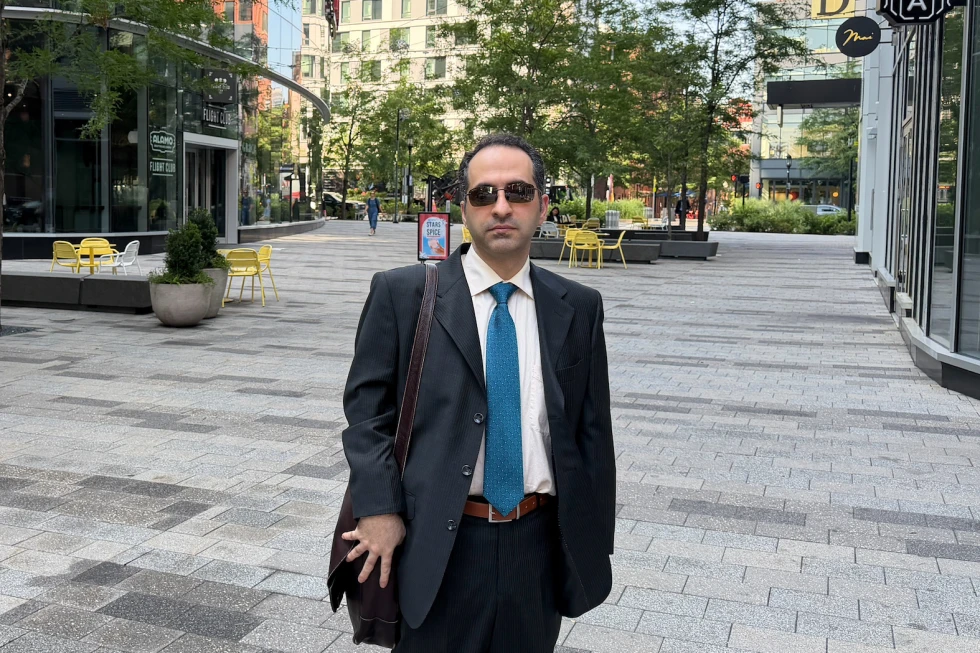
Mexican authorities have arrested a suspected drug trafficker listed among Europe’s most wanted fugitives, officials said Saturday, marking another high-profile detention in the country’s expanding crackdown on organized crime.

Security officials identified the suspect as Janos Balla, a Hungarian national also known by an alias. He was taken into custody in the Caribbean state of Quintana Roo, according to Omar Garcia Harfuch.

Authorities said Balla is wanted in Hungary on drug trafficking charges and is the subject of an international alert issued through Interpol, which seeks assistance from law enforcement agencies worldwide in locating and detaining suspects.

In a joint statement, Mexican agencies said the arrest followed intelligence sharing with Hungarian authorities, combined with domestic investigative efforts that helped pinpoint the suspect’s location in the municipality of Benito Juarez. He was detained during a coordinated operation and later transferred to Mexico’s immigration agency to begin deportation proceedings.

Officials said the next steps will determine his legal status in Mexico and facilitate his return to Europe. It was not immediately clear whether Balla has legal representation.

According to information cited by Al Jazeera, Balla had previously been sentenced in Hungary to six years in prison for smuggling narcotic drugs and related substances. His inclusion on the European Union’s most wanted list placed him among individuals sought for serious cross-border crimes.

The arrest comes amid a broader shift in Mexico’s security strategy under Claudia Sheinbaum, whose administration has taken a more aggressive approach to tackling drug trafficking networks and organized crime. The policy direction marks a departure from the approach of her predecessor, Andres Manuel Lopez Obrador, who emphasized social programs over direct confrontation with criminal groups.

The crackdown has also unfolded under pressure from the United States, where Donald Trump has called for stronger action against drug cartels. Trump has labeled several Mexican criminal organizations as foreign terrorist groups and has warned of possible military action, drawing criticism from those who argue such steps would violate Mexico’s sovereignty.

Despite tensions, Mexico and the United States have continued to cooperate on law enforcement efforts, including the transfer of suspects for prosecution. Since 2025, Mexican authorities have sent dozens of alleged cartel members to the United States under bilateral arrangements, with officials describing the transfers as necessary to address security threats.

Security officials in Mexico say recent operations have led to a rise in arrests of high-level suspects. In February, a major military operation resulted in the death of a prominent cartel leader, while another figure linked to a major trafficking network was detained in March. Authorities have pointed to these developments as evidence that their strategy is producing results.

Mexico is also preparing for a surge in international visitors ahead of a major global sports event later this year, prompting plans to deploy tens of thousands of security personnel nationwide. Officials say the increased presence is aimed at ensuring public safety and preventing criminal activity during the event.

The arrest of a suspect tied to international drug trafficking highlights the increasingly global nature of organized crime and the importance of cross-border cooperation in combating it. Criminal networks often operate across multiple countries, making intelligence sharing and coordinated operations essential for effective enforcement.

Mexico’s role in this case reflects its position as both a transit point and a focal area for law enforcement efforts targeting drug trafficking. While the suspect is linked to activities in Europe, his presence in Mexico underscores how individuals involved in such networks may move between regions to evade capture.

The involvement of international mechanisms such as Interpol alerts demonstrates how global policing tools are used to track suspects across jurisdictions. These systems allow authorities to quickly share information and coordinate actions, though their effectiveness depends on the willingness and capacity of countries to act on the alerts.

The broader policy shift under President Claudia Sheinbaum signals a more forceful stance against organized crime, which may bring both opportunities and challenges. Increased enforcement can disrupt criminal networks and lead to high-profile arrests, but it can also provoke retaliation or lead to shifts in criminal activity.

The relationship between Mexico and the United States remains a key factor in shaping security policy. While cooperation has led to joint operations and suspect transfers, it has also raised legal and political questions about sovereignty and due process. Critics argue that some transfers have bypassed formal extradition procedures, limiting suspects’ ability to challenge their cases in court.

At the same time, the pressure to address drug trafficking remains strong, driven by its impact on both countries. Efforts to dismantle networks often require balancing domestic legal frameworks with international collaboration.

Looking ahead, the outcome of this case may depend on how quickly deportation proceedings are completed and whether additional charges or investigations emerge. The arrest serves as a reminder of the interconnected nature of modern criminal networks and the ongoing efforts by authorities to disrupt them.

Aljazeera/AP