Home Blog Page 25

Police Probe Discovery of 56 Bodies, Mostly Infants, at Cemetery in Trinidad and Tobago

0

Police in Trinidad and Tobago have launched an investigation after 56 bodies, most of them infants, were discovered at a cemetery in the town of Cumuto, authorities said Saturday.

The remains were found at a burial site about 25 miles east of the capital, Port of Spain, prompting a large-scale forensic response and raising concerns about possible violations of handling procedures for human remains.

According to the Trinidad and Tobago Police Service, 50 of the bodies were infants, while the others included four adult men and two adult women. Investigators noted that most of the adult remains had identification tags typically used in morgues, and two showed signs consistent with prior post-mortem examinations. Authorities have not confirmed the identities of the deceased.

Police Commissioner Allister Guevarro described the discovery as deeply troubling and said the investigation would be handled with urgency and oversight.

“Every cadaver must be handled with dignity and lawful care,” Guevarro said in a statement. “Any individual or institution found to have violated that duty will be held fully accountable.”

Officers from the Cumuto Police Station secured the area after receiving information about the site, while forensic teams carried out a detailed examination of the remains. Specialized units, including homicide investigators and regional officers, have been assigned to the case under senior supervision.

Preliminary findings suggest the possibility that the remains may involve improperly handled or unclaimed bodies, though officials emphasized that the investigation remains ongoing. Authorities are working to determine how the bodies came to be at the location and whether any laws or procedures were breached.

Local outlet Trinidad and Tobago Guardian reported that the police service has classified the case as an urgent matter, with further forensic analysis underway to establish the origin and handling of the remains.

The discovery comes at a time when the country is grappling with rising crime, including gang-related violence, which has led officials to extend a state of emergency in recent weeks.

Police acknowledged public concern over the incident and urged calm as investigators continued their work. Authorities said updates will be provided as confirmed information becomes available and encouraged anyone with relevant information to come forward.

The discovery of such a large number of bodies, particularly infants, raises serious questions about oversight and accountability within systems responsible for handling human remains. If the preliminary assessment that the bodies may have been unclaimed proves accurate, it could point to gaps in record-keeping, storage capacity or regulatory enforcement.

The presence of identification tags on many of the adult bodies suggests that the remains may have passed through formal institutions, such as hospitals or morgues, before ending up at the cemetery. This raises the possibility that the issue is not solely criminal but may also involve administrative failures or breakdowns in procedure.

The situation also highlights broader challenges faced by countries with limited resources for managing public health and forensic systems. Proper handling of remains requires coordination among medical facilities, law enforcement and local authorities. When any part of that system fails, the consequences can be both legal and deeply emotional for affected families.

Public reaction is likely to be shaped by concerns about dignity and respect for the deceased. The discovery may prompt calls for reforms, including stricter monitoring of morgues, clearer protocols for unclaimed bodies and improved transparency in how such cases are handled.

The timing of the incident, amid heightened concerns about crime, adds another layer of complexity. While the discovery does not appear directly linked to violent crime, it contributes to a broader sense of unease and underscores the importance of institutional trust.

For investigators, the immediate priority will be identifying the remains and determining whether any criminal wrongdoing occurred. This process could take time, particularly if records are incomplete or if remains have been at the site for an extended period.

In the longer term, the case may serve as a catalyst for policy changes aimed at strengthening oversight and ensuring that all remains are treated with dignity and in accordance with the law.

Trinidad and Tobago Guardian/The Associated Press

Gunman Kills 6 in Kyiv Rampage Before Police Fatally Shoot Suspect

0

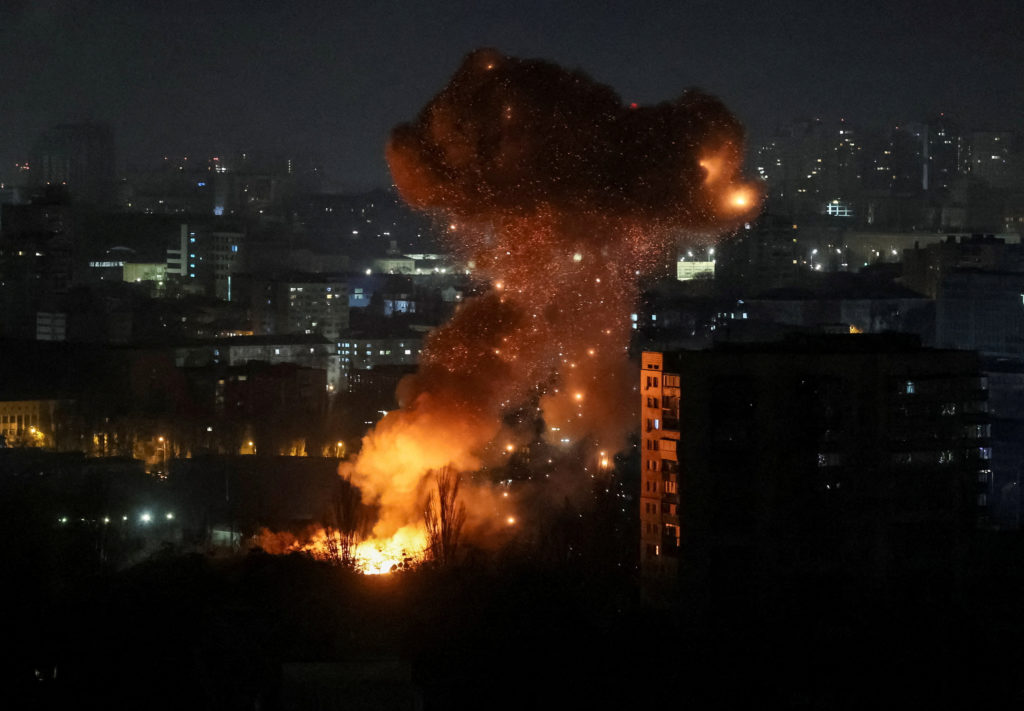
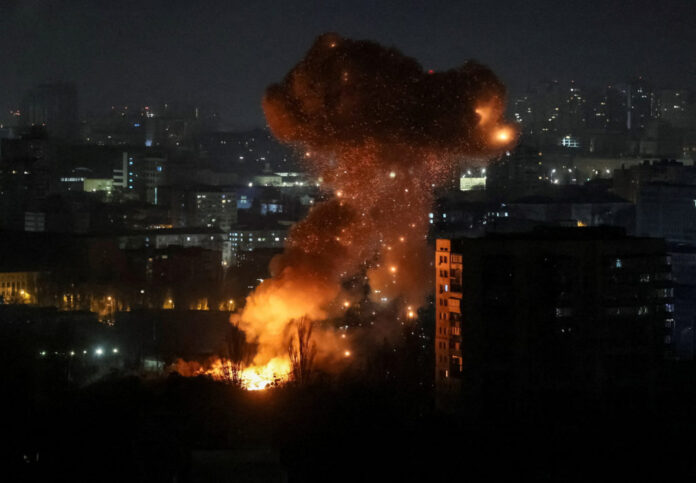
A gunman armed with an automatic weapon killed six people and injured at least 14 others in Ukraine’s capital on Saturday before police stormed a supermarket where he had taken hostages and shot him dead, officials said.

The attacker, identified by authorities as a 58-year-old man, carried out the shooting in a busy central district of Kyiv, leaving victims on a crowded street as people fled for safety. He later barricaded himself inside a nearby store with customers and employees before security forces intervened.

Volodymyr Zelenskyy said the suspect was born in Russia and had previously lived in eastern Ukraine’s Donetsk region. Authorities were still working to determine a motive for the violence.

“The assailant has been neutralized,” Zelenskyy said in a video message. He added that the attacker killed multiple people on the street and fatally shot one hostage inside the store. Another victim later died in a hospital from severe injuries.

Zelenskyy also said investigators believe the suspect set fire to an apartment before launching the attack. He noted that the man had a prior criminal record and legally possessed the weapon used in the shooting.

Interior Minister Ihor Klymenko said special police units moved in after attempts to negotiate with the gunman failed. Authorities had tried to establish contact and offered medical assistance for those believed to be wounded inside, but the suspect did not respond.

“We tried to persuade him, knowing that there was likely a wounded person inside,” Klymenko said. “Consequently, the order was given to neutralize him.”

During the standoff, which lasted about 40 minutes, a police negotiator used a loudspeaker from behind an armored vehicle to urge the gunman to release the hostages. “The people are not to blame for this. Please let them go, and we will talk with you,” the negotiator said, according to officials.

Ukraine’s security service classified the incident as an act of terrorism.

An Associated Press journalist at the scene saw emergency crews covering victims with blankets before removing the bodies. Witnesses described chaos as gunfire erupted in the area near residential buildings and a shopping center.

The attack took place in Kyiv’s Holosiivskyi district, where some residents said they recognized the suspect.

“I knew him by sight. He seemed like an educated, refined man,” said Hanna Kulyk, a 75-year-old resident who lived in the same building. “He didn’t socialize much with people — just a greeting and he’d be on his way. He lived alone.”

Mass shootings are rare in Kyiv, particularly since Russia’s full-scale invasion of Ukraine in 2022, which has shifted the country’s security focus toward external threats.

The shooting represents a striking and unusual episode of violence in Kyiv, where the primary security concern has been military attacks rather than internal incidents. The presence of a heavily armed individual carrying out a prolonged attack in a central district highlights vulnerabilities that are not typically associated with a city under wartime conditions.

One key aspect of the incident is the attacker’s apparent ability to legally obtain and carry a weapon. While Ukraine has tightened certain security measures during the conflict, the circulation of firearms has increased due to the war, raising concerns about access and control. This case may renew debate over how weapons are regulated in a country facing both external and internal security challenges.

The use of a hostage situation adds another layer of complexity. Law enforcement agencies are often trained to handle such scenarios through negotiation, but the limited response from the suspect forced authorities to act quickly. The decision to storm the building underscores the difficult balance between attempting to preserve life and preventing further casualties.

The classification of the incident as terrorism reflects the scale and nature of the attack, though investigators have not yet publicly established a clear ideological motive. This designation may influence how authorities approach the investigation and any related security measures moving forward.

The psychological impact on residents is also significant. In a city already affected by years of conflict, an incident of this nature can deepen anxiety and highlight the unpredictability of threats. Witness accounts describing the attacker as quiet and unremarkable further emphasize how difficult it can be to anticipate such acts.

From a broader perspective, the attack may prompt a reassessment of urban security in Kyiv and other major cities. While defenses have largely focused on air strikes and military threats, this event suggests a need to address risks posed by individuals acting independently.

As authorities continue their investigation, attention will likely focus on the attacker’s background, access to weapons and any warning signs that may have been missed. The findings could shape future policies aimed at preventing similar incidents.

AP

Gunmen Ambush Bus in Nigeria, Abduct Students Traveling to Exams

0

Armed attackers ambushed a passenger bus in central Nigeria and abducted several people, including students traveling to sit for university examinations, authorities said.

The attack occurred Thursday along the Otukpo-Makurdi highway in Benue state, according to Governor Hyacinth Alia. The governor confirmed that students were among those taken but did not provide an exact number of victims. Local media outlets indicated that about 14 passengers were on board at the time of the incident.

“The targeting of innocent citizens, particularly students on their way to sit for examinations, is unacceptable and stands against every norm of humanity and civil order,” Alia said in a statement.

Search operations have been launched across the area as security forces work to locate and rescue those abducted, the governor added. He urged residents to remain calm and cooperate with authorities during ongoing efforts.

No group has claimed responsibility for the attack. The Benue region has experienced repeated incidents of armed violence, with criminal groups frequently targeting rural communities and travelers. Kidnappings for ransom have become a persistent threat, particularly along highways where security presence is limited.

Nigeria, Africa’s most populous country, continues to face a complex security situation involving insurgent groups, armed gangs and other criminal networks. Abductions involving students have drawn widespread attention in recent years, as schools and young people are often seen as high-profile targets that generate pressure for ransom payments.

Governor Alia said authorities remain committed to protecting lives and property, emphasizing that decisive measures will continue to be taken against those responsible for such attacks.

The latest abduction highlights the ongoing risks associated with road travel in parts of Nigeria, particularly in areas where security coverage is limited. Highways connecting major towns often pass through remote regions, making them vulnerable to attacks by armed groups.

The involvement of students adds to growing concerns about safety in the education sector. Over recent years, kidnappings involving students have become a major issue, disrupting education and creating fear among families and communities.

Financial incentives remain a key driver behind such attacks. Kidnapping for ransom has become a profitable activity for criminal groups, with victims often selected based on their perceived value or the likelihood of attracting attention. Students traveling to examinations are especially vulnerable because they are often in transit without security protection.

The lack of a claim of responsibility reflects a broader pattern in which loosely organized groups operate without clear identification. This makes it more difficult for authorities to track and dismantle these networks, as attackers may shift locations or operate under different identities.

Efforts to address the problem have included increased security deployments and community-based initiatives. However, the continued occurrence of such incidents suggests that additional measures may be needed, including better intelligence gathering, improved coordination among agencies and stronger infrastructure in affected areas.

Public cooperation remains critical to response efforts. Information from local communities can assist security forces in identifying suspects and improving response times.

Long-term solutions will likely depend on addressing underlying challenges such as poverty, unemployment and limited access to education, which can contribute to the growth of criminal activity. Without tackling these root causes, progress may be difficult to sustain.

For now, authorities are focused on securing the safe return of those abducted. The incident highlights the ongoing security challenges facing Nigeria and the urgent need for effective solutions.

AP

French Soldier Killed, 3 Injured in Attack on UN Peacekeepers in Southern Lebanon

0
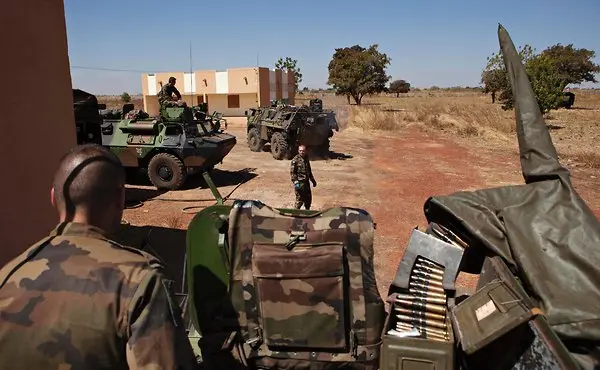
French UN peacekeepers stand near the bridge linking southern Lebanon to the rest of the country, which was hit earlier in an Israeli strike, after a 10-day ceasefire between Lebanon and Israel went into effect, in Qasmiyeh, Lebanon, April 18, 2026. REUTERS/Louisa Gouliamaki

A French soldier serving with a United Nations peacekeeping mission in southern Lebanon was killed and three others were wounded in an attack Saturday, French officials said, in an incident that has heightened tensions during a fragile ceasefire in the region.

Emmanuel Macron identified the fallen soldier as Florian Montorio, a staff sergeant with the 17th Parachute Engineer Regiment based in Montauban. Montorio was part of the multinational force known as the United Nations Interim Force in Lebanon, which operates in southern Lebanon.

French UN peacekeepers stand near the bridge linking southern Lebanon to the rest of the country, which was hit earlier in an Israeli strike, after a 10-day ceasefire between Lebanon and Israel went into effect, in Qasmiyeh, Lebanon, April 18, 2026. REUTERS/Louisa Gouliamaki

Macron said the attack occurred during the morning as peacekeepers carried out their duties. Three other French soldiers were injured and evacuated, he added, noting that the nation stands in support of the victims’ families and military personnel deployed in the region.

“Everything suggests that responsibility for this attack lies with Hezbollah,” Macron said in a statement posted on social media. He called on Lebanese authorities to detain those responsible and fulfill their obligations alongside the United Nations mission.

Hezbollah rejected the accusation, urging caution in assigning blame before the completion of an official investigation. In a statement, the group said conclusions should not be drawn until the Lebanese army determines the circumstances surrounding the incident.

The peacekeeping force said the attack occurred while a patrol was clearing explosive remnants along a road in the village of Ghanduriyah. According to its statement, the unit came under small-arms fire from armed individuals not affiliated with a recognized military force. Two of the injured soldiers were reported to have sustained serious wounds.

Nawaf Salam condemned the attack and ordered an immediate investigation. He warned that such incidents could damage Lebanon’s international relationships and undermine stability in the region.

The violence comes amid a 10-day ceasefire between Israel and Lebanon announced earlier this week by Donald Trump following rare direct talks between the two sides in Washington.

Despite the ceasefire, tensions remain high. Israel’s military said earlier Saturday that it had identified individuals it described as militants approaching its forces and posing a threat. The military said it responded with targeted strikes.

The killing of a United Nations peacekeeper underscores the volatile conditions in southern Lebanon, even during a declared pause in hostilities. Peacekeeping missions are designed to stabilize conflict zones, but they often operate in environments where control is fragmented and armed groups remain active.

France’s swift attribution of responsibility to Hezbollah reflects longstanding concerns about the group’s presence and influence in the region. However, the group’s denial highlights the complexity of assigning blame in areas where multiple armed actors may be present. Determining responsibility will likely depend on findings from the Lebanese army’s investigation.

The incident also raises questions about the effectiveness of the current ceasefire. While the agreement has reduced large-scale fighting, smaller clashes and isolated attacks suggest that underlying tensions remain unresolved. Such incidents can quickly escalate if they trigger retaliatory actions or erode trust between the parties involved.

For the United Nations mission, the attack highlights the risks faced by peacekeepers operating in active conflict zones. Tasks such as clearing explosive devices are inherently dangerous and often place personnel in exposed positions. Ensuring their safety requires cooperation from local authorities and armed groups, which can be difficult to secure consistently.

The broader geopolitical context further complicates the situation. The ceasefire brokered with U.S. involvement represents a rare moment of direct engagement between Israel and Lebanon, but sustaining it will require continued diplomatic effort. Incidents like this one can strain those efforts and create pressure for stronger responses from affected countries.

France’s reaction also signals the importance of its role within the peacekeeping mission. As one of the key contributors to the force, France may push for greater accountability and stronger security measures to protect its personnel. This could influence both United Nations operations and diplomatic discussions in the region.

Ultimately, the attack illustrates the fragile balance between conflict and stability in southern Lebanon. While ceasefires can reduce large-scale violence, they do not eliminate the risks posed by localized clashes, miscalculations, or actions by groups operating outside formal agreements.

AP/CNN

Iranian Gunboats Fire on Tanker as Shipping Restrictions Return in Strait of Hormuz

0

Iranian gunboats opened fire on a tanker moving through the Strait of Hormuz after Tehran reinstated limits on maritime traffic in the key waterway, British authorities said Saturday.

The United Kingdom Maritime Trade Operations reported that two vessels linked to Iran’s Revolutionary Guard targeted the tanker while it was transiting the narrow channel. The agency said the ship and its crew were safe but did not identify the vessel or provide details about its destination.

The incident followed an announcement from Iran that it was restoring restrictions on shipping through the strait in response to continued U.S. measures against Iranian ports and vessels. Iranian authorities have tightly controlled access to the waterway during the recent conflict, allowing passage only to ships granted approval.

In a separate development hours later, a container ship was struck by what officials described as an “unknown projectile” roughly 25 nautical miles northeast of Oman, according to the British maritime monitoring agency. The impact damaged several containers on board, though no injuries, fires or environmental damage were reported.

Authorities said they are reviewing the incident and have not attributed responsibility. The strike marked the second reported security event in the strait within the same day.

The two incidents occurred as tensions escalated following renewed enforcement of shipping limits by Iran. The restrictions came after Donald Trump said the United States would maintain its blockade affecting Iranian maritime activity, intensifying a standoff over access to one of the world’s most critical energy routes.

Shipping activity in the area appeared to shift in response to the developments. Vessel tracking data indicated that several ships approaching the strait reversed course amid uncertainty about safe passage. Some tankers carrying liquefied natural gas and crude oil, originally bound for ports in India, remained in the Gulf rather than continuing through the chokepoint.

Other vessels subject to U.S. sanctions were observed passing through the strait earlier in the day and reaching the Gulf of Oman without interference, though analysts said their movements could still be affected by evolving restrictions.

The Strait of Hormuz is one of the most important shipping corridors in the world, handling a significant share of global oil and gas exports. Any disruption to traffic in the area can have immediate implications for energy markets and international trade.

During a brief period when Iran eased restrictions earlier, several vessels were able to transit the waterway, but the renewed controls have reintroduced uncertainty for commercial shipping operators.

The latest incidents highlight the fragile security environment in the Strait of Hormuz and the risks associated with competing restrictions imposed by Iran and the United States. The firing on a tanker, even without casualties, signals a willingness to use force to enforce maritime limits, raising concerns among shipping companies and governments.

The second incident involving a container ship struck by a projectile adds another layer of uncertainty. Without clear attribution, such events can increase tension and the risk of miscalculation. In heavily trafficked waterways, even isolated incidents can disrupt operations as ship operators prioritize safety.

Iran’s strategy appears to involve controlled enforcement of access to the strait. By limiting which vessels can pass while avoiding a full closure, Tehran maintains leverage without triggering an immediate global crisis. However, the use of armed vessels to enforce these rules increases the risk of escalation, particularly if foreign ships or naval forces are involved.

From the U.S. perspective, maintaining a blockade while seeking to ensure freedom of navigation creates a complex dynamic. Efforts to restrict Iranian shipping can provoke countermeasures that affect international traffic, placing pressure on allies and trading partners that rely on the route.

The reaction of shipping companies—turning vessels away from the strait—demonstrates how quickly market behavior can shift in response to perceived risk. Even temporary disruptions can lead to delays, increased costs, and higher insurance premiums, all of which can ripple through global supply chains.

The presence of sanctioned vessels moving through the area without interference suggests that enforcement may not be uniform, adding further uncertainty. This inconsistency can complicate decision-making for operators trying to assess risk and compliance.

Looking ahead, the situation in the Strait of Hormuz will likely remain volatile as long as broader tensions persist. Any additional incidents, particularly those involving damage or casualties, could prompt a stronger international response and increase the likelihood of direct confrontation.

For now, the combination of military activity, shifting restrictions, and unclear enforcement underscores the strategic importance of the waterway and the challenges of maintaining stability in a region critical to global energy supplies.

CNN/AP

2 Nigerian Nationals Charged in U.S. Over $100 Million Tax Fraud Scheme, Face Decades in Prison

0

Two Nigerian nationals have been charged in the United States in connection with an alleged scheme to defraud the Internal Revenue Service of more than $100 million using stolen identities, federal authorities announced.

Indictments unsealed April 15 in federal courts in Georgia and Texas accuse Akinade Adedeji Raheem, 43, of Atlanta, and Abayomi Quadri Eletu, 42, of the United Kingdom and Nigeria, of orchestrating a yearslong operation involving fraudulent tax filings, identity theft and money laundering.

The charges were disclosed by the U.S. Department of Justice, which outlined allegations that the men worked with others to submit hundreds of false tax returns in an effort to secure large refunds from the IRS.

Prosecutors allege the scheme ran from 2018 through 2023 and involved the misuse of personal data belonging to both taxpayers and tax professionals. Investigators say the group obtained sensitive information—including names, addresses and Social Security numbers—by setting up online accounts and requesting confidential records from the IRS.

According to court documents, the defendants then altered mailing addresses associated with the victims, redirecting correspondence to locations they controlled. Authorities said they also filed change-of-address requests with the U.S. Postal Service to reroute mail without the victims’ knowledge.

Using the stolen identities, the group allegedly submitted more than 300 fraudulent tax returns, claiming over $100 million in refunds. Prosecutors say the refunds were directed to prepaid debit cards, which were then used to access and move the funds.

Before some refunds were issued, the IRS sent verification letters to confirm taxpayer identities. Investigators allege the defendants intercepted those communications and falsely verified the identities to authorize the release of funds.

Authorities said Eletu played a leading role in directing the operation, including instructing associates to obtain prepaid debit cards to receive the refunds. Once funds were deposited, the group allegedly moved money through a series of transactions designed to avoid detection.

Those transactions included purchasing money orders in amounts below federal reporting thresholds at post offices and retail locations. The funds were also used to buy used vehicles from auction platforms, some of which were shipped overseas, as well as high-end clothing and other goods, according to the indictment.

Eletu was taken into custody in the United Kingdom at the request of U.S. authorities, officials said.

Both defendants face charges of conspiracy to commit mail and wire fraud and conspiracy to commit money laundering. In addition, Eletu is charged with multiple counts of mail fraud, wire fraud, access device fraud and aggravated identity theft. Raheem faces additional counts related to access device fraud and identity theft.

If convicted, the defendants could face lengthy prison sentences. Federal law allows for up to 20 years for conspiracy to commit mail and wire fraud, 20 years for money laundering, and 10 years for access device fraud, along with mandatory additional penalties for identity theft offenses.

The case is being investigated by the Internal Revenue Service Criminal Investigation unit and the Treasury Inspector General for Tax Administration. Prosecutors from the Justice Department’s Criminal Division and the U.S. Attorney’s Office for the Northern District of Georgia are leading the case, with support from federal authorities in Texas. Officials also credited the United Kingdom with assisting in the investigation.

The case highlights the increasing sophistication of tax fraud schemes that rely on identity theft and digital access to government systems. By exploiting online account creation processes and redirecting official correspondence, the defendants allegedly bypassed traditional safeguards designed to protect taxpayers.

One notable aspect of the operation is the use of prepaid debit cards and structured financial transactions to move funds. This approach reflects a broader trend in financial crime, where individuals attempt to avoid detection by breaking large sums into smaller transactions that fall below reporting requirements. While such tactics can delay detection, they often leave patterns that investigators can trace over time.

The alleged use of stolen identities belonging to tax professionals is also significant. Access to such accounts can provide a gateway to multiple clients’ data, amplifying the scale of potential fraud. This raises concerns about the security of sensitive information within tax preparation systems and the need for stronger authentication measures.

The international dimension of the case underscores the challenges faced by law enforcement in addressing cross-border financial crimes. Coordination between U.S. and foreign authorities was critical in securing an arrest, demonstrating the importance of international cooperation in tracking suspects and recovering funds.

From a policy perspective, cases like this may prompt renewed focus on strengthening identity verification processes within the IRS and other government agencies. Enhancements such as multi-factor authentication, improved monitoring of account changes, and faster detection of unusual filing patterns could help reduce vulnerabilities.

The scale of the alleged fraud—more than $100 million—also highlights the financial impact such schemes can have on public resources. Fraudulent tax refunds not only result in direct financial losses but can also delay legitimate refunds for taxpayers and strain administrative systems.

As the case moves forward, it is likely to draw attention to the broader issue of identity theft and its role in financial crime. The outcome may influence future enforcement strategies and regulatory measures aimed at protecting both individuals and government systems from similar schemes.

Punchng/LindaIkeji

President Donald Trump Signals Possible Renewed Strikes if Iran Ceasefire Ends Without Agreement

0

Donald Trump indicated that U.S. military action against Iran could resume if a temporary ceasefire expires without a broader agreement, while also maintaining that restrictions on Iranian shipping will remain in place.

Speaking to reporters Friday night, Trump said the blockade affecting Iranian maritime activity would continue regardless of diplomatic progress. When asked about the possibility of extending the ceasefire beyond next week, he suggested uncertainty about the administration’s next move.

“I don’t know. Maybe I won’t extend it, but the blockade is going to remain,” Trump said. “If it’s not extended, then we may have to start bombing again.”

At the same time, Trump expressed cautious optimism about ongoing negotiations, telling reporters aboard Air Force One that he expects a deal could be reached. “I think it’s going to happen,” he said.

Tensions remain high around the Strait of Hormuz, a critical global shipping route through which roughly one-fifth of the world’s oil supply passes. Iranian officials said Friday that the waterway had been reopened to commercial traffic, but warned it could be closed again if U.S. restrictions on Iranian vessels continue.

Uncertainty persists over how freely ships can move through the strait. Iranian authorities have signaled that access may be conditional, with oversight by security forces determining which vessels are permitted to pass.

Iranian lawmaker Ebrahim Azizi said commercial vessels must comply with new navigation rules and pay required fees before transiting the waterway. He emphasized that the regulations were established by Iran and could be adjusted if tensions escalate.

A spokesperson for Iran’s Defense Ministry, Brig. Gen. Reza Talaei-Nik, stated that access to the strait is limited and tied to the current ceasefire. He said military vessels and ships linked to adversarial forces would not be permitted to pass.

The developments follow a period of heightened conflict involving Iran, Israel and allied groups, which has resulted in thousands of casualties across the region. The violence has also drawn in global powers and raised concerns about the stability of energy markets and international shipping routes.

In a separate development, Pakistan’s army chief Asim Munir concluded a visit to Tehran, where he held talks with senior Iranian officials, including President Masoud Pezeshkian and Foreign Minister Abbas Araghchi. According to the Pakistani military, the discussions focused on reducing tensions and supporting diplomatic efforts aimed at stabilizing the region.

Trump also dismissed suggestions that Iran could impose transit fees or additional restrictions on ships passing through the strait. “No, that’s not going to happen,” he said when asked about the possibility of tolls.

Meanwhile, Iran has begun partially reopening its airspace after weeks of closures tied to the conflict. State media reported that some flight routes have resumed, with a gradual return to normal operations expected, though no specific timeline has been provided.

The latest statements from President Donald Trump highlight the fragile nature of the current ceasefire and the narrow window for diplomacy. By signaling a willingness to resume military action while also expressing confidence in a potential agreement, the administration appears to be applying pressure on negotiations while keeping options open.

The continued focus on the Strait of Hormuz underscores its central role in the conflict. As one of the world’s most important energy corridors, any disruption to shipping in the strait has immediate global implications. Even the threat of restrictions can influence oil prices, insurance costs, and shipping routes.

Iran’s approach to managing access to the strait suggests a strategy of controlled escalation. By allowing limited commercial traffic while maintaining the ability to impose restrictions, Tehran retains leverage without fully closing the waterway. This balancing act may be aimed at avoiding a broader international response while still asserting control over a critical chokepoint.

The question of enforcement remains key. Monitoring and regulating traffic through such a heavily used route requires significant coordination and resources. Any miscalculation or confrontation involving naval forces could quickly escalate into a larger conflict.

The involvement of regional actors, including Pakistan, points to growing concern about the wider impact of the tensions. Diplomatic outreach efforts reflect an understanding that the conflict could have far-reaching consequences beyond the immediate parties involved.

From a U.S. perspective, maintaining the blockade while negotiating a ceasefire presents both opportunities and risks. The pressure may encourage concessions from Iran, but it could also harden positions and complicate efforts to reach a lasting agreement.

The partial reopening of Iran’s airspace signals a tentative step toward normalization, but it also highlights how deeply the conflict has disrupted civilian and commercial activity. Restoring full operations will depend on sustained stability, which remains uncertain.

Ultimately, the coming days will be critical in determining whether the ceasefire evolves into a broader agreement or gives way to renewed hostilities. The outcome will likely shape not only U.S.-Iran relations but also the broader security and economic landscape of the region.

The Associated Press/Ksat.com

 Helicopter Crash in Indonesia’s Borneo Kills 8 After Losing Contact Shortly After Takeoff

0

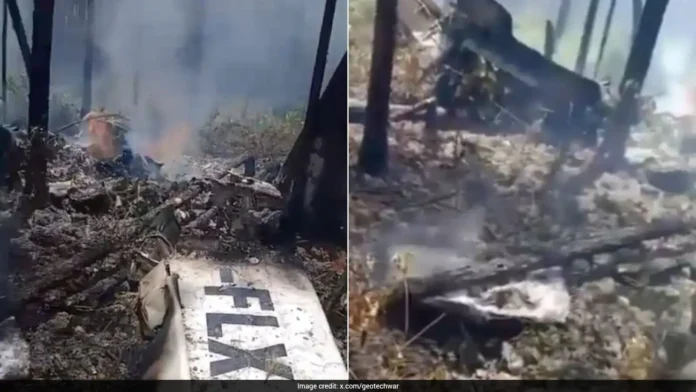
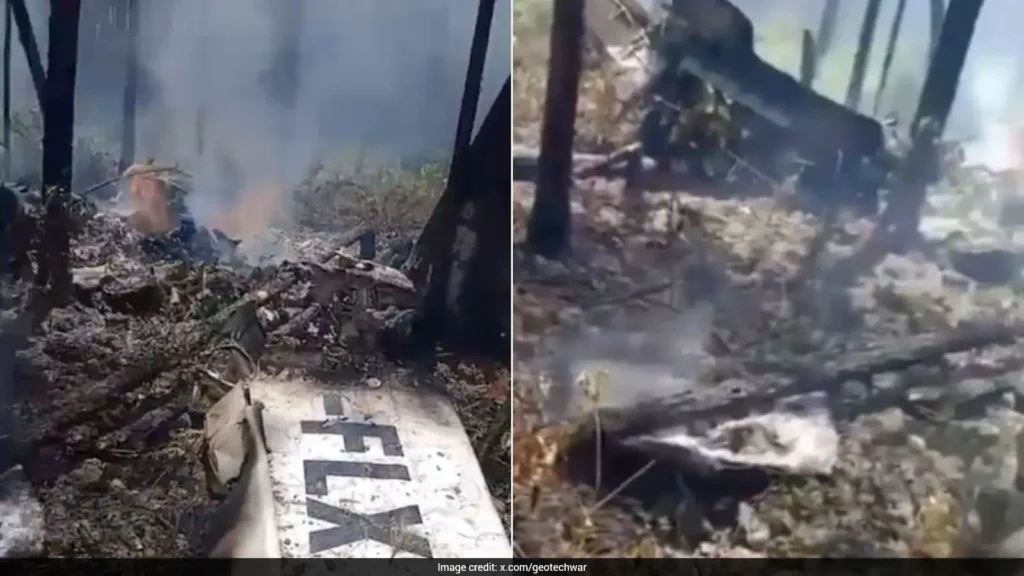
A private helicopter crashed in a remote forest on Indonesia’s Borneo island, killing all eight people on board after losing contact with air traffic control minutes into the flight, authorities said Friday.

The aircraft, identified as an Airbus H130 operated by local aviation company Matthew Air Nusantara, disappeared from radar about five minutes after takeoff Thursday morning in West Kalimantan province, according to Indonesia’s Transport Ministry.

Officials said the helicopter was traveling between palm oil plantation sites when communication was lost. A search operation was launched shortly afterward, with rescue teams working through difficult terrain to locate the aircraft.

Civil aviation director general Lukman F. Laisa confirmed that all eight individuals aboard the helicopter—two crew members and six passengers—were killed in the crash. One of the victims was a Malaysian national.

“The joint search and rescue team located the crash site, and information from the field confirms there were no survivors,” Laisa said in an official statement.

Rescue crews later found the wreckage in a heavily forested area with steep slopes in Sekadau district. I Made Junetra, head of the national search and rescue agency, told Agence France-Presse that the victims were recovered Thursday evening after hours of searching under challenging conditions.

The bodies were transported to the provincial capital, Pontianak, officials said.

The flight had departed from Melawi district and was heading to another plantation site in Kubu Raya district when it crashed, according to the National Search and Rescue Agency and the Transport Ministry, as reported by The Associated Press.

Indonesia, an archipelago of more than 17,000 islands, depends heavily on air travel to connect remote regions. However, the country has faced ongoing concerns about transportation safety, particularly involving aircraft operating in difficult environments such as mountainous terrain and dense forests.

Recent years have seen multiple fatal aviation incidents. In January, a turboprop aircraft chartered by Indonesia’s fisheries ministry crashed into a mountain on Sulawesi island, killing all 10 people on board. In September of the previous year, a helicopter crash in South Kalimantan province killed eight people, including passengers and crew. Less than two weeks later, another helicopter accident in Papua’s Ilaga district killed four people.

The latest helicopter crash highlights ongoing risks in Indonesia’s aviation sector, particularly for flights operating in remote regions where infrastructure is limited and terrain presents serious challenges. Aircraft serving industries such as palm oil production often fly at low altitudes over dense forests, where navigation and emergency response can be more difficult.

One key issue is the reliance on small aircraft for short-distance transport between industrial sites. While these flights are essential for economic activity, they often operate under conditions that leave little room for error, including unpredictable weather patterns, limited radar coverage, and few options for emergency landings.

The rapid loss of contact—just five minutes after takeoff—raises questions about possible mechanical failure, weather conditions, or operational issues. Investigators are expected to review flight data, maintenance records, and pilot communications to determine the cause. However, gathering evidence from remote crash sites can take time, which may delay conclusions.

Indonesia’s aviation safety record has improved in recent years following regulatory reforms and increased oversight, but incidents like this point to continuing challenges. Smaller operators may face difficulties maintaining consistent safety standards due to financial and logistical constraints.

The economic importance of industries such as palm oil also plays a role. Helicopters are widely used to transport workers and oversee operations across large plantation areas, making them a key part of daily business. Ensuring safety while meeting operational demands remains a significant concern for both regulators and companies.

From a broader perspective, the crash may lead to renewed calls for better monitoring systems, stricter enforcement of safety standards, and improved emergency response capabilities in remote areas. Advances in tracking and communication technology could help improve response times and flight safety.

For the families of the victims, the focus remains on the immediate loss. The crash adds to a series of aviation accidents that continue to shape public concern about air travel safety in Indonesia, particularly in remote parts of the country.

Geo.tv/AP

Russian Strikes Kill 16 Across Ukraine in Hourslong Drone and Missile Assault

0

Russian forces launched a sweeping aerial assault across Ukraine that lasted for hours from daylight into the night, killing at least 16 people and injuring more than 80 in one of the largest bombardments in nearly two weeks, Ukrainian officials said Thursday.

The barrage included hundreds of drones and dozens of ballistic and cruise missiles, many of which struck civilian areas, according to Ukrainian authorities. The scale and duration of the attack underscored the sustained intensity of Russia’s campaign, now more than four years into its full-scale invasion.

Ukraine’s air force said nearly 700 drones were launched along with multiple missile systems during the assault. Air defenses intercepted or disrupted the majority of incoming threats, downing hundreds of drones and several missiles. However, some projectiles evaded defenses and hit locations across several regions.

At least four people were killed in Kyiv, including a 12-year-old child, while more than 50 others were injured, officials said. In the southern port city of Odesa, nine people died and 23 were hurt. Additional casualties were recorded in the central Dnipro region, where three people were killed and dozens more injured, and in the southern Zaporizhzhia region, where one person was killed.

Ukrainian President Volodymyr Zelenskyy condemned the strikes and renewed calls for stronger international support, especially for air defense systems. “Another night has shown that Russia does not deserve any easing of global policy or sanctions relief,” he wrote on social media.

The attack followed Zelenskyy’s recent diplomatic trip to Europe, where he sought additional military assistance from Germany, Norway and Italy. He said new agreements had been reached to strengthen Ukraine’s air defenses, while noting that some previously promised support has yet to be delivered.

Ukraine’s leadership has also raised concerns that global conflicts, including tensions involving Iran, could strain supplies of advanced Western defense systems. Kyiv has opposed any easing of restrictions on Russian oil exports, arguing that such measures could help fund Moscow’s war effort.

Foreign Minister Andrii Sybiha described the strikes as unlawful attacks on civilians. “Such attacks cannot be accepted. Those responsible must be held accountable,” he said.

Residents described scenes of destruction and fear as explosions shook neighborhoods. In Kyiv, Tetiana Sokol said blasts shattered windows near her home, forcing her to take shelter with her dog as debris scattered across the area. She described the chaos as overwhelming, with damage throughout her home and pets missing after the attack.

The United Nations says more than 15,000 Ukrainian civilians have been killed since the war escalated into a full-scale conflict in 2022, with airstrikes contributing heavily to the toll. While daily attacks have become routine, large-scale assaults like the latest one highlight the continued danger facing civilians.

The scale of the latest Russian assault reflects a continued reliance on mass aerial tactics designed to overwhelm Ukraine’s air defense systems. By deploying large numbers of drones alongside missiles, Moscow appears to be testing the limits of Ukraine’s interception capabilities, forcing defenders to spread resources across multiple threats at once.

This approach has both military and psychological effects. Even when a high percentage of incoming weapons are intercepted, the sheer volume increases the chance that some will reach their targets. The resulting damage to residential areas and infrastructure contributes to ongoing fear and instability among civilians.

Ukraine’s push for additional air defense systems highlights a key challenge. Advanced systems such as Patriot batteries are effective but limited in number, and their deployment must be carefully managed. As global demand for these systems rises, Ukraine faces growing competition for access.

The broader geopolitical situation also plays a role. Ukraine’s concerns about sanctions policy and energy markets reflect the link between economic pressure and military capability. Any changes that improve Russia’s financial position could allow it to sustain or expand its campaign.

At the same time, the attack underscores the importance of international coordination. Zelenskyy’s outreach to European partners shows the need for continued support, but delays in delivering promised assistance could have immediate consequences for Ukraine’s defenses and civilian safety.

From a humanitarian perspective, repeated strikes on populated areas raise serious concerns about adherence to international law. The continued impact on residential neighborhoods has drawn criticism from global organizations and governments.

Looking ahead, the intensity of such attacks may depend on both battlefield developments and diplomatic efforts. Strengthening air defenses could reduce the effectiveness of future strikes, while any reduction in support could leave Ukraine more vulnerable.

For civilians across Ukraine, however, the immediate reality remains unchanged. Large-scale attacks continue to disrupt daily life, damage homes and infrastructure, and cause loss of life, highlighting the ongoing human cost of the conflict.

The Associated Press

Chicago Teen Killed, Another Injured in South Side Bus Stop Shooting Near School Dismissal

0

A 16-year-old boy was killed and a teenage girl was wounded in a shooting Wednesday afternoon at a South Side bus stop near a community center, Chicago police said, in an attack that unfolded moments after nearby students were dismissed from school.

The violence occurred just before 3:25 p.m. in the 6300 block of South Stony Island Avenue in the city’s Woodlawn neighborhood. Authorities said a 16-year-old boy and girl were standing at a bus stop when an individual approached, produced a firearm and opened fire.

The boy, later identified by family members as Eric Billups, sustained multiple gunshot wounds and was transported to University of Chicago Medical Center in critical condition. He later died from his injuries, police said.

The girl, also 16, was struck in the leg and taken to the same hospital, where she was listed in fair condition, according to authorities.

The shooting took place near a local YMCA and within close proximity to Hyde Park Academy High School, where students had just been released for the day. Witnesses described a chaotic scene as gunfire sent students running for safety.

Residents in the area said they heard multiple shots and saw young people scattering across the street. Personal belongings, including a backpack and school materials, were left behind in the rush to escape.

“You could see kids running everywhere,” said John Watts, who lives nearby. “When I looked outside, it was clear something was very wrong.”

Family members of Billups gathered outside the hospital, grappling with the sudden loss. Relatives described the teenager as a student with his life ahead of him.

“It’s disbelief,” said his cousin Nikee Ford. “He didn’t deserve this. Nobody does, but he was so young.”

Another relative, Ali Malone, said the shooting has left a deep void in the family. “They took a big piece of us,” Malone said.

School staff also reacted with grief. Clyde Caldwell, a teacher’s assistant who knew the students, said the loss reverberates beyond the family. “You see these kids every day,” Caldwell said. “When they walk into that building, they become part of your life.”

The fatal shooting adds to a series of recent tragedies affecting students connected to the same school community. Just weeks earlier, an 18-year-old classmate of Billups was killed in a hit-and-run crash in a nearby suburb. In a separate incident, another teenager from the broader area died after being struck while riding a scooter.

Police have not announced any arrests in connection with Wednesday’s shooting. Area One detectives are leading the investigation and have not released details about a possible suspect or motive.

The killing of Eric Billups underscores persistent concerns about youth violence in Chicago, particularly in neighborhoods where students often travel through public spaces immediately after school hours. The timing of the shooting—just minutes after dismissal—highlights a critical window when large numbers of teenagers are gathered in transit zones such as bus stops and sidewalks.

Public transit areas near schools have long been identified by safety experts as vulnerable نقاط—translated into focal points—where conflicts can escalate quickly or targeted attacks can occur. The presence of multiple students in a confined space increases both the risk and the potential for collateral harm.

In recent years, Chicago officials have invested in measures such as Safe Passage routes and increased patrols near schools. However, incidents like this suggest gaps remain, particularly in areas just beyond designated safety corridors. Expanding those protections or re-evaluating their coverage could become part of the policy conversation following this latest shooting.

Another dimension is the cumulative trauma experienced by students and educators. The fact that multiple tragedies have affected the same school community within a short period may intensify psychological stress and fear among students. Research has shown that repeated exposure to violence, even indirectly, can have lasting impacts on academic performance, attendance, and mental health.

The lack of immediate arrests also reflects a broader challenge for law enforcement in addressing gun violence. Investigations often depend on witness cooperation, surveillance footage, and forensic evidence, all of which can be difficult to secure in fast-moving, public incidents. Building trust within communities remains essential to improving case resolution rates.

From a policy perspective, the incident may renew debate over strategies to reduce youth access to firearms and address the underlying causes of violence, including economic disparities and social instability. While Chicago has implemented various intervention programs, their effectiveness continues to be closely scrutinized.

At a community level, the response often centers on both grief and resilience. Families, educators, and local leaders are left to navigate the immediate aftermath while advocating for longer-term solutions. The emotional toll, as reflected in the reactions of Billups’ relatives and school staff, illustrates how deeply such incidents resonate beyond the individuals directly involved.

As the investigation continues, the focus will remain on identifying those responsible and preventing further violence. For many in the Woodlawn neighborhood, however, the loss of a young life serves as a stark reminder of the challenges that persist and the urgency of addressing them.

abc7chicago