Home Blog Page 56

Gunmen Storm Kwara Church, Abduct Worshippers as Security Forces Rescue 3

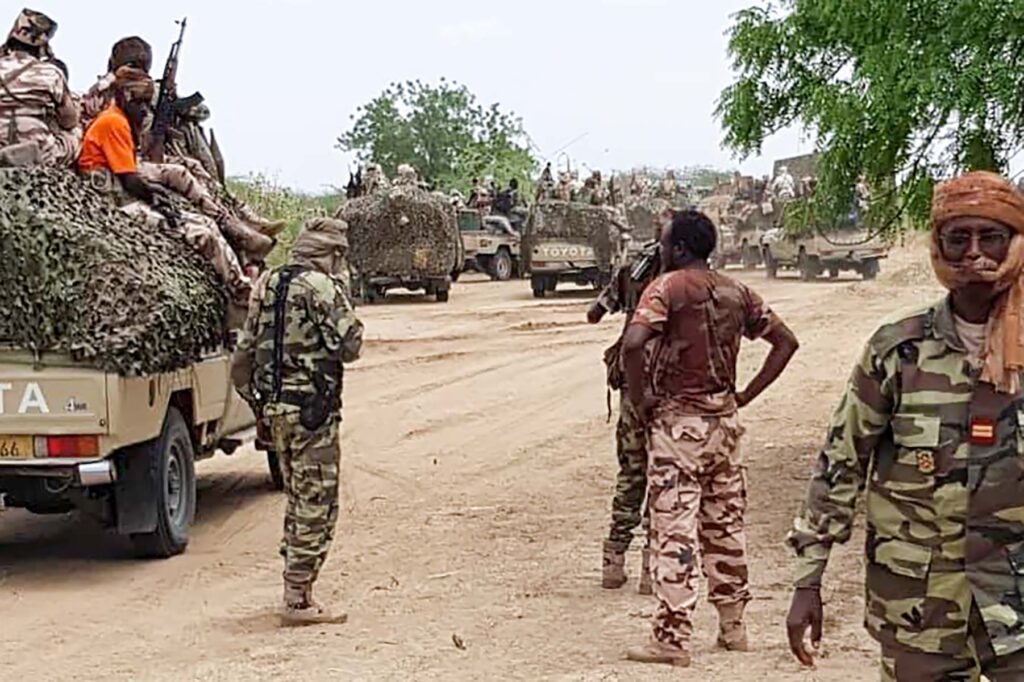
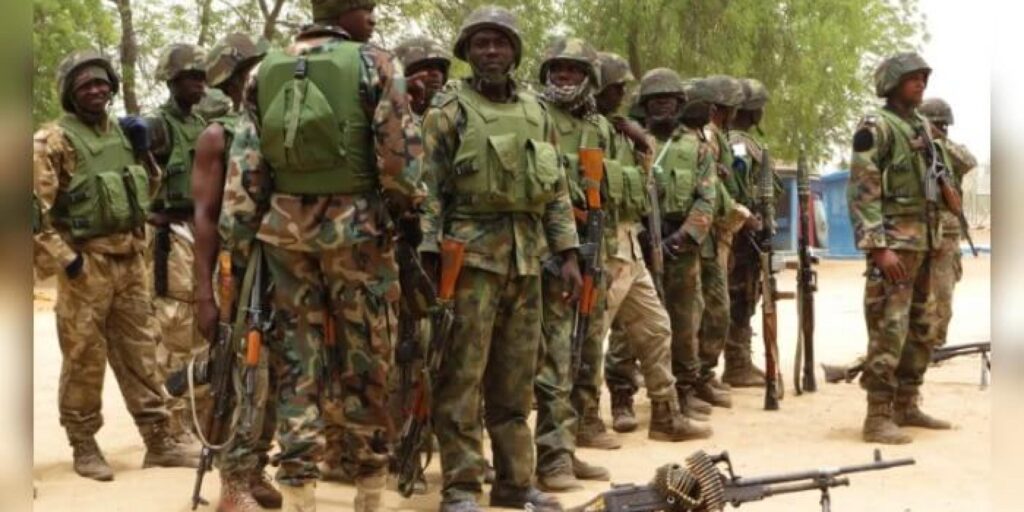
Nigeria — Armed attackers stormed a church in Kwara State, Nigeria, on Sunday, abducting several worshippers during a service in an assault that has heightened fears over growing insecurity in the region.

The attack occurred at an Evangelical Church Winning All (ECWA) congregation in the Omugo area of Ifelodun Local Government Area, where worshippers had gathered for their weekly service. Witnesses described a scene of panic as gunmen entered the premises and forced multiple attendees away.

Local sources told PUNCH Online that the attackers arrived without warning and carried out the abduction before security forces responded. A member of the Kwara South Joint Security Watch, speaking anonymously, said at least seven people were taken during the incident, though the exact number remains unclear.

State officials later confirmed that three of the abducted individuals had been rescued following a coordinated response by security personnel, forest guards and local vigilante groups.

Kwara State Commissioner for Communications Bolanle Olukoju said authorities acted swiftly after the attack was reported.

“We commend the immediate and coordinated response of the security forces, forest guards, and local vigilantes, which led to the rescue of three of the abducted victims and helped repel the attackers,” she said.

Olukoju added that security agencies have been directed to intensify efforts to locate and rescue those still in captivity, while also pursuing those responsible.

She condemned the targeting of a place of worship, calling the attack unacceptable and vowing continued action to protect residents.

The assault has unsettled communities across the area, with residents expressing concern over a rise in armed raids and kidnappings in parts of Kwara State.

Separate accounts from local sources suggested the number of abducted victims could be higher.

Witnesses cited by SaharaReporters said as many as nine worshippers were taken from a church in the nearby Oro-Ago community during a similar Sunday service. According to those accounts, heavily armed men entered the church and carried out the abduction without resistance as worshippers fled.

Residents said the attackers moved quickly and took the victims to an unknown location, leaving the community in fear and confusion.

Authorities have not yet issued a detailed breakdown reconciling the differing figures, and it remains unclear whether the reports refer to the same incident or separate but related attacks.

The attack comes amid heightened security concerns following intelligence warnings of planned coordinated assaults across southern Kwara.

The Kwara South Joint Security Watch ранее warned that armed groups could target Ifelodun, Irepodun and Isin local government areas in the coming days. Coordinator Olaitan Oyin-Zubair said the alert was based on gathered intelligence indicating potential synchronized attacks.

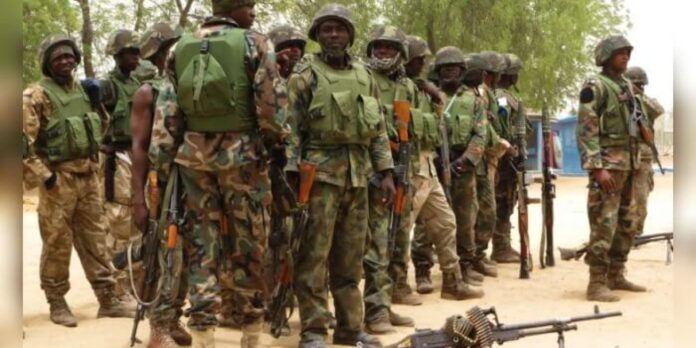
Security agencies, including military and paramilitary units, have since increased patrols and surveillance, including aerial monitoring, in an effort to prevent further incidents.

Residents have been urged to remain alert and report suspicious activity as authorities attempt to contain the threat.

Officials said ongoing operations in forested areas have already disrupted some criminal activity, though challenges persist in tracking armed groups operating across remote terrain.

The attack on a church in Kwara State reflects a broader pattern of insecurity spreading into areas previously considered relatively stable. While northern Nigeria has long faced challenges from armed groups, incidents in states like Kwara suggest a geographic expansion of the threat.

Places of worship have increasingly become targets due to their vulnerability and symbolic significance. Attacks during services maximize impact, both in terms of casualties and psychological effect on communities.

The conflicting reports about the number of abducted victims highlight a recurring issue in crisis reporting, where limited access and rapidly evolving situations make verification difficult. This can complicate response efforts and delay coordinated action.

The role of local vigilante groups and forest guards in rescuing victims underscores both the importance and limitations of community-based security efforts. While they can provide immediate support, their presence also reflects gaps in formal security coverage.

The intelligence warning issued before the attack raises additional concerns. If confirmed, it suggests that authorities had prior indications of potential threats, prompting questions about whether preventive measures were sufficient.

Going forward, sustained coordination between federal forces, local authorities and community groups will be critical. Without stronger preventive strategies and improved intelligence response, attacks like the one in Ifelodun may continue to occur, further eroding public confidence and stability in the region.

Punchng/SaharaReporters

Iran Threatens Full Strait of Hormuz Shutdown After President Donald Trump Warning on Energy Strikes, Closing the Strait to ‘Enemy’ Vessels

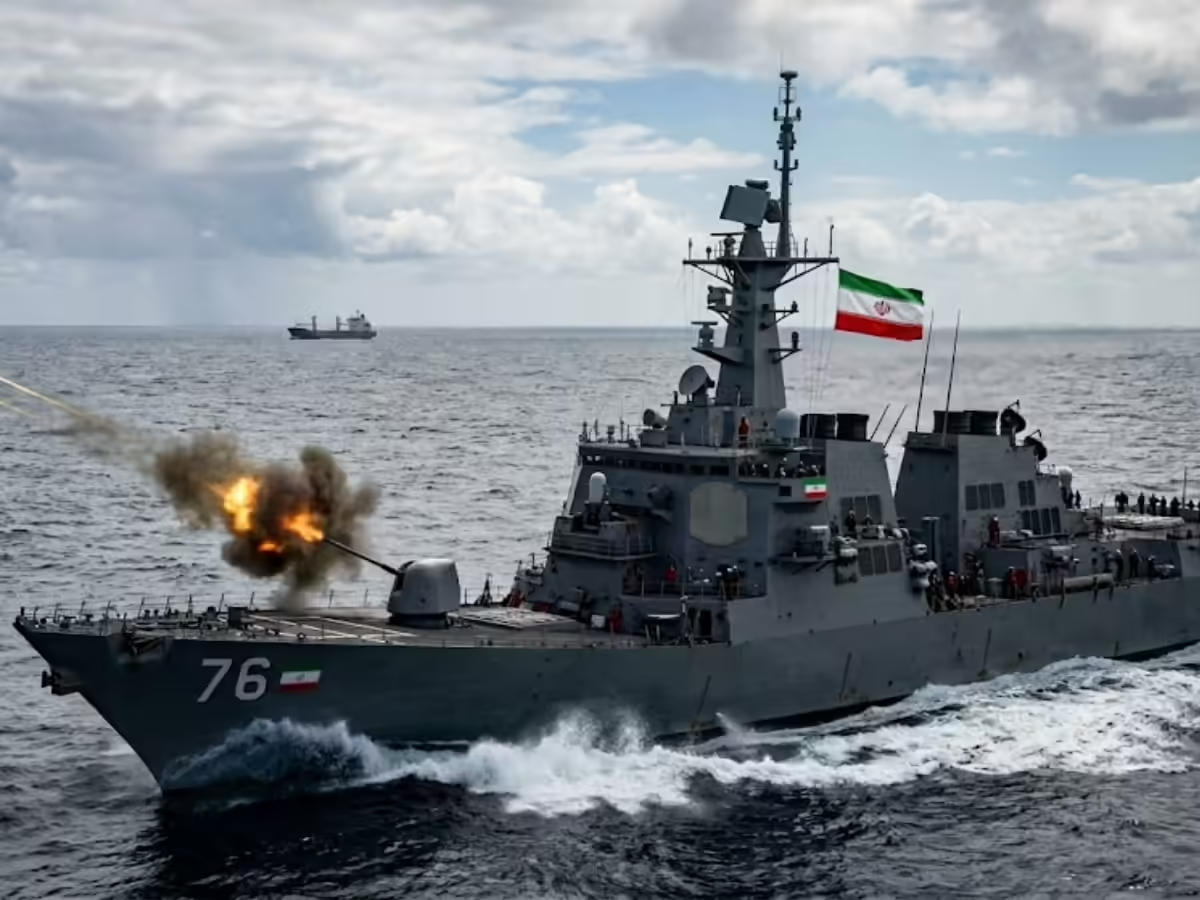
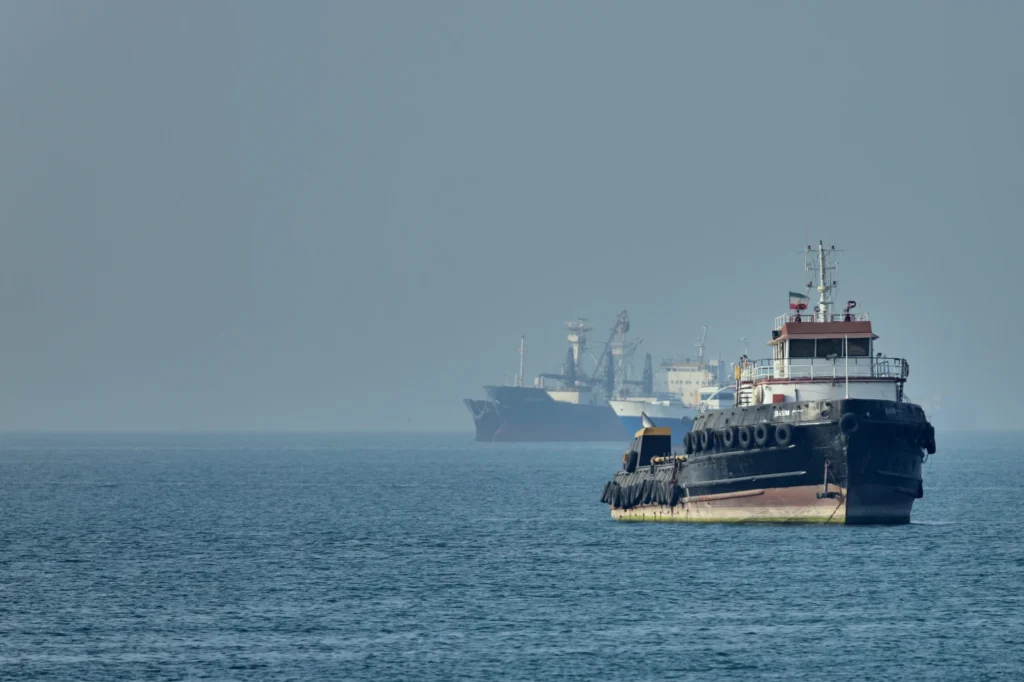
 Iran warned Sunday that it could completely shut down the Strait of Hormuz and expand attacks on regional infrastructure after President Donald Trump threatened U.S. strikes on Iranian power plants if the critical shipping lane is not reopened within 48 hours.

The escalating exchange between Washington and Tehran marked a significant intensification in the conflict, now entering its fourth week, with both sides signaling potential strikes on essential energy and industrial systems.

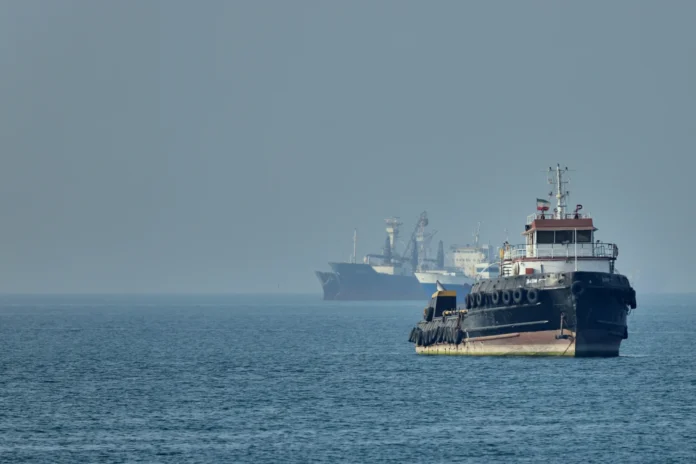
Iranian officials indicated the strategically vital waterway would be closed entirely if the United States follows through on its warning. The strait, which connects the Persian Gulf to global markets, carries roughly one-fifth of the world’s oil supply and a significant share of liquefied natural gas shipments.

President Trump said in a social media post late Saturday that the United States would destroy Iranian power infrastructure if shipping traffic is not restored, warning that the largest facilities would be targeted first. U.S. officials have maintained that Iran’s infrastructure supports its broader military operations.

In response, Iranian parliament speaker Mohammad Bagher Qalibaf said any attack on Iran’s infrastructure would prompt retaliatory strikes on critical systems across the region, including energy networks and desalination facilities, which are essential for water supplies in Gulf countries.

Iran’s representative to the International Maritime Organization said navigation through the strait would remain possible for vessels not considered hostile, indicating Tehran would control access. Iranian authorities have already allowed certain shipments, including those bound for China and parts of Asia, to pass through under specific conditions.

Shipping traffic through the strait has slowed dramatically in recent days as threats and attacks on vessels have disrupted tanker movements. Major oil producers have reduced output amid growing difficulty exporting crude.

The diplomatic standoff unfolded alongside intensified military exchanges between Iran and Israel.

Iran launched missile attacks targeting areas near Israel’s primary nuclear research region in the Negev Desert, striking the cities of Dimona and Arad. The strikes caused extensive damage to residential buildings and injured dozens, according to emergency responders.

Israeli Prime Minister Benjamin Netanyahu visited the affected area and described the outcome as fortunate given the scale of destruction, noting that adherence to air raid warnings likely prevented fatalities.

Israel’s military acknowledged that some missiles penetrated its air defense systems, marking a notable shift in the conflict. It was the first confirmed instance of Iranian projectiles reaching areas near the country’s nuclear research facilities.

At least 64 people were taken to hospitals following the strike in Arad. In northern Israel, a separate attack attributed to the militant group Hezbollah killed one person, according to Israeli authorities.

Israel’s military leadership said operations would continue, warning that the conflict is ongoing and could intensify further.

The International Atomic Energy Agency said it had not received reports of damage to Israel’s nuclear facilities or any abnormal radiation levels following the strikes.

The conflict has extended beyond immediate battle zones. Iranian forces targeted the joint U.S.-U.K. military base at Diego Garcia in the Indian Ocean, though the attack was unsuccessful, according to British officials.

Military analysts suggested the attempted strike could indicate longer-range capabilities than previously assessed, possibly involving modified launch systems.

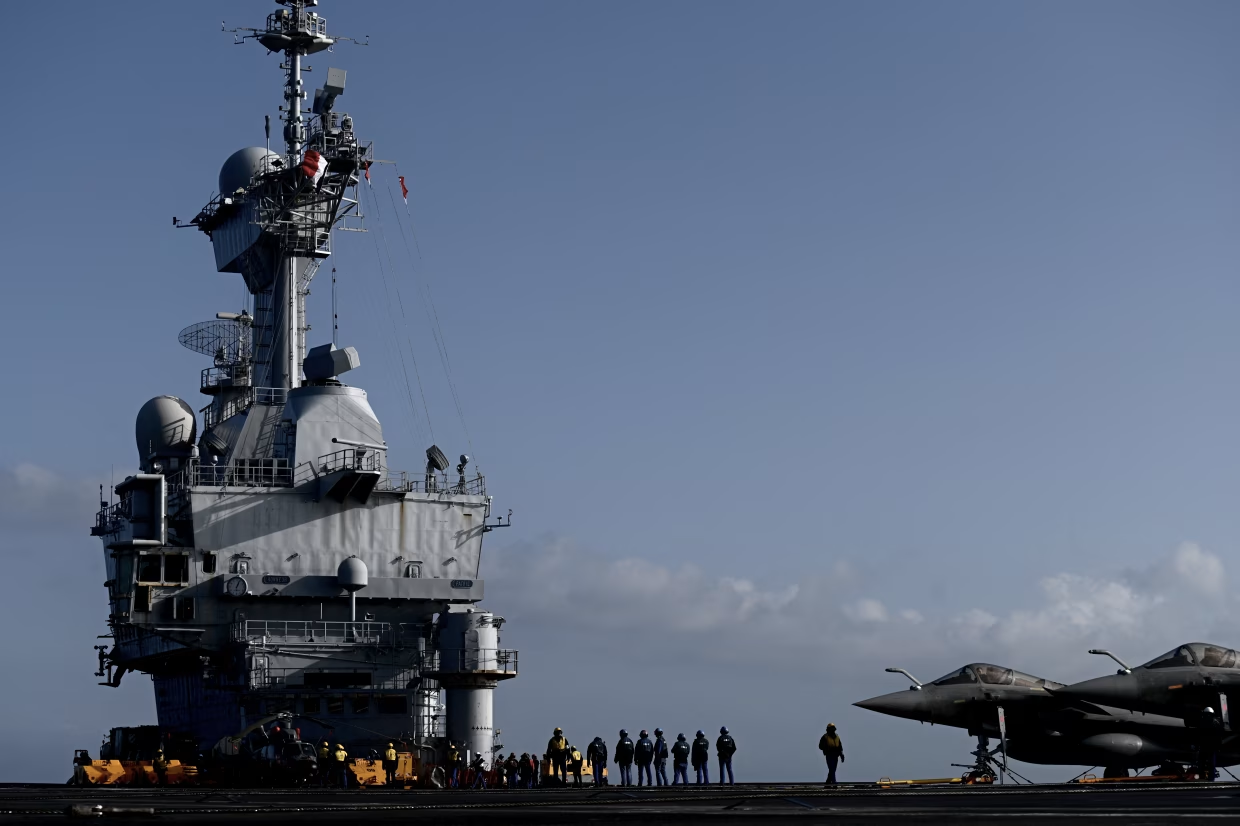
The United States has increased its military presence in the region, deploying additional amphibious ships and thousands of Marines, officials told The Associated Press.

Elsewhere in the Gulf, countries reported continued attacks. Saudi Arabia said it intercepted multiple drones targeting its eastern oil-producing region, while alerts were issued in the United Arab Emirates.

The conflict has also disrupted global energy markets. Damage to key infrastructure, including facilities in Qatar’s Ras Laffan Industrial City, has reduced output and contributed to rising fuel costs worldwide.

In an effort to ease pressure, the Trump administration temporarily lifted some restrictions on Iranian oil already at sea. However, analysts say the move does not significantly increase supply, limiting its impact on stabilizing prices.

The human toll continues to rise. Iranian state media reported more than 1,500 deaths in Iran since the conflict began. In Israel, at least 15 people have been killed by Iranian missile strikes, with additional fatalities reported in the West Bank.

U.S. officials said at least 13 American service members have been killed, along with numerous civilians across Gulf nations.

Regional violence has also spread to Lebanon, where Hezbollah claimed responsibility for a strike that killed a man in the northern Israeli town of Misgav Am. Israeli forces have responded with airstrikes and expanded operations along the border.

Lebanese authorities said Israeli strikes have killed more than 1,000 people and displaced over 1 million residents. On Sunday, Israeli forces destroyed a major bridge connecting southern Lebanon to central regions, further damaging infrastructure.

The growing confrontation over the Strait of Hormuz represents a pivotal moment in the conflict, with far-reaching global consequences. The waterway is one of the most critical chokepoints in the global energy system, and any prolonged closure could disrupt supply chains and trigger sharp increases in oil and gas prices.

Iran’s strategy appears to center on leveraging its geographic control over the strait to counter U.S. military and economic pressure. By threatening selective access, Tehran is signaling that it can influence global energy flows while maintaining limited trade with key partners.

President Donald Trump’s warning suggests a shift toward targeting economic infrastructure, a move that could significantly escalate the conflict. Strikes on power plants would directly affect civilian systems and could provoke broader retaliation across the region.

The missile strikes near Israel’s nuclear research area highlight a parallel escalation on the battlefield. The ability to penetrate air defenses in sensitive areas may signal evolving tactics or capabilities, raising concerns about future attacks.

At the same time, the widening scope of the conflict—from the Gulf to the Indian Ocean and the Israel-Lebanon border—underscores the risk of a broader regional war. Increased military deployments and infrastructure targeting raise the likelihood of miscalculation.

If the Strait of Hormuz remains disrupted, the economic impact could extend well beyond the Middle East, affecting fuel prices, shipping routes and global markets. The situation places mounting pressure on international actors to stabilize maritime security while avoiding further escalation.

Arabnews

Female Boxer Isis Sio in Medically Induced Coma After First-Round Knockout in California Bout

Nineteen-year-old boxer Isis Sio remains in critical condition and in a medically induced coma after suffering a knockout during a bout Saturday night in Southern California, according to event organizers and medical officials.

Sio, a light flyweight fighter from North Dakota, is being treated in the intensive care unit at Loma Linda University Health Medical Center following the opening match of a ProBox TV card held at the Orange Show Events Center.

Promoter ProBox TV said in a statement Sunday that Sio had been placed in a medically induced coma after being knocked out in the first round of her scheduled fight against Jocelyn Camarillo.

The bout ended just 1 minute and 18 seconds into the opening round. Sio had been weakened by two body shots before stepping backward in a defensive posture. Camarillo then advanced with a series of punches to the head, sending Sio to the canvas unconscious.

Witness accounts described a rapid and alarming response as Sio lay motionless. She was placed on a stretcher and transported from the ring for emergency treatment. Observers noted visible convulsions as medical personnel rushed her out of the venue.

An individual familiar with her condition described the situation as serious Sunday, underscoring the severity of the injuries sustained.

According to BoxingScene, Sio had entered the fight with a 1-3 record and had competed less than two months after a prior stoppage loss in California on Jan. 30, when she was halted by Perla Bazaldua in Long Beach following a body shot.

Under California State Athletic Commission guidelines, fighters who suffer knockouts are typically subject to medical suspensions of at least 30 days, with the duration determined by ringside physicians. Sio returned to competition approximately 50 days after her earlier bout.

Camarillo, 21, improved to 6-0 with the victory. According to BoxingScene, it marked the first knockout win of her professional career. Speaking shortly after the fight, before details of Sio’s condition were fully known, Camarillo expressed mixed emotions about the outcome.

“I’m happy, but then also have that feeling of a little bit of guilt,” she said in an interview with video reporter Elie Seckbach.

After learning that her opponent had been placed in a medically induced coma, Camarillo shared a message on social media offering prayers and support for Sio’s recovery.

ProBox TV said its leadership, including CEO Garry Jonas, is closely monitoring the situation. “Our thoughts are with her and her family at this very difficult time,” the organization said in a statement, echoing sentiments reported by The Associated Press.

Sio, who weighed in quietly at Friday’s pre-fight event, had been described as reserved in the lead-up to the bout. The fight was part of the opening card at the San Bernardino venue.

The incident involving Isis Sio is likely to renew scrutiny around safety protocols in professional boxing, particularly for young and relatively inexperienced fighters. At 19, Sio represents a demographic that is still developing physically, raising questions about exposure to high-impact competition early in a career.

The timing of the bout may also draw attention from regulators. Although Sio’s return to the ring appears to fall outside the minimum suspension period, the proximity to a prior stoppage loss could become a point of discussion in evaluating cumulative risk. Medical suspensions are designed as safeguards, but enforcement and individualized assessment often vary.

Knockouts, while central to boxing’s appeal, carry inherent neurological risks. A medically induced coma is typically used to reduce brain activity and allow recovery following traumatic injury, signaling a potentially serious condition. Such cases are rare but not unprecedented in combat sports, where head trauma remains a persistent concern.

The reaction from Camarillo reflects a recurring dynamic in boxing, where athletes must reconcile competitive success with the physical consequences faced by opponents. Expressions of concern from fighters, promoters and fans often follow severe injuries, highlighting the tension between the sport’s intensity and its human cost.

This incident may prompt renewed calls for enhanced medical oversight, stricter return-to-fight evaluations and additional protective measures, especially in lower-profile bouts where resources and attention can be more limited. Regulators and promoters could face increased pressure to demonstrate that athlete safety remains a priority alongside the demands of competition.

As Sio continues to receive treatment, the focus remains on her recovery. The outcome of her case may influence ongoing discussions about safety standards in women’s boxing and the sport more broadly.

AP/BoxingScene

 Qatar Military Helicopter Crash Kills 7, Including Turkish Personnel, During Training Flight

A military helicopter operated by Qatar’s armed forces crashed into the country’s territorial waters during a training mission, killing all seven people on board, including three Turkish nationals, officials from both countries said Sunday.

Authorities said the aircraft went down after experiencing a technical malfunction while carrying out routine operations. The Qatari Ministry of Defence and the Turkish Ministry of National Defence each confirmed the fatalities and identified those killed in the incident.

The victims included four members of Qatar’s armed forces, one officer assigned to the joint Qatar-Turkey military command, and two Turkish civilian technicians affiliated with the defense sector. Qatari officials identified the deceased as pilot Captain Mubarak Salem Daway al-Marri, Sergeant Fahad Hadi Ghanem al-Khayarin, Corporal Mohammed Maher Mohammed and Captain Saeed Nasser Samekh. Also killed were Major Sinan Tastekin of the Qatar-Turkey Joint Forces and Turkish nationals Suleiman Cemra Kahraman and Ismail Anas Can.

In a statement, Qatar’s Defence Ministry expressed condolences to the families of those killed. Turkish officials confirmed that one of their service members and two personnel connected to the defense company Aselsan were among the dead.

The Turkish Ministry of National Defence said the helicopter had been participating in a training exercise tied to the joint command structure when it crashed. Qatari officials similarly described the flight as routine and said the aircraft encountered a technical issue before going down.

Rescue operations concluded Sunday, with authorities confirming that all seven people on board had been recovered. Qatar’s interior ministry said search teams accounted for everyone aboard the aircraft and confirmed the deaths.

Officials have not provided additional details about the mechanical failure, and investigators are continuing to examine the wreckage to determine the precise cause of the crash. There was no immediate indication that hostile activity played a role.

The crash occurred amid heightened tensions across the Gulf region following a series of military exchanges involving Iran, the United States and Israel.

Since late February, when U.S. and Israeli forces carried out strikes on Iranian targets, Qatar has faced repeated retaliatory attacks. Iranian drones and missiles have targeted key infrastructure, prompting defensive interceptions by Qatari forces.

Earlier in the week, strikes on Ras Laffan Industrial City—Qatar’s primary liquefied natural gas hub—caused what officials described as significant damage. Saad al-Kaabi, QatarEnergy’s chief executive and minister of state for energy affairs, told Reuters that the attacks disrupted about 17 percent of the country’s LNG export capacity, resulting in an estimated $20 billion in annual losses.

Al-Kaabi said two of Qatar’s 14 LNG production trains and one of its gas-to-liquids facilities were damaged, marking one of the most serious disruptions to the country’s energy sector in recent years.

Despite the broader security situation, officials have not linked the helicopter crash to ongoing regional hostilities. Both Qatari and Turkish authorities have pointed to mechanical failure as the primary factor, pending the outcome of a full investigation.

Early indications suggest a technical malfunction, but the crash highlights the risks associated with military aviation, particularly during training operations involving multiple countries.

Incidents like this often occur during routine flights, when aircraft undergo repeated use and stress. The involvement of both Qatari and Turkish personnel underscores the complexity of joint military operations, where coordination across forces, equipment standards and maintenance practices is essential.

The presence of technicians from a major Turkish defense contractor suggests the helicopter may have been undergoing support or system-related work at the time, a factor that could become central to the investigation if mechanical failure is confirmed.

The crash also comes as Gulf nations operate under increased strain due to regional conflict. Even if unrelated to external threats, accidents of this nature can affect operational readiness and raise broader safety concerns.

While officials have ruled out immediate signs of hostile involvement, the incident reinforces the importance of strict safety protocols and maintenance oversight in military aviation. The findings of the investigation are likely to be closely examined by both countries and their allies as they assess potential implications for future joint operations.

Floor Collapse at New Hampshire Wedding Sends Nearly 70 Guests Into Basement, Injures Several, 6 Hospitalized

A wedding celebration in northern New Hampshire turned into a large-scale emergency Saturday when a section of flooring collapsed beneath dozens of guests, sending nearly 70 people into a basement and leaving multiple attendees injured.

Emergency crews responded shortly after 4:30 p.m. to the Sap House at the Preserve at Chocorua after receiving multiple 911 calls describing a structural failure during a ceremony. Officials with the New Hampshire State Fire Marshal’s Office indicated that about 144 people were inside the building when the collapse occurred.

Fire Marshal Sean Toomey, speaking to NBC10 Boston at the scene, said a portion of the floor—estimated at about 20 feet by 20 feet—gave way as guests gathered for the start of the ceremony. Roughly half of those inside fell through the opening into the basement below.

Several individuals were trapped beneath debris, including wooden beams and farm equipment stored on the lower level, complicating rescue operations. First responders arriving at the scene found that venue staff and wedding guests had already begun assisting those who had fallen.

Some people were able to climb out using ladders, while others received immediate care for minor injuries. Firefighters and rescue teams then worked to reach those still trapped and safely remove them from the basement.

Authorities confirmed that six adults were taken to nearby hospitals with injuries described as not life-threatening. By late Saturday, four of those individuals had been released, while two remained hospitalized for additional treatment. Other guests were evaluated at the scene, though officials have not yet provided a complete count of those treated.

No deaths were reported.

The Tamworth Fire/Rescue Department initially responded to the scene and quickly requested additional support after recognizing the scale of the incident. Multiple mutual aid agencies assisted, and local authorities temporarily closed nearby roads to allow emergency crews to operate.

A joint statement from fire officials indicated that the collapse happened just as the ceremony was beginning, with many guests gathered in one area. Investigators are examining whether the building may have exceeded safe occupancy levels.

Preliminary findings suggest the possibility that the structure was holding more weight than it could safely support. Officials stressed that the investigation remains ongoing and will include a detailed structural review of the building.

The Sap House is part of the Preserve at Chocorua, a property that includes several historic buildings. The venue traces its origins to the late 1700s, though the exact age and construction details of the Sap House itself have not been immediately confirmed.

The Preserve promotes the Sap House as a traditional New England-style maple sugar building used for ceremonies and gatherings. Efforts to reach representatives of the venue for comment were unsuccessful Saturday evening.

Details published by The Associated Press indicate that about 140 guests were present when the floor failed, creating a sudden opening that sent dozens into the basement. Several people were pinned by debris, highlighting the seriousness of the collapse.

Tamworth, a town of about 2,800 residents located roughly 115 miles north of Concord near the Maine border, rarely experiences emergencies of this magnitude. The scale of the response reflected the number of people involved and the complexity of the rescue effort.

Fire Marshal Toomey credited the quick actions of those at the scene for helping prevent more severe outcomes. He said the immediate assistance provided by staff and guests played a key role in getting people out of danger and into safer conditions before emergency crews fully took over.

Although the investigation is still in its early stages, the incident raises broader concerns about safety practices at event venues, especially those operating in older or repurposed buildings. Structures originally designed for agricultural or limited use may not always meet the demands of large gatherings without careful oversight.

If overcrowding is confirmed as a contributing factor, it would point to a persistent challenge in the event industry: ensuring that occupancy limits are clearly defined and consistently enforced. Older buildings can have different structural limitations compared with modern construction, making compliance with safety standards essential.

The response to the collapse also highlights the importance of emergency readiness. The quick actions of guests and staff in assisting those who fell helped reduce the severity of injuries, but the situation underscores the need for formal safety planning, including structural inspections and emergency procedures.

This incident may lead to increased scrutiny of how historic venues are regulated and approved for large events. Authorities could consider revisiting occupancy guidelines and inspection requirements to prevent similar situations.

While the outcome could have been far worse, the collapse serves as a reminder of the risks associated with structural failures in crowded environments. Findings from the ongoing investigation may influence safety practices not only in New Hampshire but also at similar venues across the country.

AP/NBCBoston

Iran Missiles Strike Near Israel’s Dimona Nuclear Facility, Dozens Injured

Iranian missiles struck areas near Israel’s primary nuclear research hub on Friday, hitting the southern cities of Dimona and Arad and injuring dozens of people in an attack that heightened fears of broader regional escalation.

The Israel Defense Forces said its air defense systems failed to intercept the incoming missiles, allowing them to strike populated areas near the Dimona nuclear research center.

Emergency crews responded to multiple impact sites, including in Arad, where damage was extensive. Footage from the scene showed shattered buildings and a bus with its windows blown out, while firefighters and police worked to secure the area and search for victims.

The Associated Press reported that Israeli rescue teams were responding to what appeared to be a direct strike in Arad, located close to the Dimona facility. Authorities said at least four people were in serious condition, including a young child, while dozens more sustained minor injuries. Several individuals remained unaccounted for as search operations continued.

In Dimona, additional casualties were reported. Emergency services treated more than two dozen people for light injuries, while a 10-year-old boy was listed in serious condition and a woman in her 40s sustained moderate injuries from shrapnel.

The Dimona complex, established in 1958, is widely regarded as the center of Israel’s nuclear program. Although Israel has never officially confirmed possessing nuclear weapons, it is broadly believed to maintain such capabilities under a long-standing policy of ambiguity.

Iran indicated that the strikes were intentional, describing them as part of a response linked to developments involving its own nuclear infrastructure. Tehran had earlier warned it would respond after damage was reported at the Natanz nuclear enrichment facility. Israeli officials have denied responsibility for that incident.

Despite the proximity of the missile impacts to sensitive nuclear facilities, the International Atomic Energy Agency said it had not detected any abnormal radiation levels following the strikes, easing immediate concerns about a nuclear safety incident.

The Israeli military has not provided detailed explanations for why its interception systems failed, an unusual development that is likely to trigger internal reviews. Israel’s layered air defense network has long been considered a key component of its national security posture.

The strike near Dimona marks a notable escalation in the ongoing confrontation between Iran and Israel, signaling a shift toward targets associated with nuclear capability. While previous exchanges have largely focused on military installations, this incident introduces a more sensitive dimension with broader geopolitical implications.

By focusing on Dimona, Iran appears to be signaling a strategy of reciprocal deterrence, responding to perceived threats against its own nuclear program with actions targeting comparable sites. This approach raises the risk of further escalation, particularly if either side interprets such moves as crossing critical red lines.

The failure of Israel’s air defense systems to intercept the missiles may also influence future dynamics. Israel’s defensive capabilities have been central to its deterrence strategy, and any perceived vulnerability could alter calculations on both sides.

The incident also highlights the risks to civilian populations living near strategic facilities. Cities such as Arad and Dimona are not primary military targets, yet their proximity to sensitive infrastructure increases their exposure during conflict.

With tensions already high and global markets reacting to instability in the region, the attack underscores the fragile balance in the Middle East. Any further escalation involving critical infrastructure or symbolic targets could have far-reaching consequences beyond the immediate conflict zone.

Chuck Norris, ‘Walker, Texas Ranger’ Star and Martial Arts Icon, Dies at 86

Chuck Norris, the martial arts champion turned Hollywood action star who became a defining figure of 1980s cinema and later a television mainstay in Walker, Texas Ranger, has died at the age of 86, his family confirmed Friday.

A statement shared on the actor’s Instagram account said Norris died Thursday surrounded by loved ones. The family did not disclose the cause of death, noting only that he was at peace in his final moments.

The announcement followed accounts from Variety that Norris had been hospitalized in Hawaii earlier in the week.

Norris rose to prominence as a martial artist before transitioning into film, where his stoic presence and physical prowess made him a staple of action cinema. A six-time undefeated World Professional Middleweight Karate Champion, he brought authenticity and discipline to roles that often cast him as a lone enforcer of justice.

His film credits include Code of Silence, Missing in Action, and The Delta Force, productions that helped cement his reputation as a symbol of American strength during the Cold War era. On television, he became widely recognized for portraying Cordell Walker, a principled Texas Ranger, in Walker, Texas Ranger, which aired from 1993 to 2001 and reached audiences worldwide.

Norris made his film debut opposite Bruce Lee in the 1973 martial arts classic The Way of the Dragon, featuring a now-iconic fight sequence set in Rome’s Colosseum. Decades later, he appeared alongside fellow action stars Sylvester Stallone, Arnold Schwarzenegger, and Bruce Willis in The Expendables 2, reinforcing his status as a genre legend.

At the height of his career, Time characterized Norris as the “ultimate tough guy,” reflecting his dominance in the action film category during the 1980s. His roles often featured him overcoming overwhelming odds, dispatching multiple adversaries with martial arts precision and unwavering resolve.

Beyond his on-screen persona, Norris became an unexpected cultural phenomenon in the early days of social media. Beginning in 2005, a wave of viral humor known as “Chuck Norris Facts” exaggerated his toughness into mythic proportions, transforming him into an enduring internet icon. The jokes, widely shared online and later compiled into books, introduced him to a new generation far removed from his cinematic peak.

Born Carlos Ray Norris on March 10, 1940, in Ryan, Oklahoma, he was the eldest of three brothers. His early life was marked by hardship, including financial instability and his father’s struggles with alcoholism. Norris later wrote in his memoir, Against All Odds: My Story, that he was shy and withdrawn as a child, often avoiding speaking in class.

After graduating from high school, he enlisted in the U.S. Air Force in 1958 and was stationed in South Korea, where he began training in martial arts, including Tang Soo Do. That experience laid the foundation for his later success as both a competitor and instructor.

Following his military service, Norris opened martial arts schools in California and quickly gained recognition in competitive circuits. Among his students was Steve McQueen, who encouraged him to pursue acting. Norris later credited McQueen with advising him to rely on visual storytelling rather than dialogue, guidance that shaped his screen presence.

Norris went on to star in more than two dozen films, many of which performed strongly at the box office and resonated with military audiences. He maintained close ties to U.S. service members, including visits to troops in Iraq in 2006 and 2007.

In 1990, he founded Chun Kuk Do, his own martial arts system, and established the nonprofit Kickstart Kids, which focuses on teaching martial arts and character development to young people.

Outside entertainment, Norris was active in conservative political circles and collaborated with organizations such as the National Rifle Association. He also contributed commentary to WorldNetDaily, a right-leaning media platform.

An author as well as an actor, Norris published several books, including his memoir and the self-help title The Secret of Inner Strength, along with works on fitness, martial arts, and fiction.

He is survived by his family, including five children.

Throughout his career, Norris defended the action genre against criticism that it glorified violence. In a 1994 interview with the Los Angeles Times, he emphasized that storytelling—not aggression—was at the heart of his work, arguing that audiences ultimately connect with narratives in which justice prevails.

Norris’ death marks the passing of a distinctive era in Hollywood, when action stars were defined less by special effects and more by physical credibility and screen presence. Unlike many contemporaries, Norris entered film with a proven martial arts pedigree, lending authenticity to roles that might otherwise have seemed exaggerated. This authenticity helped differentiate him in a crowded field that included larger-than-life figures like Stallone and Schwarzenegger.

His career also reflects a broader evolution in American pop culture. During the Cold War, his films often portrayed clear moral binaries, with Norris embodying the archetypal American hero confronting external threats. These narratives resonated strongly with audiences seeking reassurance during a period of geopolitical tension.

Yet his later transformation into an internet phenomenon reveals an unusual second act. The “Chuck Norris Facts” phenomenon turned his serious, stoic image into a form of affectionate satire, extending his cultural relevance well into the digital age. Few actors have managed such a transition from traditional stardom to meme-driven legacy without diminishing their original body of work.

Norris’ influence also extends into martial arts education and youth development through Kickstart Kids, which continues to operate in schools. This aspect of his legacy underscores a commitment to discipline and personal growth that paralleled his on-screen values.

In assessing his impact, Norris occupies a unique space at the intersection of martial arts, film, television, and internet culture. His career illustrates how a figure rooted in physical performance and traditional media can adapt—intentionally or not—to new forms of cultural expression, ensuring enduring recognition across generations.

Trump Signals Possible Wrap Up in Middle East War Despite U.S. Military Buildup

President Donald Trump indicated Friday that the United States could begin scaling back its military operations in the Middle East, even as his administration accelerates troop deployments and seeks billions more in funding for the ongoing conflict with Iran.

The remarks, delivered through a post on the social media platform Truth Social and later reinforced in comments to reporters, came after a surge in oil prices triggered a sharp downturn in U.S. stock markets, highlighting the growing economic consequences of the war.

Trump’s suggestion of a potential drawdown appeared to contrast with recent Pentagon actions, including the movement of additional warships and approximately 2,500 Marines to the region. Defense officials have also advanced a request for $200 billion in supplemental funding, which would require congressional approval as the national debt climbs to record levels.

In his online statement, Trump outlined several objectives guiding U.S. operations but offered limited clarity on how or when those goals might be achieved. The president’s messaging also left uncertainty surrounding Washington’s role in safeguarding the Strait of Hormuz, a strategic maritime corridor critical to global oil shipments.

Speaking to reporters on the White House lawn before departing for Palm Beach, Florida, Trump expressed frustration with allied support, singling out the NATO alliance. He argued that member nations have not demonstrated sufficient resolve to assist in securing the waterway, despite its global importance.

“It’s a straightforward military maneuver,” Trump said, describing potential operations in the Strait. “It’s relatively safe, but it requires scale — ships, coordination, volume. NATO could contribute, but so far, they haven’t shown the willingness.”

The Strait of Hormuz remains one of the world’s most vital energy chokepoints, and recent disruptions linked to the conflict have sent shockwaves through global markets. A survey conducted by Reuters in partnership with Ipsos found that 55% of Americans say rising gas prices tied to the war have affected their personal finances, underscoring the domestic impact of the overseas conflict.

Despite hinting at a possible reduction in military engagement, Trump maintained a hardline stance on negotiations. When asked whether he would consider a ceasefire, the president dismissed the idea, signaling that U.S. operations would continue as long as military momentum remains favorable.

“You don’t pursue a ceasefire when you’re decisively overpowering the other side,” Trump said. “That’s not the position we’re in.”

The administration’s strategic ambiguity extended to questions about potential targets within Iran. When pressed on whether U.S. forces might escalate operations against Kharg Island — a key hub for Iran’s oil exports — Trump declined to provide specifics.

“I may have a plan, or I may not,” he said, adding that while the location has drawn attention in strategic discussions, he would not publicly outline any operational decisions.

According to Associated Press, internal deliberations within the administration have included scenarios involving heightened pressure on Iran’s infrastructure, though officials have emphasized that no final decisions have been announced.

The evolving U.S. posture reflects a broader tension between military escalation and political signaling. On one hand, the steady flow of additional troops and naval assets into the region suggests preparation for sustained or expanded operations. On the other, Trump’s public comments about “winding down” hint at an awareness of mounting economic and political costs at home.

Trump’s dual-track messaging reveals a complex strategic balancing act. By suggesting a potential drawdown while simultaneously reinforcing military capabilities, the administration appears to be preserving flexibility — both to escalate if necessary and to pivot toward de-escalation should conditions permit.

This approach may also serve a domestic political function. Rising fuel prices and market volatility are directly affecting American households, as reflected in polling data. By signaling a possible reduction in military engagement, Trump may be attempting to reassure voters concerned about the economic fallout, even as operational realities on the ground point in the opposite direction.

The criticism of NATO highlights another dimension of the conflict: the strain on transatlantic alliances. Trump’s remarks suggest frustration with what he perceives as unequal burden-sharing, a longstanding issue that has resurfaced in the context of securing global trade routes. However, such public criticism risks further complicating coordination at a time when multinational cooperation could prove critical.

The ambiguity surrounding the Strait of Hormuz is particularly consequential. Control of the passage is not only a military concern but a global economic imperative. Any sustained disruption could drive energy prices higher, intensify inflationary pressures, and potentially trigger broader economic instability. Trump’s mixed signals — at times asserting U.S. self-sufficiency, at others calling for allied support — reflect the difficulty of managing such a high-stakes environment.

Equally significant is the question of escalation targeting Iran’s oil infrastructure, including Kharg Island. Striking such assets could severely limit Iran’s revenue streams but also risks provoking a wider regional conflict, potentially drawing in additional actors and threatening global supply chains.

Ultimately, the contrast between rhetoric and action underscores the uncertainty surrounding U.S. strategy in the Middle East. While the administration leaves open the possibility of winding down operations, the continued influx of military resources suggests that Washington is preparing for a conflict that may persist — or even intensify — in the near term.

AP/KomoNews

Pentagon Rushes Thousands More Marines to Middle East as Iran Tensions Escalate

The United States military is deploying three additional warships carrying approximately 2,500 Marines to the Middle East, with another expeditionary unit of similar size already en route from the Pacific, as the Iran conflict enters its third week with no resolution in sight and the Pentagon requesting an additional $200 billion in congressional funding to sustain military operations.

The troop surge comes as Iran vowed Friday to deny its adversaries security despite nearly three weeks of devastating U.S.-Israeli strikes that have killed several of Tehran’s top leaders and severely damaged its weapons manufacturing facilities and energy infrastructure. 

The escalating commitment of American military resources to the region signals that the conflict President Donald Trump once predicted would end swiftly shows no signs of concluding despite administration claims of overwhelming success.

One U.S. official confirmed to the Associated Press that the USS Boxer and two other amphibious assault vessels, along with roughly 2,500 Marines of the 11th Marine Expeditionary Unit, are bound for the Middle East from their home port of San Diego. Two additional U.S. officials verified that the ships were deploying without specifying their destination, speaking on condition of anonymity to discuss sensitive military operations not yet publicly announced.

The deployment follows just days after the U.S. military redirected another Marine expeditionary group aboard amphibious assault ships from the Pacific to the Middle East. Last week, Pentagon officials confirmed that the Japan-based USS Tripoli and the 31st Marine Expeditionary Unit received orders to deploy to the Middle East—shifting them from exercises in the vicinity of Taiwan where they had been signaling American commitment to defending the democratic island against potential Chinese aggression.

Earlier this week, the USS Tripoli and another amphibious assault ship, the USS New Orleans, were identified sailing west of Malaysia on publicly available satellite imagery, confirming their westward transit toward the Persian Gulf region. The pair of Marine Expeditionary Units will add approximately 5,000 Marines and thousands of sailors to a theater where the U.S. military acknowledges maintaining roughly 50,000 troops—a figure that continues climbing as the conflict intensifies rather than resolves.

The Pentagon’s request for another $200 billion to fund continuing war operations would require congressional approval at a moment when the U.S. national debt has reached a record $39 trillion. 

The massive supplemental funding request—coming atop already substantial defense appropriations—raises questions about fiscal sustainability and whether the conflict will produce the protracted financial drain that Trump repeatedly warned against during his campaigns criticizing previous Middle Eastern wars.

A spokesperson for Iran’s paramilitary Revolutionary Guard told the Associated Press Friday that Tehran continues building missiles despite weeks of bombardment targeting production facilities. The spokesperson, identified as Naeini, insisted the Iran war would persist, though Iranian state television subsequently confirmed that Naeini was killed in an airstrike shortly after making those defiant comments—illustrating both Iran’s determination to resist and the lethality of ongoing strikes against its leadership.

Israel struck the Iranian capital Tehran with airstrikes Friday, with the attack occurring as Iranians marked Nowruz—the Persian New Year celebrated across Iran and Central Asia as the most important annual holiday. 

The timing of strikes during major cultural celebrations has generated international criticism about proportionality and respect for civilian populations attempting to observe traditional festivities amid warfare.

U.S. and Israeli leaders have maintained that weeks of strikes have decimated Iran’s military capabilities. Airstrikes have eliminated the supreme leader, the secretary of Iran’s Supreme National Security Council, and numerous top-ranking military and political leaders in what represents an unprecedented decapitation of an adversary nation’s entire command structure.

Israeli Prime Minister Benjamin Netanyahu declared Thursday that Iran no longer possesses the ability to enrich uranium or manufacture ballistic missiles—claims that, if accurate, would represent catastrophic strategic losses for Tehran. 

Netanyahu added that Israel would refrain from additional attacks on Iranian gas fields at Trump’s request, suggesting the American president is attempting to moderate Israeli operations to prevent further disruption to global energy markets.

The price of Brent crude oil—the international benchmark—has soared since Israel and the United States initiated hostilities with Iran. The petroleum price increases reflect market anxieties about supply disruptions from the Persian Gulf region that produces approximately one-third of global oil supplies and contains the Strait of Hormuz chokepoint through which roughly one-fifth of international petroleum shipments transit.

When questioned about Trump’s plans for the additional troops and media speculation that the administration is considering occupying or blockading Kharg Island—Iran’s primary oil export terminal—a White House official emphasized that Trump has said he has “no plans” to send ground troops into Iran while retaining all military options and refusing to broadcast strategy publicly.

The official, speaking on condition of anonymity because they lacked authorization for media engagement, asserted the U.S. military could “take out Kharg Island at any time.” 

The comment reflects confidence about American military capabilities while leaving ambiguous whether such operations might eventually occur despite current denials about ground force deployments.

Trump referenced the war Friday while presenting the Commander in Chief trophy to the Navy football team for defeating Army during their 2025 game. Without providing operational details, he proclaimed “We’re doing extremely well,” maintaining the optimistic characterization he has consistently employed when discussing the conflict publicly.

Trump explained that Defense Secretary Pete Hegseth and Gen. Dan Caine, chairman of the Joint Chiefs of Staff, were absent from the ceremony because they were conducting operations from the White House Situation Room—suggesting active military planning was occurring simultaneously with the public event. As the trophy presentation unfolded, an official informed the Associated Press that the U.S. was deploying three additional warships with roughly 2,500 more Marines to the Middle East as the Iran war continues.

Satellite imagery is beginning to provide visual documentation of the war’s destructive toll, with photographs showing ships ablaze in Iranian ports and destroyed buildings at American bases throughout the region. 

Information has remained scarce about damage across the Middle East—particularly within closed military facilities—since hostilities commenced February 28, though commercial satellite companies are gradually releasing images that offer independent verification of combat effects.

The images originate from Planet Labs PBC, a San Francisco-based firm whose satellite imagery is utilized by media outlets including the Associated Press. Planet Labs has imposed a two-week delay on its imagery becoming publicly available, citing concerns that real-time satellite intelligence could be exploited by “adversarial actors” for targeting or operational planning purposes.

High-resolution images have also been published by competing commercial satellite firms, while other providers including the U.S. Geological Survey have been releasing lower-resolution imagery that, despite reduced detail, has proven useful for documenting major fires, explosions, and infrastructure damage across the conflict zone.

The United States and Israel have been striking diverse targets including leadership figures in Iran, military installations, missile and air defense sites, and positions of the paramilitary Revolutionary Guard and its volunteer force, the Basij. Iran has responded with drone and missile attacks targeting Israel and nearby Gulf Arab nations, creating a regional conflict that has drawn multiple countries into direct combat.

Some of the most dramatic satellite imagery from Planet Labs documents scenes in Bandar Abbas—home to a major Iranian military port adjacent to the crucial Strait of Hormuz connecting the Persian Gulf to the Gulf of Oman and the Arabian Sea. 

Images captured on March 2 show multiple vessels ablaze at the port following American strikes. U.S. Central Command has been systematically targeting Iran’s naval assets and claims to have sunk or damaged more than 100 Iranian vessels since the war commenced.

Planet Labs imagery from March 6 reveals extensive damage to several buildings at the Parchin military base outside Tehran. The International Atomic Energy Agency has long suspected Iran conducted tests of high explosives that could trigger nuclear weapons at Parchin, though Iran has consistently insisted its nuclear program serves exclusively peaceful purposes. The IAEA, Western intelligence agencies, and independent analysts have concluded Tehran operated an active weapons program until at least 2003.

Israel’s military confirmed its Parchin strikes targeted “infrastructure used for the production of essential components for the development of various weapons.” The facility has been linked to Iran’s ballistic missile program, making it a priority target for operations aimed at eliminating Tehran’s ability to threaten regional targets with conventional weapons.

The island kingdom of Bahrain—home to the U.S. Navy’s Fifth Fleet headquarters—has experienced heavy Iranian fire targeting both military bases and oil installations. A March 1 Planet Labs image shows a major building at the base destroyed along with two radomes—geodesic domes covering radar antennas—likely by Iranian missile and drone strikes. Subsequent March 6 imagery revealed additional building damage, confirming that Iran has successfully struck one of America’s most important regional military facilities.

The Navy has not provided comprehensive damage assessments from the Bahrain base, though Iran has repeatedly claimed successful attacks against it. Online videos have documented incoming fire targeting the facility. 

During the 12-day war last June, Iran attacked and destroyed a similar radome at Al Udeid Air Base in Qatar used for secure communications, demonstrating capabilities to damage sophisticated American military infrastructure.

Satellite images captured March 15 by an Airbus Defense and Space Pléiades Neo satellite and analyzed by the Associated Press show damage at Abu Dhabi’s Al Dhafra Air Base in the United Arab Emirates. Damage is visible at one set of hangars to the facility’s northwest. 

Another hangar to the southeast appears shredded by fire with an adjacent hangar sustaining roof damage, though the contents of the damaged hangars remain unclear.

Al Dhafra typically hosts approximately 2,000 American troops and has functioned as a major operational base for everything from armed drones to F-35 stealth fighters in recent years. 

The U.S. military for years only vaguely referenced Al Dhafra as a base in “southwest Asia” before the UAE became more willing to acknowledge the American military presence there.

In Abu Dhabi, damage is visible at France’s Camp de la Paix naval base. Satellite images from March 3 show destruction to two large hangar-like structures at the facility located near Zayed Port and close to Abu Dhabi’s Cultural District that includes the Louvre Abu Dhabi and other major museums. The successful strikes on French military facilities demonstrate that Iran is willing to attack European forces alongside American targets, potentially drawing NATO allies into broader conflict.

The U.S. Geological Survey’s Landsat satellites have proven particularly effective in identifying major fires across the region. Imagery captured Monday showed a fire at Dubai International Airport after an Iranian drone strike ignited a fuel tanker at the world’s busiest airport for international travel, producing a noxious black smoke plume that disrupted operations at a critical global aviation hub.

Another fire was documented Monday at Oman’s southern port in Salalah, which came under attack from suspected Iranian drones on March 11. Tehran has denied launching those strikes in its campaign targeting Gulf Arab states, though the fire has apparently burned continuously since the initial attack—suggesting substantial fuel or chemical storage was ignited.

As the conflict approaches its fourth week with 5,000 additional Marines deploying to a region already hosting 50,000 American troops, the fundamental questions about the war’s objectives, duration, and costs remain unanswered despite administration assurances of imminent victory.

The mounting troop commitments, massive funding requests, soaring oil prices, and expanding geographic scope of combat operations suggest the conflict is following trajectories of previous Middle Eastern wars that consumed far more American blood and treasure than initial optimistic projections anticipated.

At Least 17 Dead After Migrant Boat Disaster Near Comoros as Survivors Describe Perilous Journey to Mayotte

(Reuters/DW) — At least 17 bodies have been recovered from a migrant vessel discovered off the coast of Comoros, authorities confirmed Thursday, in a tragedy that underscores the growing dangers of irregular migration routes across the Indian Ocean.

Officials indicated the boat was carrying African migrants attempting to reach Mayotte, a French-administered island long viewed as a gateway to Europe due to its access to social services and infrastructure.

The vessel was located late Wednesday near the coastal town of Mitsamiouli after residents reported hearing cries for help from the water, prompting an emergency response.

Interior Minister Mohamed Ahamada said nine bodies were retrieved Thursday morning, adding to eight recovered overnight. Approximately 30 individuals survived the ordeal, he told reporters during a briefing.

Local medical officials, however, cited a slightly higher toll of 18 fatalities, noting that survivors reported originating primarily from the Democratic Republic of the Congo.

Authorities believe around 50 people were aboard the vessel, though the exact number remains uncertain as search operations continue. The Comorian coast guard is still attempting to locate several individuals believed missing.

Accounts from survivors and rescuers suggest that many victims were left struggling in open water after smugglers forced them off the boat before reaching shore.

Testimonies gathered by international media outlets paint a grim picture of the migrants’ journey.

One survivor, speaking to Agence France-Presse, described traveling for days through forests and across multiple countries before boarding the vessel. He said the trip lasted about a week and was plagued by uncertainty.

“Very quickly, we could tell the captain was lost,” he said. “At one point, we had no bread or water.”

Other survivors said they believed they had reached Mayotte when they were abandoned at sea, only to discover they were still nearly 200 kilometers away.

Residents in Mitsamiouli described hearing desperate screams while watching a football match, prompting them to rush to the shoreline, where they encountered men, women and children struggling in the water.

The route from the Comoros to Mayotte is among the most hazardous migration corridors in Africa. Migrants frequently rely on smugglers who use overcrowded and poorly equipped boats to attempt the crossing.

Despite being France’s poorest overseas department, Mayotte continues to attract migrants due to its perceived economic opportunities and access to public services.

Data from the International Organization for Migration indicates that thousands have died along this route over the years. In 2024 alone, at least 25 people perished near Mayotte when a smuggling vessel capsized.

Authorities in Comoros have mobilized emergency responders, including local residents and fishermen, to assist in recovery efforts.

Interior Minister Ahamada said teams are continuing to comb the waters for additional victims, with at least four people still unaccounted for.

The incident has renewed calls for stronger regional cooperation to combat human trafficking networks operating across East Africa and the Indian Ocean.

The latest tragedy highlights the persistent and complex forces driving migration toward Mayotte and similar destinations.

Economic instability, conflict and limited opportunities in parts of Central and East Africa continue to push individuals toward dangerous journeys in search of better living conditions. For many, Mayotte represents not just a destination, but a perceived entry point into the broader European system.

However, the reliance on smuggling networks exposes migrants to extreme risks. Boats are often overloaded, navigational expertise is limited, and smugglers frequently abandon passengers to avoid detection, as appears to have occurred in this case.

The incident also underscores the limitations of enforcement-only approaches to migration. While increased patrols and border controls may deter some crossings, they can also push migrants toward more dangerous routes, increasing the likelihood of fatalities.

From a policy perspective, addressing the root causes of migration — including poverty, political instability and lack of economic opportunity — remains critical. At the same time, improved search-and-rescue capabilities and legal migration pathways could help reduce reliance on traffickers.

The tragedy near Comoros is not an isolated event but part of a broader pattern seen across global migration routes, from the Mediterranean to the Atlantic and the Indian Ocean. Each incident adds to a growing humanitarian toll that continues to challenge governments and international organizations alike.

As recovery efforts continue off the coast of Mitsamiouli, the loss of life serves as a stark reminder of the human cost behind migration statistics — and the urgent need for coordinated solutions to prevent further tragedies.