(AP/NYPost) — American singer and performer Oliver Tree was among six people killed Sunday when two helicopters collided midair and crashed in western Rio de Janeiro, authorities said, in a fiery incident that also claimed the life of a rising online creator and several aviation crew members.
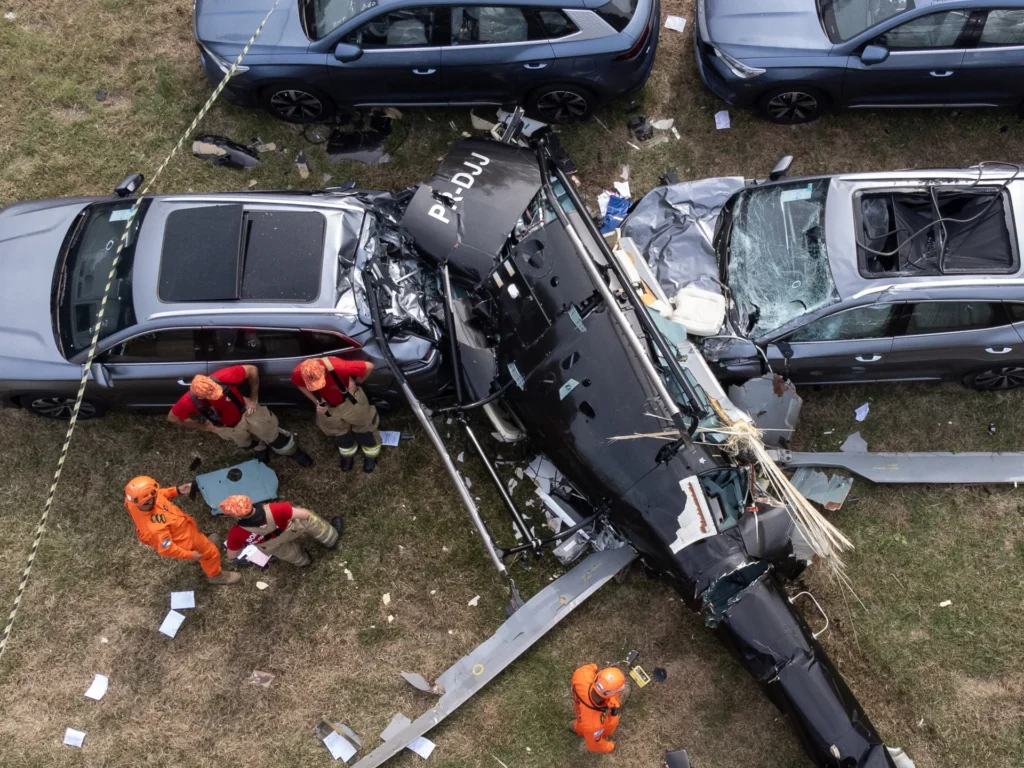
The collision occurred in the Recreio dos Bandeirantes area, where one of the aircraft came down in a car dealership parking lot, igniting multiple vehicles and sending thick smoke into the sky. Firefighters contained the blaze after several electric cars caught fire.
Officials from Rio de Janeiro’s Military Fire Department confirmed that all six people on board the two helicopters died in the crash. The victims include Tree, 32, Argentine content creator Gaspar Prim Díaz, known widely as Gaspi, music producer Lucas Brito Chaves, director Lucas Vignale, and pilots Alexandre Souza and Charles Marsillac.
Authorities said identification of the victims was ongoing, though aviation records listed Tree among the passengers. The cause of the midair collision remains under investigation.
A deadly helicopter collision in Rio de Janeiro killed six people, including American singer Oliver Tree and Argentine YouTuber Gaspi. The crash triggered a fire in a commercial area and is now under investigation by aviation authorities.
What we know so far
The crash happened Sunday morning over Recreio dos Bandeirantes in Rio’s western zone. One helicopter fell into a dealership lot, where parked electric vehicles caught fire, while the second aircraft also went down nearby.
Tree had recently performed in São Paulo as part of his global tour and was traveling between engagements. He had shared social media updates from Brazil shortly before the crash.
Gaspi, 23, had built a following of more than 2.8 million subscribers on YouTube. Argentine media outlet Blender identified him as one of the passengers and paid tribute, praising his creativity and influence.
Witness Fernandes de Freitas described seeing one helicopter engulfed in flames and said the scene was chaotic and frightening. He recounted that a person appeared to jump from one of the aircraft moments before impact.
What authorities are saying
Brazilian fire officials confirmed that emergency crews responded quickly and extinguished the fire at the crash site. Police said passenger manifests were provided to aviation authorities, though formal identification of the victims is still underway.
Coverage from the New York Post indicated that the helicopters collided over a commercial area, intensifying the destruction when one aircraft struck a vehicle lot. The Associated Press confirmed the midair collision and the total loss of life, noting that investigators are working to determine what led to the incident.
Why this matters
The crash highlights ongoing concerns about helicopter traffic safety in densely populated urban areas such as Rio de Janeiro, where aerial tours and private flights are common. Midair collisions remain rare but often prove catastrophic due to the lack of recovery options once aircraft lose control.
The loss of Oliver Tree marks a significant moment in the music industry. Known for blending humor with alternative pop sounds, he built a global following through unconventional visuals and viral hits such as “Life Goes On” and “Miss You.” His career spanned more than a decade, with millions of listeners worldwide and recent international tour expansion.
Gaspi’s death also underscores the growing influence of digital creators whose reach rivals that of traditional entertainers. His audience across Latin America and beyond reflects the evolving landscape of global media and youth culture.
What happens next
Aviation investigators are expected to analyze flight paths, pilot communications, and mechanical conditions of both helicopters to determine the cause of the collision. Authorities may also review air traffic management procedures in the area.
Recovery efforts and formal identification of victims are ongoing, with families and representatives expected to release statements in the coming days.
The incident is likely to prompt renewed scrutiny of flight safety standards in urban airspace, particularly as demand for private and chartered helicopter travel continues to grow.
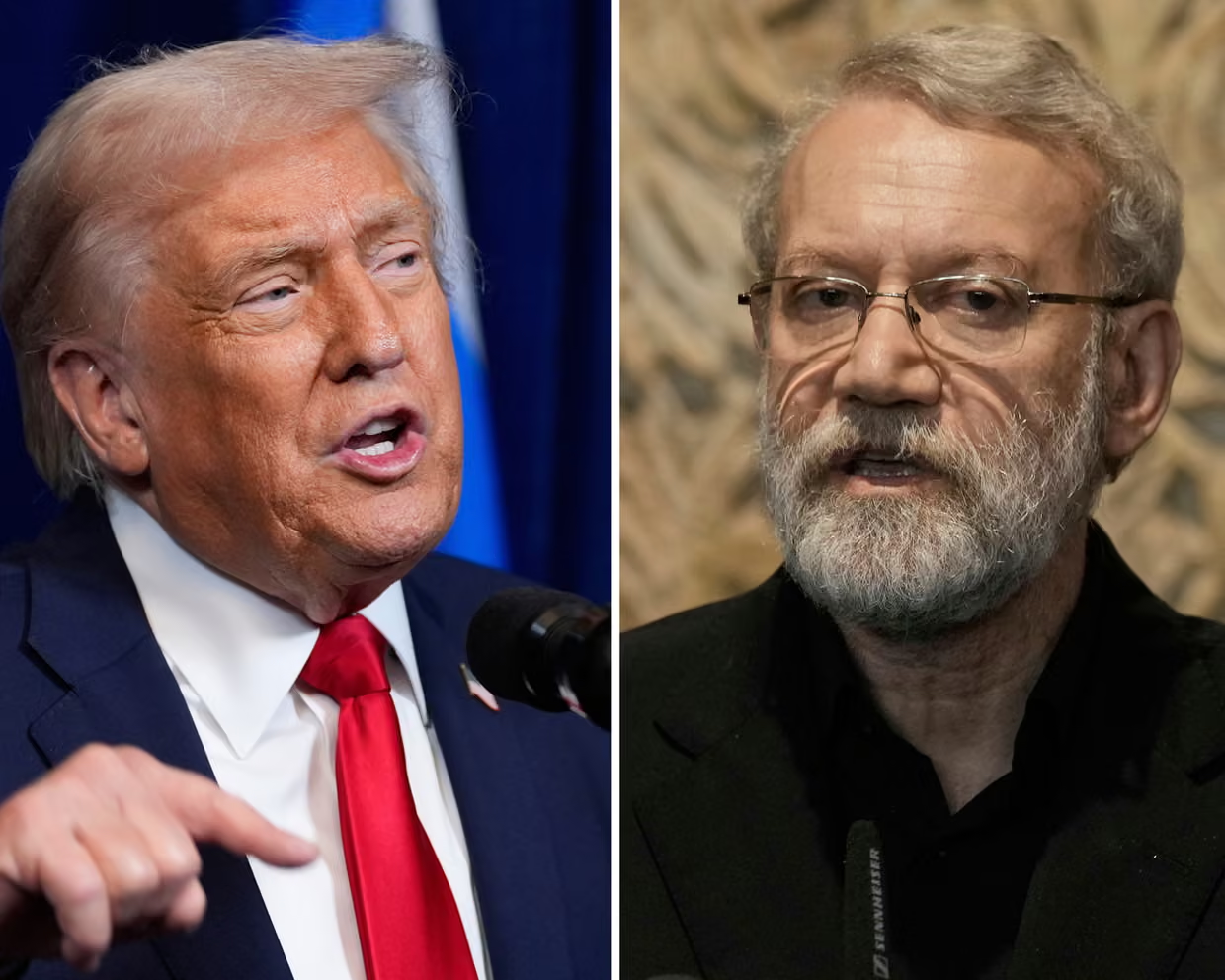
The United States and Iran agreed Sunday on a framework to end their war, reopen the Strait of Hormuz, and halt the American naval blockade of Iranian ports, a breakthrough that sent oil prices tumbling and offered the first serious prospect of stability in a region that has been in open conflict since late February.
“The Deal with the Islamic Republic of Iran is now complete,” President Donald Trump wrote on his Truth Social platform Sunday evening. Minutes later he added: “Ships of the World, start your engines. Let the oil flow!”
The agreement will be formally signed Friday in Switzerland, Pakistani Prime Minister Shehbaz Sharif confirmed.
What We Know So Far
The deal calls for the immediate and permanent end to military operations on all fronts, including in Lebanon, where Israel has continued striking targets linked to the Iranian-backed Hezbollah movement, Sharif said in a post on X.
Trump confirmed he had authorized the lifting of the U.S. naval blockade of Iranian ports and the toll-free reopening of the Strait of Hormuz. “I hereby fully authorize the toll free opening of the Strait of Hormuz, and simultaneously herewith, authorize the immediate removal of the United States Naval blockade,” he wrote.
Iran’s deputy foreign minister, Kazem Gharibabadi, confirmed the agreement on state television but said Tehran would not begin implementing its terms until the formal signing Friday. He said the agreement followed more than 14 hours of talks in Tehran with a Qatari representative, one of two key mediators alongside Pakistan. Reuters confirmed the agreement after U.S. and Iranian officials separately acknowledged the framework.
Under the terms of the draft agreement, a senior Iranian official told Reuters, the United States will release $25 billion in frozen Iranian assets. In return, Iran agreed not to produce or acquire nuclear weapons and committed to maintaining the existing nuclear status quo, meaning no further uranium enrichment or expansion of nuclear facilities, until a longer-term agreement is reached. A senior U.S. official said the final arrangement would ultimately lead to the dismantling of Iran’s nuclear program, with its stockpile of highly enriched uranium to be destroyed or removed. Iran’s position, as conveyed by its senior official to Reuters, is that any enriched uranium should be diluted inside the country rather than transferred abroad.
Brent crude futures dropped four percent in early Monday trading on the news. U.S. West Texas Intermediate fell more than 4.6 percent, Reuters confirmed, as markets reacted to the prospect of resumed oil shipments through the strait, through which roughly twenty percent of the world’s oil supply flowed before the war effectively shut it down.
The pact does not resolve all outstanding disputes between Washington and Tehran. A 60-day period has been established for technical negotiations on the broader nuclear question, sanctions relief, and related issues. Pakistan’s two senior officials, speaking without authorization to discuss the matter publicly, told the Associated Press that the timeline could be extended if the parties require more time.
What Authorities Are Saying
Trump framed the agreement as a defining achievement, celebrating it on social media even as he acknowledged that Sunday’s Israeli strike on Beirut had complicated the final hours of negotiation. “This morning’s attack on Beirut should not have happened, particularly on a special day when we are so close to a Peace Deal with Iran,” Trump wrote earlier Sunday.
Sharif credited the mediation efforts of Pakistan, Qatar, and supporting nations and described the agreement as a foundation for longer-term peace. “Both sides have declared the immediate and permanent termination of military operations on all fronts, including in Lebanon,” he said.
Iranian negotiator Mohammad Baqer Qalibaf, the parliamentary speaker who led Tehran’s delegation and who had a historic face-to-face meeting with Vice President JD Vance during earlier rounds of talks, had earlier warned on X that Israel’s Beirut strike showed the United States lacked the will to honor its commitments. Iran’s foreign ministry went further, holding Washington directly responsible for the Israeli attack and warning of a strong response. Despite those sharp words, the deal was confirmed hours later.
Iranian President Masoud Pezeshkian, facing internal pressure from hard-liners opposed to any agreement, urged national unity ahead of the announcement. He called it a disgrace when opponents of negotiation stood before parliament and labeled diplomats as traitors, the Associated Press noted.
Iranian state television displayed a banner asserting that the United States had been forced to sign the agreement, a framing that reflected the domestic political pressures weighing on Tehran’s leadership even as it finalized terms with Washington.
Israel’s government, which was not a party to the negotiations and has consistently resisted American pressure to halt its operations in Lebanon, had not issued a formal response to the announcement as of Sunday evening. Israeli Prime Minister Benjamin Netanyahu has maintained that Israel retains full freedom of military operations in Lebanon regardless of any U.S.-Iran arrangement. Trump updated Netanyahu on the deal’s progress during a phone call Sunday, Israel’s N12 television reported, citing a senior official.
Why This Matters
The war that began February 28, when U.S. and Israeli forces launched strikes that killed Iran’s supreme leader, Ayatollah Ali Khamenei, has left thousands dead, mostly in Iran and Lebanon, and has inflicted severe damage on the global economy through the prolonged closure of the Strait of Hormuz.
The strait is the passage through which a fifth of the world’s oil, natural gas, and related products such as fertilizer normally flow. Its effective shutdown since the early weeks of the conflict drove fuel prices sharply higher, contributed to rising food costs across import-dependent nations, and rattled financial markets from Asia to Europe. The political fallout reached Washington directly, with public opinion surveys showing Americans deeply frustrated by elevated gas prices ahead of November’s midterm elections, a dynamic that added urgency to the administration’s push for a settlement.
Yet the deal, as currently structured, leaves unresolved the central issues that the United States and Israel cited as justifications for going to war. Iran retains its missile program, continues to support armed proxies including Hezbollah, and holds 440.9 kilograms of uranium enriched to sixty percent purity, a technically short step from the ninety percent threshold for weapons-grade material, according to the International Atomic Energy Agency. Iran has consistently maintained its nuclear program is peaceful and has not publicly committed to surrendering its enriched uranium stockpile, which is believed to be stored beneath three nuclear sites badly damaged by American strikes last year.
Russia has offered to take custody of the enriched uranium. Trump has at various points demanded its destruction. Iran’s preference, as Gharibabadi indicated, is to dilute it within the country. That three-way disagreement over what happens to the material will define the 60-day negotiation period that follows Friday’s signing.
The agreement also reflects a significant shift in Iran’s strategic position. Despite losing its supreme leader and suffering extensive damage to military and nuclear infrastructure, Tehran enters the post-war period having demonstrated its capacity to disrupt global energy supplies and extract substantial concessions, including $25 billion in unfrozen assets, without formally dismantling its nuclear capabilities. That outcome will be studied carefully by governments across the Middle East and beyond.
For Trump, the deal represents a political exit from a conflict that had become a domestic liability, while allowing him to claim a historic diplomatic achievement. Whether it holds, and whether the 60-day technical talks produce the durable nuclear settlement his administration has promised, will determine its lasting significance.
What Happens Next
Qatari negotiators flew to Tehran Sunday to help finalize the agreement, a source with knowledge of the discussions told the New York Times. The formal signing ceremony is set for Friday in Geneva, Switzerland, where U.S. and Iranian negotiators met in February before the war began.
Vice President Vance is expected to lead the American delegation at the signing. Iran’s top negotiator, parliamentary speaker Qalibaf, is expected to represent Tehran, according to Axios.
The Strait of Hormuz is expected to reopen Friday, with the U.S. naval blockade lifting simultaneously. Trump said the strait would be toll-free, a point that remains in tension with Iran’s stated intention to charge service fees for ships transiting the waterway, a dispute that the 60-day negotiations will need to address.
Lebanon remains the most volatile element of the agreement’s immediate future. Israel has stated it will not withdraw from Lebanon and retains the right to strike Hezbollah targets regardless of any ceasefire arrangement. Iran has insisted that any deal must include a full halt to Israeli operations there. How that contradiction is managed, or whether it is simply deferred, will shape the durability of what both sides are now calling peace.
At pro-government rallies across Iran on Saturday night, hardliners chanted opposition to the framework. A resident in the northeastern city of Mashhad told Reuters that some demonstrators chanted “Death to the compromiser,” in an apparent reference to Foreign Minister Abbas Araqchi. That domestic friction, combined with Israel’s unresolved position, means that Friday’s signing will be a beginning rather than an ending.
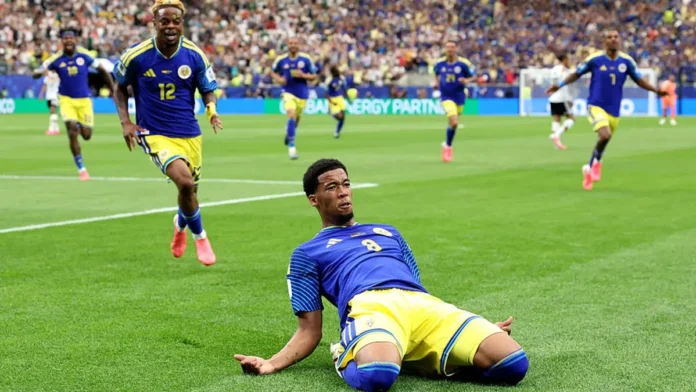
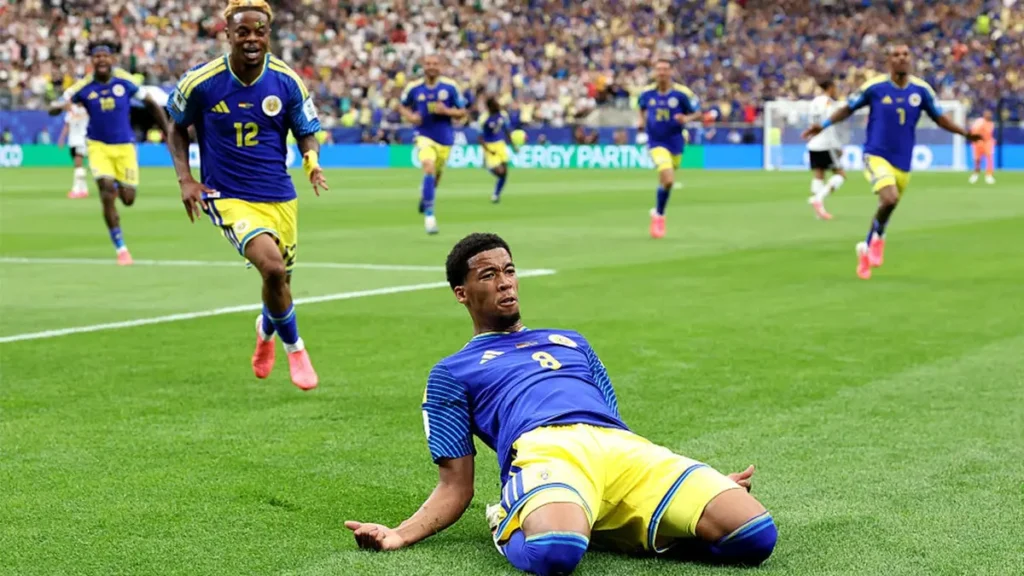
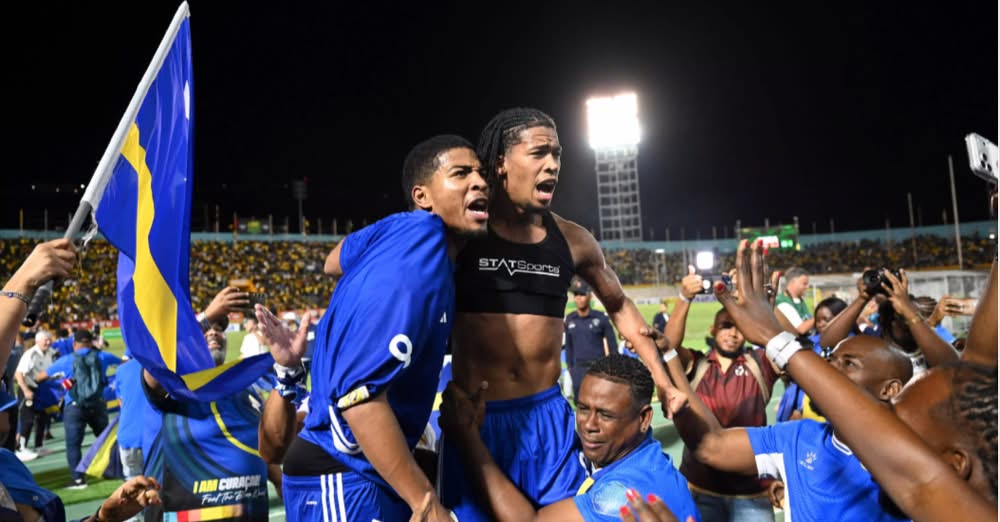
Curaçao etched its name into World Cup history on Sunday, scoring its first ever goal on football’s biggest stage before Germany powered to a commanding victory in their Group E opener.
The Caribbean nation, the smallest country ever to qualify for the tournament, stunned early expectations when it drew level at 1-1 in the first half at NRG Stadium. Germany, a four time World Cup champion, responded with authority and went on to secure a 7-1 win.
The breakthrough moment came in the 21st minute when 22 year old defender Livano Comenencia struck from inside the box. His shot deflected off a German defender and beat goalkeeper Manuel Neuer, igniting celebrations among thousands of Curaçao supporters in the crowd.
The goal marked a historic milestone for the island nation of roughly 150,000 people, briefly placing it on equal footing with one of the most decorated teams in international football.
Germany had opened the scoring in the sixth minute and regained control before halftime. Nico Schlotterbeck restored the lead with a header, followed by a penalty converted by Kai Havertz. Jamal Musiala extended the advantage early in the second half, while Nathaniel Brown added two more goals to seal the result.
Coach Dick Advocaat, the 78 year old Dutch manager guiding Curaçao, had shown visible emotion before kickoff, reflecting the magnitude of the team’s World Cup debut.
Fox News described the equalizer as a moment that sent supporters into a frenzy, capturing the significance of the underdog’s achievement. Euronews noted that Germany quickly reasserted dominance after conceding, underlining the gap in experience and depth between the two sides.
Curaçao scored its first World Cup goal in a historic debut appearance but fell 7-1 to Germany in a Group E match in Houston. The milestone goal came from Livano Comenencia and briefly leveled the contest before Germany’s superior firepower took over.
What we know so far
Curaçao, ranked 82nd in global standings, qualified for its first World Cup after an unbeaten run through its regional group. The team is composed largely of players with ties to the Netherlands who chose to represent their heritage.
Germany entered the match as a strong favorite, backed by a history of four World Cup titles and a squad filled with top level talent. After conceding the equalizer, Germany regained momentum and controlled the match through halftime and into the second half.
The match drew a strong turnout in Houston, where Curaçao fans celebrated the goal as a defining national moment despite the final scoreline.
Officials connected to the tournament have not issued formal statements specific to the match outcome, but coverage from Fox News highlighted the emotional reaction among fans, while Euronews emphasized Germany’s swift recovery and overall dominance.
Why this matters
Curaçao’s goal represents more than a single moment in a match. It underscores the growing diversity of nations competing on the global stage and reflects how smaller football programs are closing the gap, even if only briefly, against traditional powers.
The contrast in scale between the two teams is stark. Germany has a population of more than 80 million and a long history of success, while Curaçao’s population is smaller than many cities. Yet for a short period, the two teams stood level, illustrating the unpredictable nature of the World Cup.
The achievement is also a testament to the diaspora driven composition of the Curaçao squad, with players leveraging opportunities abroad while maintaining national ties.
What happens next
Germany will look to build on its opening win as it advances through the group stage, aiming to reassert itself as a title contender after inconsistent performances in recent tournaments.
Curaçao, meanwhile, will focus on building momentum from its historic goal as it continues its World Cup campaign. The team’s ability to compete and create moments against elite opposition may shape its approach in upcoming matches.
While the result reflects a clear difference in depth, Curaçao’s breakthrough has already secured a lasting place in tournament history and could inspire future generations of players from smaller nations.
All 12 people on board a plane that crashed near an airport in western Missouri are dead, authorities said Sunday.
The aircraft went down late Sunday morning near Butler Memorial Airport, about 65 miles south of Kansas City, according to the Missouri State Highway Patrol.
Sgt. Justin Ewing of the highway patrol said emergency responders received a report of a plane crash at approximately 11:30 a.m., with the aircraft engulfed in flames upon impact.
The plane, which was reportedly carrying skydivers, came down in a field adjacent to the airport, Ewing said. He added that authorities moved quickly to secure the area, including shutting down nearby roadways as a precaution.
Troopers responded to the scene alongside the Butler Police Department and the Bates County Sheriff’s Office. Officials confirmed that all 12 occupants aboard the aircraft are presumed dead.
Business Interstate 49, located near the crash site, was closed in both directions for an undetermined period as emergency crews worked the scene.
Video footage from the area showed smoke rising from the wreckage in the field.
Ewing said further details about the victims and the circumstances leading to the crash were not immediately available.
The crash will be investigated by the National Transportation Safety Board. The Federal Aviation Administration had not issued an immediate statement.
Authorities continue to assess the scene as part of an ongoing investigation into the cause of the crash.
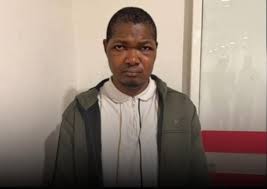
Turkish authorities have detained a Nigerian national in connection with an alleged online romance fraud that investigators say led to the transfer of approximately $2.5 million from a Hong Kong-based dentist over a two-year period.
The suspect, identified by local media as Kingsley O., was taken into custody in the Esenyurt district of Istanbul alongside four other individuals following an investigation into a suspected cross-border fraud network, Turkish outlet Haberler said.
Investigators allege the suspect assumed a false identity, presenting himself online as an American businessman named Richard. He is accused of establishing a long-distance relationship with the victim, identified as Siu P.Y.F., beginning in 2020 and promising marriage as part of the deception.
Authorities say the suspect maintained regular communication with the victim by phone and other digital channels, gradually persuading her to send funds under the pretext of financing a purported investment project in Istanbul. Over time, the victim transferred a total of $2.5 million in multiple installments to several bank accounts based in Turkey.
What we know so far indicates that communication between the pair ceased after the transfers were completed, prompting the victim to alert law enforcement in Hong Kong. Initial inquiries there did not produce significant progress, leading the victim to seek legal representation in Turkey and file a complaint with the Istanbul Chief Public Prosecutor’s Office.
Turkish police, working through the Istanbul Police Department’s Fraud Bureau, traced the financial transactions to a network of accounts and detained five individuals linked to those accounts. While several suspects denied involvement, one individual told investigators he had passed funds received into his account to a person he knew as Richard, which authorities say helped identify Kingsley as a central figure in the alleged scheme.
The suspect denied wrongdoing during questioning, according to the report. He and the other detained individuals were later brought before a court under heightened security following the conclusion of preliminary investigations.
What authorities are saying centers on allegations that the suspect used deception and emotional manipulation to obtain large sums of money. Prosecutors are examining whether the case is part of a broader organized fraud operation involving multiple jurisdictions and financial channels.
Why this matters reflects the growing scale and sophistication of romance scams globally. Law enforcement agencies across Europe, Asia, and North America have warned that such schemes increasingly rely on carefully constructed identities, long-term emotional engagement, and complex financial routing to evade detection. Victims are often professionals or retirees targeted through social platforms and dating sites, with losses running into millions of dollars.
Financial crime analysts note that Turkey’s position as a major international transit hub can make it attractive for cross-border financial activity, both legitimate and illicit. The use of multiple accounts in this case suggests an effort to fragment transactions and complicate tracking, a tactic commonly associated with organized fraud networks.
The economic impact of such scams extends beyond individual victims. Authorities say large-scale online fraud undermines trust in digital platforms and creates additional burdens for financial institutions tasked with detecting suspicious transactions. Global losses from romance scams alone are estimated to reach billions of dollars annually, according to international policing bodies.
What happens next will depend on the outcome of court proceedings in Turkey. Prosecutors are expected to determine whether sufficient evidence exists to pursue formal charges and whether additional suspects may be linked to the case. Cooperation between Turkish and Hong Kong authorities could also expand the investigation.
Looking ahead, experts warn that similar schemes are likely to persist as fraudsters adapt to new technologies, including encrypted communication tools and artificial intelligence-driven impersonation. Increased public awareness, stronger financial monitoring systems, and international cooperation are viewed as critical to limiting future incidents.
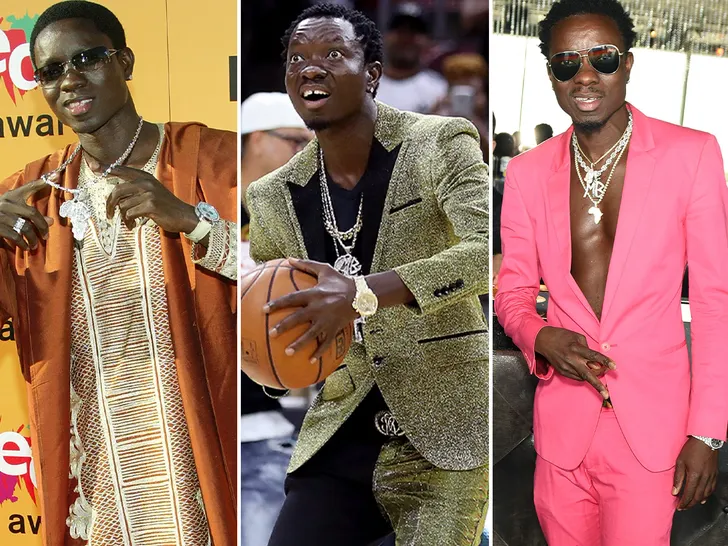
Comedian and television personality Michael Blackson has reached a formal child support and custody agreement with Nadia Beddini, resolving a legal matter involving their young son, Kweku, according to court filings obtained by TMZ.
The agreement, approved by a judge, requires Blackson to pay $4,500 per month in child support. He will also cover $5,000 in legal fees incurred by Beddini during the case. The settlement reflects a mutual resolution between both parties, avoiding prolonged litigation.
Under the terms, Blackson and Beddini will share joint legal and physical custody of their son. This arrangement allows both parents to participate in major decisions concerning the child’s upbringing, including education, healthcare, and overall welfare, while also dividing parenting time.
The agreement includes specific travel provisions. Blackson must obtain written consent from Beddini before taking their son outside the United States. In contrast, Beddini is permitted to travel internationally with the child as long as she provides prior written notice and a detailed itinerary.
The child, Kweku, was born within a short period following the birth of Blackson’s second son with his former fiancée, Rada Darling, drawing public attention to the overlapping timelines of his relationships. Both children are close in age, and family members have expressed hope that they will maintain a strong bond as they grow.
Beddini previously indicated that she and Blackson had been close for years before deciding to have a child together. She described the pregnancy as planned and said all parties were aware of the situation. Darling, however, has offered a different perspective, stating she did not fully understand the extent of Blackson’s relationship with Beddini until it became public during filming of “Love and Hip Hop: Miami.”
Despite the personal tensions, the finalized custody agreement suggests a framework for co-parenting that could provide stability for both children.
What we know so far centers on a legally binding arrangement that resolves financial support, custody rights, and travel rules. There have been no indications of further disputes at this stage, and the agreement appears comprehensive in addressing key parental responsibilities.
What authorities are saying is limited to the court’s approval of the settlement, confirming that both parties agreed to the terms without requiring a contested hearing. Legal experts note that such agreements often reflect negotiated compromises designed to prioritize the child’s well-being.
Why this matters extends beyond the individuals involved. Celebrity custody agreements frequently highlight broader issues around co-parenting, financial responsibility, and the legal frameworks that govern family disputes. In this case, the structured arrangement signals an effort to reduce conflict while ensuring consistent support for the child.
From an industry perspective, high-profile cases like this often influence public conversations about family dynamics in entertainment circles, where overlapping relationships and demanding careers can complicate parenting arrangements.
What happens next will likely involve both parties adhering to the agreed terms while navigating co-parenting responsibilities. Observers note that compliance with custody agreements is key to avoiding future legal challenges, particularly when international travel and public exposure are factors.
Looking ahead, the agreement may provide a foundation for a more cooperative relationship between Blackson and Beddini. For now, the focus shifts to maintaining stability for their son as both parents move forward under the court-approved arrangement.
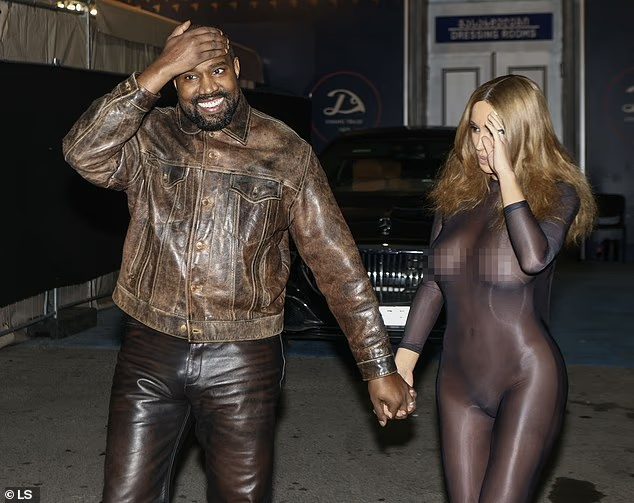
Bianca Censori once again commanded attention with a daring fashion choice Friday, stepping out in a sheer, form-fitting bodysuit following her husband Kanye West’s sold-out concert at the Boris Paichadze Dinamo Arena in the country of Georgia.
The 30,000-capacity venue drew a crowd of 70,000 fans for the performance, with thousands more gathering outside who could not secure tickets, according to Turkiye Today.
Censori, 31, an Australian architect and media personality, wore a dark brown see-through bodysuit that left little to the imagination as the couple exited the arena. She paired the look with open-toed wedge heels and wore her hair in loose waves past her shoulders, keeping jewelry minimal to let the outfit speak for itself.
West walked alongside her dressed in dark brown leather pants, a brown jacket, and tan boots. The couple held hands as they left the venue, with the rapper visibly relaxed and smiling as he chatted with his wife.
It was not the first head-turning moment of the couple’s Georgia visit. On Thursday, the two were spotted at the Paragraph Golf and Spa Tabori resort, where Censori wore a sheer black feathered dress paired with black heels and a cat mask that concealed most of her face. The back of the ensemble was entirely transparent as the pair walked hand in hand outside the establishment.
Also on Friday, West posted a photograph on social media showing Censori posing topless wearing only a cat mask, with her arm shielding her chest.
Censori has addressed public speculation about her bold wardrobe choices directly. In a February interview with Vanity Fair, she pushed back firmly against suggestions that West controls what she wears.
“I wouldn’t be doing something I didn’t want to do,” she told the publication. “Me and my husband would work on my outfits together. So it was like a collaboration, it was never I was being told to do something.”
She added: “If you were married to Gianni Versace, wouldn’t he give you a dress or something?”
Censori has also been visible in West’s creative work, recently appearing in his music video for his new track Gemini Season wearing G-string lingerie and a plunging corset in one of the video’s more striking scenes.
The couple also marked a personal milestone this week. On Monday, Censori used her Instagram stories to wish West a happy 49th birthday, writing “Happy birthday, I love you more than life,” and describing him in a separate post as her “ride or die forever.”
West’s European tour has carried significant commercial weight alongside considerable controversy. Earlier this month he performed in Amsterdam, drawing 40,000 fans despite the cancellation of other recent European dates over his widely condemned anti-Semitic comments, according to The Straits Times. Just before Georgia, he performed for 118,000 fans in Istanbul.
The Georgia concert underscored West’s continued commercial pull in markets where his fanbase remains deeply loyal regardless of the controversies that have trailed him in recent years.
Censori, for her part, has become as much a fixture of the tour’s public narrative as the performances themselves. Her fashion choices, which she frames as collaborative creative expression rather than provocation, have generated consistent media attention across every stop of the European run.
West’s summer schedule continues with additional European dates. He is set to perform in Albania on July 11, followed by Reggio Emilia in Italy on July 18, Madrid on July 30, and Portugal on August 7.
Whether Censori’s fashion choices continue to generate headlines at each stop seems less a question than a certainty, given the pattern established across Georgia, Turkey, and the Netherlands.
The couple, who married in 2022, appear settled into a rhythm where music, fashion, and public spectacle have become inseparable parts of a shared creative identity that neither shows any sign of dialing back.
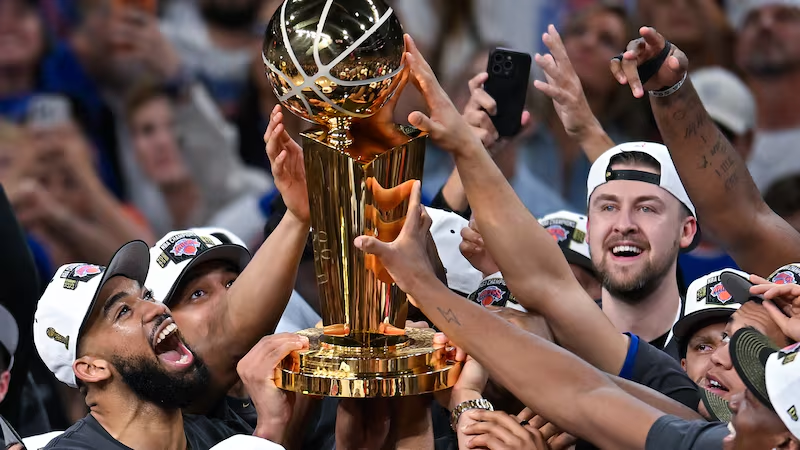
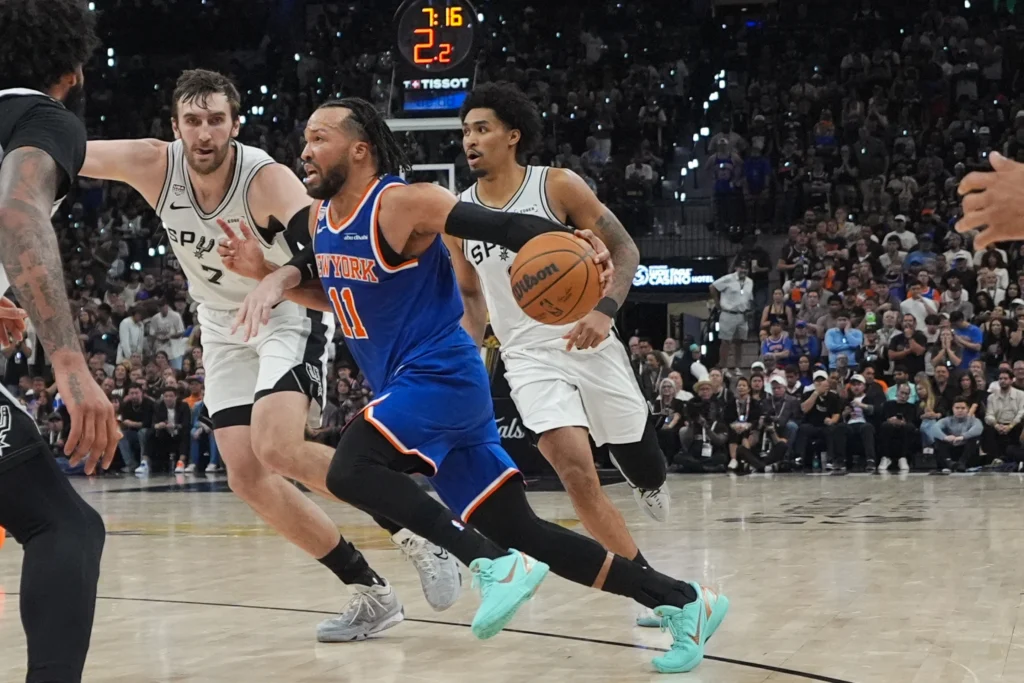
Jalen Brunson scored 45 points, including 13 consecutive in the fourth quarter, as the New York Knicks beat the San Antonio Spurs 94-90 on Saturday night to win the NBA championship, ending 53 years of heartbreak and false dawns for one of basketball’s most storied and most tortured franchises.
The Knicks won the series four games to one, rallying from double-digit deficits in all four of their victories. The deficit Saturday night was 16 points.
They were never fazed.
“I have no words,” Brunson, named NBA Finals MVP, said during the on-court celebration. “It’s everything I ever dreamed of.”
What We Know So Far
The Knicks trailed by as many as 16 points in the first half before gradually clawing their way back, as they have done repeatedly throughout this playoff run.
With 1:53 remaining in the fourth quarter, New York led 88-85. Brunson pushed that lead to 90-88 with a decisive basket after the Spurs’ Dylan Harper briefly tied the game. Trailing 93-90 with 8.5 seconds left, Harper missed his first free throw and was forced to intentionally miss the second in hopes of an offensive rebound. The Knicks grabbed it instead. OG Anunoby sealed the title at the other end with a free throw, according to NBC Sports.
Brunson set a Knicks record for points in a Finals game, surpassing the 38 scored by Willis Reed against the Los Angeles Lakers in Game 3 of the 1970 series, the Associated Press reported.
Mikal Bridges added 14 points and Josh Hart contributed 13. Together with Brunson, the three former Villanova NCAA champions formed the core the Knicks called their “Nova Knicks” trio.
For the Spurs, Harper finished with 25 points. Victor Wembanyama posted 19 points, 14 rebounds and five blocked shots in a performance that underlined his enormous potential despite the defeat.
“This is the biggest lesson of my life,” Wembanyama said. “I can’t tell exactly what the lesson is, but we’re learning.”
What Coaches And Players Are Saying
Knicks coach Mike Brown, hired just one year ago as the franchise’s 24th head coach since their last title in 1973, was visibly overwhelmed at the final buzzer. “It’s surreal,” Brown said. “I still can’t believe it’s happened.”
Spurs coach Mitch Johnson was measured and gracious in defeat. “We weren’t ready to win an NBA championship,” he said. “The better team won. We did a lot of good things, and we didn’t finish the job. That’s what it is.”
Knicks owner James Dolan addressed the celebrating roster with the Larry O’Brien trophy nearby. “Sorry it took so long!” he said.
New York City Mayor Zohran Mamdani posted a single word on social media: “HISTORY.” He confirmed the Knicks’ championship parade would take place Thursday.
Back in New York, celebrations broke out across the city. Fireworks lit the night sky, cars jammed the streets with horns blaring, and firefighters leaned from their trucks to slap high-fives with fans, the Associated Press reported.
Why This Matters
New York last ruled the NBA in 1973. What followed was one of the longest championship droughts in the league’s history, marked by a decade and a half of aimlessness after the mid-1970s, near-misses in the 1990s with Finals losses in 1994 and 1999, and 25 years of consistent underachievement that saw 15 head or interim coaches produce just seven winning seasons between 2001 and 2025.
This title was built differently and deliberately.
Team president Leon Rose, hired in 2020, assembled the roster almost entirely through trades and free agency rather than the draft lottery. Only center Mitchell Robinson among the regular rotation players was drafted by the Knicks. Rose built the team around Brunson, previously a backup point guard in Dallas, and completed the roster with bold moves including trading five first-round picks for wing Mikal Bridges and dealing Julius Randle and Donte DiVincenzo to Minnesota for Karl-Anthony Towns during the 2024 offseason.
The fit was not always clean. But in the postseason it came together into something historic.
The Knicks finished the playoffs with a 16-3 record and a point differential more than double that of the next closest team, NBC Sports noted. They rallied from 22 points down in Game 1 of the Eastern Conference Finals against Cleveland, and produced the largest comeback in NBA Finals history in Game 4, erasing a 29-point deficit to win 107-106 on an Anunoby tip-in with 1.2 seconds remaining.
By comparison, Saturday’s 16-point rally felt almost routine.
Patrick Ewing, the greatest Knick of the generation that never won, was on the court at the final buzzer. He embraced filmmaker Spike Lee as Brown walked among his staff in a daze of disbelief. Earlier in the evening, Ewing had paused in the visitors’ locker room to acknowledge Towns with a silent gesture. No words were needed.
What Happens Next
The Knicks enter the offseason as NBA champions for the first time in more than half a century, with a core young enough to compete for more.
For the Spurs, the defeat closes a painful chapter on what had been a remarkable postseason run. Wembanyama, just 20 years old and playing in the first postseason of his career, showed enough across five games to confirm that San Antonio’s future remains in capable hands despite the loss.
The Knicks’ championship parade is set for Thursday in New York City.
For a franchise and a fan base that has waited 53 years, Thursday cannot come soon enough.
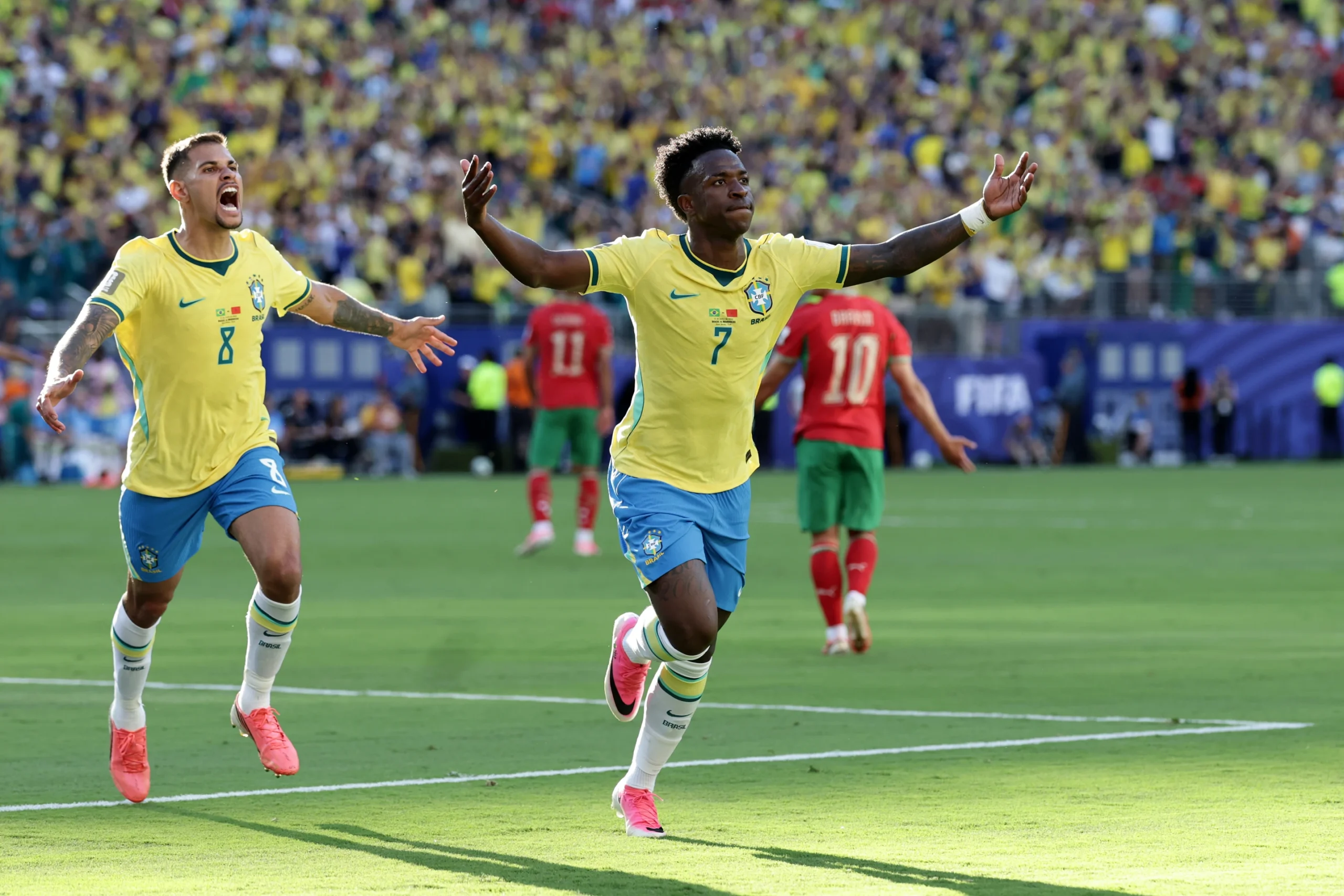
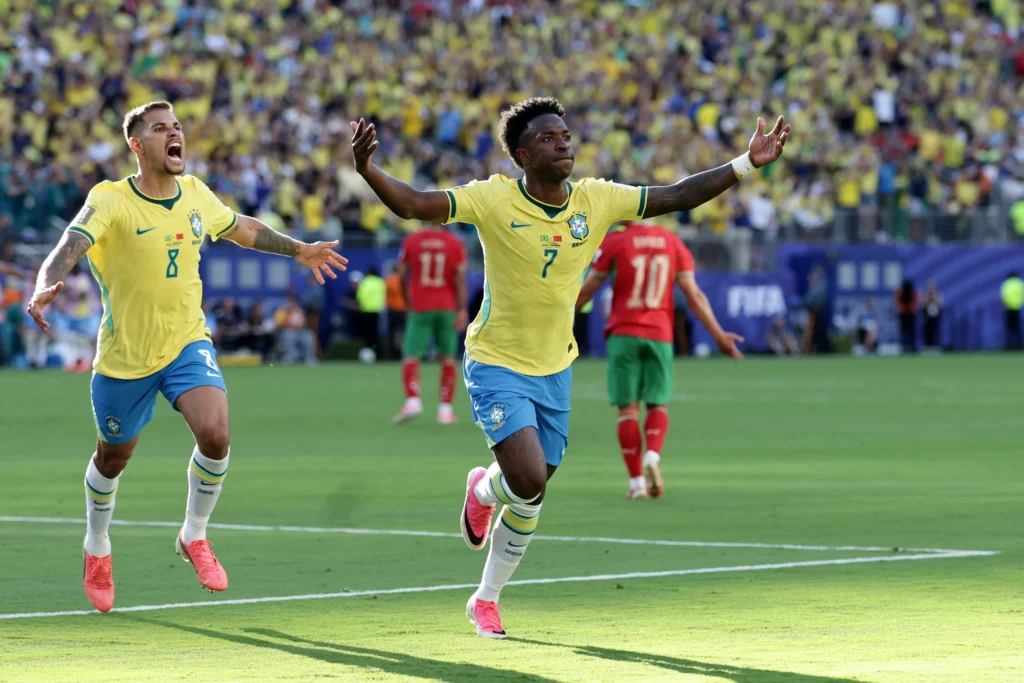
Vinicius Junior pulled Brazil back from the brink with a stunning equalizer in the 32nd minute, but five-time world champions Brazil were held to a 1-1 draw by a disciplined and determined Morocco side Saturday in their Group C opener at MetLife Stadium, the venue set to host next month’s World Cup final.
Morocco, the 2022 semifinalists, made a confident start and took a deserved lead through Ismael Saibari in the 21st minute. Brazil recovered, but never truly convinced in front of a crowd of 80,663 that had expected far more from the Selecao.
What We Know So Far
Morocco went ahead through a moment of individual quality from Saibari, who latched onto a precise through ball from Brahim Diaz after a Lucas Paqueta error gifted the Moroccan side possession in a dangerous position.
Saibari raced beyond defenders Marquinhos and Gabriel Magalhaes and kept his composure, chipping the ball cleanly over the advancing Brazilian goalkeeper Alisson Becker for his 10th international goal, according to the Associated Press.
Brazil leveled eleven minutes later. Vinicius received the ball from Bruno Guimaraes on the left flank, took a touch to create space, cut inside onto his right foot and drove a precise angled effort into the far corner past goalkeeper Yassine Bounou, also for his 10th international goal.
It was a moment of brilliance in an otherwise uncertain Brazilian performance.
Brazil pushed for a winner in the second half. Raphinha and Danilo both fired directly at Bounou, while Igor Thiago was denied by the Moroccan goalkeeper after Brazil caught their opponents off guard with a quick throw-in after the break, France24 reported.
Morocco nearly snatched all three points late on. Alisson parried a long-range effort from Neil El Aynaoui and had to react sharply to block the follow-up from Chemsdine Talbi.
The draw extended Brazil’s unbeaten run in World Cup opening matches to 21 games, stretching back to a 1934 loss to Spain, the Associated Press noted.
What The Coaches And Players Are Saying
Morocco coach Mohamed Ouahbi urged his players before kickoff not to fear Brazil. His message landed. The Moroccan side pressed high, moved with confidence, and created the better chances in the opening period.
Brazil head coach Carlo Ancelotti, the Italian who became the first foreign manager to lead Brazil at a World Cup, cut a measured but concerned figure on the touchline. He was without star forward Neymar, Brazil’s all-time leading scorer, who remains sidelined with a torn right calf and has not featured for his country since 2023.
Ancelotti had insisted before the tournament that Brazil possessed a squad capable of competing with any side in the expanded 48-team competition. Saturday’s performance put that claim under immediate scrutiny.
Legends of Brazil’s last title-winning generation, including Ronaldo, Roberto Carlos and Kaka, members of the 2002 World Cup winning squad, were present in the stands at MetLife Stadium, according to France24.
Why This Matters
Brazil arrived in the United States as one of the tournament’s most celebrated names, carrying the weight of a nation that has not lifted the World Cup trophy since 2002, a drought now stretching 24 years.
A fifth-place finish in South American qualifying had already raised questions about the team’s readiness. Saturday’s display against Morocco, a side that reached the last four at the 2022 tournament in Qatar, did little to quiet those concerns.
Brazil and Morocco were the only two top-ten ranked nations to meet in the first round of this expanded tournament, making the match one of the most anticipated group-stage fixtures on the schedule. Brazil entered ranked sixth in the world. Morocco came in seventh.
The result means neither side has taken an early command of Group C, leaving all teams with work to do.
What Happens Next
Brazil face Haiti on Friday in Philadelphia before closing their group stage campaign against Scotland in Miami Gardens, Florida.
Morocco meet Scotland in Foxborough, Massachusetts on Friday, then face Haiti in Atlanta.
For Brazil, the path forward requires a sharper performance. The talent is present, as Vinicius demonstrated with his equalizer. Whether Ancelotti can organize it into something more cohesive before the knockout rounds will define whether this Brazilian generation finally ends one of football’s longest-running title waits.
President Donald Trump announced Friday that U.S. forces had killed the leader of Tren de Aragua, one of Latin America’s most feared criminal organizations, in a military strike carried out inside Venezuela earlier this week.
The operation was conducted in close coordination with Venezuelan security forces, Trump said.
“At my direction, the United States Southern Command delivered a swift and lethal kinetic strike to successfully execute Nino Guerrero, the infamous leader of Tren De Aragua, one of the most bloodthirsty terrorist organizations on Planet Earth,” Trump wrote on Truth Social Friday evening.
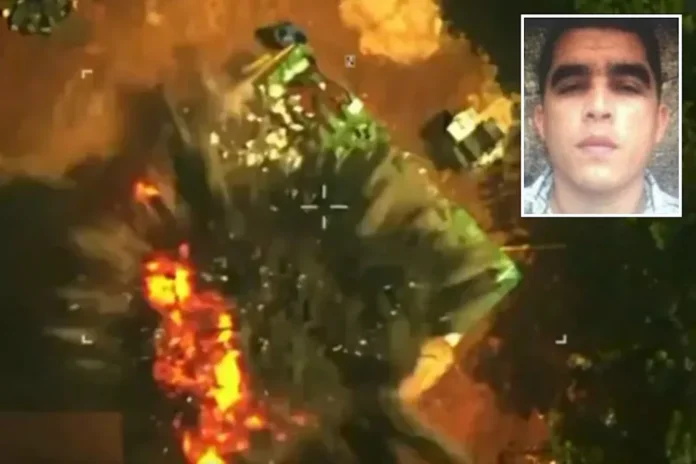
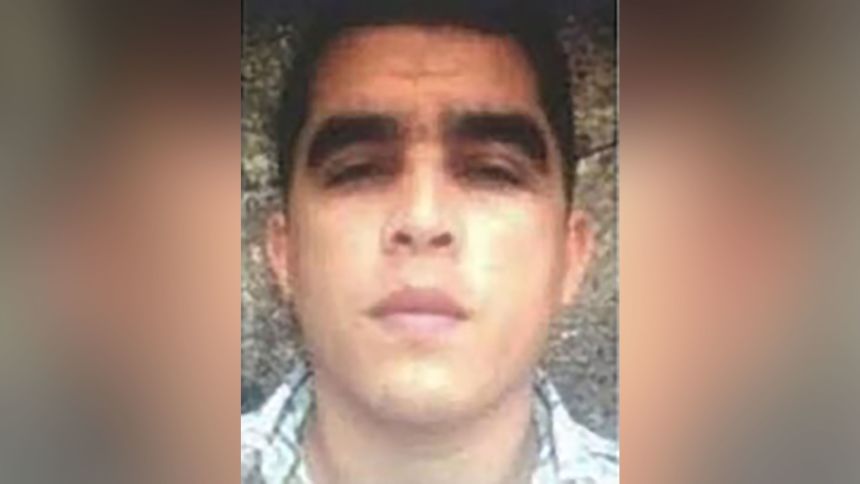
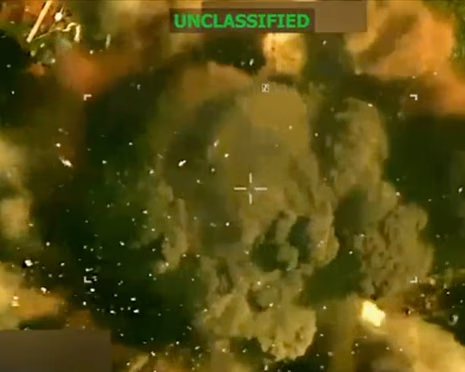
The target was Hector Rusthenford Guerrero Flores, widely known by his alias Nino Guerrero. Trump’s post included a video showing a green-roofed building consumed by a massive explosion.
What We Know So Far
Secretary of Defense Pete Hegseth confirmed on X that the strike had taken place earlier in the week and that Guerrero’s death had been verified. The Central Intelligence Agency provided intelligence support for the operation, a senior administration official said.
U.S. Southern Command General Francis Donovan said the strike targeted a Tren de Aragua compound in Venezuela’s Bolivar state.
Venezuela’s communications ministry confirmed the joint operation in a statement Friday, saying it involved intelligence sharing and specialized technical support. “During the operation, clashes occurred with members of these criminal structures, resulting in the death of Héctor Rusthenford Guerrero Flores, alias Nino Guerrero, the leader of a criminal organization,” the ministry said.
Guerrero had been among the most wanted fugitives tracked by U.S. Immigration and Customs Enforcement. The State Department had offered a $5 million reward for information leading to his capture in late 2024.
In December, the U.S. Attorney’s Office for the Southern District of New York charged him with ordering, directing, and facilitating acts of terrorism inside the United States. Then-U.S. Attorney Jay Clayton described him as the “mastermind of Tren de Aragua’s evolution from a Venezuelan prison gang into a transnational terrorist organization,” according to CNN. Clayton has since been nominated by Trump to serve as Director of National Intelligence.
Guerrero became a fugitive in October 2023, when Venezuelan authorities reclaimed Tocorón prison in Aragua state, the facility where the gang was founded. He was not found during the raid and had been evading capture ever since.
What Authorities Are Saying
The Trump administration has maintained that Tren de Aragua operates with the knowledge and complicity of the former Venezuelan government under Nicolas Maduro. The State Department formally designated the group a foreign terrorist organization.
The Treasury Department’s Office of Foreign Assets Control has imposed sanctions on the gang over alleged involvement in drug smuggling, human trafficking, money laundering, extortion, and contract killings.
Retired Colombian General Oscar Naranjo, a former vice president of Colombia, previously described Tren de Aragua as “the most disruptive criminal organization operating nowadays in Latin America.”
Venezuela’s acting President Delcy Rodriguez, who has held power since a U.S.-backed military operation in January resulted in Maduro’s capture and transfer to American custody, has received White House support. Maduro has pleaded not guilty to U.S. federal charges that include narco-terrorism conspiracy, cocaine importation conspiracy, and weapons-related offenses.
Why This Matters
The killing of Guerrero marks the most direct use of American military force against a criminal organization on South American soil in decades.
Tren de Aragua began inside Tocorón prison and expanded rapidly as Venezuela’s economic collapse drove millions of citizens to flee the country. The gang embedded itself in migration routes running through Colombia, Ecuador, Peru, and Chile, trafficking and extorting the very people using those corridors.
Its reach eventually extended into the United States and across the Atlantic. Guerrero’s brother was arrested in Spain in March 2024, in what Spanish police identified as the first confirmed Tren de Aragua cell in Europe, CNN reported.
The Trump administration used concerns about the gang’s U.S. presence to justify deporting more than 200 individuals to a maximum-security prison in El Salvador earlier this term. The move drew legal challenges after officials provided limited public evidence that many of those deported had verifiable ties to the organization.
The Department of Defense also began conducting strikes on vessels in the Caribbean and eastern Pacific suspected of drug smuggling, some linked to Tren de Aragua, starting around September of last year. More than 200 people have been killed in those operations. The CIA conducted a separate drone strike in December on a Venezuelan port facility it believed the gang was using to store and move drugs, according to sources familiar with the matter.
What Happens Next
Whether Guerrero’s death disrupts Tren de Aragua’s operations or simply triggers a leadership transition remains unclear. Criminal organizations have historically proven resilient to the loss of individual leaders.
The U.S.-Venezuela coordination behind this strike signals a level of security cooperation between Washington and Caracas that would have been unthinkable before Maduro’s removal. How far that partnership extends going forward will be closely watched across the region.
Venezuela’s government said in its Friday statement that it remains committed to fighting organized crime within its borders.