Home Blog Page 38

Suspected Mass Grave of 14 Bodies Discovered in Kenya’s Kericho County Sparks Investigation

0

KERICH O, Kenya — Authorities in western Kenya have launched a major investigation following the discovery of a suspected mass grave at a local cemetery, where at least 14 bodies were secretly buried under unclear and controversial circumstances.

The grave was uncovered at Makaburini Cemetery in Kericho County on March 21, prompting a response from law enforcement agencies, including the Directorate of Criminal Investigations. Preliminary findings suggest the bodies were transported from another region and buried without the knowledge or authorization of key authorities.

Investigators say the bodies were moved from Nyamira County, reportedly originating from the Nyamira County Referral Hospital. The remains were transported in a white Toyota Land Cruiser believed to be a government vehicle, with its registration partially concealed.

According to accounts from individuals involved in the burial, the operation took place in the early hours of March 20. Three unidentified individuals, wearing masks, reportedly arrived at the cemetery around dawn and coordinated the burial.

Two local laborers, aged 23 and 26, said they were hired to dig and fill a large pit in a remote section of the cemetery. They told journalists they were paid a total of 2,000 Kenyan shillings for their work.

“We were paid to dig the grave and to bury the bodies. We didn’t know who hired us because their faces were covered,” one of the workers told Daily Nation. The workers added that they had previously participated in similar tasks, suggesting the operation may not have been an isolated incident.

The bodies were reportedly placed directly into the pit from the vehicle, some already sealed in body bags. Witnesses described some of the remains as mutilated, though officials have yet to confirm the condition of the bodies.

The discovery has raised serious questions about oversight and coordination among government and local institutions.

The cemetery is owned by the National Council of Churches of Kenya, which said no permission had been granted for the burials. Church officials indicated they were unaware of the activity until reports emerged.

Kericho Governor Erick Mutai also stated that his administration had no agreement with neighboring counties to receive bodies for burial.

Similarly, representatives of the Anglican Church of Kenya said they had not been informed about the use of the cemetery for such purposes.

“We have no information about the burial of these bodies. No authorization was requested,” said Reverend Andrew Tum.

Police secured the site following reports from the grave diggers, and homicide detectives began preliminary assessments. Authorities have since impounded the vehicle believed to have transported the bodies and taken a cemetery caretaker, identified as Richard Towett, into custody for questioning.

Officials said exhumation orders were being pursued to allow forensic experts to recover and examine the remains. The process is expected to determine the identities of the deceased and establish the causes of death.

Health authorities in Nyamira acknowledged that a number of unclaimed bodies had recently been cleared for disposal, though discrepancies remain over the total number found in the grave.

The incident has drawn attention from civil society groups, including Vocal Africa, which has raised concerns about possible undocumented burials at the same cemetery.

Fredrick Odhiambo, head of the group’s Rapid Response Program, said preliminary information suggests that additional bodies may have been buried at the site over the past year.

“Beyond the 14 recently discovered, there are indications that dozens more may have been interred here under similar conditions,” he said, adding that the situation “may be far more extensive than it initially appears.”

The suspected mass grave in Kericho highlights systemic challenges in the management of unclaimed bodies and the oversight of burial processes in parts of Kenya. While it is not uncommon for hospitals to seek court approval to dispose of unidentified remains, the lack of transparency and coordination in this case raises serious legal and ethical questions.

If confirmed, the use of a government vehicle and masked operatives suggests a deliberate attempt to obscure the process. This could point to administrative failures or, more concerningly, a coordinated effort to bypass established procedures.

The involvement of informal laborers further underscores the opacity of the operation. Their accounts indicate that such activities may have occurred multiple times, suggesting a pattern rather than a one-time event.

From a human rights perspective, the handling of unclaimed bodies is governed by strict protocols designed to preserve dignity and ensure accountability. Any deviation from these standards risks eroding public trust in institutions and may violate both domestic and international guidelines.

The case also raises broader questions about record-keeping, inter-county coordination and the capacity of oversight bodies to monitor sensitive processes. If multiple agencies were unaware of the burials, it suggests significant gaps in communication and governance.

As forensic investigations proceed, the findings are likely to have far-reaching implications. Beyond determining the identities of the deceased, authorities will need to address how the operation was allowed to occur and whether similar practices exist elsewhere.

The outcome could prompt reforms in how unclaimed bodies are managed, including stricter documentation requirements, improved inter-agency coordination and enhanced transparency to prevent future incidents of this nature.

nations.africa

Suspected Terrorists Bomb Niger Bridge, Nigeria, Kill 8 in Deadly IED Explosion

0

BORGU, Nigeria — At least eight people were killed early Monday when an improvised explosive device detonated along a key rural roadway in Niger State, Nigeria, destroying a bridge and striking a passing vehicle in what authorities describe as a suspected terrorist attack.

The explosion occurred around 2 a.m. along Luma Road in Borgu Local Government Area, a strategic route linking the communities of Luma, Babana and Agwara. The blast not only severed a vital transport corridor but also claimed the lives of all occupants in a vehicle traveling through the area at the time.

Officials said the victims were en route between Nuku and Woro when their vehicle triggered the explosive device. All seven passengers and the driver were killed instantly in the blast, according to information confirmed by local authorities and reported by PUNCH Online and The Sun Online.

The destroyed bridge is considered a critical link for residents, traders and cross-border commerce, particularly for those traveling to the Babana market, a major trading hub that operates weekly and draws traffic from surrounding regions.

Sources familiar with the area indicated that the explosive device was deliberately planted to damage the bridge and disrupt movement. The incident is believed to be part of a broader pattern of attacks targeting infrastructure in remote areas, where armed groups have increasingly sought to isolate communities and hinder economic activity.

The blast left the bridge severely damaged, effectively cutting off access between several communities and complicating emergency response efforts.

The spokesperson for the Niger State Police Command, Wasiu Abiodun, confirmed the attack and said security forces have begun clearance operations in the affected area.

He said authorities received reports of the explosion later in the morning, though it had occurred several hours earlier.

“On March 23, 2026, at about 6:30 a.m., information received indicated that earlier at about 2 a.m., suspected terrorists operating within forested areas deployed an explosive device that destroyed a bridge along Luma Road in Borgu Local Government Area,” Abiodun said.

He added that security teams have since intensified monitoring and clearance efforts to secure the area and prevent further incidents.

“Monitoring continues, and clearance operations have been strengthened,” he said.

The attack underscores growing concerns about insecurity in parts of Niger State and other regions of Nigeria, where armed groups have increasingly turned to the use of improvised explosive devices.

Such tactics, once relatively rare in the area, have become more frequent as attackers target transportation networks, markets and rural infrastructure. By striking bridges and roads, these groups can disrupt trade, limit access to essential services and create fear among residents.

The targeting of a vehicle in transit also highlights the indiscriminate nature of the attack, with civilians bearing the brunt of the violence.

The destruction of the bridge is expected to have immediate economic consequences for surrounding communities. The route serves as a lifeline for traders transporting goods to and from the Babana border market, and its loss could disrupt supply chains and increase costs for already vulnerable populations.

Residents in the area now face longer travel times and reduced access to markets, healthcare and other essential services. The psychological impact is also significant, as communities grapple with the fear of further attacks.

The bombing in Borgu reflects a broader shift in tactics among armed groups operating in Nigeria’s rural regions. By targeting infrastructure rather than solely engaging in direct confrontations, these groups can achieve multiple objectives: disrupting economic activity, stretching security resources and amplifying the visibility of their actions.

The use of improvised explosive devices suggests a level of planning and technical capability that raises concerns for security agencies. Unlike spontaneous attacks, IED incidents often involve reconnaissance, timing and knowledge of local movement patterns, indicating a more organized approach.

The location of the attack is also significant. Border regions and rural corridors are often less heavily policed, making them attractive targets for groups seeking to operate with relative freedom. At the same time, these areas are critical for local economies, meaning that any disruption has outsized effects on livelihoods.

The incident may prompt increased military and police presence in the region, but such measures come with challenges. Expanding security coverage across vast rural areas requires significant resources, and maintaining long-term stability often depends on addressing underlying issues such as poverty, governance gaps and limited infrastructure.

Ultimately, the attack highlights the evolving nature of insecurity in Nigeria and the need for a comprehensive response that combines immediate security measures with longer-term strategies aimed at strengthening resilience in affected communities.

Punchng/TheSunng

President Donald Trump Delays U.S. Strikes on Iran Energy Sites as Talks Show Signs of Progress

0

President Donald Trump said Monday he is postponing planned U.S. military strikes on Iran’s energy infrastructure for five days, citing what he described as productive discussions aimed at easing tensions in the Middle East.

The decision came just hours before a deadline the United States had set for Iran to reopen the Strait of Hormuz, a vital shipping route for global oil supplies. Trump said the pause would allow ongoing talks to continue, raising the possibility of a diplomatic breakthrough in a conflict that has escalated sharply in recent weeks.

In a statement posted on his Truth Social platform, Trump said U.S. and Iranian officials had engaged in “very good and productive conversations” over the past two days. He added that the delay in military action would depend on the outcome of continued discussions.

“Based on the tone of these discussions, I have directed that any planned strikes on Iranian power plants and energy infrastructure be postponed for five days,” Trump said, adding that talks would continue throughout the week.

The move follows escalating threats tied to the Strait of Hormuz, a narrow passage that handles a significant portion of the world’s oil shipments.

Iranian officials had warned that any attack on their coastal facilities would trigger sweeping retaliation, including potential disruption of maritime traffic in the Gulf. The country’s National Defence Council said attempts to strike Iranian territory could lead to widespread instability in regional shipping lanes.

Iran has also signaled it may restrict access to the strait, allowing passage only under certain conditions, a move that has already reduced tanker traffic and pressured global energy markets.

According to The Associated Press, Trump’s decision to delay strikes represents the latest shift in a strategy that has included both military threats and overtures toward negotiation.

Despite the pause in U.S. strike plans, fighting across the region continued.

Israeli forces carried out strikes in southern Lebanon, including the destruction of a key bridge over the Litani River. Lebanese President Joseph Aoun described the attack as a possible precursor to a broader ground operation.

At the same time, U.S. and Israeli forces continued operations targeting Iranian positions, while Israel’s military reported intercepting additional Iranian missile launches.

Airstrikes also hit the headquarters of Iraq’s Popular Mobilisation Forces in Baghdad after attacks targeted a U.S. diplomatic and logistics facility near the city’s main airport.

The conflict, which began with U.S. and Israeli strikes on Iran in late February, has spread across multiple countries, increasing the risk of a wider regional war.

The ongoing instability has had significant effects on global energy markets. Oil prices have surged since the start of the conflict, with Brent crude rising sharply amid fears of supply disruptions.

Energy analysts say any prolonged restriction of shipping through the Strait of Hormuz could have far-reaching economic consequences, given the waterway’s role as a key transit route for oil and liquefied natural gas.

Meanwhile, Russia has raised concerns about the risks of military activity near sensitive nuclear sites. Kremlin spokesman Dmitry Peskov warned that strikes near Iran’s Bushehr nuclear power plant could have serious consequences and urged a return to diplomatic solutions.

The International Atomic Energy Agency has not reported any damage or radiation concerns linked to recent strikes in the region.

Trump’s decision to delay military action highlights the shifting dynamics of the conflict, where threats of escalation have been paired with intermittent diplomatic engagement.

Iranian state media characterized the delay as a sign that Washington was stepping back following firm warnings from Tehran. At the same time, Iranian officials have indicated willingness to continue discussions, with regional intermediaries such as Turkey playing a role in facilitating communication.

According to remarks cited by Al Jazeera and Reuters, diplomatic channels remain active even as military operations continue across the region.

The human toll of the conflict continues to mount. Reports indicate that more than 1,500 people have been killed in Iran, with additional deaths in Lebanon, Israel and among U.S. forces. Millions have been displaced, particularly in Lebanon and parts of Iran.

The scale of the crisis has drawn international attention, with governments and humanitarian organizations warning of worsening conditions if fighting continues.

The decision to delay strikes on Iran’s energy infrastructure reflects a tactical pause rather than a clear de-escalation. By holding off on military action, the United States appears to be testing whether diplomatic engagement can achieve objectives that force alone may not.

The Strait of Hormuz remains central to the standoff. Control over this critical chokepoint gives Iran significant leverage, allowing it to influence global energy flows even without direct confrontation. This dynamic complicates military planning, as any disruption could have immediate economic repercussions worldwide.

Trump’s approach illustrates a broader strategy that combines pressure with negotiation. However, the rapid shifts between threats and diplomacy may also create uncertainty, both for allies and adversaries, about U.S. intentions.

The continued military activity across multiple fronts suggests that the conflict is becoming more complex, involving a growing number of actors and geographic areas. This expansion increases the risk of unintended escalation, particularly as infrastructure and strategic assets become targets.

Ultimately, the five-day delay may offer a narrow window for diplomacy, but the underlying tensions remain unresolved. Without a broader agreement addressing security concerns on all sides, the conflict is likely to continue posing risks to regional stability and global markets.

Pilot, Copilot Killed After Air Canada Jet Collides With Fire Truck at LaGuardia Airport

0

(AP/Reuters)— A late-night runway collision at LaGuardia Airport, New York, left two pilots of Air Canada dead and dozens injured after an incoming passenger jet struck an airport fire truck, triggering a major emergency response and a federal investigation.

Officials said the crash occurred Sunday night as an Air Canada regional aircraft was landing, colliding with a fire vehicle that had entered the runway while responding to a separate incident. The impact crushed the front section of the aircraft and caused significant injuries among passengers and crew.

The pilot and copilot were killed in the collision, according to authorities. Both were based in Canada, said Kathryn Garcia, executive director of the Port Authority of New York and New Jersey, which operates the airport.

The aircraft, operated by Jazz Aviation on behalf of Air Canada, was carrying 72 passengers and four crew members from Montreal. Approximately 40 people were taken to hospitals, with several suffering serious injuries. By Monday, most had been released, though some remained under medical care.

Two Port Authority employees inside the fire truck were also injured but were not believed to have life-threatening conditions.

Garcia said the fire truck had been dispatched to assist a United Airlines flight that had reported an onboard odor issue. The emergency vehicle was crossing the runway when it was struck by the landing jet.

Audio recordings from air traffic control communications captured the moments leading up to the crash. A controller appeared to grant clearance for the vehicle to cross the runway before urgently attempting to halt its movement.

“Stop, Truck 1. Stop,” the controller said, according to the transmission, before redirecting another aircraft away from the runway.

Flight tracking data indicated the aircraft was traveling at approximately 24 miles per hour at the time of impact.

Images from the scene showed extensive damage to the aircraft’s nose, with debris hanging from the cockpit area. The fire truck was also heavily damaged and overturned nearby. Emergency crews used mobile stairways to evacuate passengers from the aircraft.

The airport was shut down following the crash and remained closed into Monday afternoon as investigators began examining the scene.

The National Transportation Safety Board is leading the investigation, with support from the Federal Aviation Administration. Officials said a team of technical experts had been deployed to determine the sequence of events and identify contributing factors.

Aviation analysts told Reuters that investigators will likely focus on communication between air traffic control and ground crews, as well as runway procedures and staffing levels.

Safety expert Anthony Brickhouse said radio transmissions suggest both the aircraft and the fire truck may have received clearance, raising questions about coordination. “Communication is going to be a major part of this investigation,” he said.

Passengers at the airport described confusion and anxiety in the aftermath of the crash. Some reported seeing the collision or its immediate aftermath from nearby aircraft.

Arturo Davidson, who was waiting on a flight to Miami, said passengers were informed of an accident shortly after it occurred. About 20 minutes later, they were told the airport would close and flights would be canceled.

Flight disruptions quickly spread, with hundreds of departures canceled and delays expected to continue as operations gradually resumed. Data from FlightAware showed more than 500 flights had been canceled at LaGuardia by Monday.

New York City officials warned of ongoing traffic congestion, road closures and increased emergency activity near the airport.

The incident comes amid growing scrutiny of aviation safety in the United States. Industry data cited by the FAA shows dozens of runway incursions recorded in recent months, raising concerns about coordination between aircraft and ground vehicles.

The crash also follows several high-profile aviation incidents, including a 2025 midair collision involving a regional jet and a military helicopter that resulted in multiple fatalities.

Recent staffing shortages among air traffic controllers and transportation security personnel have added pressure to an already strained system, particularly during periods of high travel demand.

Canadian Transport Minister Steve MacKinnon said his government is working closely with U.S. authorities as the investigation continues.

The collision at LaGuardia highlights a critical vulnerability in airport operations: the coordination between aircraft and ground vehicles in active runway environments. These areas require precise timing and communication, and even minor lapses can have severe consequences.

Early indications suggest that communication breakdowns may have played a role. If both the aircraft and the fire truck were cleared to use the same runway, investigators will likely examine procedural safeguards designed to prevent such conflicts.

The involvement of an emergency vehicle responding to another aircraft issue adds complexity. Airports must balance rapid emergency response with strict runway control, and this incident underscores how those priorities can collide under pressure.

The broader context of staffing shortages and increased air traffic further complicates the picture. With controllers managing high workloads, the margin for error can narrow, particularly during nighttime operations when visibility and fatigue may be factors.

This crash is likely to intensify calls for enhanced runway safety measures, including improved communication protocols, advanced monitoring systems and stricter enforcement of clearance procedures.

As investigators work to determine the cause, the incident serves as a stark reminder of the risks inherent in aviation operations and the importance of maintaining rigorous safety standards across all aspects of airport activity.

Gunmen Storm Kwara Church, Abduct Worshippers as Security Forces Rescue 3

0

Nigeria — Armed attackers stormed a church in Kwara State, Nigeria, on Sunday, abducting several worshippers during a service in an assault that has heightened fears over growing insecurity in the region.

The attack occurred at an Evangelical Church Winning All (ECWA) congregation in the Omugo area of Ifelodun Local Government Area, where worshippers had gathered for their weekly service. Witnesses described a scene of panic as gunmen entered the premises and forced multiple attendees away.

Local sources told PUNCH Online that the attackers arrived without warning and carried out the abduction before security forces responded. A member of the Kwara South Joint Security Watch, speaking anonymously, said at least seven people were taken during the incident, though the exact number remains unclear.

State officials later confirmed that three of the abducted individuals had been rescued following a coordinated response by security personnel, forest guards and local vigilante groups.

Kwara State Commissioner for Communications Bolanle Olukoju said authorities acted swiftly after the attack was reported.

“We commend the immediate and coordinated response of the security forces, forest guards, and local vigilantes, which led to the rescue of three of the abducted victims and helped repel the attackers,” she said.

Olukoju added that security agencies have been directed to intensify efforts to locate and rescue those still in captivity, while also pursuing those responsible.

She condemned the targeting of a place of worship, calling the attack unacceptable and vowing continued action to protect residents.

The assault has unsettled communities across the area, with residents expressing concern over a rise in armed raids and kidnappings in parts of Kwara State.

Separate accounts from local sources suggested the number of abducted victims could be higher.

Witnesses cited by SaharaReporters said as many as nine worshippers were taken from a church in the nearby Oro-Ago community during a similar Sunday service. According to those accounts, heavily armed men entered the church and carried out the abduction without resistance as worshippers fled.

Residents said the attackers moved quickly and took the victims to an unknown location, leaving the community in fear and confusion.

Authorities have not yet issued a detailed breakdown reconciling the differing figures, and it remains unclear whether the reports refer to the same incident or separate but related attacks.

The attack comes amid heightened security concerns following intelligence warnings of planned coordinated assaults across southern Kwara.

The Kwara South Joint Security Watch ранее warned that armed groups could target Ifelodun, Irepodun and Isin local government areas in the coming days. Coordinator Olaitan Oyin-Zubair said the alert was based on gathered intelligence indicating potential synchronized attacks.

Security agencies, including military and paramilitary units, have since increased patrols and surveillance, including aerial monitoring, in an effort to prevent further incidents.

Residents have been urged to remain alert and report suspicious activity as authorities attempt to contain the threat.

Officials said ongoing operations in forested areas have already disrupted some criminal activity, though challenges persist in tracking armed groups operating across remote terrain.

The attack on a church in Kwara State reflects a broader pattern of insecurity spreading into areas previously considered relatively stable. While northern Nigeria has long faced challenges from armed groups, incidents in states like Kwara suggest a geographic expansion of the threat.

Places of worship have increasingly become targets due to their vulnerability and symbolic significance. Attacks during services maximize impact, both in terms of casualties and psychological effect on communities.

The conflicting reports about the number of abducted victims highlight a recurring issue in crisis reporting, where limited access and rapidly evolving situations make verification difficult. This can complicate response efforts and delay coordinated action.

The role of local vigilante groups and forest guards in rescuing victims underscores both the importance and limitations of community-based security efforts. While they can provide immediate support, their presence also reflects gaps in formal security coverage.

The intelligence warning issued before the attack raises additional concerns. If confirmed, it suggests that authorities had prior indications of potential threats, prompting questions about whether preventive measures were sufficient.

Going forward, sustained coordination between federal forces, local authorities and community groups will be critical. Without stronger preventive strategies and improved intelligence response, attacks like the one in Ifelodun may continue to occur, further eroding public confidence and stability in the region.

Punchng/SaharaReporters

Iran Threatens Full Strait of Hormuz Shutdown After President Donald Trump Warning on Energy Strikes, Closing the Strait to ‘Enemy’ Vessels

0

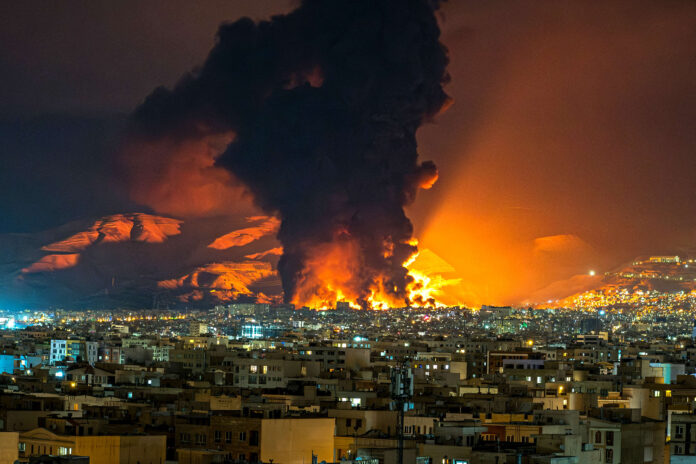
 Iran warned Sunday that it could completely shut down the Strait of Hormuz and expand attacks on regional infrastructure after President Donald Trump threatened U.S. strikes on Iranian power plants if the critical shipping lane is not reopened within 48 hours.

The escalating exchange between Washington and Tehran marked a significant intensification in the conflict, now entering its fourth week, with both sides signaling potential strikes on essential energy and industrial systems.

Iranian officials indicated the strategically vital waterway would be closed entirely if the United States follows through on its warning. The strait, which connects the Persian Gulf to global markets, carries roughly one-fifth of the world’s oil supply and a significant share of liquefied natural gas shipments.

President Trump said in a social media post late Saturday that the United States would destroy Iranian power infrastructure if shipping traffic is not restored, warning that the largest facilities would be targeted first. U.S. officials have maintained that Iran’s infrastructure supports its broader military operations.

In response, Iranian parliament speaker Mohammad Bagher Qalibaf said any attack on Iran’s infrastructure would prompt retaliatory strikes on critical systems across the region, including energy networks and desalination facilities, which are essential for water supplies in Gulf countries.

Iran’s representative to the International Maritime Organization said navigation through the strait would remain possible for vessels not considered hostile, indicating Tehran would control access. Iranian authorities have already allowed certain shipments, including those bound for China and parts of Asia, to pass through under specific conditions.

Shipping traffic through the strait has slowed dramatically in recent days as threats and attacks on vessels have disrupted tanker movements. Major oil producers have reduced output amid growing difficulty exporting crude.

The diplomatic standoff unfolded alongside intensified military exchanges between Iran and Israel.

Iran launched missile attacks targeting areas near Israel’s primary nuclear research region in the Negev Desert, striking the cities of Dimona and Arad. The strikes caused extensive damage to residential buildings and injured dozens, according to emergency responders.

Israeli Prime Minister Benjamin Netanyahu visited the affected area and described the outcome as fortunate given the scale of destruction, noting that adherence to air raid warnings likely prevented fatalities.

Israel’s military acknowledged that some missiles penetrated its air defense systems, marking a notable shift in the conflict. It was the first confirmed instance of Iranian projectiles reaching areas near the country’s nuclear research facilities.

At least 64 people were taken to hospitals following the strike in Arad. In northern Israel, a separate attack attributed to the militant group Hezbollah killed one person, according to Israeli authorities.

Israel’s military leadership said operations would continue, warning that the conflict is ongoing and could intensify further.

The International Atomic Energy Agency said it had not received reports of damage to Israel’s nuclear facilities or any abnormal radiation levels following the strikes.

The conflict has extended beyond immediate battle zones. Iranian forces targeted the joint U.S.-U.K. military base at Diego Garcia in the Indian Ocean, though the attack was unsuccessful, according to British officials.

Military analysts suggested the attempted strike could indicate longer-range capabilities than previously assessed, possibly involving modified launch systems.

The United States has increased its military presence in the region, deploying additional amphibious ships and thousands of Marines, officials told The Associated Press.

Elsewhere in the Gulf, countries reported continued attacks. Saudi Arabia said it intercepted multiple drones targeting its eastern oil-producing region, while alerts were issued in the United Arab Emirates.

The conflict has also disrupted global energy markets. Damage to key infrastructure, including facilities in Qatar’s Ras Laffan Industrial City, has reduced output and contributed to rising fuel costs worldwide.

In an effort to ease pressure, the Trump administration temporarily lifted some restrictions on Iranian oil already at sea. However, analysts say the move does not significantly increase supply, limiting its impact on stabilizing prices.

The human toll continues to rise. Iranian state media reported more than 1,500 deaths in Iran since the conflict began. In Israel, at least 15 people have been killed by Iranian missile strikes, with additional fatalities reported in the West Bank.

U.S. officials said at least 13 American service members have been killed, along with numerous civilians across Gulf nations.

Regional violence has also spread to Lebanon, where Hezbollah claimed responsibility for a strike that killed a man in the northern Israeli town of Misgav Am. Israeli forces have responded with airstrikes and expanded operations along the border.

Lebanese authorities said Israeli strikes have killed more than 1,000 people and displaced over 1 million residents. On Sunday, Israeli forces destroyed a major bridge connecting southern Lebanon to central regions, further damaging infrastructure.

The growing confrontation over the Strait of Hormuz represents a pivotal moment in the conflict, with far-reaching global consequences. The waterway is one of the most critical chokepoints in the global energy system, and any prolonged closure could disrupt supply chains and trigger sharp increases in oil and gas prices.

Iran’s strategy appears to center on leveraging its geographic control over the strait to counter U.S. military and economic pressure. By threatening selective access, Tehran is signaling that it can influence global energy flows while maintaining limited trade with key partners.

President Donald Trump’s warning suggests a shift toward targeting economic infrastructure, a move that could significantly escalate the conflict. Strikes on power plants would directly affect civilian systems and could provoke broader retaliation across the region.

The missile strikes near Israel’s nuclear research area highlight a parallel escalation on the battlefield. The ability to penetrate air defenses in sensitive areas may signal evolving tactics or capabilities, raising concerns about future attacks.

At the same time, the widening scope of the conflict—from the Gulf to the Indian Ocean and the Israel-Lebanon border—underscores the risk of a broader regional war. Increased military deployments and infrastructure targeting raise the likelihood of miscalculation.

If the Strait of Hormuz remains disrupted, the economic impact could extend well beyond the Middle East, affecting fuel prices, shipping routes and global markets. The situation places mounting pressure on international actors to stabilize maritime security while avoiding further escalation.

Arabnews

Female Boxer Isis Sio in Medically Induced Coma After First-Round Knockout in California Bout

0

Nineteen-year-old boxer Isis Sio remains in critical condition and in a medically induced coma after suffering a knockout during a bout Saturday night in Southern California, according to event organizers and medical officials.

Sio, a light flyweight fighter from North Dakota, is being treated in the intensive care unit at Loma Linda University Health Medical Center following the opening match of a ProBox TV card held at the Orange Show Events Center.

Promoter ProBox TV said in a statement Sunday that Sio had been placed in a medically induced coma after being knocked out in the first round of her scheduled fight against Jocelyn Camarillo.

The bout ended just 1 minute and 18 seconds into the opening round. Sio had been weakened by two body shots before stepping backward in a defensive posture. Camarillo then advanced with a series of punches to the head, sending Sio to the canvas unconscious.

Witness accounts described a rapid and alarming response as Sio lay motionless. She was placed on a stretcher and transported from the ring for emergency treatment. Observers noted visible convulsions as medical personnel rushed her out of the venue.

An individual familiar with her condition described the situation as serious Sunday, underscoring the severity of the injuries sustained.

According to BoxingScene, Sio had entered the fight with a 1-3 record and had competed less than two months after a prior stoppage loss in California on Jan. 30, when she was halted by Perla Bazaldua in Long Beach following a body shot.

Under California State Athletic Commission guidelines, fighters who suffer knockouts are typically subject to medical suspensions of at least 30 days, with the duration determined by ringside physicians. Sio returned to competition approximately 50 days after her earlier bout.

Camarillo, 21, improved to 6-0 with the victory. According to BoxingScene, it marked the first knockout win of her professional career. Speaking shortly after the fight, before details of Sio’s condition were fully known, Camarillo expressed mixed emotions about the outcome.

“I’m happy, but then also have that feeling of a little bit of guilt,” she said in an interview with video reporter Elie Seckbach.

After learning that her opponent had been placed in a medically induced coma, Camarillo shared a message on social media offering prayers and support for Sio’s recovery.

ProBox TV said its leadership, including CEO Garry Jonas, is closely monitoring the situation. “Our thoughts are with her and her family at this very difficult time,” the organization said in a statement, echoing sentiments reported by The Associated Press.

Sio, who weighed in quietly at Friday’s pre-fight event, had been described as reserved in the lead-up to the bout. The fight was part of the opening card at the San Bernardino venue.

The incident involving Isis Sio is likely to renew scrutiny around safety protocols in professional boxing, particularly for young and relatively inexperienced fighters. At 19, Sio represents a demographic that is still developing physically, raising questions about exposure to high-impact competition early in a career.

The timing of the bout may also draw attention from regulators. Although Sio’s return to the ring appears to fall outside the minimum suspension period, the proximity to a prior stoppage loss could become a point of discussion in evaluating cumulative risk. Medical suspensions are designed as safeguards, but enforcement and individualized assessment often vary.

Knockouts, while central to boxing’s appeal, carry inherent neurological risks. A medically induced coma is typically used to reduce brain activity and allow recovery following traumatic injury, signaling a potentially serious condition. Such cases are rare but not unprecedented in combat sports, where head trauma remains a persistent concern.

The reaction from Camarillo reflects a recurring dynamic in boxing, where athletes must reconcile competitive success with the physical consequences faced by opponents. Expressions of concern from fighters, promoters and fans often follow severe injuries, highlighting the tension between the sport’s intensity and its human cost.

This incident may prompt renewed calls for enhanced medical oversight, stricter return-to-fight evaluations and additional protective measures, especially in lower-profile bouts where resources and attention can be more limited. Regulators and promoters could face increased pressure to demonstrate that athlete safety remains a priority alongside the demands of competition.

As Sio continues to receive treatment, the focus remains on her recovery. The outcome of her case may influence ongoing discussions about safety standards in women’s boxing and the sport more broadly.

AP/BoxingScene

 Qatar Military Helicopter Crash Kills 7, Including Turkish Personnel, During Training Flight

0

A military helicopter operated by Qatar’s armed forces crashed into the country’s territorial waters during a training mission, killing all seven people on board, including three Turkish nationals, officials from both countries said Sunday.

Authorities said the aircraft went down after experiencing a technical malfunction while carrying out routine operations. The Qatari Ministry of Defence and the Turkish Ministry of National Defence each confirmed the fatalities and identified those killed in the incident.

The victims included four members of Qatar’s armed forces, one officer assigned to the joint Qatar-Turkey military command, and two Turkish civilian technicians affiliated with the defense sector. Qatari officials identified the deceased as pilot Captain Mubarak Salem Daway al-Marri, Sergeant Fahad Hadi Ghanem al-Khayarin, Corporal Mohammed Maher Mohammed and Captain Saeed Nasser Samekh. Also killed were Major Sinan Tastekin of the Qatar-Turkey Joint Forces and Turkish nationals Suleiman Cemra Kahraman and Ismail Anas Can.

In a statement, Qatar’s Defence Ministry expressed condolences to the families of those killed. Turkish officials confirmed that one of their service members and two personnel connected to the defense company Aselsan were among the dead.

The Turkish Ministry of National Defence said the helicopter had been participating in a training exercise tied to the joint command structure when it crashed. Qatari officials similarly described the flight as routine and said the aircraft encountered a technical issue before going down.

Rescue operations concluded Sunday, with authorities confirming that all seven people on board had been recovered. Qatar’s interior ministry said search teams accounted for everyone aboard the aircraft and confirmed the deaths.

Officials have not provided additional details about the mechanical failure, and investigators are continuing to examine the wreckage to determine the precise cause of the crash. There was no immediate indication that hostile activity played a role.

The crash occurred amid heightened tensions across the Gulf region following a series of military exchanges involving Iran, the United States and Israel.

Since late February, when U.S. and Israeli forces carried out strikes on Iranian targets, Qatar has faced repeated retaliatory attacks. Iranian drones and missiles have targeted key infrastructure, prompting defensive interceptions by Qatari forces.

Earlier in the week, strikes on Ras Laffan Industrial City—Qatar’s primary liquefied natural gas hub—caused what officials described as significant damage. Saad al-Kaabi, QatarEnergy’s chief executive and minister of state for energy affairs, told Reuters that the attacks disrupted about 17 percent of the country’s LNG export capacity, resulting in an estimated $20 billion in annual losses.

Al-Kaabi said two of Qatar’s 14 LNG production trains and one of its gas-to-liquids facilities were damaged, marking one of the most serious disruptions to the country’s energy sector in recent years.

Despite the broader security situation, officials have not linked the helicopter crash to ongoing regional hostilities. Both Qatari and Turkish authorities have pointed to mechanical failure as the primary factor, pending the outcome of a full investigation.

Early indications suggest a technical malfunction, but the crash highlights the risks associated with military aviation, particularly during training operations involving multiple countries.

Incidents like this often occur during routine flights, when aircraft undergo repeated use and stress. The involvement of both Qatari and Turkish personnel underscores the complexity of joint military operations, where coordination across forces, equipment standards and maintenance practices is essential.

The presence of technicians from a major Turkish defense contractor suggests the helicopter may have been undergoing support or system-related work at the time, a factor that could become central to the investigation if mechanical failure is confirmed.

The crash also comes as Gulf nations operate under increased strain due to regional conflict. Even if unrelated to external threats, accidents of this nature can affect operational readiness and raise broader safety concerns.

While officials have ruled out immediate signs of hostile involvement, the incident reinforces the importance of strict safety protocols and maintenance oversight in military aviation. The findings of the investigation are likely to be closely examined by both countries and their allies as they assess potential implications for future joint operations.

Floor Collapse at New Hampshire Wedding Sends Nearly 70 Guests Into Basement, Injures Several, 6 Hospitalized

0

A wedding celebration in northern New Hampshire turned into a large-scale emergency Saturday when a section of flooring collapsed beneath dozens of guests, sending nearly 70 people into a basement and leaving multiple attendees injured.

Emergency crews responded shortly after 4:30 p.m. to the Sap House at the Preserve at Chocorua after receiving multiple 911 calls describing a structural failure during a ceremony. Officials with the New Hampshire State Fire Marshal’s Office indicated that about 144 people were inside the building when the collapse occurred.

Fire Marshal Sean Toomey, speaking to NBC10 Boston at the scene, said a portion of the floor—estimated at about 20 feet by 20 feet—gave way as guests gathered for the start of the ceremony. Roughly half of those inside fell through the opening into the basement below.

Several individuals were trapped beneath debris, including wooden beams and farm equipment stored on the lower level, complicating rescue operations. First responders arriving at the scene found that venue staff and wedding guests had already begun assisting those who had fallen.

Some people were able to climb out using ladders, while others received immediate care for minor injuries. Firefighters and rescue teams then worked to reach those still trapped and safely remove them from the basement.

Authorities confirmed that six adults were taken to nearby hospitals with injuries described as not life-threatening. By late Saturday, four of those individuals had been released, while two remained hospitalized for additional treatment. Other guests were evaluated at the scene, though officials have not yet provided a complete count of those treated.

No deaths were reported.

The Tamworth Fire/Rescue Department initially responded to the scene and quickly requested additional support after recognizing the scale of the incident. Multiple mutual aid agencies assisted, and local authorities temporarily closed nearby roads to allow emergency crews to operate.

A joint statement from fire officials indicated that the collapse happened just as the ceremony was beginning, with many guests gathered in one area. Investigators are examining whether the building may have exceeded safe occupancy levels.

Preliminary findings suggest the possibility that the structure was holding more weight than it could safely support. Officials stressed that the investigation remains ongoing and will include a detailed structural review of the building.

The Sap House is part of the Preserve at Chocorua, a property that includes several historic buildings. The venue traces its origins to the late 1700s, though the exact age and construction details of the Sap House itself have not been immediately confirmed.

The Preserve promotes the Sap House as a traditional New England-style maple sugar building used for ceremonies and gatherings. Efforts to reach representatives of the venue for comment were unsuccessful Saturday evening.

Details published by The Associated Press indicate that about 140 guests were present when the floor failed, creating a sudden opening that sent dozens into the basement. Several people were pinned by debris, highlighting the seriousness of the collapse.

Tamworth, a town of about 2,800 residents located roughly 115 miles north of Concord near the Maine border, rarely experiences emergencies of this magnitude. The scale of the response reflected the number of people involved and the complexity of the rescue effort.

Fire Marshal Toomey credited the quick actions of those at the scene for helping prevent more severe outcomes. He said the immediate assistance provided by staff and guests played a key role in getting people out of danger and into safer conditions before emergency crews fully took over.

Although the investigation is still in its early stages, the incident raises broader concerns about safety practices at event venues, especially those operating in older or repurposed buildings. Structures originally designed for agricultural or limited use may not always meet the demands of large gatherings without careful oversight.

If overcrowding is confirmed as a contributing factor, it would point to a persistent challenge in the event industry: ensuring that occupancy limits are clearly defined and consistently enforced. Older buildings can have different structural limitations compared with modern construction, making compliance with safety standards essential.

The response to the collapse also highlights the importance of emergency readiness. The quick actions of guests and staff in assisting those who fell helped reduce the severity of injuries, but the situation underscores the need for formal safety planning, including structural inspections and emergency procedures.

This incident may lead to increased scrutiny of how historic venues are regulated and approved for large events. Authorities could consider revisiting occupancy guidelines and inspection requirements to prevent similar situations.

While the outcome could have been far worse, the collapse serves as a reminder of the risks associated with structural failures in crowded environments. Findings from the ongoing investigation may influence safety practices not only in New Hampshire but also at similar venues across the country.

AP/NBCBoston

Iran Missiles Strike Near Israel’s Dimona Nuclear Facility, Dozens Injured

0

Iranian missiles struck areas near Israel’s primary nuclear research hub on Friday, hitting the southern cities of Dimona and Arad and injuring dozens of people in an attack that heightened fears of broader regional escalation.

The Israel Defense Forces said its air defense systems failed to intercept the incoming missiles, allowing them to strike populated areas near the Dimona nuclear research center.

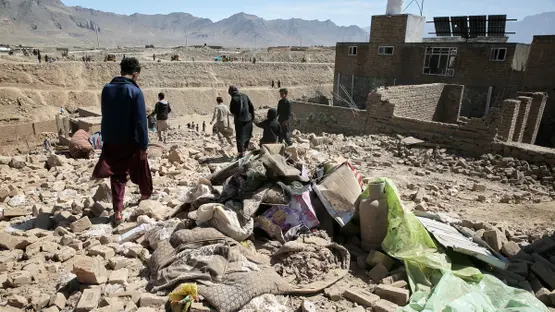
Emergency crews responded to multiple impact sites, including in Arad, where damage was extensive. Footage from the scene showed shattered buildings and a bus with its windows blown out, while firefighters and police worked to secure the area and search for victims.

The Associated Press reported that Israeli rescue teams were responding to what appeared to be a direct strike in Arad, located close to the Dimona facility. Authorities said at least four people were in serious condition, including a young child, while dozens more sustained minor injuries. Several individuals remained unaccounted for as search operations continued.

In Dimona, additional casualties were reported. Emergency services treated more than two dozen people for light injuries, while a 10-year-old boy was listed in serious condition and a woman in her 40s sustained moderate injuries from shrapnel.

The Dimona complex, established in 1958, is widely regarded as the center of Israel’s nuclear program. Although Israel has never officially confirmed possessing nuclear weapons, it is broadly believed to maintain such capabilities under a long-standing policy of ambiguity.

Iran indicated that the strikes were intentional, describing them as part of a response linked to developments involving its own nuclear infrastructure. Tehran had earlier warned it would respond after damage was reported at the Natanz nuclear enrichment facility. Israeli officials have denied responsibility for that incident.

Despite the proximity of the missile impacts to sensitive nuclear facilities, the International Atomic Energy Agency said it had not detected any abnormal radiation levels following the strikes, easing immediate concerns about a nuclear safety incident.

The Israeli military has not provided detailed explanations for why its interception systems failed, an unusual development that is likely to trigger internal reviews. Israel’s layered air defense network has long been considered a key component of its national security posture.

The strike near Dimona marks a notable escalation in the ongoing confrontation between Iran and Israel, signaling a shift toward targets associated with nuclear capability. While previous exchanges have largely focused on military installations, this incident introduces a more sensitive dimension with broader geopolitical implications.

By focusing on Dimona, Iran appears to be signaling a strategy of reciprocal deterrence, responding to perceived threats against its own nuclear program with actions targeting comparable sites. This approach raises the risk of further escalation, particularly if either side interprets such moves as crossing critical red lines.

The failure of Israel’s air defense systems to intercept the missiles may also influence future dynamics. Israel’s defensive capabilities have been central to its deterrence strategy, and any perceived vulnerability could alter calculations on both sides.

The incident also highlights the risks to civilian populations living near strategic facilities. Cities such as Arad and Dimona are not primary military targets, yet their proximity to sensitive infrastructure increases their exposure during conflict.

With tensions already high and global markets reacting to instability in the region, the attack underscores the fragile balance in the Middle East. Any further escalation involving critical infrastructure or symbolic targets could have far-reaching consequences beyond the immediate conflict zone.