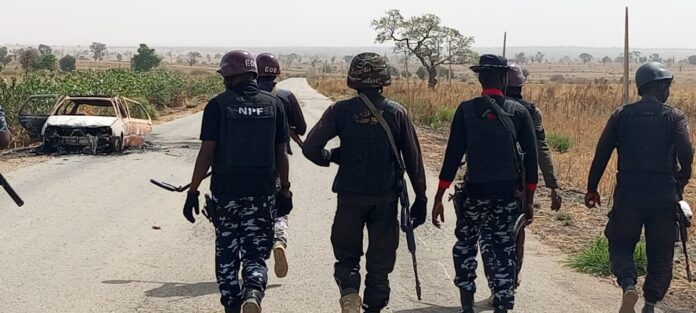
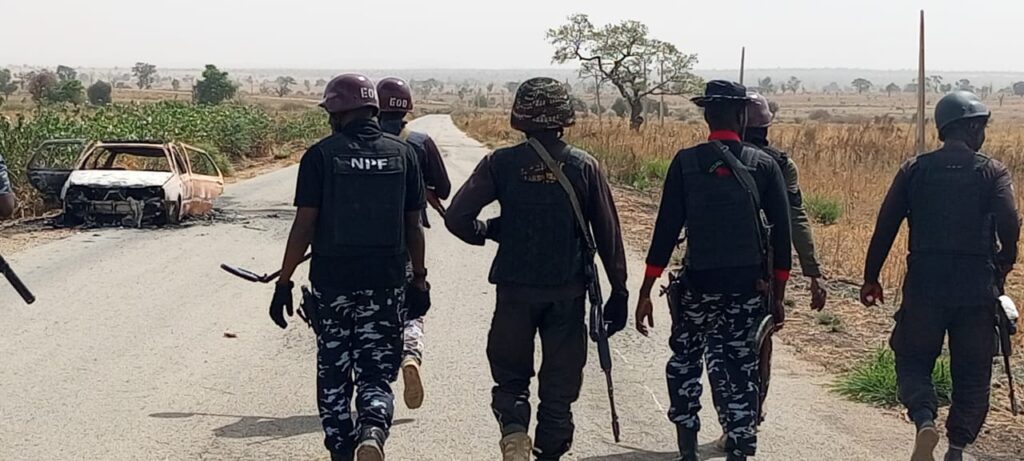
Three police officers, including a senior bomb disposal commander, were killed Monday after an improvised explosive device detonated during a clearance operation in Zamfara State, authorities said, in one of the latest incidents underscoring worsening insecurity in parts of northern Nigeria.
The explosion occurred along the Anka–Bagega Road in Anka Local Government Area at about 5:05 p.m., as a police team attempted to locate and neutralize a suspected landmine believed to have been planted by armed bandits operating in the region.
A roadside bomb explosion in Zamfara State has killed three Nigerian police officers during an operation targeting suspected explosives, while a separate security incident in Plateau State claimed additional lives, highlighting persistent threats to security forces.
What we know so far
According to an internal police situation report obtained by SaharaReporters, the team was conducting a sweep in a CSK armoured personnel carrier when the vehicle triggered the explosive device.
The blast killed Superintendent Abdulrazak Musa Hassan, the officer in charge of the Explosive Ordnance Disposal unit, along with Inspector Murtala Musa of the Violence Crime Response Unit and Inspector Auwal Ahmad of the EOD unit.
Authorities said the remains of the officers are to be transported to the Federal Medical Centre in Gusau for post mortem examinations.
The Anka–Bagega corridor has long been identified as a hotspot for armed bandit activity, with repeated reports of attacks and the use of improvised explosive devices targeting both civilians and security personnel.
In a separate development reported by Punch Nigeria, three security operatives were killed in an early morning attack at the National Institute for Policy and Strategic Studies in Kuru, Plateau State.
What authorities are saying
The police report indicated the operation was part of efforts to clear explosive threats from key access routes in Zamfara, an area heavily affected by banditry.
In Plateau State, police spokesperson Alfred Alabo confirmed the fatalities at the policy institute and said additional security forces had been deployed to stabilize the area.
Commissioner of Police Bassey Ewah ordered increased patrols around the facility, with officials stating that calm has been restored and investigations are ongoing.
Authorities urged residents to remain calm and continue their daily activities while security agencies work to prevent further incidents.
Why this matters
The incidents reflect the growing complexity of Nigeria’s security challenges, particularly in the northwest where armed groups increasingly deploy improvised explosive devices alongside traditional attacks such as kidnappings and raids.
The targeting of bomb disposal personnel highlights the evolving tactics used by armed groups, raising the risk level for security operations designed to counter them.
Meanwhile, the attack at a major policy institution in Plateau State signals that threats are not limited to remote areas but can extend to high profile national facilities.
Together, the events point to the strain on Nigeria’s security infrastructure as authorities confront multiple threats across different regions.
What happens next
Investigations into both incidents are underway, with security agencies expected to assess operational procedures and intelligence gaps that may have contributed to the attacks.
Authorities may also intensify clearance operations in Zamfara and reinforce protection at critical institutions nationwide.
Further updates are expected as officials release more details on the perpetrators and measures being taken to prevent similar incidents.
A Russian artist known for his satirical portrayals of President Vladimir Putin and other political figures was shot dead near his home in eastern Poland, authorities said Tuesday, in a killing that is drawing scrutiny amid broader security concerns across Europe.
The victim was identified by local media as Robert Kuzovkov, 44, who worked under the pseudonym Semyon Skrepetsky. Prosecutors said he was attacked Monday morning in the town of Biala Podlaska, where he had been living in exile.
A Russian dissident artist living in Poland has been killed in a targeted shooting, with investigators detaining two Belarusian nationals as questions mount over motive and potential political links.
What we know so far
Prosecutors said Kuzovkov was approached by an unidentified assailant who opened fire, striking him multiple times. Initial reports indicate three shots were fired before the attacker moved closer and discharged additional rounds at close range. The artist died at the scene from gunshot wounds.
Two Belarusian citizens, aged 37 and 33, were detained shortly after the attack near the Belarusian consulate, though no charges have been filed.
Kuzovkov had been living in Poland since 2021 after leaving Russia. He was widely known for provocative caricatures targeting Putin as well as Belarusian leader Alexander Lukashenko, Chechen leader Ramzan Kadyrov and Soviet era figure Joseph Stalin. His work also occasionally criticized opposition figures, including Alexei Navalny.
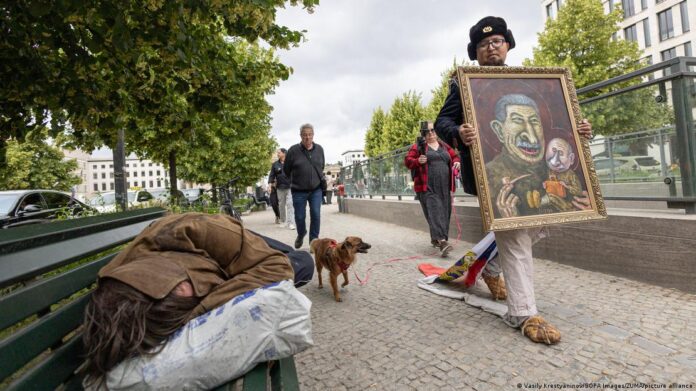
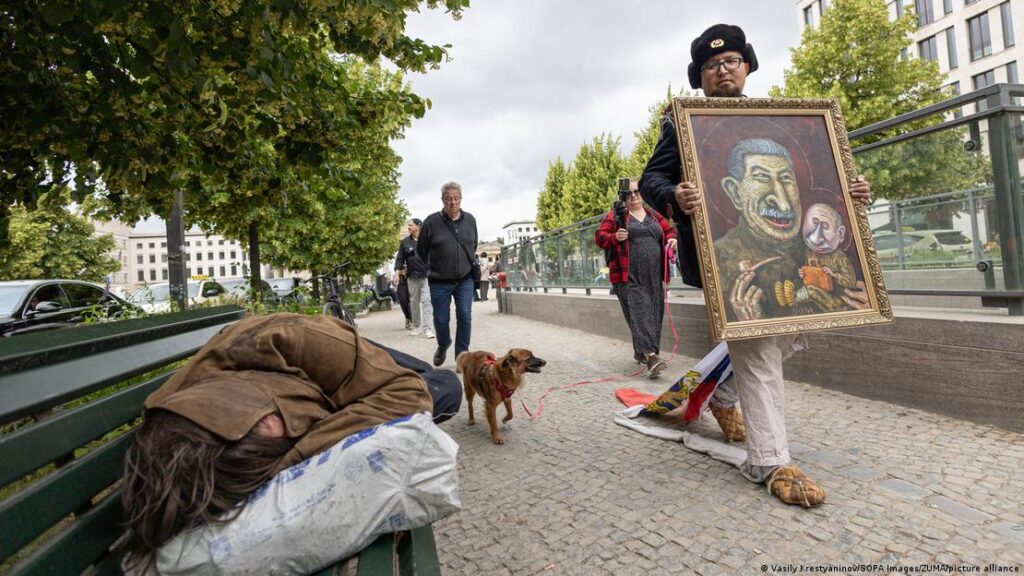
Days before his death, he traveled to Berlin where he staged a protest outside the Russian embassy, displaying artwork depicting Stalin and Putin in a symbolic composition.
What authorities are saying
A spokesperson for the district prosecutor in Lublin confirmed the circumstances of the shooting and said the victim’s identity and activities would play a central role in the investigation.
Officials have not publicly attributed responsibility for the killing or confirmed any political motive.
Polish authorities said the case remains under active investigation, with forensic analysis and witness accounts expected to guide next steps.
Why this matters
The killing comes at a time of heightened tension across Europe linked to the war involving Russia and its adversaries, with Poland serving as a key hub for military and humanitarian support to Ukraine.
In recent years, European governments have reported a rise in suspected sabotage and assassination plots tied to Russian intelligence networks. Poland has previously accused Russian operatives of involvement in acts targeting infrastructure and individuals linked to Ukraine.
The death of a high profile critic of the Kremlin on European soil is likely to intensify concerns about the safety of exiled activists and artists who continue to speak out against Russian leadership.
Kuzovkov’s work, which blended satire with political commentary, placed him within a broader community of cultural figures who have used art as a form of dissent.
What happens next
Investigators are expected to determine whether the killing was a targeted attack and whether those detained had direct involvement. Authorities may also explore possible cross border links as part of the inquiry.
Further details on the suspects and forensic findings are likely in the coming days as prosecutors build their case.
The incident could prompt renewed security measures for exiled dissidents across Europe, particularly in countries bordering Belarus and Ukraine.
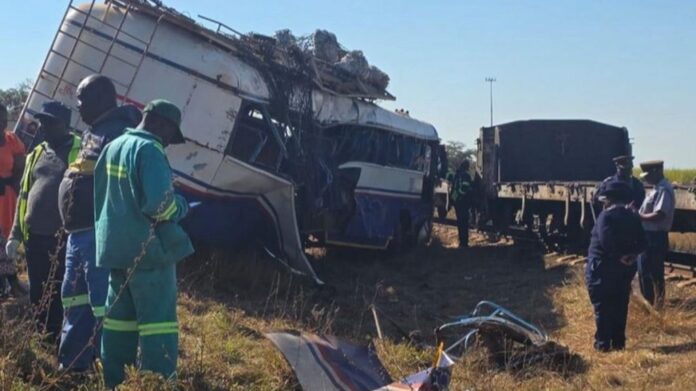
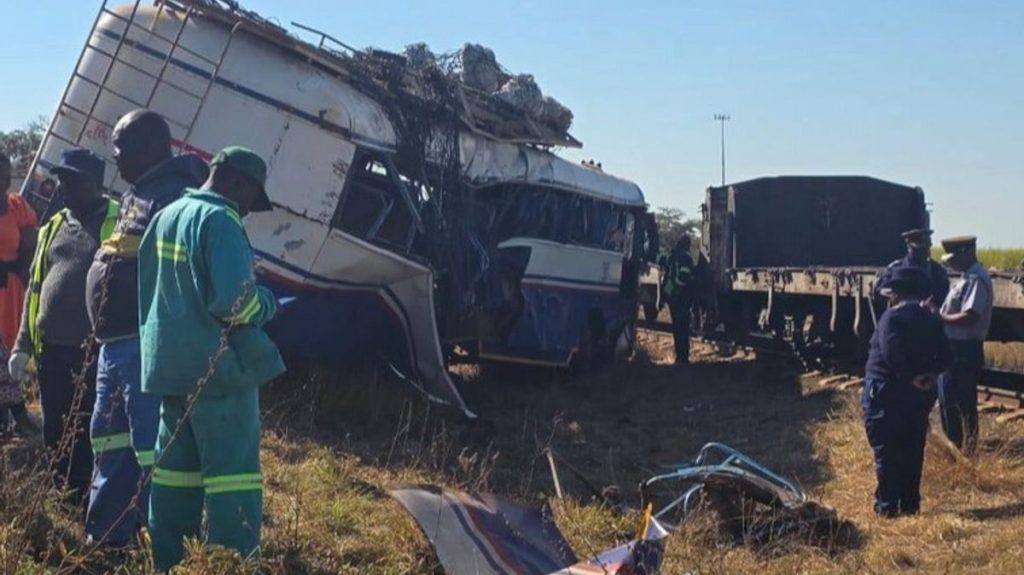
At least nine people, including two children, were killed and more than two dozen injured after a freight train collided with a passenger bus at a railway crossing in southern Zimbabwe on Tuesday, authorities said.
The crash occurred in Triangle, a sugar producing town in the Chiredzi district, when the bus entered a level crossing and was struck by an oncoming train traveling from Triangle toward the Lundi siding, officials said.
A deadly collision between a freight train and a bus in southern Zimbabwe has left nine people dead, including children, and at least 25 others injured, raising renewed concerns over road and rail safety in the country.
What we know so far
Police and the National Railways of Zimbabwe confirmed that nine passengers died at the scene, among them seven adults and two minors. At least 25 others were taken to hospital for treatment, with some reports indicating the number of injured could be higher.
Rail authorities said the crash occurred after the bus driver failed to stop and check for an approaching train before crossing the tracks, in violation of established railway safety rules.
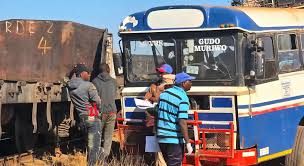
Images from the scene showed the bus severely damaged beside the railway line, with parts of its structure torn away and debris scattered across the surrounding area.
Emergency responders, including police, ambulance services and fire crews, were deployed to manage rescue operations and assist the injured.
What authorities are saying
The National Railways of Zimbabwe, through spokesperson Andrew Kanambura, said the incident stemmed from a failure to observe level crossing regulations, which require drivers to stop and ensure tracks are clear before proceeding.
Police spokesperson Commissioner Paul Nyathi confirmed the fatalities and said further details would be released as investigations continue.
Authorities extended condolences to the families of those killed and urged motorists to adhere strictly to safety rules at railway crossings to prevent similar tragedies.
Why this matters
The crash highlights persistent safety challenges on Zimbabwe’s roads and rail crossings, where accidents are frequent and often deadly. Government data indicates that traffic incidents occur every 15 minutes in the country, with an average of five deaths recorded daily.
Human error remains the leading cause, accounting for the vast majority of accidents, according to national road safety authorities.
The incident also reflects a broader regional issue, as Africa continues to record the highest rate of road traffic fatalities globally despite having a relatively small share of the world’s vehicles. Public transport vehicles, including buses, are frequently involved in major crashes due to high passenger loads and infrastructure limitations.
The collision comes days after another fatal incident involving schoolchildren and follows a series of recent road accidents, underscoring ongoing risks across the transport system.
What happens next
Investigators are expected to examine the circumstances leading to the crash, including driver actions and safety compliance at the crossing.
Authorities may also review enforcement of traffic regulations and consider additional safety measures at railway intersections.
Medical teams continue to treat the injured, while officials are likely to release updated casualty figures and findings as more information becomes available.
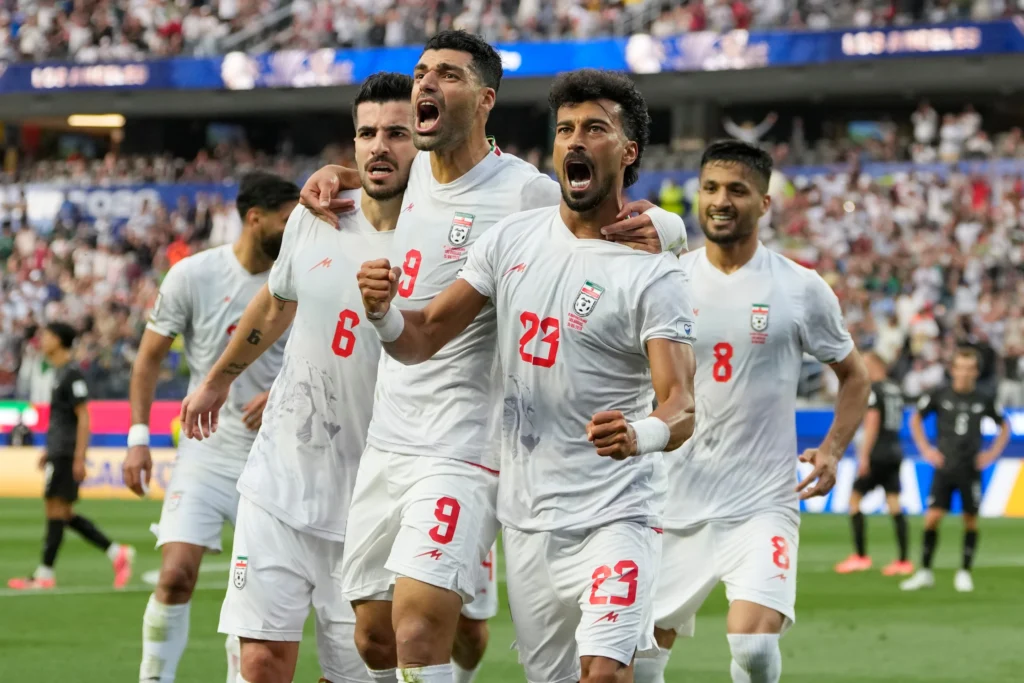
Iran’s national team was instructed to leave the United States within hours of its World Cup opening match, a move that the team’s coach said disrupted recovery plans and added to mounting challenges surrounding its tournament campaign.
Coach Amir Ghalenoei said players were told immediately after Monday night’s 2 2 draw with New Zealand that they had to return to their training base in Tijuana, Mexico, rather than remain in California as originally planned.
Iran’s World Cup squad says it was ordered to depart the United States shortly after its opening match, raising concerns about player recovery and preparation amid ongoing logistical and political challenges.
What we know so far
Iran had expected to stay overnight near Los Angeles following the match to allow players time to recover. Instead, the team was directed to board a flight for the short trip to Tijuana soon after the final whistle.
Ghalenoei said the decision came without explanation and affected player readiness, noting that several athletes suffered cramps during the match. He linked the physical strain to travel disruptions and limited preparation time.
Team captain Mehdi Taremi also pointed to earlier difficulties, including extended travel delays and security checks that turned a short trip into a multi hour process.
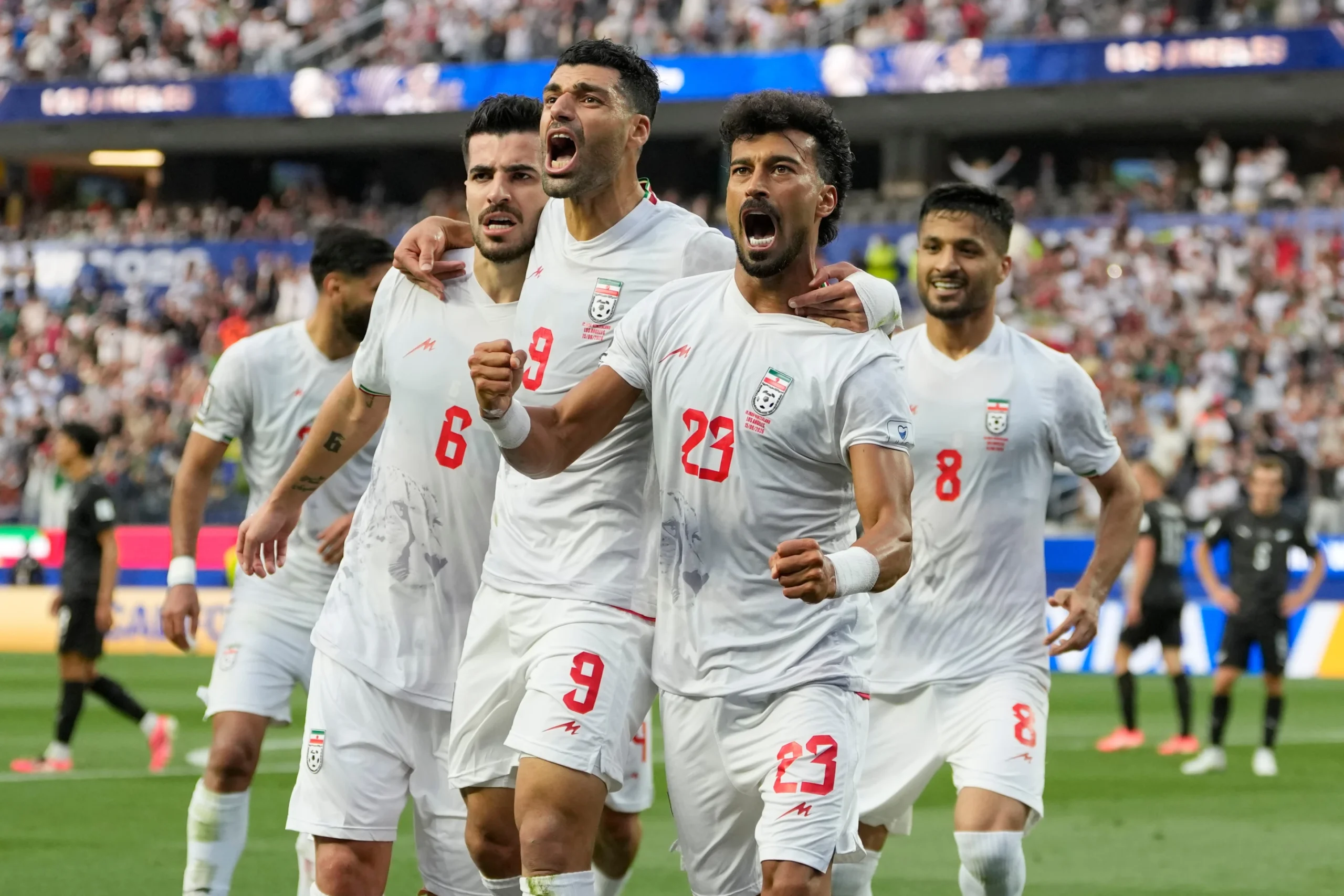
Iran opened its tournament with a 2 2 draw against New Zealand at SoFi Stadium, rallying twice after falling behind. Mohammad Mohebi scored the equalizer in the second half, while Ramin Rezaeian also found the net in an energetic contest.
The match unfolded in a charged environment, with strong support from Iranian fans in the Los Angeles area. Some members of the diaspora expressed political opposition before kickoff, while many others rallied behind the team once play began.
What authorities are saying
Ghalenoei said the team had no clarity on who made the decision to accelerate its departure, adding that logistical planning appeared to be handled externally.
Taremi called for greater support from governing bodies, saying the team’s situation had been complicated by visa restrictions that prevented several staff members from traveling.
FIFA has not issued a public response regarding the team’s travel arrangements or broader concerns raised by Iranian officials.
Why this matters
The episode highlights the intersection of global sport and geopolitics, particularly as international tensions continue to influence tournament logistics and team operations.
Iran’s participation has been shaped by broader conflicts involving the United States and its allies, creating an environment where routine preparations have become more complex.
Travel disruptions and limited recovery time can have a direct impact on performance, especially in a condensed tournament schedule where teams must maintain peak physical condition.
The situation also underscores the challenges faced by teams operating under diplomatic constraints, including visa issues and heightened security measures that affect staffing and planning.
What happens next
Iran is scheduled to play Belgium in its next group match in Inglewood before traveling to Seattle to face Egypt. With all four teams in the group level on one point, the upcoming fixtures will be critical in determining which sides advance.
Team officials are expected to continue raising concerns about logistics and support, while players focus on maintaining performance despite ongoing disruptions.
The handling of Iran’s travel arrangements may draw further scrutiny as the tournament progresses, particularly if similar issues arise in future matches.
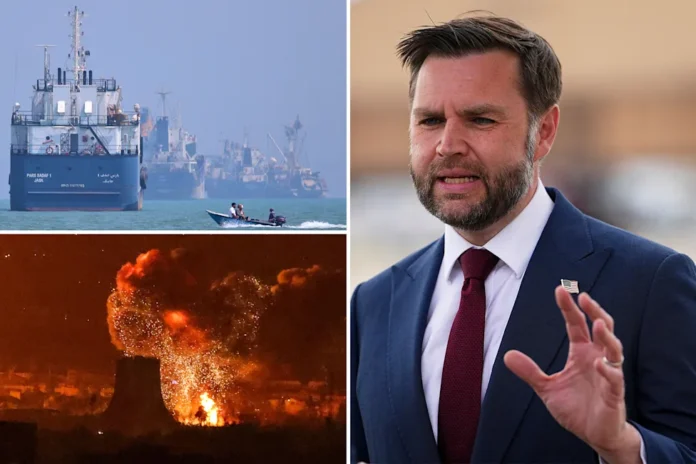
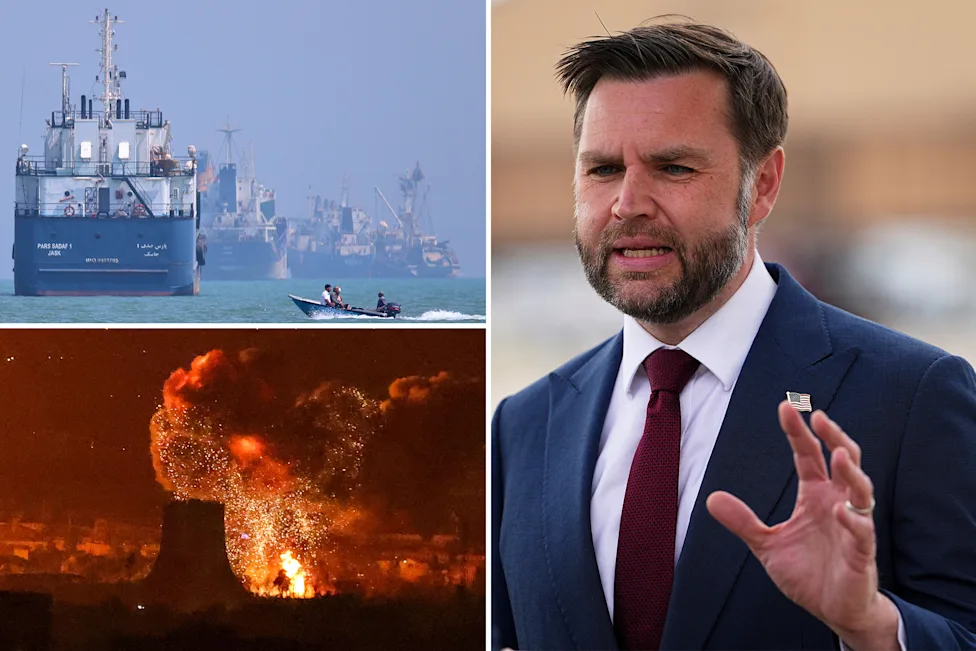
Iran could attract up to $300 billion in reconstruction investment from the same Gulf states it struck with drones and missiles during more than three months of war, Vice President JD Vance said Monday, but only if Tehran meets a series of conditions tied to its nuclear program, its behavior as a regional actor, and its willingness to open itself to international scrutiny.
Pix: aol.com
The figure represents one of the most significant economic incentives embedded in the memorandum of understanding electronically signed by U.S. and Iranian officials Sunday, though the full text of the agreement has not been released publicly, fueling widespread speculation and conflicting claims from both sides.
What We Know So Far
Vance confirmed the reconstruction fund figure during an appearance on CBS News Monday, describing it as conditional investment from Gulf Coalition nations rather than direct cash payments from Washington.
“That is the sort of thing they could have access to, funded by the Gulf Coast Coalition, so long as they honor their end of the obligation,” Vance said.
He spelled out the conditions clearly. Iran must end its nuclear program, dismantle its stockpile of enriched uranium, and accept an inspections and enforcement regime that gives the American people confidence Tehran will never develop a nuclear weapon, he said. “We absolutely are open to the Gulf Coast countries investing in the reconstruction of Iran, but only if Iran meets those conditions,” Vance added.
A second senior U.S. official, speaking to the New York Post on condition of anonymity, described the broader economic package in similarly conditional terms. Tehran stands to receive phased sanctions relief, a lifted naval blockade that would allow Iran to recover the roughly $14 billion per month it is currently losing, and the return of billions in frozen assets. But each element is tied to Tehran meeting undisclosed milestones that officials declined to enumerate specifically on Monday.
“The more they behave like a normal country, the more they show they are willing to be a good partner, then we are going to be extraordinarily generous in opening up their economy and opening up the sanctions relief that the deal contemplates,” the official said.
The $300 billion would not arrive as cash but as investment deals flowing through a gathering of Gulf nations facilitated by the United States, officials clarified. Iran will only be positioned to attract that investment if it makes itself, in the words of one official, investable, demonstrating that there is no risk of sanctions snapping back over nuclear activity or covert regional destabilization.
What Authorities Are Saying
Vance cautioned that Iranian state media was misrepresenting the agreement’s terms by emphasizing what Iran gains while obscuring what it must concede.
“The hard-liners in the Iranian system will overemphasize the benefits that Iran gets, while underemphasizing all the things that they have to concede, and all the things they have to provide, in order to get these benefits,” he said.
A second U.S. official echoed that concern, pointing to what he described as a broader misinformation environment surrounding the deal. “There is a lot of misinformation out there,” the official said. “The hardliners on both sides are obviously making a lot of noise, but all the details of the agreement have not been put out yet.”
Republican Senator Lindsey Graham of South Carolina, one of the most vocal critics within Trump’s own party, has made clear his reservations about the terms as they have been described. In a post on X on Friday, Graham compared the concept of a $300 billion reconstruction fund for Iran under its current leadership to a Marshall Plan for Germany with the Nazis still in power. By Monday, however, Graham softened his tone after speaking with administration officials, saying that if the memorandum says what the White House claims it says, “the proposal as envisioned by the Vice President and the Trump Administration to end the Iranian conflict would be transformative for the region and a major achievement, leading to broader peace.” He called on the administration to release the full text of the agreement so that lawmakers would not have to rely on what he called Iranian propaganda.
Iranian state media, for its part, portrayed the funds as a reconstruction payout owed to Tehran and made no reference to the conditions American officials say are attached, the New York Post noted.
The White House did not respond to questions about whether the memorandum includes provisions allowing Iran and Oman to charge ships fees for services after the 60-day negotiating period expires.
Why This Matters
The scale of the economic package being described, if it materializes, would represent one of the most significant financial reintegration efforts for a sanctioned nation since the post-Cold War era. Iran has been under cascading layers of American and international sanctions for decades, and the 63-day U.S. naval blockade imposed during the war has cost Tehran an estimated $500 million per day, or roughly $14 billion each month, according to U.S. administration figures.
The prospect of Gulf states investing in Iranian reconstruction carries its own geopolitical weight. During the war, Iran struck the United Arab Emirates, Qatar, Jordan, Kuwait, and Saudi Arabia, all of which host American military installations. That those same nations are now being positioned as potential financiers of Iran’s rebuilding effort reflects the extent to which Washington is attempting to use economic interdependence as a substitute for the military containment it exercised before the conflict began.
The blockade’s effectiveness as a coercive instrument was acknowledged directly by U.S. officials Monday. “The blockade was incredibly effective toward causing a financial stranglehold on them. Economic pressure was also incredibly effective, and we saw that all over,” one official said, adding that the financial pressure was ultimately what brought Tehran to the negotiating table.
That admission cuts both ways. It confirms that Washington achieved significant leverage through economic warfare but also signals that the United States is now choosing to release that leverage in exchange for Iranian commitments that remain, for now, largely unspecified in any publicly available document. The refusal of both Washington and Tehran to release the memorandum’s actual text has left analysts, lawmakers, and allied governments working from partial disclosures and competing interpretations, a situation that one senior official acknowledged had allowed the rumor mill to go wild.
The question of Iran’s Strait of Hormuz fee system adds another layer of uncertainty. Tehran originally sought to charge transit tolls through the strait, claiming sovereignty over the waterway, a position the Trump administration rejected as a violation of international law. Iran appears to have pivoted to a secondary approach, working with Oman to establish mandatory fees for services such as insurance and harbor access after the 60-day period concludes. Iranian Foreign Ministry spokesman Esmail Baghaei framed this as compensation for maintaining the shipping environment. Critics see it as a toll by another name, designed to extract revenue from global shipping while technically complying with the agreement’s anti-toll provisions.
What Happens Next
Technical discussions between U.S. and Iranian officials are expected to begin later this week ahead of the formal signing ceremony in Switzerland on Friday. Those talks will need to address the specific milestones Iran must meet before sanctions relief kicks in, the sequencing of asset unfreezing, and the framework for nuclear inspections.
Frozen asset releases are the element of the package most likely to provide Iran with near-immediate financial relief, U.S. officials said, because they can be processed far more quickly than the legislative and regulatory steps required to dismantle the sanctions architecture. Officials indicated that asset unfreezing could happen quickly once Tehran meets certain initial conditions, though those conditions have not been publicly defined.
Full restoration of shipping traffic through the Strait of Hormuz is expected to take weeks rather than days. One official explained that different vessels and crews carry different risk tolerances and that traffic levels will ramp up gradually rather than return overnight to their prewar volumes.
The central test of the entire framework remains Iran’s willingness to accept verifiable constraints on its nuclear program. Tehran currently holds 440.9 kilograms of uranium enriched to sixty percent purity, close to weapons-grade levels, stored beneath sites damaged by American strikes last year. Whether that material is destroyed, transferred, or diluted inside Iran is the question that will define whether the memorandum evolves into a durable agreement or becomes another chapter in the long history of failed attempts to resolve the Iranian nuclear standoff.
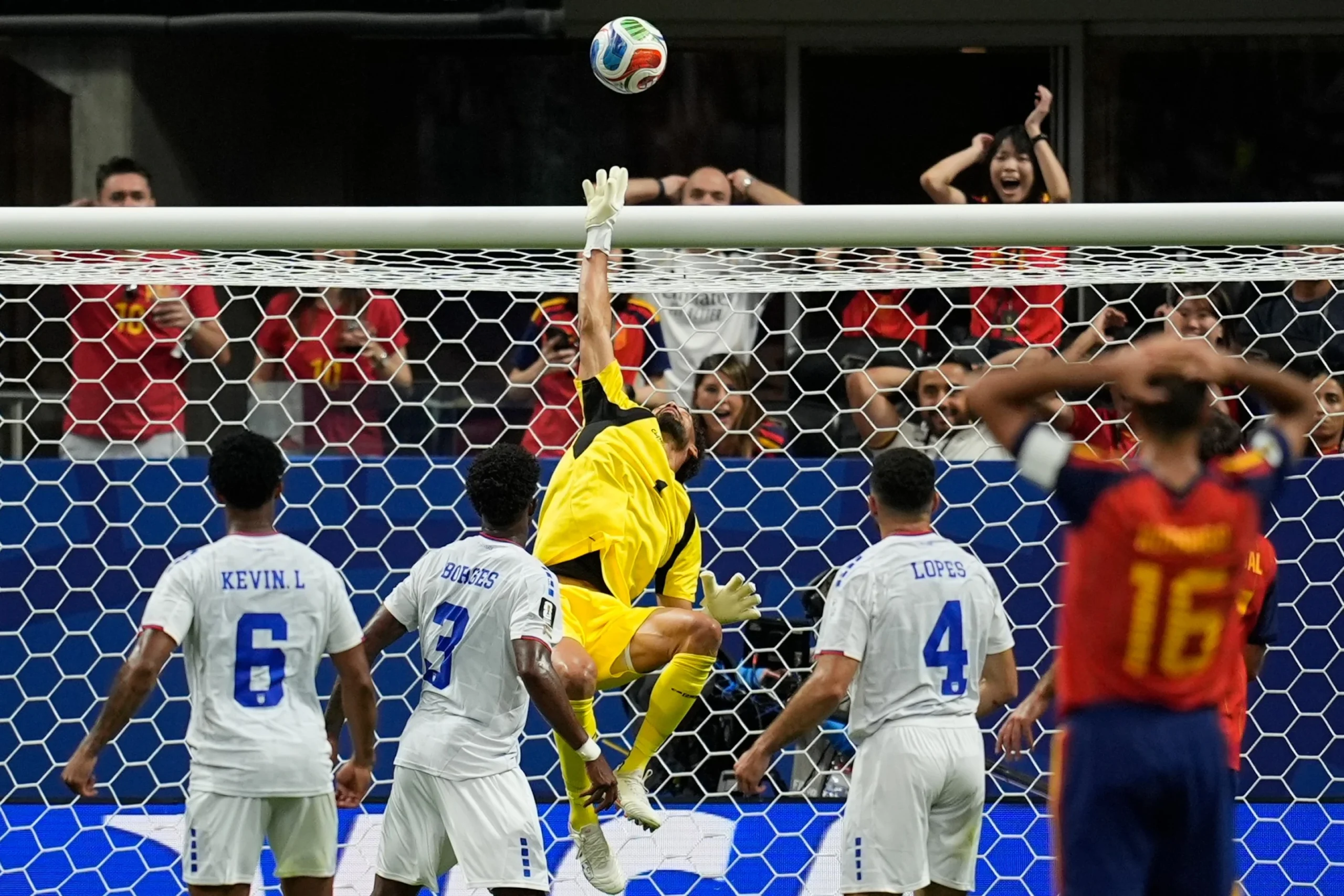
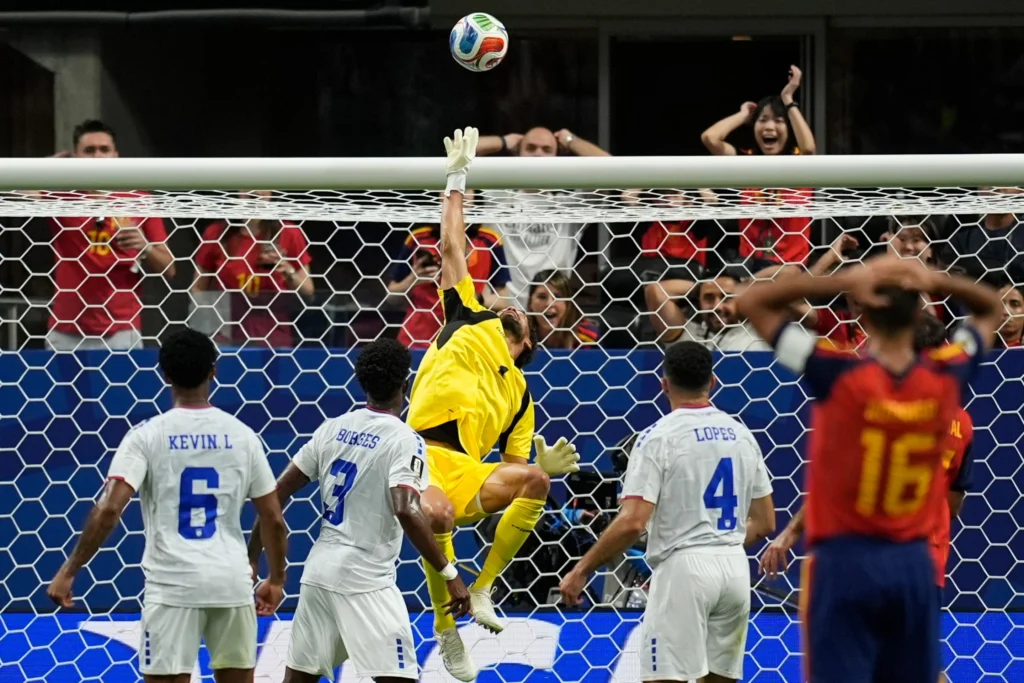
(AP/Reuters) — Cape Verde delivered one of the early shocks of the World Cup on Monday, holding European champion Spain to a 0 0 draw in its first appearance at the tournament.
The island nation, making its debut on football’s biggest stage, defied expectations against one of the competition’s top contenders with a disciplined defensive display and standout goalkeeping performance that frustrated Spain throughout the match.
Cape Verde earned a historic point in its World Cup debut after holding Spain to a scoreless draw, showcasing resilience and defensive strength against one of the tournament favorites.
What we know so far
Spain dominated possession and created multiple scoring chances but failed to break through Cape Verde’s organized defense. The closest opportunity came just before halftime when Ferran Torres struck the crossbar.
Cape Verde goalkeeper Vozinha, 40, delivered a series of crucial saves, denying efforts from Torres, Pedri and Aymeric Laporte. His performance earned him player of the match honors and left him visibly emotional at the final whistle.
Teenage star Lamine Yamal entered in the second half in an attempt to change the game’s tempo, but Spain could not find a decisive moment.
Cape Verde nearly completed a dramatic upset late in the match when Diney Borges forced a save from Spain goalkeeper Unai Simon.
The result sparked celebrations among Cape Verde supporters, who continued singing and dancing after the match despite being outnumbered by Spain fans in the stadium.
What authorities are saying
Coach Pedro Leitão Brito described the result as deeply significant for his country, emphasizing the team’s resilience and determination. He said the performance reflected Cape Verde’s identity and desire to compete at the highest level.
Spain coach Luis de la Fuente acknowledged his team created enough chances to win but lacked finishing precision. He maintained confidence in his squad, stressing that setbacks are part of a challenging tournament.
Reuters coverage highlighted that Spain controlled possession for most of the match, but Cape Verde demonstrated that control can also come through defensive structure and tactical discipline.
Why this matters
The result reinforces a growing pattern in World Cup history where smaller or debut nations challenge established powers. While Cape Verde did not secure a win, its performance echoes past upsets involving teams such as Cameroon, Senegal and Saudi Arabia.
The match also adds to the debate surrounding the expanded 48 team World Cup format. Critics have argued that increasing the number of participants could dilute quality, but Cape Verde’s performance suggests the gap between traditional powers and emerging teams may be narrowing.
With a population of roughly half a million, Cape Verde becomes one of the smallest nations to compete at this level, yet demonstrated that organization and determination can offset differences in depth and experience.
What happens next
Spain will look to rebound in its next group match as it continues its pursuit of a second World Cup title, having last won in 2010 and entering the tournament as European champion.
Cape Verde, buoyed by its opening result, will aim to build momentum and push for further progress in the group stage. The team’s defensive discipline and confidence could make it a difficult opponent in upcoming matches.
The draw ensures that attention will remain on Cape Verde as one of the early stories of the tournament, with its debut performance already reshaping expectations.
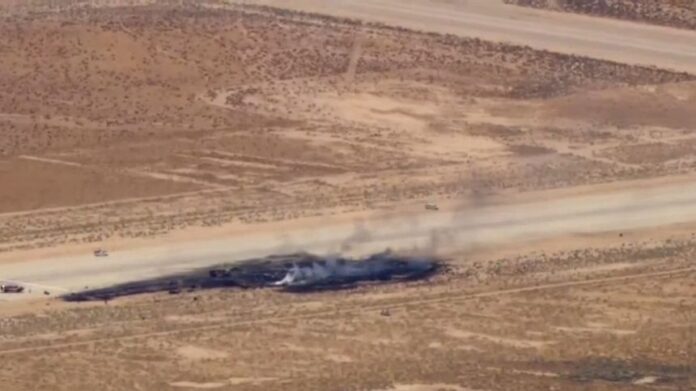
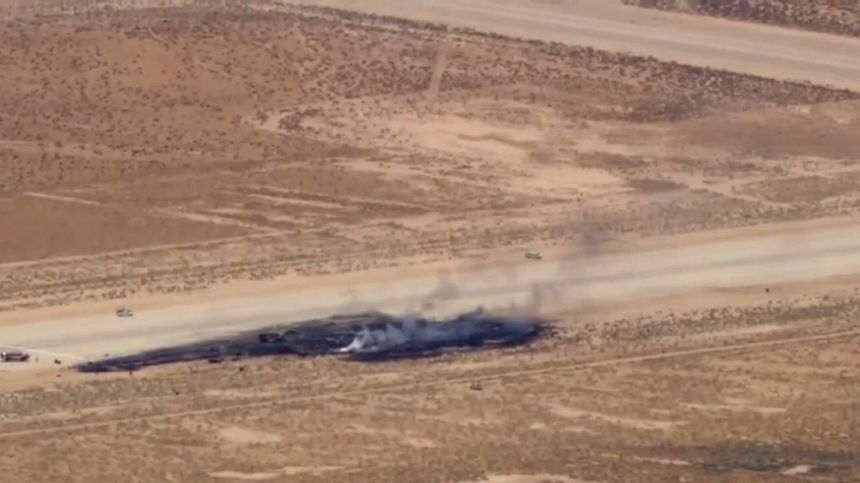
(AP/CNN/Reuters) — Eight crew members are believed to have died after a U.S. Air Force B 52 bomber crashed shortly after takeoff Monday morning at Edwards Air Force Base in California’s Mojave Desert, officials said.
The aircraft went down around 11:20 a.m. during what officials described as a routine test mission. Early assessments indicate the crash was not survivable, the base said, as emergency teams rushed to the scene and began efforts to account for all personnel.
Thick black smoke rose from the crash site near the runway, where aerial footage showed a wide stretch of scorched desert and little visible wreckage. Fire crews and military responders remained on site hours later as operations continued.
A B 52 bomber crashed shortly after takeoff at Edwards Air Force Base, with eight crew members feared dead. The aircraft was on a test flight when it went down, triggering a large fire and prompting an ongoing investigation.
What we know so far
Officials said the bomber departed from the airfield before crashing within the base perimeter. The impact left a charred area roughly the size of a football field, with debris largely unrecognizable.
The airfield was shut down following the crash, with incoming flights diverted and access to the installation restricted to allow emergency crews to focus on response operations.
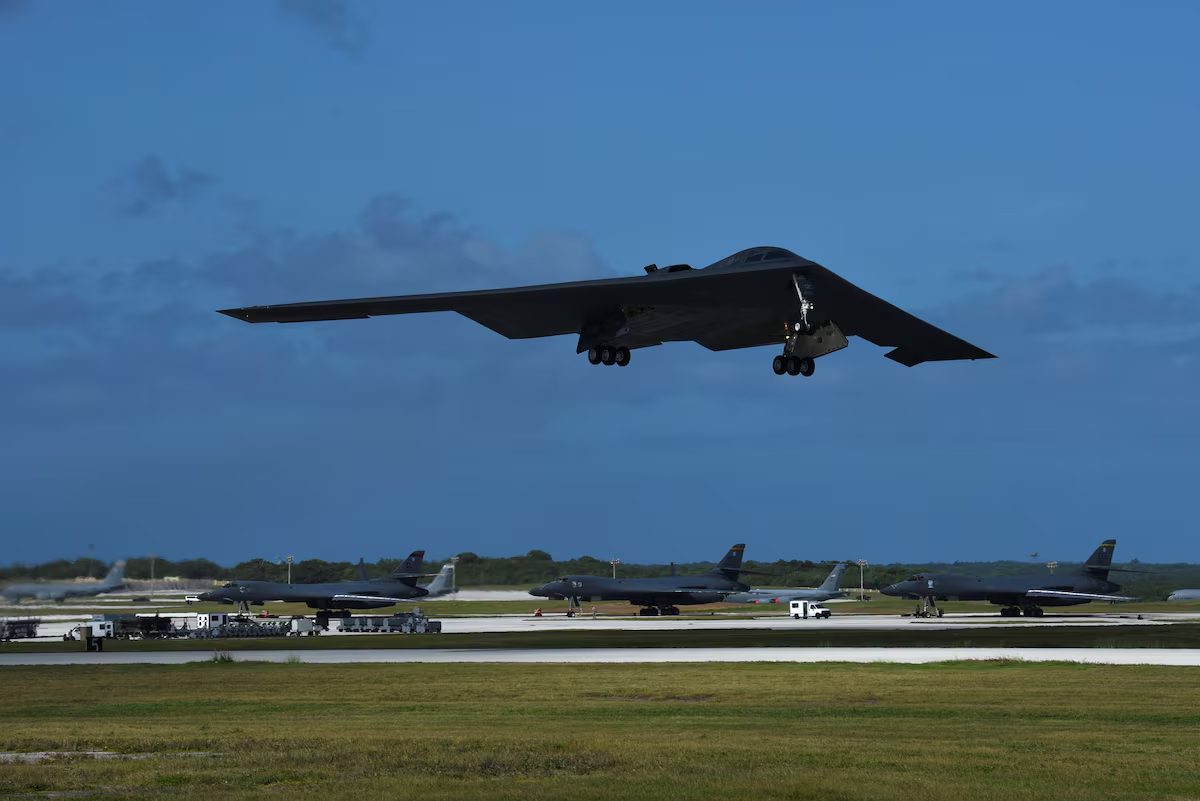
The aircraft involved was a B 52 Stratofortress, a long range heavy bomber that has been in service since 1955. The current B 52H variant remains a key component of the Air Force’s fleet and is capable of carrying both conventional and nuclear weapons.
CNN reported that the mission was a test flight, while Reuters described the aircraft as an eight engine bomber used for strategic operations. The Associated Press confirmed that all personnel on board are believed to have been killed, though identification efforts are still underway.
What authorities are saying
Base officials said emergency crews responded immediately and that a news briefing was scheduled later in the day. The Air Force has not released details about the crew or whether the aircraft was carrying any weapons.
Military authorities said the cause of the crash remains under investigation. The Pentagon and Air Force have not provided additional comment beyond initial statements from the base.
Aviation safety expert Jeff Guzzetti, a former investigator with federal agencies, said the circumstances suggest a possible loss of control shortly after takeoff. He noted that potential causes could include engine failure, flight control issues or problems linked to test equipment.
Why this matters
The crash raises fresh concerns about the risks associated with flight testing, particularly for aging aircraft that continue to operate under modernization programs. The B 52, while heavily upgraded over decades, remains one of the oldest active aircraft in the U.S. military.
Its continued use reflects both its strategic value and the challenges of replacing long range bomber capabilities. The aircraft has played a role in conflicts from Vietnam to more recent operations involving tensions with Iran.
Testing new systems on legacy platforms can introduce additional risk factors, especially during takeoff when aircraft are most vulnerable. Incidents like this often lead to broader safety reviews and operational changes.
What happens next
Investigators are expected to examine flight data, maintenance records and communications to determine what caused the crash. Officials may also review recent upgrades or testing equipment installed on the aircraft.
Recovery efforts at the crash site are ongoing, and identification of the crew is expected to follow in the coming days.
The Air Force could temporarily adjust testing operations while the investigation proceeds, particularly involving similar aircraft or mission profiles.
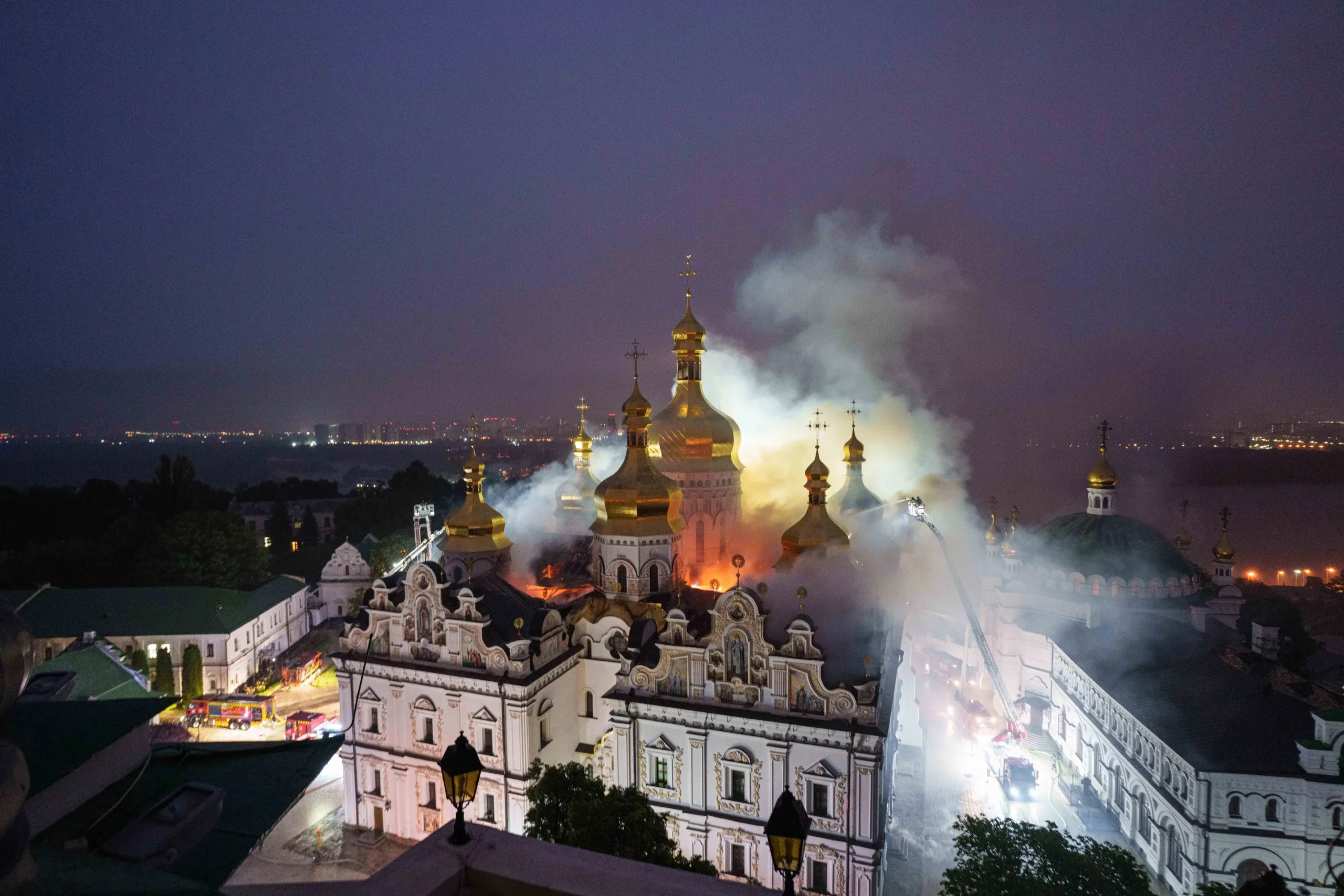
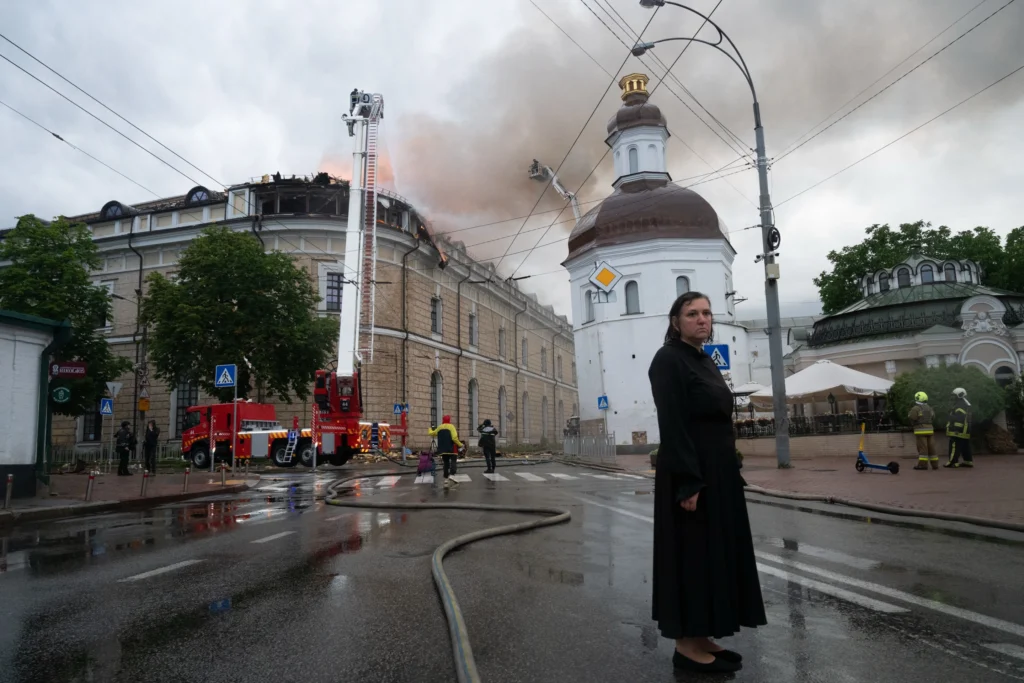
Russia launched one of its most devastating overnight attacks on Ukraine in weeks Monday, killing at least nine people, wounding dozens more, and setting fire to a centuries-old monastery in Kyiv that stands as one of the most sacred sites in Christian history, authorities said.
The assault struck apartment buildings, emergency crews, and cultural landmarks across multiple cities, drawing immediate international condemnation and renewed calls for decisive action against Moscow.
What We Know So Far
Ukraine’s Air Force confirmed that Russia launched 70 missiles and 611 drones overnight, targeting Kyiv, Kharkiv, and Dnipro. Air defenses intercepted or electronically suppressed 632 aerial targets, including 50 missiles and 582 drones. Preliminary data showed 20 ballistic missiles and 27 attack drones reached 42 locations across the country, with debris from intercepted drones falling at 12 additional sites, the Associated Press confirmed.
In Kyiv, four people were killed and at least 30 injured, including two children aged five and six, Tymur Tkachenko, head of the Kyiv City Military Administration, said. Five strikes hit civilian locations in the Shevchenkivskyi district within less than 30 minutes, among them a 25-story apartment building, a market, and a grocery store. A nine-story residential building in the Obolonskyi district took a direct hit.
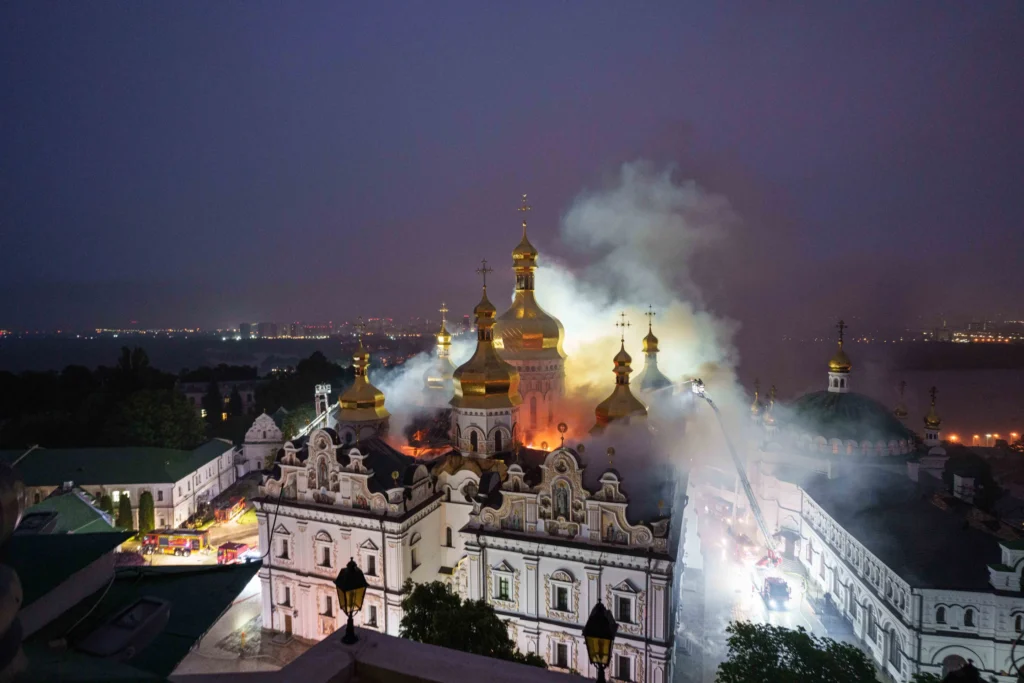
The most emotionally charged strike of the night fell on the Kyiv-Pechersk Lavra, also known as the Monastery of the Caves, a UNESCO World Heritage site founded in 1051 and one of the oldest and most revered religious complexes in the Eastern Christian world. The roof of its Dormition Cathedral caught fire during the attack, Metropolitan Epiphanius, head of the Orthodox Church of Ukraine, confirmed.
“A Russian strike on the Kyiv-Pechersk Lavra set the Dormition Cathedral on fire, a church whose history dates back to the 11th century. And this is one of Russia’s most serious crimes against Christian culture to date,” Ukrainian President Volodymyr Zelenskiy wrote on X.
In Kharkiv, Ukraine’s second-largest city, Russian forces used what authorities described as a deliberate double-tap tactic, launching four additional drone strikes on a site in the Kholodnohirskyi district after emergency crews had already arrived to respond to an earlier attack. Four emergency service workers and one municipal official were killed. Six rescuers and three civilians were injured, Interior Minister Ihor Klymenko confirmed on Telegram.
Three people, including a one-year-old child, were killed in a drone strike on the Russian city of Tula, south of Moscow, the regional governor said in a Telegram post, as Reuters noted Ukraine has intensified attacks on Russian industrial and energy targets in recent weeks.
In Dnipro, one building of a local college was destroyed and windows were shattered at a nearby school and the city’s House of Organ and Chamber Music, Dnipropetrovsk regional administration head Oleksandr Hanzha said. Two people were injured across multiple strikes in that area.
Three people, including a child, were wounded in Sumy after a Russian strike hit an apartment building, Ukraine’s State Emergency Service confirmed.
Ukraine also struck two bridges connecting the Crimean peninsula to Russian-controlled areas overnight, moving to cut off the annexed territory from further supply lines amid a reported fuel shortage there, Reuters confirmed.
What Authorities Are Saying
Zelenskiy described the monastery attack as among Russia’s gravest crimes against civilization and said Ukraine would urgently pursue responses through UNESCO and other international mechanisms.
Foreign Minister Andrii Sybiha announced Ukraine would initiate procedures within UNESCO “to ensure immediate and adequate responses to this state barbarism.” Estonia’s foreign minister, Margus Tsahkna, separately condemned the Russian strikes.
Metropolitan Epiphanius called the strike on the monastery a crime “against humanity, against history, against Christianity” and appealed for prayers to save the site.
Tkachenko accused Russia of deliberately targeting “the heart of one of the largest Christian shrines,” calling the decision to strike apartment blocks a calculated choice rather than a consequence of military operations nearby.
Russia’s Defense Ministry framed the night’s operations differently, insisting it had struck military industrial facilities, conscription offices, and air bases in Kyiv, Kharkiv, and Dnipro with long-range precision weapons. “The goals of the strikes have been fulfilled and all the designated facilities have been hit,” the ministry said. Russia separately claimed its air defenses downed 123 Ukrainian drones overnight.
Russia and Ukraine both deny deliberately targeting civilians. Reuters noted it could not independently verify casualty figures or claims from either side.
Air Force spokesperson Yuriy Ihnat acknowledged the continuing challenge posed by ballistic missiles. “Ballistic missiles remain a problem for us,” he said on national television. “Of the 34 ballistic missiles launched, only 15 were shot down, although that is a strong result.”
Poland scrambled fighter jets Monday in response to a possible airspace incursion before recalling the alert after determining no violation had occurred, its Armed Forces confirmed on X.
Why This Matters
The Kyiv-Pechersk Lavra is not merely a religious site. It is a sprawling complex of monasteries, churches, and underground caves spanning more than 600 meters, built across eight centuries from the 11th to the 19th, and it has served as a pilgrimage destination for Christians across Eastern Europe for nearly a thousand years. Its designation as a UNESCO World Heritage site reflects its irreplaceable status in global cultural heritage.
Its targeting, whether deliberate or incidental, carries symbolic weight that extends far beyond Ukraine’s borders. The Orthodox Church of Ukraine, the Ukrainian government, and international cultural institutions will all frame this as an attack not only on a nation at war but on a shared civilizational inheritance.
The broader military picture is equally significant. Monday’s assault was the heaviest attack on Kyiv in two weeks and came at a diplomatically sensitive moment. Zelenskiy had spoken with Trump just the day before, discussing pathways toward ending a conflict now stretching beyond four years, ahead of a G7 meeting in France. The Kremlin confirmed Sunday that Trump had also told Russian President Vladimir Putin that ending the Ukraine conflict was a priority and that he was prepared to help facilitate it.
Progress toward any Ukraine settlement has moved slowly, partly because U.S. diplomatic energy has been heavily concentrated on the Middle East, where Washington and Tehran announced a peace framework Sunday, Reuters noted. That agreement, expected to be formally signed in Switzerland on Friday, may now allow greater American attention to shift toward Kyiv.
The double-tap strike on Kharkiv that killed four emergency workers is a tactic that has drawn particular condemnation from human rights observers and military analysts. Deliberately targeting first responders arriving at a strike site is widely considered a war crime under international humanitarian law, and Monday’s incident will add to the mounting documentation that Ukrainian and international legal teams are compiling for future accountability proceedings.
What Happens Next
Zelenskiy has proposed direct talks with Putin, a proposal backed by Britain, Germany, and France. Putin has so far rejected that approach. The G7 meeting in France this week provides an opportunity for allied governments to coordinate a unified response, potentially including additional air defense systems that Ukraine has repeatedly requested and that Monday night’s attack underscored remain urgently needed.
UNESCO is expected to assess the damage to the Kyiv-Pechersk Lavra in the coming days. Ukraine’s foreign ministry has already signaled it will push for an emergency institutional response.
With the U.S.-Iran peace framework now in place, pressure on Washington to give greater attention to the Ukraine conflict is likely to increase. Whether that shift in diplomatic bandwidth translates into renewed momentum toward a ceasefire, or whether Russia uses the moment of reduced American focus elsewhere to press further military advantages, will be among the most consequential questions of the weeks ahead.
For the residents of Kyiv who sheltered underground through the night while one of their city’s most ancient landmarks burned above them, those questions carry a weight that no diplomatic communique has yet come close to answering.
Israel’s defense minister said Monday that Israeli forces will remain in territories seized in Lebanon, Syria and the Gaza Strip, a stance that could complicate a newly announced understanding between the United States and Iran aimed at easing regional tensions.
Defense Minister Israel Katz said Israel intends to maintain its presence “indefinitely” in areas under its control, even as diplomatic efforts move forward on a fragile framework designed to halt hostilities and reopen key global shipping routes.
The comments came hours after mediators disclosed an emerging agreement between Washington and Tehran that includes provisions tied to maritime access through the Strait of Hormuz and a broader pause in fighting across multiple fronts.
Israel has indicated it will not withdraw from territories captured in recent conflicts, raising uncertainty over a U.S. and Iran backed framework that seeks to stabilize the region and prevent further escalation.
What we know so far
Israeli forces have taken control of significant areas across Gaza, southern Lebanon and parts of Syria over the past two and a half years, totaling about 1,000 square kilometers. Katz’s remarks mark the first official Israeli response following disclosure of the diplomatic framework.
The proposed arrangement, first announced by Pakistan, outlines a halt in military operations and sets a 60 day timeline to address Iran’s stockpile of highly enriched uranium and its broader nuclear program.
Iranian officials acknowledged the framework but indicated implementation would only begin after a formal signing expected later this week in Switzerland. Qatar has also played a mediating role, with talks in Tehran and planned follow up meetings in Doha.
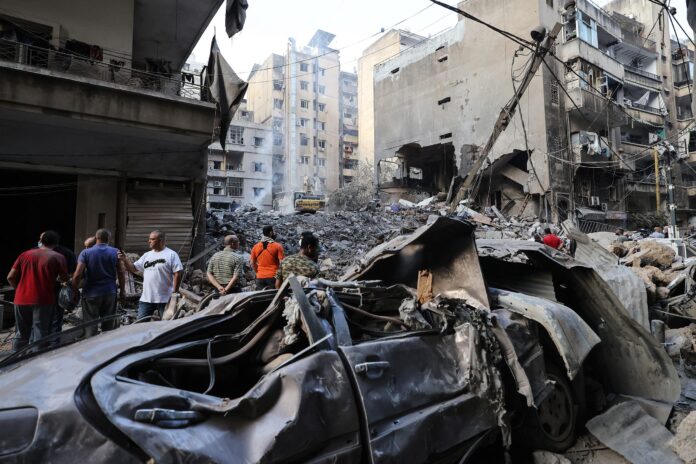
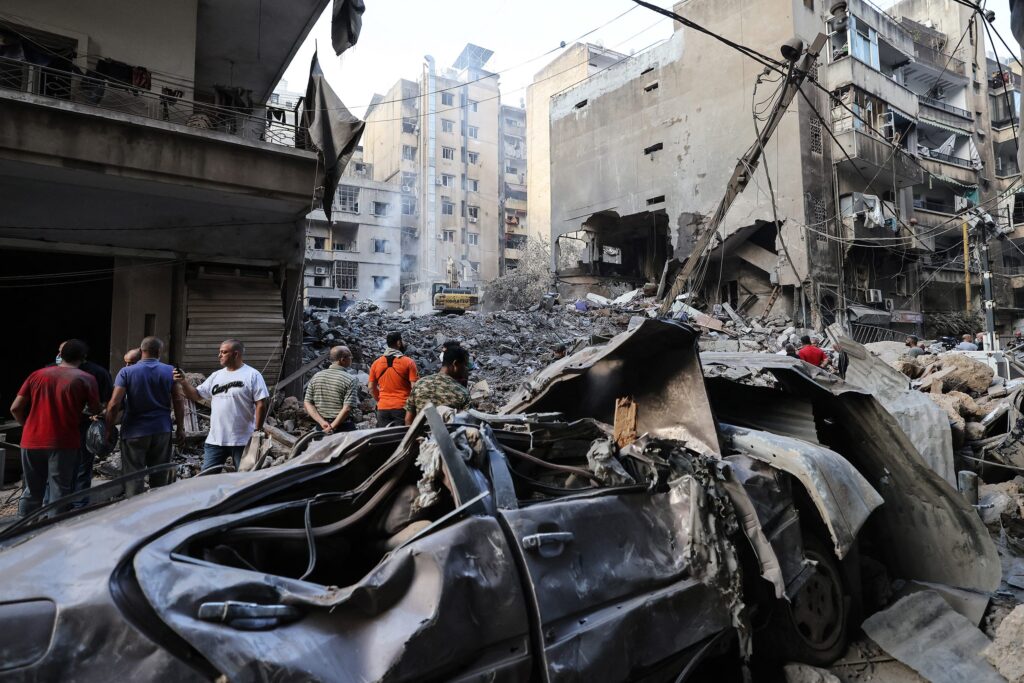
Recent Israeli airstrikes targeting Hezbollah positions in Beirut’s southern suburbs underscore ongoing tensions that could undermine the fragile understanding.
What authorities are saying
Katz warned that any direct action by Iran in response to Israeli operations in Lebanon would prompt a strong military response. He reiterated that Israel’s strategic posture would not change despite diplomatic developments.
Iran’s deputy foreign minister Kazem Gharibabadi confirmed the agreement on state television but stressed that no measures would take effect before formal endorsement.
Pakistan’s prime minister Shehbaz Sharif described the framework as a step toward ending military operations across all fronts and enabling technical negotiations on unresolved issues.
In Washington, Vice President JD Vance indicated uncertainty about final participation in the signing ceremony, while lawmakers including Senator Lindsey Graham voiced concern about differing interpretations of the agreement.
President Donald Trump, commenting on social media, welcomed the development and said he had authorized steps tied to reopening the Strait of Hormuz and lifting a U.S. naval blockade, though he later clarified such actions would follow the formal signing.
Why this matters
The situation highlights the difficulty of aligning military realities on the ground with diplomatic efforts at de escalation. Israel’s refusal to withdraw from contested territories introduces a major obstacle to any agreement that hinges on reduced hostilities.
The Strait of Hormuz remains one of the world’s most critical energy corridors, and any disruption or reopening has direct implications for global oil markets and economic stability.
The proposed 60 day window to resolve Iran’s nuclear program revives a long standing issue that previously took years of negotiation. The compressed timeline suggests urgency but also raises questions about feasibility.
What happens next
Attention now turns to the planned signing in Switzerland, where negotiators are expected to formalize the framework and begin technical discussions.
If the agreement moves forward, parallel talks will address nuclear concerns, regional security arrangements and enforcement mechanisms. Failure to reach consensus within the set timeframe could extend negotiations or risk renewed escalation.
Israel’s position is likely to remain a central point of contention, with its military posture influencing both diplomatic momentum and the broader security landscape in the region.
Pop star Taylor Swift and NFL player Travis Kelce made a high profile appearance on Broadway over the weekend, drawing fresh attention to mounting speculation surrounding their reported upcoming wedding.
The couple attended a Saturday performance of “Oh, Mary!” at the Lyceum Theatre in Manhattan before heading backstage to meet members of the cast, including Maya Rudolph, who plays Mary Todd Lincoln. Photos from the visit showed Swift and Kelce posing with performers still in costume, with the singer appearing visibly delighted during the encounter.
The outing comes amid heightened interest in the pair’s relationship following claims by Page Six that the two are preparing to marry in New York City in early July. The report indicates Madison Square Garden as a possible venue, though the couple has not publicly confirmed those details.
Taylor Swift and Travis Kelce were seen enjoying a Broadway show in New York City, fueling speculation about their reported wedding plans as public interest in the high profile relationship continues to grow.
What we know so far
Swift and Kelce, both 36, attended the theater performance before continuing their evening in Manhattan, where they were later seen heading to dinner in the West Village. Observers noted the pair walking hand in hand as they left the venue.
Swift wore a burgundy velvet dress paired with gold accessories, while Kelce opted for a patterned black shirt and dark trousers. The appearance marked one of several public outings for the couple in recent days.
According to Page Six, the couple is planning a private wedding and has taken steps to limit information leaks. The report says invited guests were contacted directly and required to sign confidentiality agreements before receiving event details.
There has been no official confirmation from representatives of Swift or Kelce regarding wedding plans. Page Six cited unnamed sources familiar with the matter, indicating that privacy remains a central concern for the couple.
Swift and Kelce represent one of the most closely followed celebrity relationships in entertainment and sports. Their public appearances often generate widespread attention, reflecting the merging influence of music and professional athletics in popular culture.
The reported efforts to maintain privacy highlight the challenges high profile figures face when planning personal events under intense media scrutiny. Their approach also signals a broader trend among celebrities seeking greater control over personal narratives.
What happens next
With reports pointing to an early July timeline, attention is expected to intensify in the coming weeks as fans and media outlets monitor for confirmation or additional details.
Whether the reported ceremony proceeds as described or remains undisclosed, the couple’s visibility ensures continued public interest in both their personal lives and professional careers.