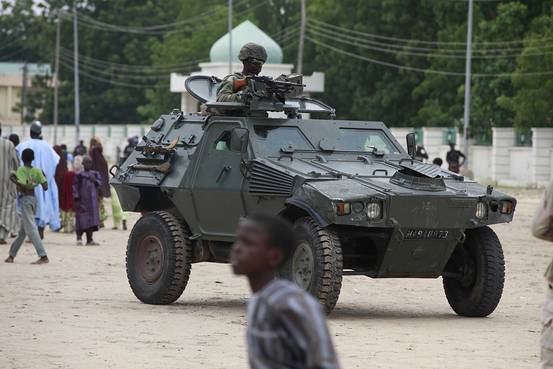
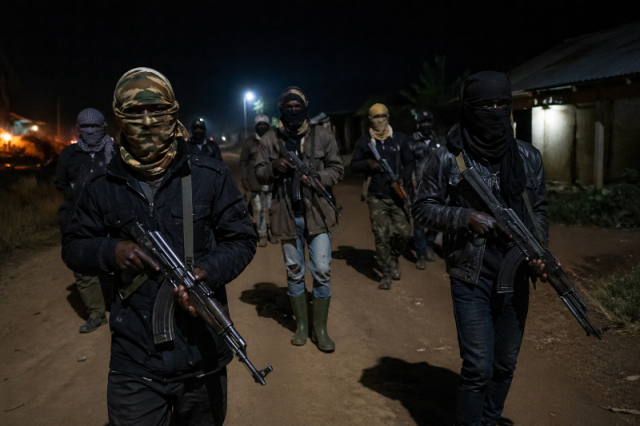
Islamic militants attacked a military base in northeastern Nigeria, killing soldiers in a pre-dawn assault that underscores the persistent threat posed by insurgent groups in the region.
According to the Nigerian military, troops stationed at a forward operating base in Mandaragirau, located in Borno State, came under attack early Friday during severe weather conditions. Army spokesman Haruna Sani said at least five soldiers were killed in the assault, which he attributed to “terrorists,” though he did not specify a group.
The military has previously linked similar attacks in the area to Boko Haram and its splinter faction, the Islamic State West Africa Province, both of which have waged a prolonged insurgency in Nigeria’s northeast.
Sani said troops repelled the attackers and inflicted casualties in a counteroffensive, describing the response as evidence of the military’s resilience. Reinforcements were deployed to secure the area following the attack.
However, local reports citing military sources suggested the death toll may be higher. Some accounts indicated that up to eight soldiers were killed when militants overran parts of the base along the Mandara Buratai Road, launching the assault around 4 a.m. amid heavy rainfall. Several others were reportedly injured.
The conflicting casualty figures highlight the difficulty of obtaining immediate, verified information from conflict zones where communication is limited and operations are ongoing.
The latest assault is part of a broader resurgence of attacks targeting military positions across Borno, the epicenter of Nigeria’s more than decade long insurgency. Fighters have increasingly exploited difficult terrain and weather conditions to launch surprise raids on isolated bases.
Nigeria’s northeast has endured years of violence that has killed thousands and displaced millions, according to the United Nations. Despite sustained counterinsurgency efforts, including joint operations with international partners, militant groups continue to carry out deadly attacks on both military and civilian targets.
Recent operations by Nigerian forces, including a joint effort with the United States that reportedly killed dozens of ISWAP fighters and commanders, have sought to weaken insurgent networks. But analysts say such gains are often followed by retaliatory strikes, as seen in the latest attack.
The assault on the Mandaragirau base reflects a familiar pattern in Nigeria’s insurgency: tactical victories by security forces followed by coordinated militant reprisals. Groups like Boko Haram and ISWAP have adapted their strategies over time, shifting toward high impact attacks on military installations to undermine morale and demonstrate continued relevance.
The use of poor weather as cover suggests a level of operational planning that allows militants to exploit vulnerabilities in surveillance and rapid response capabilities. It also raises concerns about the security of forward operating bases, many of which are located in remote and difficult to defend areas.
Beyond the immediate casualties, such attacks carry broader strategic implications. They challenge the narrative of progress in the fight against insurgency and can erode public confidence in the military’s ability to secure affected regions.
For Nigeria, the conflict remains a complex, multi front crisis involving insurgency, banditry and communal violence. Addressing it requires not only military action but also sustained investment in intelligence, local governance and economic stability in the northeast.
As investigations continue and the military assesses the full impact of the attack, the incident serves as a stark reminder that, despite years of operations, the insurgency in Borno and surrounding areas remains far from over.
Several people were wounded in a shooting near a community festival in Toledo on Saturday, prompting a large-scale police response and an urgent search for those responsible.
Officers with the Toledo Police Department were dispatched shortly after 5:30 p.m. to reports of gunfire near the intersection of Delaware and Glenwood avenues, close to the popular Old West End Festival. When they arrived, authorities found multiple victims suffering from gunshot wounds.
Police said several of the injured were taken to nearby hospitals for treatment, though officials have not released the number of victims or the extent of their injuries. Identities and ages of those affected were also not immediately disclosed.
Authorities said the situation remains under active investigation, with officers searching for suspects and working to determine what led to the shooting. No arrests had been announced as of Saturday evening.
Witnesses cited by Toledo based outlet WTOL described hearing a burst of gunfire followed by panic as festival goers fled the area. One vendor said they saw multiple people lying on the ground in the immediate aftermath.
Emergency crews from multiple agencies, including local sheriff units, state patrol officers and fire and rescue teams, responded to the scene. Police shut down nearby roads, including parts of Detroit Avenue, as they secured the area and began collecting evidence.
Residents and visitors were urged to avoid the neighborhood as officers maintained a heavy presence.
The Old West End Festival, a two day event held annually in one of Toledo’s historic districts, typically draws large crowds for live music, food vendors, home tours and local art displays.
The shooting adds to a troubling pattern of gun violence occurring at or near public gatherings across the United States, where large crowds and open access can create vulnerabilities despite security planning. Events like the Old West End Festival are designed to foster community engagement, yet incidents like this can quickly transform them into scenes of chaos.
One key challenge for law enforcement in such settings is response speed and crowd control. The rapid arrival of multiple agencies in Toledo likely helped prevent further harm, but the absence of immediate suspect information highlights how difficult it can be to contain and investigate shootings in densely populated, fast moving environments.
The broader implication extends beyond Toledo. Public festivals, concerts and street events have increasingly become focal points in discussions about urban safety, emergency preparedness and policing strategies. Local governments are under growing pressure to balance accessibility with enhanced security measures, including surveillance, controlled entry points and visible policing.
As investigators work to establish a motive and identify those responsible, the incident is likely to renew calls for both immediate accountability and longer term strategies aimed at reducing gun related violence in public spaces.
The United States military said it intercepted Iranian missiles and drones launched toward Gulf allies and key maritime routes before striking Tehran’s coastal surveillance sites, marking another sharp escalation in a conflict that continues to defy diplomatic efforts.
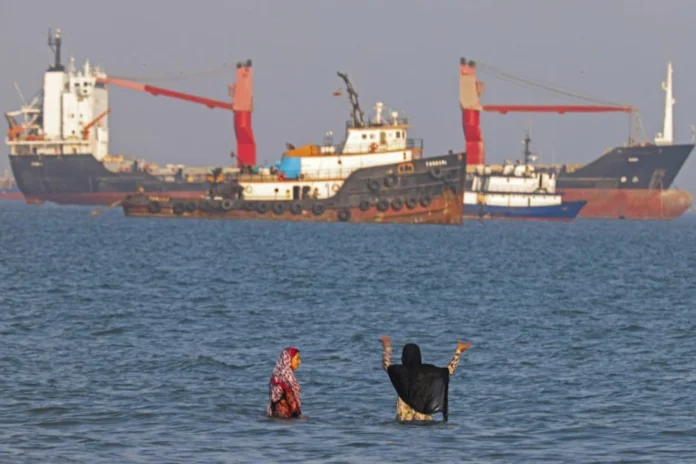
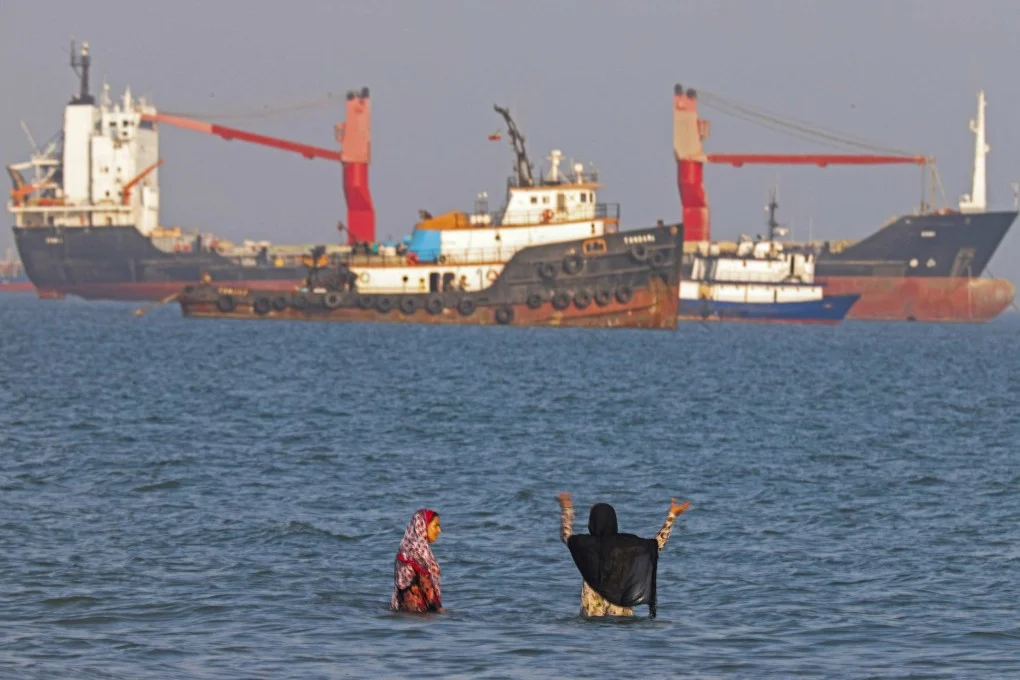
According to United States Central Command, U.S. forces shot down four Iranian drones heading toward the Strait of Hormuz, a vital corridor for global oil shipments. The military assessed the drones as a direct threat to commercial shipping in the region.
In response, U.S. forces targeted Iranian radar and monitoring installations located along the coastline, including sites on Qeshm Island, aiming to disrupt what officials described as Tehran’s ability to coordinate further attacks.
The exchange widened hours later when Iran fired ballistic missiles toward Kuwait and Bahrain, both of which host U.S. military facilities. U.S. officials said six of the missiles were intercepted, while another failed to reach its intended target. There were no immediate reports of casualties among American personnel.
Iran’s Revolutionary Guard asserted that the strikes were aimed at U.S. bases in both countries and described them as retaliation for earlier American operations. Regional governments moved quickly to activate defense systems. Kuwait’s military reported intercepting incoming projectiles, while Bahrain sounded air raid sirens and urged residents to seek shelter.
The flare up comes as the administration of Donald Trump presses for a negotiated settlement to end the conflict, now entering its third month. Despite intermittent talks, including proposals for a temporary extension of a ceasefire, both sides have continued to exchange fire, underscoring the fragility of any diplomatic progress.
Trump has maintained that the United States retains overwhelming military capability, noting in a recent interview that Iran’s missile stockpile has been significantly reduced but remains a concern. He also signaled that Washington still prefers a negotiated outcome, even as military operations continue.
The conflict has already disrupted shipping through the Strait of Hormuz, through which roughly one fifth of the world’s oil supply once passed before hostilities intensified. Energy markets have reacted with volatility, and international agencies warn that prolonged instability could ripple through global supply chains.
Separate developments across the region have added to the strain. Fighting linked to Iran’s regional allies has continued in parts of the Middle East, complicating U.S. efforts to isolate the conflict and secure a broader agreement.
The latest exchange highlights a pattern that has defined the U.S. Iran confrontation in recent months: tactical military actions running parallel to stalled diplomacy. By intercepting drones near a critical shipping lane and striking radar sites, Washington is signaling both defensive intent and a willingness to degrade Iran’s operational reach.
For Tehran, missile launches toward Gulf states serve a dual purpose. They demonstrate capacity to threaten U.S. assets and regional infrastructure while reinforcing its leverage in ongoing negotiations. The targeting of maritime routes also underscores Iran’s long standing strategy of using the Strait of Hormuz as a pressure point in times of conflict.
The broader implication is a conflict caught in a strategic loop. Neither side appears ready to escalate into full scale war, yet both continue calibrated strikes that keep tensions elevated. This dynamic complicates diplomacy, as each new exchange hardens positions and reduces political space for compromise.
For global markets and regional allies, the stakes remain high. Even limited disruptions in the Strait of Hormuz can trigger outsized economic consequences, particularly in energy dependent economies. As a result, the conflict is no longer confined to bilateral tensions but has become a central factor in global economic stability.
Unless a framework emerges that addresses both security concerns and economic pressures, the cycle of retaliation and negotiation is likely to persist, with the risk of miscalculation growing with each new incident.
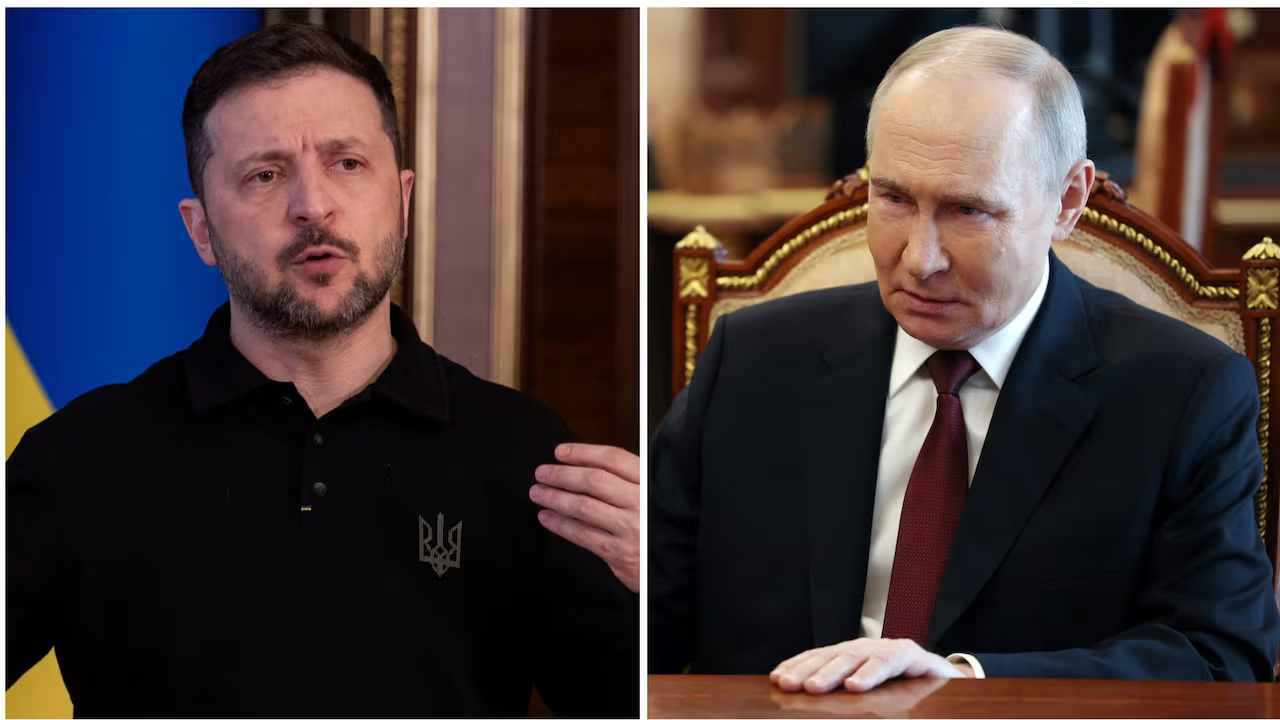
Russian President Vladimir Putin on Friday dismissed a proposal by Ukrainian leader Volodymyr Zelenskyy for a face to face meeting to discuss ending the war in Ukraine, saying he sees no value in such talks under current conditions.
Speaking during a question session at the St. Petersburg International Economic Forum, Putin described Zelenskyy’s recent public letter inviting direct dialogue as inappropriate and counterproductive. He questioned whether the message was intended to encourage negotiations or to make meaningful engagement impossible.
Putin indicated that informal channels had already conveyed Kyiv’s interest in a meeting, noting that a Russian businessman recently traveled to Ukraine to relay the proposal. Still, he said recent hostilities, including a drone strike in the Luhansk region that Moscow says caused multiple casualties, have further diminished prospects for direct talks.
The Kremlin leader reiterated that Moscow is not interested in a temporary ceasefire, arguing instead for a broader settlement that reflects earlier discussions with Donald Trump during talks in Alaska. Putin maintained that any agreement would require Ukraine to accept those terms, which Kyiv has repeatedly resisted.
Zelenskyy’s letter, published Thursday, marked his first public appeal directly addressed to Putin since Russia launched its full scale invasion in 2022. In it, he combined calls for renewed diplomacy with criticism of Putin’s decades in power, a tone that appeared to further strain already limited prospects for engagement.
In Washington, Trump signaled support for dialogue, saying a meeting between the two leaders would be beneficial. However, months of U.S. backed diplomatic efforts have yielded little progress, with both sides maintaining entrenched positions on territory, security guarantees, and ceasefire conditions.
Putin also used the forum to address broader geopolitical issues, criticizing Western sanctions and arguing they have weakened trust in global financial systems. He portrayed Russia as adapting to a shifting global order, emphasizing closer ties with non Western partners and advocating for a more multipolar world structure.
On Iran, Putin said Moscow remains in contact with multiple parties and expressed cautious optimism about a negotiated outcome, while rejecting claims that Russia has supplied Tehran with military support related to recent regional tensions.
Putin’s rejection of a direct meeting underscores the widening gap between symbolic diplomacy and practical negotiation in the Ukraine conflict. While Zelenskyy’s outreach may have been designed to signal openness to talks, particularly to Western allies, Moscow’s response suggests that conditions for meaningful engagement remain far from alignment.
The timing of the exchange is significant. Ukraine has sought to demonstrate resilience through continued strikes and diplomatic messaging, while Russia has leaned into long term positioning, both militarily and economically. By dismissing a meeting outright, Putin reinforces a strategy that prioritizes leverage on the battlefield over concessions at the negotiating table.
The reference to earlier discussions with Trump also highlights a competing framework for peace that bypasses Kyiv’s current stance. This creates a layered diplomatic landscape in which U.S. influence, Ukrainian sovereignty concerns, and Russian strategic goals intersect but rarely converge.
More broadly, the episode reflects a conflict entering a protracted phase, where public gestures such as letters and meeting offers carry political messaging value but do little to shift core realities on the ground. Until both sides see tangible incentives to compromise, direct leader level talks are likely to remain unlikely, even as international pressure for a resolution grows.
Armed attackers raided a rural community in southwestern Nigeria early Friday, destroying homes and abducting a nine year old boy in a late night assault that forced residents to flee into surrounding areas, authorities and local accounts indicated.
The attack unfolded around 1:30 a.m. in Ugbosi Quarters, Idogun, in Ondo State’s Ose Local Government Area. Witnesses said gunmen fired repeatedly into the air as they moved through the neighborhood, triggering panic among villagers who ran into nearby bushes and neighboring communities for safety.
During the raid, the assailants targeted the residence of a local pastor, Isaac Olaosebikan, whose young son, identified as Victor, was taken. The cleric escaped into nearby forested areas as the attackers forced their way into the home, officials said.
Police in Ondo State confirmed that a search operation is underway to locate the child and track down those responsible. Spokesman Olayinka Ayanlade said officers, working alongside regional security personnel, began combing forests and possible escape routes shortly after receiving distress reports from residents, including the victim’s father and another community member whose home was also damaged.
Authorities indicated that at least two houses were vandalized during the attack as gunmen attempted to gain access to occupants. Evidence was recovered at the scene, and investigators have begun examining the circumstances surrounding the raid.
A statement from the police command noted that the commissioner, Felix Ohagwu, had ordered tactical and intelligence units to intensify efforts aimed at securing the boy’s safe return and apprehending the suspects.
Local media accounts, including coverage by Premium Times and Punch Nigeria, described widespread fear in the aftermath of the assault, with many residents spending the night outside the community amid concerns about a possible return by the attackers.
Separate reports from Punch Nigeria detailed how the gunmen appeared to have entered the area around 1 a.m., shooting sporadically before abducting the child and fleeing to an unknown location. Community sources cited by the publication said the attack left villagers disoriented as they scrambled to escape the violence.
The Idogun attack reflects a troubling spread of organized criminal violence beyond Nigeria’s traditional northern hotspots into parts of the southwest that were once considered relatively stable. While states such as Zamfara and Kaduna have long grappled with mass abductions and ransom driven raids, incidents like this suggest evolving patterns in both geography and tactics.
Kidnapping for ransom has become a lucrative enterprise for armed groups, particularly in rural communities where security presence is limited and response times can be slow. The targeting of a pastor’s family also underscores how attackers often focus on individuals perceived to have community standing or potential access to financial support networks.
The involvement of regional security outfits alongside police signals a growing reliance on localized defense structures, yet recurring incidents raise questions about coordination, intelligence gathering, and long term deterrence.
For residents, the immediate concern remains safety and the fate of the abducted child. For policymakers, the broader implication is clear: without sustained and coordinated security reforms, the pattern of night raids, abductions, and community displacement is likely to persist and expand into new regions.
Angelina Jolie celebrated her 51st birthday with several of her children at her side this week, marking the occasion in Los Angeles as shifting family dynamics again drew public attention.
The Oscar winning actor stepped out in a relaxed outfit alongside her sons Knox, 17, and Pax, 22, as they prepared for a low key birthday gathering. The family outing comes shortly after her eldest son, Maddox Jolie, formally removed the surname of his father, Brad Pitt, from his legal name.
Maddox, 24, recently changed his name to Maddox Chivan Jolie, citing personal reasons. He had already begun using the name professionally earlier this year, appearing in film credits without the Pitt surname. His decision reflects a broader pattern among Jolie’s children, several of whom have distanced themselves from their father’s last name in recent years.
During the birthday outing, Knox drew attention with newly dyed hair, while Pax remained close to his mother as they handled errands ahead of the celebration. The gathering followed a recent family appearance at Zahara’s college graduation in Atlanta, where Pitt was notably absent.
Jolie and Pitt, who were married from 2014 to 2019, have remained estranged since their separation in 2016. The divorce, finalized in late 2024, followed years of legal disputes and public allegations. Jolie has accused Pitt of abusive behavior toward her and their children, claims he has denied.
Several of their children have since taken steps to drop the Pitt surname. Shiloh legally changed her name after turning 18, while Zahara and Vivienne have used Jolie in public settings and professional credits.
Pitt has spoken in recent months about the importance of family, acknowledging the challenges in his relationships with some of his children. In an interview at a film premiere in Mexico City, he described family as central to his life, though he suggested that not all relationships may be repairable.
The developments surrounding Jolie’s birthday highlight a deeply personal family shift that has unfolded largely in public view. While celebrity family disputes are not uncommon, the consistency with which multiple children have chosen to distance themselves from Pitt’s name suggests a lasting fracture rather than a temporary disagreement.
From a cultural standpoint, the decision by adult children to redefine their identity independent of a famous parent carries weight beyond celebrity headlines. It reflects a broader trend of autonomy and personal agency, particularly among young adults raised in high profile environments.
For Jolie, the public presence of her children during personal milestones reinforces a narrative of unity on her side of the family. For Pitt, the continued estrangement underscores the long term impact of unresolved legal and personal conflicts, even after formal divorce proceedings conclude.
As both actors continue their professional careers, their family story remains intertwined with their public image, illustrating how personal lives in Hollywood often carry lasting professional and reputational implications.
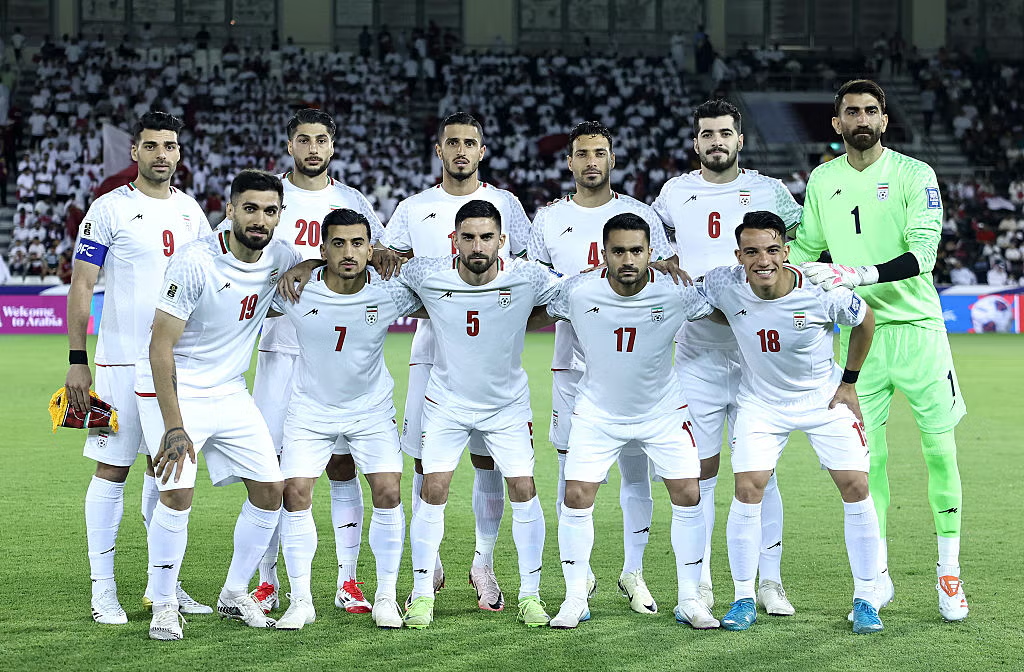
Iran’s national soccer team has received approval to enter the United States for the World Cup, a White House official confirmed Friday, resolving days of uncertainty just ahead of the team’s opening match in Los Angeles.
The decision clears the way for Iran’s players to participate in the tournament despite escalating tensions between Washington and Tehran. The approval came overnight after earlier indications from Iran’s ambassador to Mexico suggested the visas had not yet been issued.
Abolfazl Pasandideh had indicated that the team was still awaiting travel clearance as late as Thursday, but U.S. authorities moved to finalize the process in time for the competition.
Iran is scheduled to face New Zealand on June 15 in Los Angeles, with additional group stage matches against Belgium and Egypt set to follow in Seattle.
While players have secured entry, some uncertainty remains around support staff. Iranian media outlets indicated that visas for portions of the technical and administrative delegation had not yet been granted, though U.S. officials have not publicly addressed those claims.
The visa process unfolded against a backdrop of diplomatic strain and military confrontation between the two countries, raising questions about whether Iran would be able to compete on U.S. soil. The situation prompted Iranian officials to relocate the team’s base from Arizona to Tijuana, Mexico, in an effort to limit time spent inside the United States.
U.S. Secretary of State Marco Rubio had earlier told lawmakers that individuals linked to Iran’s Revolutionary Guard would not be permitted entry as part of the delegation, a restriction that could affect players who completed mandatory service tied to the military organization.
Despite those concerns, U.S. officials have not formally opposed the team’s presence for the tournament.
Iran’s participation marks an unprecedented moment in World Cup history, as it is the first time since the competition began in 1930 that a host nation will stage matches involving a country it is actively in conflict with.
Speaking in Mexico City, Pasandideh framed Iran’s participation as a signal of openness, suggesting that competing even in a rival nation reflects a willingness to pursue stability.
The visa approval highlights the complex intersection of global sports and international politics. While the World Cup is designed as a unifying event, it increasingly serves as a stage where geopolitical tensions play out in subtle but visible ways.
For the United States, allowing Iran’s team to compete reinforces its obligations as a host nation under international sporting agreements, even as broader diplomatic relations remain strained. Denying entry could have triggered backlash from global football authorities and undermined the tournament’s credibility.
For Iran, participation carries symbolic weight. Competing on American soil during a period of conflict offers a rare platform to project a softer national image, even as political tensions persist behind the scenes.
The partial visa uncertainty for staff also signals how security concerns continue to shape policy decisions, suggesting that while athletes may be granted access, broader engagement remains tightly controlled.
As the tournament approaches, the presence of Iran’s team in the United States is likely to draw heightened scrutiny, both on and off the field, reinforcing how deeply global events are now intertwined with international relations.
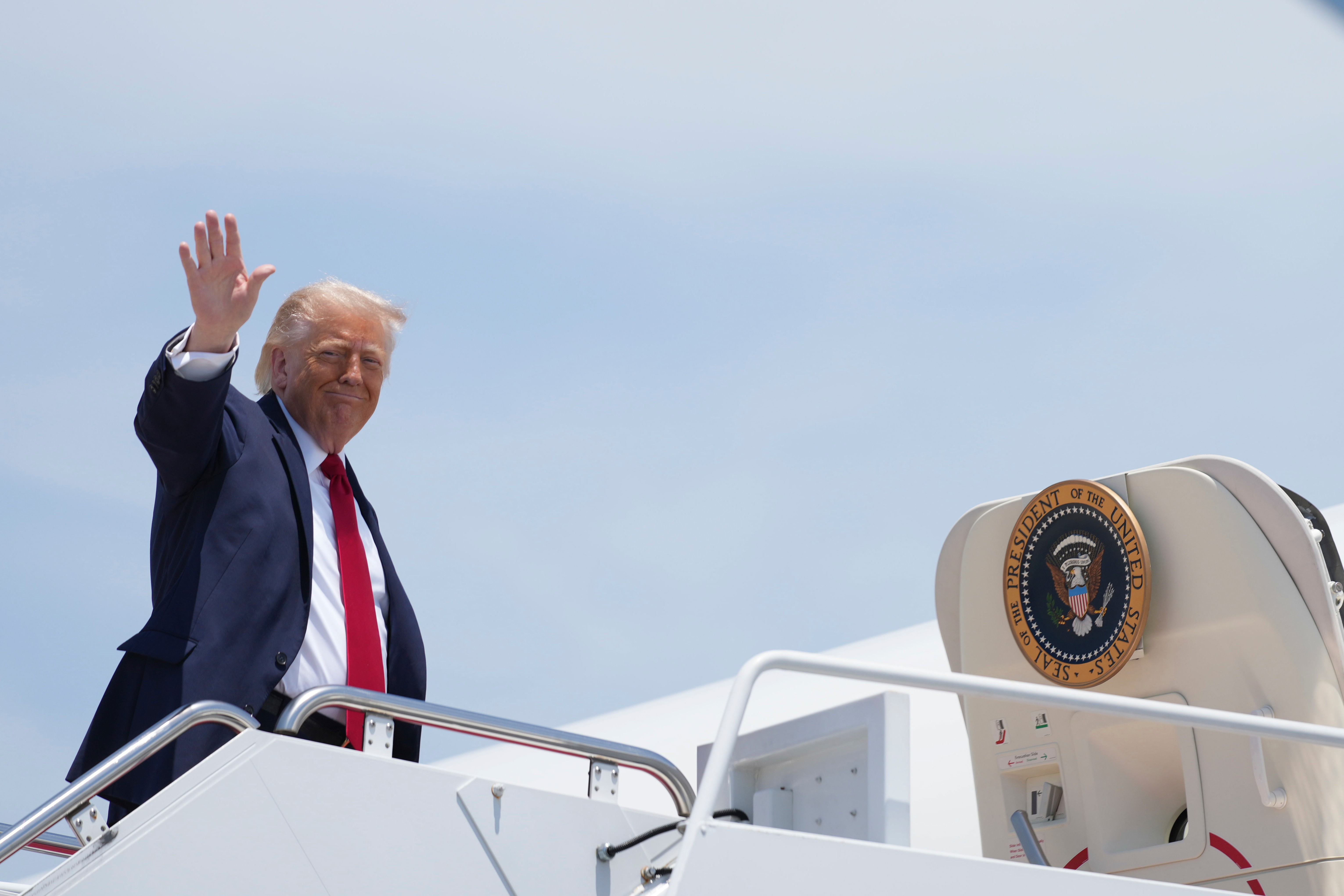
President Donald Trump waves as he boards Air Force One, Friday, June 5, 2026, at Joint Base Andrews, Md. (AP Photo/Mark Schiefelbein)
(AP/Reuters) — A federal judge has invalidated a key immigration policy introduced under President Donald Trump that affected applicants from 39 countries, delivering a sharp rebuke to the administration’s approach to immigration enforcement.
President Donald Trump waves as he boards Air Force One, Friday, June 5, 2026, at Joint Base Andrews, Md. (AP Photo/Mark Schiefelbein)
Chief U.S. District Judge John McConnell Jr. ruled that measures adopted by U.S. Citizenship and Immigration Services unlawfully stalled thousands of immigration applications, leaving individuals in prolonged uncertainty without legal justification.
In his decision, McConnell said the policy effectively placed immigrants from dozens of African, Asian, Latin American and Middle Eastern nations into what he described as “indeterminate legal limbo,” despite their compliance with established legal procedures.
The judge wrote that the agency acted beyond its authority, failed to provide adequate reasoning for its actions and relied on national security arguments that masked impermissible considerations tied to nationality. He concluded that the policy violated both immigration statutes and administrative law standards governing federal agencies.
The ruling stems from a lawsuit filed by a coalition of immigrant advocacy groups and labor organizations, including those represented by Democracy Forward. The plaintiffs challenged the government’s decision to halt or delay adjudication of applications for asylum, work permits, permanent residency and citizenship.
Skye Perryman, president of Democracy Forward, welcomed the ruling, saying it reinforces the principle that immigration pathways established by law cannot be arbitrarily restricted based on a person’s country of origin.
The contested policy was introduced after a deadly shooting involving National Guard members last year, which authorities linked to an Afghan national suspect. In response, the Trump administration expanded restrictions affecting individuals from 39 countries, citing security concerns and the need for stricter vetting.
Government lawyers had argued in court filings that Congress grants the executive branch broad discretion over immigration, including the authority to regulate entry and benefits. They maintained that the policy was necessary to ensure consistent and lawful decision making across cases.
However, McConnell rejected that argument, stating that the agency’s blanket suspension of application processing lacked a legal foundation and unfairly targeted individuals based solely on their nationality.
The decision applies broadly to pending cases handled by USCIS, potentially reopening thousands of delayed applications. Immigration attorneys say the ruling could compel the agency to resume processing for affected applicants, though an appeal by the administration remains possible.
The U.S. Department of Homeland Security, which oversees USCIS, had not issued an immediate response following the ruling.
The ruling marks a significant judicial check on executive authority in immigration policy, particularly as debates over national security and migration continue to shape federal actions. By emphasizing procedural fairness and statutory limits, the decision underscores the judiciary’s role in curbing policies that overreach administrative powers.
Beyond its legal implications, the case highlights the real world consequences of prolonged immigration delays. Applicants affected by the policy faced disruptions to employment, education and family stability, illustrating how administrative decisions can ripple across communities.
The outcome may also influence future immigration strategies under the Trump administration. Efforts to tighten entry rules are likely to face increased legal scrutiny, especially when they involve broad restrictions tied to nationality rather than individualized assessments.
At a broader level, the decision reinforces longstanding tensions between security driven immigration measures and the legal safeguards designed to ensure equal treatment under U.S. law.
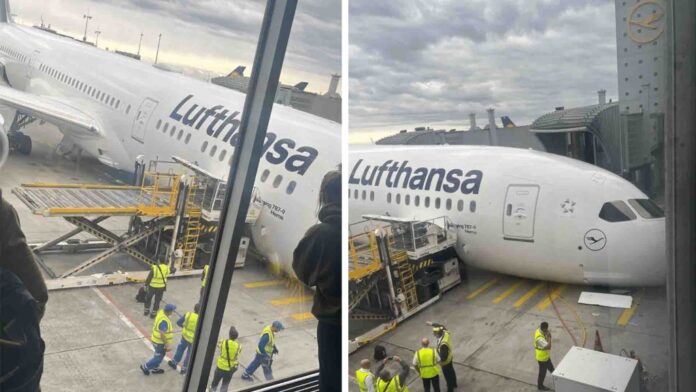
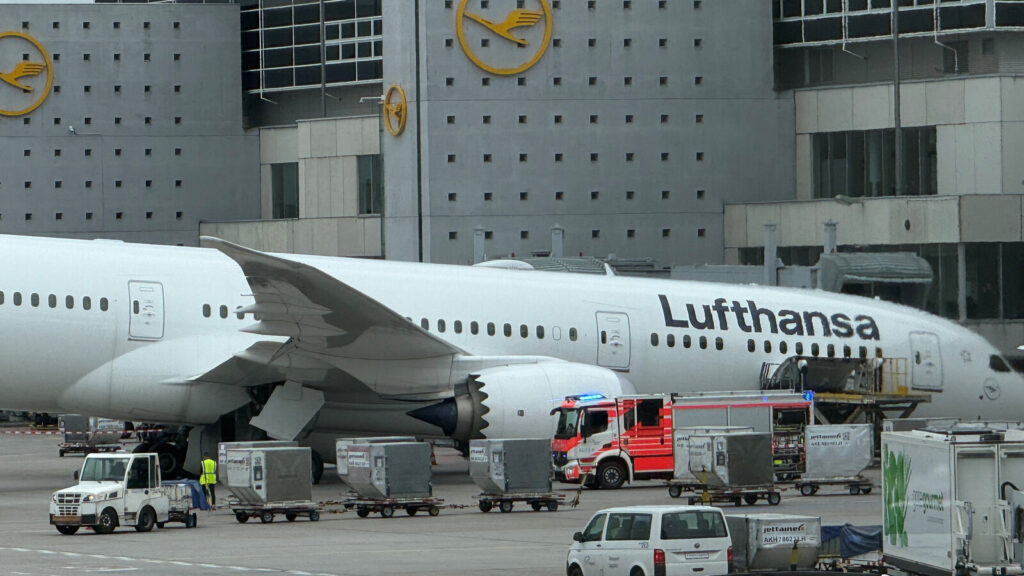
Several airline employees were injured Thursday after the nose landing gear of a Boeing 787 Dreamliner operated by Lufthansa collapsed while the aircraft was parked at a gate at Frankfurt Airport.
Airport authorities activated emergency protocols and dispatched all available response units after the incident involving the stationary aircraft. Officials indicated that the collapse occurred before passengers boarded, limiting the number of people exposed to risk.
Lufthansa confirmed that several crew members and ground staff sustained injuries and were receiving treatment. Images from the scene showed the front section of the aircraft lowered onto the tarmac, surrounded by emergency vehicles.
Flight tracking data reviewed by Reuters and The Associated Press showed the aircraft had been scheduled to depart for Los Angeles later in the day. The jet, approximately one year old, is part of Lufthansa’s newer long haul fleet.
The airline said it is working with aviation regulators to determine the cause of the landing gear failure. Authorities have not yet indicated whether the incident stemmed from mechanical malfunction, maintenance issues or human error.
The Boeing 787 Dreamliner is widely used on international routes and is considered a modern aircraft designed for efficiency and long range travel. Lufthansa has been expanding its use of the model as it phases out older planes.
A similar ground incident involving a Dreamliner occurred in 2021 at London’s Heathrow Airport, when a British Airways aircraft experienced a nose gear malfunction that caused it to tip forward. Investigators later traced that case to incorrect placement of a locking pin in the landing gear system.
Ground incidents involving landing gear failure remain rare but carry significant operational and reputational consequences. Because the aircraft was stationary and not yet boarded, the Frankfurt episode avoided a more severe outcome, though it still raises concerns about inspection routines and equipment handling.
The incident is likely to draw close scrutiny from regulators, particularly given the aircraft’s relatively recent delivery. Investigators will examine maintenance records, pre flight checks and ground handling procedures to identify any gaps.
For airlines, such events highlight the importance of rigorous safety systems beyond in flight operations. For passengers, even minor incidents involving newer aircraft models can influence confidence in airline reliability.
As Lufthansa continues modernizing its fleet, the findings from this investigation could shape how quickly new aircraft are integrated and how maintenance protocols are reinforced across its operations.
Hezbollah rejected the latest ceasefire agreement between Israel and the Lebanese government on Thursday, with the group’s leader declaring the terms humiliating and vowing to continue fighting until Israeli forces leave Lebanese soil, while Israeli strikes killed at least four people in Lebanon and 10 more in Gaza as the violence persisted on multiple fronts regardless of what diplomats announced.
Hezbollah leader Naim Kassem, in a written statement read on television, characterized the negotiations as “absurd, humiliating and insulting” and said any demand that Hezbollah fighters withdraw from southern Lebanon under fire was equivalent to “surrender, defeat and achieving the enemy’s goals.”
“What we are concerned about is an end to the aggression, ceasefire and Israel’s withdrawal,” Kassem said. “So long as our villages are not safe and are being bombed and destroyed and our people are killed,” northern Israel “will not be safe.”
The statement arrived hours after Lebanese President Joseph Aoun described the same agreement as “the last chance to enter a final and comprehensive ceasefire” and said Lebanon was ready to implement the deal once it received responses from relevant factions, including Hezbollah. Aoun told journalists that the United States and Trump himself would determine how and when any deal takes effect.
The agreement, brokered through U.S.-mediated talks between Israel and the Lebanese government, calls for Lebanese armed forces to take control of security zones in southern Lebanon from which Hezbollah fighters would be excluded. It designates Hezbollah as an enemy of Israel, the United States, and Lebanon, and calls for the group’s dismantling. Lebanon’s government has made similar commitments before and does not have the military capability to disarm Hezbollah by force.
Strikes While Talks Proceeded
The diplomacy unfolded against a backdrop of sustained killing. A Serbian United Nations peacekeeper was killed and two others were wounded when a mortar struck their position near Marjayoun, a southern Lebanese town that has seen heavy fighting in recent days, the U.N. mission in Lebanon known as UNIFIL confirmed, as did the Serbian Defense Ministry. Israel blamed Hezbollah for the fire that killed the peacekeeper without presenting evidence. Hezbollah and UNIFIL did not immediately say who fired the shells.
An Israeli military captain, 21 years old, was killed in southern Lebanon in combat Thursday. Lebanese state media reported a drone strike killed a motorcyclist and wounded four people in the village of Maaroub. The Israeli military said its forces killed an armed militant and later located a Hezbollah weapons cache containing guns, grenades, surface-to-air missiles, and other combat gear in the same area. Israeli forces also conducted strikes near the coastal city of Tyre and around the village of Shaqra. Three people were killed and others were wounded in a strike on the village of Sohmor in eastern Lebanon’s Bekaa Valley, Lebanese state media said.
Shortly after Kassem’s rejection statement, drone alert sirens sounded in several border communities in northern Israel, including the town of Shlomi, where Prime Minister Benjamin Netanyahu had been meeting with local officials minutes earlier. Netanyahu had left before the alerts sounded, his office confirmed. The Israeli military said the sirens were triggered by drone intercept attempts near soldiers in southern Lebanon and that no injuries were reported.
In what amounted to the first Israeli troop withdrawal from any area since the latest Lebanon war began three months ago, Israeli forces left the southern village of Dibbine Thursday afternoon. Lebanese troops began moving into the area in coordination with UNIFIL peacekeepers shortly after, state media reported.
Gaza: Killing Continues Under the Ceasefire
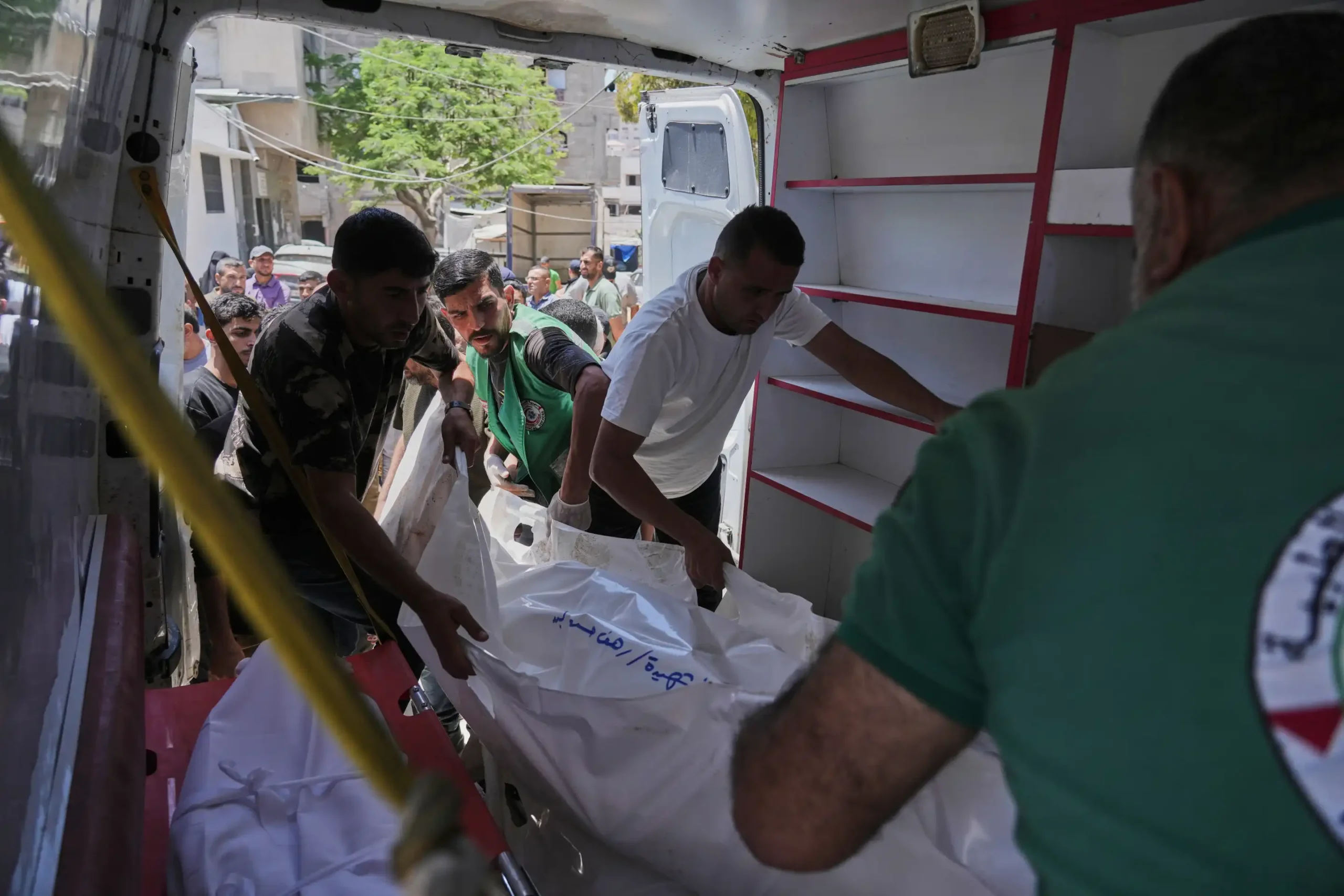
While Lebanon dominated international attention, Israeli strikes in Gaza killed at least 10 Palestinians on Thursday, hospitals confirmed.
Nine people died in at least four overnight strikes in Gaza City, according to Shifa Hospital, which received the bodies. Among the dead were two women and two children. A separate strike Thursday evening killed at least one person and wounded another, according to Saraya Field Hospital, operated by the Red Crescent.
Footage from one of the strikes showed a massive hole blown through an upper floor of what appeared to be a residential apartment building, with debris scattered across the rooms and onto the street below.
Walid Shbeir, the uncle of one of the men killed, mourned outside Shifa Hospital with other relatives and expressed the exhaustion that has settled over a population living through what was supposed to be a ceasefire.
“They say the war has stopped, but the war has not stopped,” Shbeir said. “Every night there is killing, and we have martyrs. Every night, in the morning, in the evening, and at night, this killing is continuous for us.”
The Israeli military said the overnight strikes in northern Gaza killed four Hamas militants it described as senior members of an apparatus responsible for protecting Hamas leadership and providing intelligence assessments. It said precise munitions and aerial surveillance were used to reduce civilian risk. The military did not immediately respond to a question about what the Thursday evening strike was targeting.
Since an October ceasefire took effect, Israeli forces have killed 936 Palestinians in Gaza, according to the territory’s Health Ministry, which is staffed by medical professionals and is generally considered reliable by United Nations agencies and independent experts. The ministry does not break down deaths between civilians and combatants. Four Israeli soldiers have been killed in Gaza during the same period.
Last week, Israel killed the top Hamas military leader, two weeks after strikes killed his predecessor. It was the fourth time since October 2023 that Israel killed the head of Hamas’s military wing.
Flotilla Activists Detained in Libya
Separately, at least 11 international activists who had been attempting to reach Gaza overland were being held in Libya after more than a week in detention, the Global Sumud Flotilla organization confirmed. A Tunisian national was arrested May 19 near the Libya-Tunisia border. Ten others were detained May 24 at a checkpoint near Sitre along the Libyan coast while trying to negotiate passage for their convoy. The activists come from Tunisia, Argentina, Portugal, Italy, the United States, Uruguay, Poland, and Spain.
Libyan authorities cited illegal entry and lack of permits. The Global Sumud organizers said all participants held valid visas and called the detentions unlawful and arbitrary. Their detention was extended by another 10 days Tuesday. The group’s maritime flotilla had been intercepted the previous month before reaching Gaza, and hundreds of its participants were deported through Israel and Greece.
More than 200 health workers and activists attempting a separate overland route to Gaza left Mauritania on May 15 and have been heading toward Egypt to enter through the Rafah crossing.
Trump, Netanyahu, and the War’s Wider Stakes
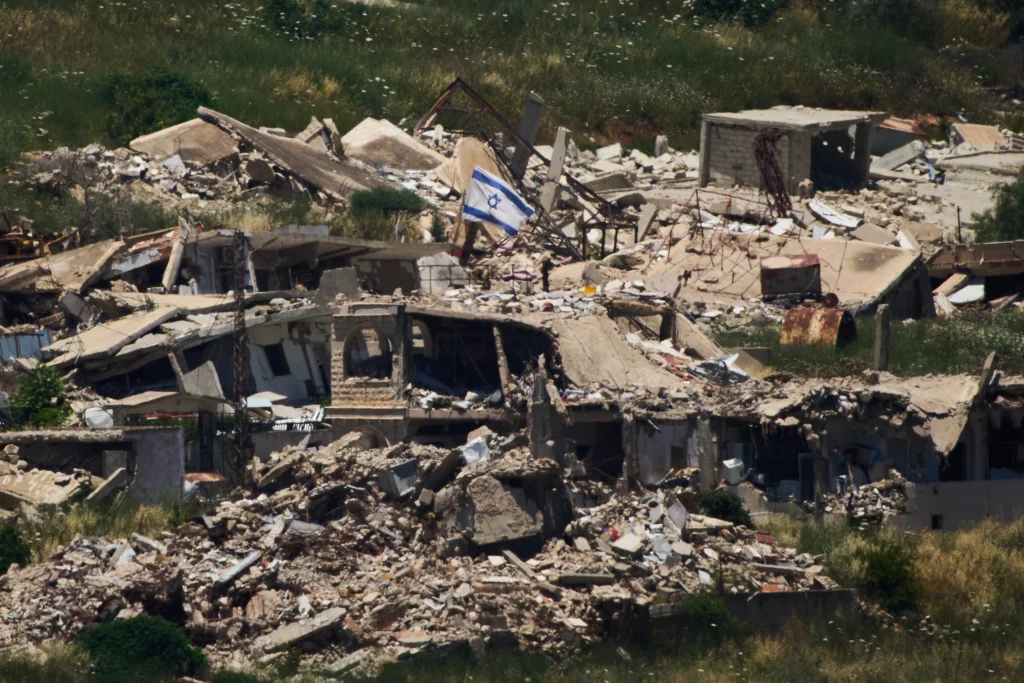
The fighting in Lebanon, where Israeli forces have now seized approximately a fifth of the country’s southern territory in their deepest incursion since the 1982 to 2000 occupation, is directly entangled with efforts to end the broader Iran war and reopen the Strait of Hormuz. Iran has insisted that any durable agreement with the United States must extend to Lebanon. Netanyahu, facing Israeli elections later this year, has said Israel will continue pressing its military campaign until Hezbollah no longer poses a threat.
Trump, addressing reporters, offered a description of the regional ceasefire environment that captured the gap between declared agreements and ground reality. In the Middle East, Trump said, “a ceasefire is when you’re shooting in a more moderate manner.”
Israeli military chief of staff Lt. Gen. Eyal Zamir acknowledged Thursday that the ongoing war was placing severe strain on northern Israeli communities living under continuous threat of Hezbollah fire. He said Israel’s operations in Iran and Lebanon had created “a new security reality” by degrading both adversaries “to an unprecedented degree.”
In the southern Lebanese city of Sidon, residents responded to Wednesday’s ceasefire announcement with the weary skepticism of a population that has been through this before.
“Every few days a ceasefire is announced, but people keep getting killed,” said Mayada Hijazi.
“It’s all talk and no action,” said Salah Nassab. “We keep going back to our homes, and then we get displaced again, back and forth. We’re very tired.”
More than 3,500 people have been killed in Lebanon since the latest conflict began. More than 1.2 million have been displaced. At least 28 Israeli soldiers and three civilians have been killed in the fighting.
The Architecture of Agreements That Do Not Hold
The sequence of declared and rejected ceasefires in Lebanon has now become its own feature of the conflict rather than a signal of its approaching end. Each new agreement is announced with diplomatic language about last chances and final opportunities. Each one meets either immediate rejection from Hezbollah or immediate violations on the ground, or both simultaneously. The pattern has repeated often enough that residents in Sidon can describe it from memory without prompting.
The structural problem is that the parties whose behavior determines whether a ceasefire holds are not fully aligned with the parties signing the agreements. The Lebanese government can agree to terms. It cannot compel Hezbollah to honor them. Israel can agree to halt strikes on Beirut. It has continued operations in southern Lebanon throughout every declared ceasefire, citing self-defense. Hezbollah can reject an agreement outright, as it did Thursday, and continue firing regardless of what Lebanon’s president has committed to in Washington-brokered talks.
Kassem’s rejection language Thursday was more pointed than the usual hedged communiques from Hezbollah. Calling the terms “absurd, humiliating and insulting” signals a leadership that is not merely expressing reservations but actively repudiating the negotiating framework itself. That language makes it harder for Hezbollah to quietly accept modified terms later without appearing to have capitulated after a public declaration of resistance.
What the rejection does not resolve is what Hezbollah does next. The group is fighting under conditions that its own chief of staff characterizes as unprecedented degradation. It has lost its top military commanders in rapid succession. Its weapons supplies from Iran have been disrupted by the broader war. Its ability to sustain the intensity of rocket fire it demonstrated in March has been visibly reduced. The question of whether continued rejection of any agreement is strategically sustainable for Hezbollah, or whether the group is playing a longer political game of maintaining its resistance identity while quietly accepting de facto limits on its activity, will shape the next phase of a war that shows no signs of ending on any terms currently being discussed.