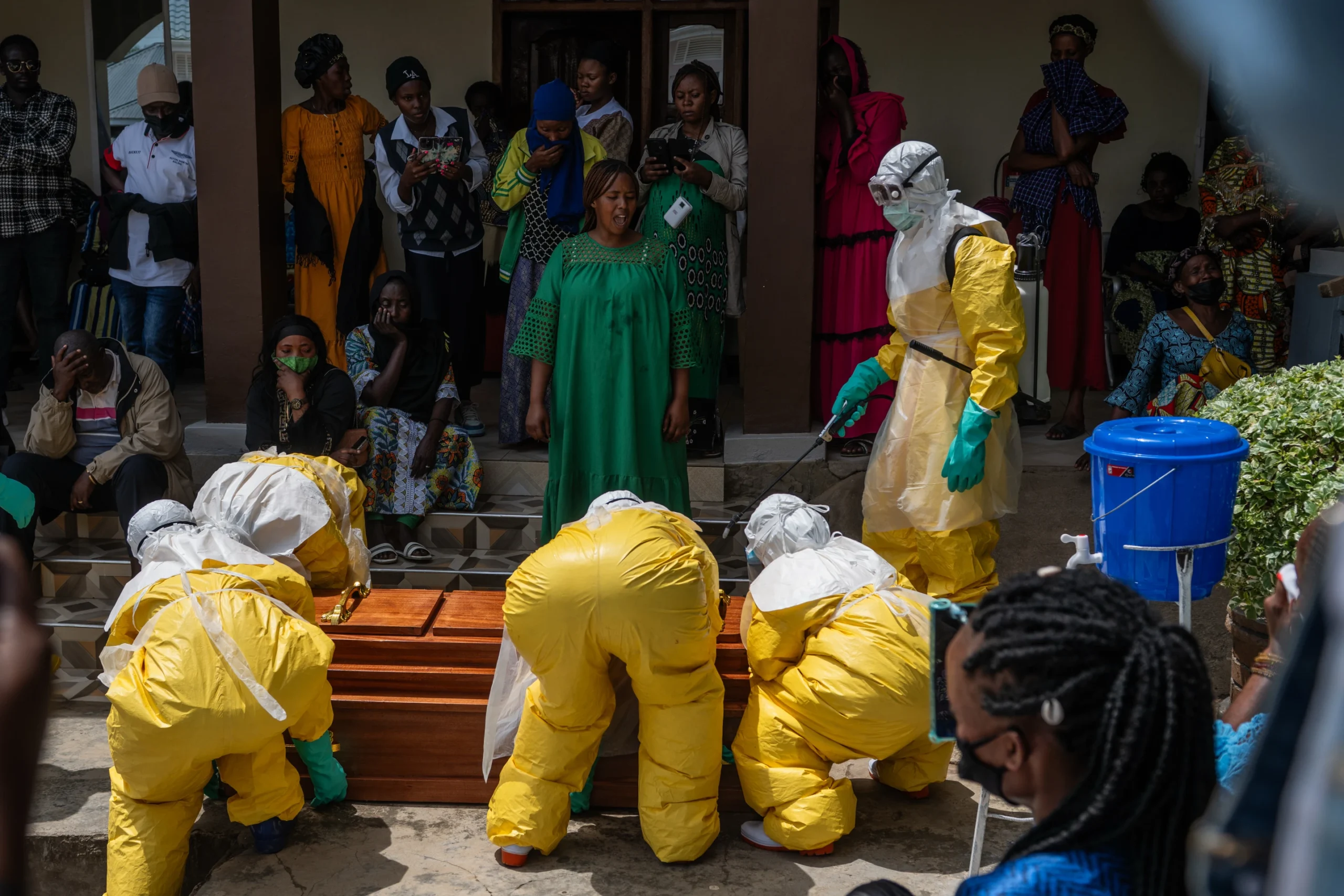
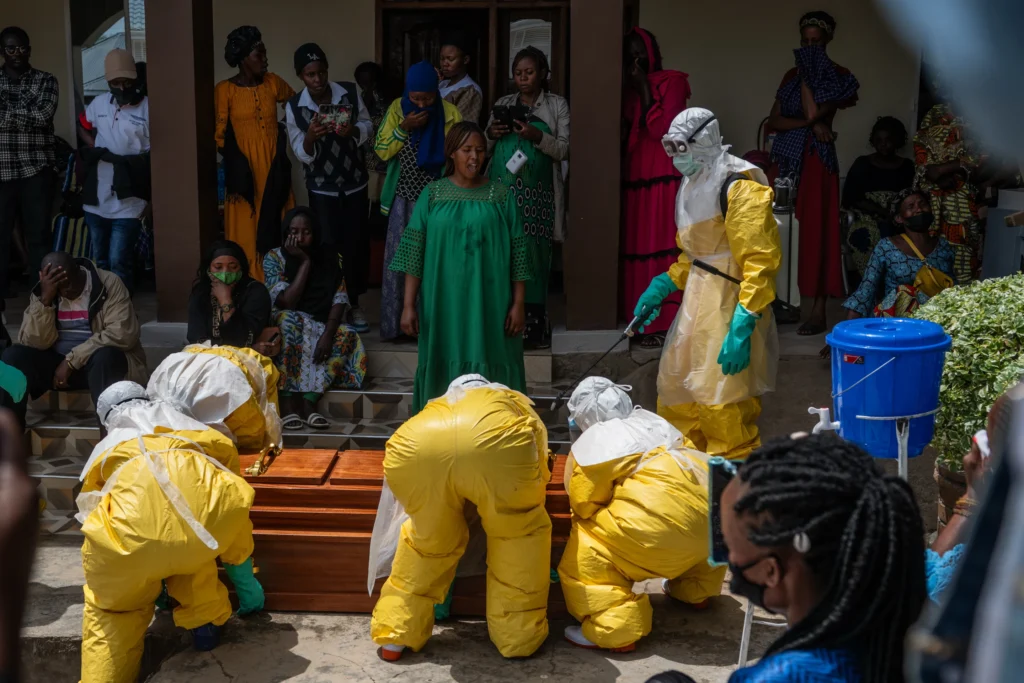
A court in Kenya has temporarily stopped a United States backed plan to establish an Ebola quarantine facility, following a legal challenge that raised concerns over public safety and constitutional rights.
The High Court in Nairobi issued the order late Thursday, barring authorities from admitting any individuals exposed to or infected with the virus under the proposed arrangement until the case is heard. Judge Patricia Nyaundi scheduled the next hearing for June 2.
The plan had outlined a 50 bed quarantine unit at a military installation in central Kenya, intended to house Americans who may have been exposed to Ebola while abroad but were not yet showing symptoms. US officials indicated the facility would be staffed by members of the Public Health Service and could begin operations within days.
Under the proposal, patients who later developed symptoms would be transferred to treatment centers outside the United States. The initiative followed a policy stance by President Donald Trump that Ebola cases would not be treated on US soil.
The project quickly triggered resistance from civil society groups, health professionals and sections of the public. The Katiba Institute, a legal advocacy organization, filed the lawsuit, arguing that the arrangement raised serious constitutional questions related to the right to health, public participation and government accountability.
The Kenya Law Society also challenged the proposal, warning that the country lacks the high containment infrastructure required to safely manage such a facility.
Medical workers signaled possible industrial action, with a national doctors union issuing a 48 hour ultimatum demanding full disclosure of the agreement. Union officials argued that Kenya should not assume risks that wealthier nations are unwilling to take on.
Public reaction has been equally strong, with many citizens questioning why potentially infected individuals would be brought into the country. Interviews cited by The Associated Press reflected widespread unease, with residents describing the plan as dangerous and poorly explained.
US officials, however, have defended the strategy, saying it would allow faster access to controlled monitoring while reducing the risk of domestic spread. The State Department pledged 13.5 million dollars to support Kenya’s Ebola preparedness efforts as part of the arrangement.
The outbreak prompting the plan has spread across parts of Democratic Republic of the Congo and neighboring Uganda. Data from the World Health Organization indicates more than 1000 suspected and confirmed cases and over 200 deaths since mid May, though health experts believe the true scale may be significantly higher due to delayed detection and ongoing conflict in affected regions.
Recent developments have also included cases involving international aid workers. One US citizen infected while working in Congo was transferred to Germany for treatment, alongside others who had been exposed.
The court’s intervention highlights a growing tension between global health cooperation and national sovereignty. While cross border strategies are often essential in managing infectious disease outbreaks, the Kenyan case shows how quickly such plans can become politically sensitive when local communities feel excluded from decision making.
The backlash also reflects a deeper issue of trust. Critics argue that relocating potentially exposed individuals to countries with fewer resources raises ethical concerns, particularly when those same risks are deemed unacceptable in more developed health systems.
For Kenya, the situation places the government in a delicate position. Accepting international assistance can strengthen preparedness, but public resistance may force officials to reconsider how such partnerships are structured and communicated.
At a broader level, the dispute underscores the challenges facing global health governance. As outbreaks become more complex and interconnected, balancing rapid response with transparency and local consent will remain a critical test for both governments and international partners.
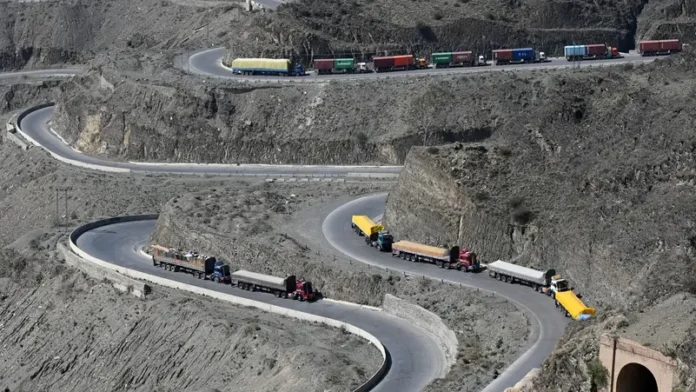
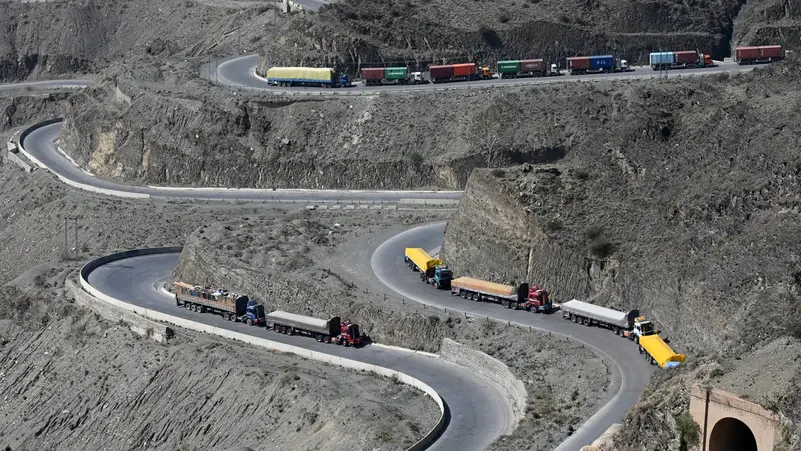
A truck transporting Afghan families returning from Pakistan overturned in eastern Afghanistan on Saturday, leaving at least 18 people dead, including children, and dozens injured, local officials said.
The crash occurred along a key highway linking the capital, Kabul, to the eastern city of Jalalabad, in Laghman Province. Abdul Malik Niazai, spokesperson for the provincial governor, said the victims included 10 children, five women and three men.
At least 29 others were hurt in the accident and were taken to nearby medical facilities for treatment, he added.
Accounts from The Associated Press and Agence France Presse indicate the vehicle was carrying families who had recently crossed back into Afghanistan amid increasing pressure on Afghan migrants living in Pakistan. Authorities there have intensified enforcement measures in recent months, prompting a surge of returns often involving entire households traveling with their belongings.
Figures from the United Nations High Commissioner for Refugees and the International Organization for Migration show that more than 447,000 Afghans have returned from Pakistan since the beginning of the year.
Zabihullah Mujahid, spokesperson for the Taliban administration, expressed condolences to the victims’ families and described the incident as a tragedy.
Traffic accidents remain frequent across Afghanistan, where road conditions are often poor after decades of conflict and enforcement of safety standards is limited. Overloaded vehicles and long distance travel under difficult conditions further increase the risks.
A previous major crash highlighted the dangers. Reporting by Al Arabiya noted that a bus collision in western Afghanistan last year involving returning migrants killed 78 people, including children.
The latest crash underscores the growing humanitarian strain linked to the mass return of Afghan migrants from neighboring countries. Many families are traveling under difficult conditions, often using overcrowded or poorly maintained vehicles, increasing the likelihood of deadly accidents.
The surge in returns is reshaping communities across Afghanistan, where infrastructure and public services remain fragile. Roads connecting major cities such as Kabul and Jalalabad are critical lifelines but are not designed to handle the sudden increase in heavy transport traffic.
Beyond immediate safety concerns, the trend points to broader regional tensions over migration. Pakistan’s tightening policies, combined with similar moves by Iran, have accelerated a reverse flow that Afghanistan is struggling to absorb. Many returnees face uncertain futures, limited economic opportunities and inadequate access to housing and healthcare.
Experts warn that without coordinated international support, the combination of mass displacement and weak infrastructure could lead to more tragedies, both on the roads and within already strained communities.
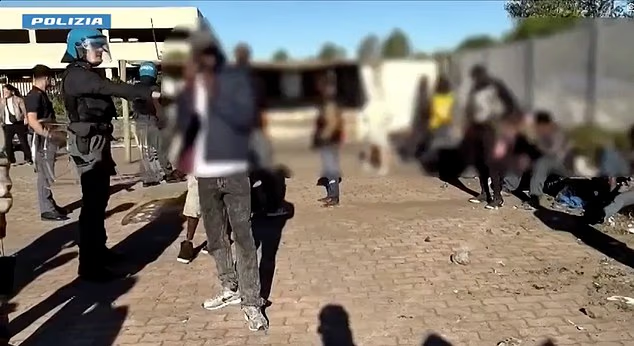
Italian authorities have arrested five men, including two Nigerians, in connection with the abduction and prolonged assault of a foreign tourist in the capital, police officials confirmed, in a case that has drawn national attention.
The victim, a 32 year old woman from Colombia, arrived in Rome earlier in May and was approached days later near the busy Termini station area after dining alone. Investigators say a man persuaded her to follow him under the pretense of offering cannabis before she was led to a vehicle and taken against her will to an abandoned structure on the eastern outskirts of the city.
Authorities say the woman was held for roughly 72 hours inside the building, where she endured repeated assaults, was given drugs, and faced threats to her life. She was also robbed of personal belongings, including her phone and wallet.
The ordeal came to light after the woman managed to escape and was found in distress along a roadside in the Tor Cervara area by a passing driver, who transported her to a nearby hospital. Medical staff identified signs of severe abuse and alerted law enforcement.
Investigators from a specialized police unit moved quickly to reconstruct the timeline and identify suspects. A coordinated operation involving multiple police divisions led to a raid on the building, where officers encountered several undocumented migrants.
Those taken into custody were identified as Saidykhan Lamin and Karamba Kanteh, both from Gambia; Harouna Traore of Mali; and two Nigerian nationals, Isibor Wisdom and Paul Nwabueze. They face charges of aggravated gang assault, with prosecutors citing the victim’s vulnerable condition.
Authorities indicated that additional individuals remain under investigation, including the person who initially approached the victim and the driver believed to have transported her to the site.
During the operation, officers identified 22 undocumented foreign nationals at the location. Eleven were later transferred to detention facilities pending immigration proceedings, officials said.
Accounts from British and Nigerian media outlets, including Daily Express and Punch Nigeria, aligned with police findings, noting that the suspects were apprehended within days of the incident following a swift investigation.
The case underscores ongoing concerns in parts of Europe about crime linked to vulnerable urban areas and unregulated housing sites, where oversight is limited and illegal occupancy can flourish. Abandoned buildings, particularly on city outskirts, have increasingly been flagged by local authorities as potential hotspots for criminal activity.
For Rome, a major global tourism hub, the incident raises fresh questions about visitor safety, especially for solo travelers. While violent crimes against tourists remain relatively rare, high profile cases can have an outsized impact on public perception and the tourism sector.
The speed of the police response may help restore some confidence, but the investigation’s expansion into additional suspects suggests a broader network could be involved. Authorities will likely face pressure to address not only the individuals accused but also the conditions that allowed such an operation to take place.
The case also highlights legal and humanitarian complexities surrounding undocumented migrants in Europe. While immigration status does not determine criminal behavior, the discovery of multiple undocumented individuals at the site has already fueled political debate over enforcement, housing, and integration policies.
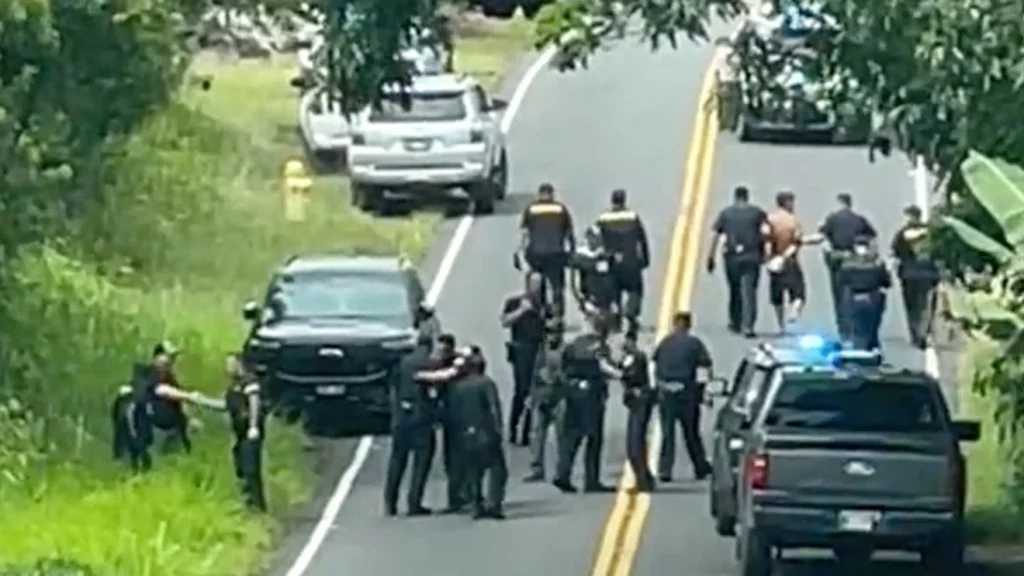
A three-day manhunt across the remote volcanic landscape of Hawaii’s Big Island ended Thursday when a citizen spotted a man crouching in a field as cars passed, leading police to a small cave where Jacob Daniel Baker, 36, was arrested without incident in connection with the killings of three elderly men whose bodies were found at separate locations over two days.
A tip from a community member proved decisive. Hawaii Police Chief Reed Mahuna credited the arrest directly to civilian vigilance. “It was a citizen who saw something, said something and helped bring this manhunt to a safe conclusion,” Mahuna said at a news conference Thursday afternoon.
Baker was taken into custody in the Kalapana area on the island’s eastern side. Officers found him concealed in a small cave after he had been seen hiding in a nearby grassy area and ducking down as traffic approached on the road above him. He was arrested on charges including second-degree murder, burglary, and theft.
The three victims were Robert Shine, 69, and John Carse, 69, both residents of Pahoa in the Puna district, and an unidentified 79-year-old man found near Shine’s residence whose name officials were withholding pending formal family notification. Their deaths were caused three different ways. Shine died of strangulation. The 79-year-old man appeared to have suffered blunt force trauma. Carse died from what an autopsy classified as sharp force trauma. No firearm was involved in any of the killings.
Three Bodies, Two Days, One Suspect
The sequence of discoveries began Monday evening when officers found Shine partially submerged in a cement pond at a residence off Railroad Avenue in Pahoa. Investigators were initially unsure whether they were dealing with a medical emergency or a crime. An autopsy removed that ambiguity.
The following afternoon, just after 12:30 p.m. Tuesday, officers found the 79-year-old man dead at a home on Papaya Farms Road, only 400 to 500 feet from where Shine had been found. That same evening, just before 10 p.m., officers responding to a welfare check at a property on Kalapana Kapoho Beach Road, roughly 19 miles from the other two scenes, found Carse dead.
Mahuna said investigators believe the 79-year-old man discovered second may actually have been the first to die, a detail that reflects the difficulty of establishing a precise timeline across multiple isolated rural locations. Police said no connection between the victims had been identified beyond the fact that two of them lived near each other.
Warnings That Were Not Acted On
The arrests arrived days after a sequence of warning signs that, in retrospect, outlined a picture of escalating threat. On May 22, three days before the first body was found, two women filed separate applications for temporary restraining orders against Baker in Hawaii court. One application was filed by the owner of Josanna’s Organic Garden, a tropical farm on Papaya Farms Road — the same road where one of the victims was later found — who alleged Baker had threatened her life, the life of a disabled man, and three others on the property. She wrote that Baker was entering the property uninvited, taking items, making threats, and expressing intent to squat.
“I don’t feel safe,” she wrote. “He will enter our property and take items. Threaten us. Says he wants to squat there.”
The second application was filed by a friend of the farm owner who said she had come to stay on the property and found the other women had left because of Baker’s behavior. “He’s been intimidating the owner of the farm and threatening to harm her,” she wrote. “EVERYONE LEFT BECAUSE THEY DON’T FEEL SAFE.”
Both petitions were denied Tuesday — the same day the second and third victims were discovered. A judge ruled there was insufficient evidence in the farm owner’s filing to establish probable cause for harassment under Hawaii law.
Critically, the Hawaii Police Department was not notified about the restraining order applications, a police spokesperson confirmed. Mahuna said the last verified police call involving Baker dated to March, and the department was still working to understand why the restraining order filings had been made and what preceded them.
Baker was known to the community and to police before the killings. Court records showed he had 20 prior cases over two decades, most of them traffic infractions, and he had typically represented himself in those proceedings.
What the Neighborhood Knew
Multiple residents described a man whose behavior had been unsettling to people around him for some time. Stephen Shaffer said Baker had lived on his former wife’s property in Puna, where she grows fruit, and climbed coconut trees there for several months before she sought a restraining order against him. Shaffer described Baker as seeming angry and said others in the area shared concerns about him.
Donald Hyatt, who knew two of the victims and Shaffer’s former wife, said Baker had eventually left the cabin he occupied on the property in a state of disorder, leaving trash both inside and out. He said Baker later returned claiming squatter’s rights and renewed threats, and that Hyatt had personally encouraged the woman to seek legal protection.
Priya Surrago, a Puna resident, told CBS affiliate KGMB that she had encountered Baker once when he was selling coconuts near the highway. “He just had a creepy vibe,” she said.
A Remote Community’s Fear and Relief
Puna, on the eastern side of the Big Island, is a largely rural and relatively affordable district that has seen population growth even as lava flows from Kilauea have periodically consumed entire neighborhoods. Unpaved roads make parts of it feel more isolated than its distance from Hilo suggests. Many residents live in modest or improvised housing.
Tiffany Edwards Hunt, a Puna resident, said the three days of the manhunt represented something the community had not experienced before. She described a population that, because of the area’s remoteness and relative poverty, had little institutional buffer between them and the threat that Baker represented while he was at large.
“In that remoteness, you have lawlessness,” Hunt said.
Surrago described a community where people live close enough to know each other but where physical security is limited. “A lot of people around here, we just live very close in community and not even everybody even has like locks on their doors,” she said.
Deborah Davis was driving home when she slowed down near one of the victims’ properties and saw a police officer chasing a man running down the road. She stopped. “I just stopped and I’m thinking, ‘This is it. This is the guy,'” Davis told CBS. The man ran into a grass driveway and into the brush. After shouting and movement in the undergrowth, officers emerged with a shirtless man in handcuffs. Officers exchanged high-fives and shouted a celebratory phrase common in Hawaii. “They were very happy,” Davis said. “And I was very grateful. I was thanking them with tears in my eyes.”
Aumrae McCarroll said he watched Baker being taken into custody and felt the tension break. “I just felt so much relief in my whole body,” he said. “The whole experience was too close for comfort.”
Robert Shine’s daughter, Anon Shine, learned of her father’s death while hosting a birthday gathering, after a neighbor called her with firsthand accounts of what had unfolded nearby. She described her father as a farmer dedicated to biodynamic and Korean natural farming methods, and as a person whose death left her family in a state of grief she was still processing.
“I’m just still really in shock and just going through different waves of emotion and disbelief and sadness, looking at old pictures and just remembering all the good times and just what a light of love he was to so many people,” Anon Shine told Hawaii News Now.
Hawaii County Mayor Kimo Alameda called the killings deeply impactful and said the arrest was “an important step forward towards justice and healing for everybody.”
Warnings, Denials, and a System That Did Not Connect
The restraining order filings that were denied two days before Baker’s arrest and were never communicated to police represent the most difficult element of this case for authorities to explain. Two women, in writing, told a court that a specific man had threatened lives on a property located on the same road where one of the three victims was subsequently found dead. Those filings went to a judge. The judge denied them. The police were never told they existed.
Whether notification of the filing, even without a granted order, would have changed what happened over the following days is impossible to determine. Law enforcement cannot act on denied court petitions. Officers cannot detain someone because a judge found insufficient evidence of harassment. The legal system’s thresholds for intervention exist for legitimate reasons.
What the sequence does illustrate is how the individual components of a community’s warning system, a farm owner’s fear, a court filing, a police record from months earlier, a neighbor’s observation that someone seemed angry, can each fall below the threshold that triggers a protective response while collectively pointing toward a person who would go on to kill three elderly men in two days.
Hawaii County Mayor Kimo Alameda said Thursday’s arrest was a step toward justice and healing. For the families of Robert Shine, John Carse, and the 79-year-old man still waiting to be officially named, the healing part is the longer road.
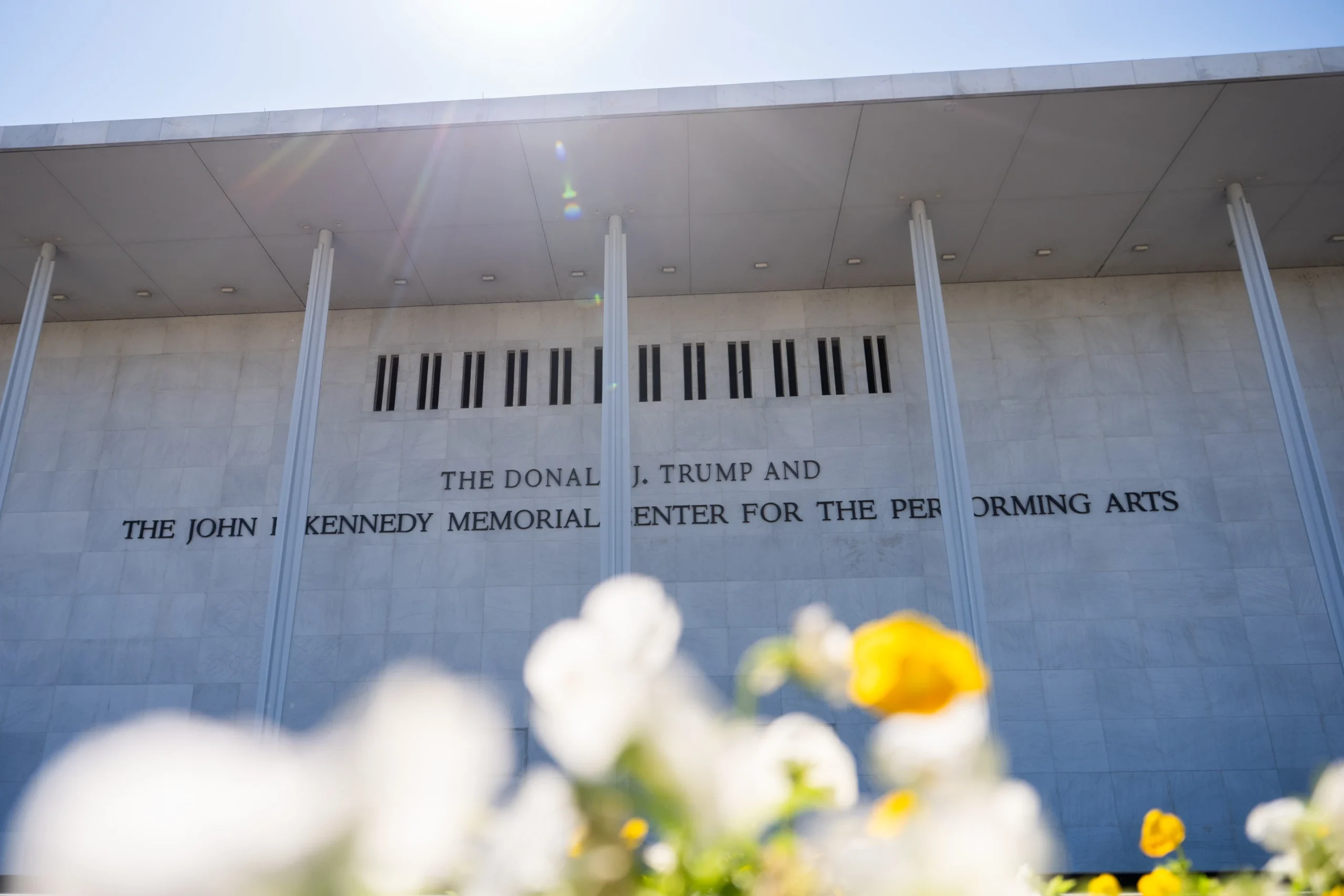
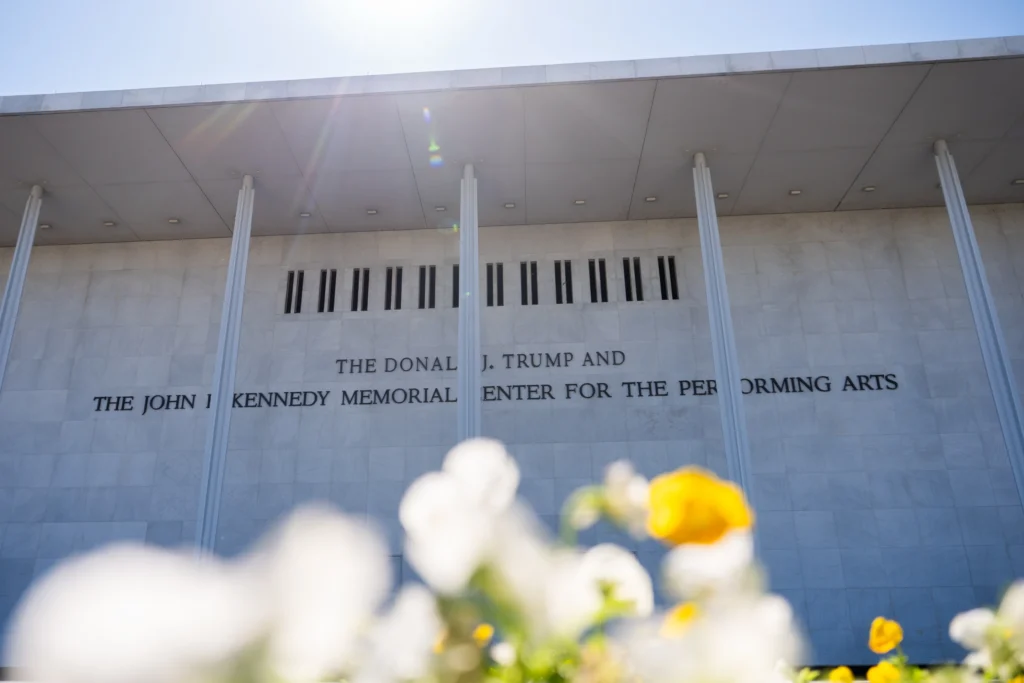
A federal judge has barred President Donald Trump from renaming the John F. Kennedy Center for the Performing Arts after himself and stopped efforts to shut down the landmark venue for a sweeping overhaul, ruling that the moves violated federal law.
U.S. District Judge Christopher Cooper said Congress made clear the cultural institution must retain the name of John F. Kennedy and cannot be altered by executive action or decisions made by a board aligned with the president.
“Congress gave the Kennedy Center its name, and only Congress can change it,” Cooper wrote in an injunction issued Friday, emphasizing that no individual can be formally memorialized on the building without legislative approval.
The decision also blocks the administration from forcing the center to close for an extended renovation project, though the ruling leaves room for independent action by the board if it conducts a broader and more balanced review of its obligations.
The judge found that the board’s earlier vote to close the facility was flawed and based on limited information, describing the process as failing to account for the institution’s full legal responsibilities and the impact on its cultural mission.
The case stems from a lawsuit filed by Joyce Beatty, an Ohio Democrat and member of the center’s board, who challenged the addition of Trump’s name to the building and the planned shutdown. She argued the effort amounted to an unlawful attempt to rebrand a national memorial.
Following the ruling, Beatty said the decision protects a public institution that belongs to the American people and preserves its intended purpose as a tribute to Kennedy.
Court filings show that officials at the center had defended the naming change by pointing to fundraising tied to Trump’s involvement. Executive director Charles Matthew Floca warned that removing the president’s name could disrupt financial support and threaten programming.
The judge did not block ongoing maintenance or repair work, acknowledging evidence that the facility requires upgrades. However, he made clear that any large scale closure must follow proper governance procedures rather than presidential direction.
President Donald Trump reacted sharply to the ruling, criticizing the court and indicating he may step back from the proposed renovation effort. In public remarks, he suggested that without authority to reshape the institution, he sees little reason to remain involved.
The John F. Kennedy Center for the Performing Arts has continued to host performances, though at a reduced pace amid uncertainty over its future. Federal officials and legal observers expect the administration to challenge the ruling, potentially setting up a broader legal battle over executive power and control of national cultural sites.
The ruling highlights a constitutional boundary that often surfaces in disputes over federal landmarks: the division of authority between Congress and the executive branch. By reinforcing that only lawmakers can rename a congressionally designated memorial, the court has drawn a clear line against unilateral changes tied to political leadership.
The case also reflects a broader pattern in President Donald Trump’s approach to reshaping Washington’s symbolic landscape. From proposed construction projects to aesthetic changes in federal spaces, the administration has sought to leave a visible imprint on national institutions. Legal resistance to those efforts suggests limits to how far executive authority can extend in altering historically protected sites.
For the Kennedy Center, the decision preserves its identity as both a performing arts hub and a living memorial. Any prolonged uncertainty, however, could affect donor confidence, programming schedules and long term planning. Cultural institutions rely heavily on stable governance, and legal disputes of this scale can ripple through funding and operations.
At a national level, the outcome may influence how future administrations approach federally designated landmarks. Courts could continue to serve as a check on attempts to reinterpret or rebrand public memorials without congressional approval, reinforcing the role of legislative authority in preserving historical legacy.
President Donald Trump spent roughly two hours in the White House Situation Room Friday meeting with his top national security advisers on a tentative agreement to extend the Iran ceasefire and reopen the Strait of Hormuz, but emerged without announcing a decision, leaving the fate of the fragile deal unclear as Iran’s chief negotiator warned his country gains concessions “through missiles, not talks.”
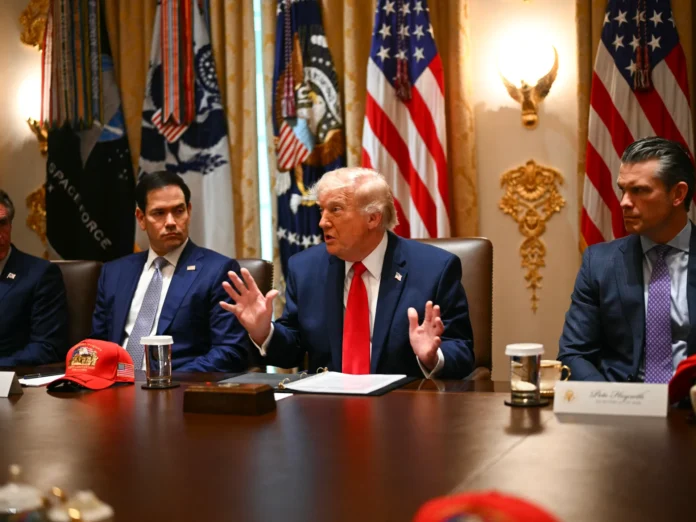
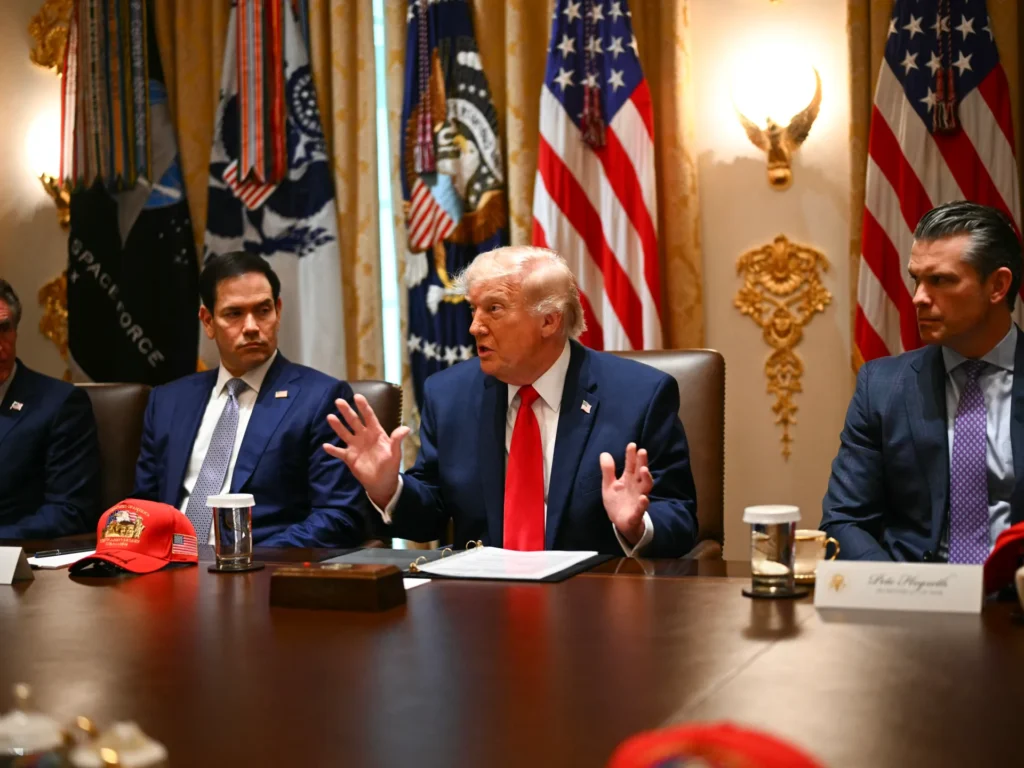
Trump had described the session beforehand as a meeting to make a “final determination” on the emerging agreement. A senior administration official who was not authorized to speak publicly confirmed to the Associated Press that the meeting had concluded but declined to say whether Trump had signed off on anything. Secretary of State Marco Rubio and Vice President JD Vance were among the participants.
The ambiguity from Washington was matched by pointed skepticism from Tehran. Iran’s parliament speaker and top nuclear negotiator Mohammed Bagher Qalibaf posted a stark warning on X as the Situation Room session was underway.
“No step will be taken before the other side acts,” Qalibaf wrote. “We do not gain concessions through talks, but through missiles.”
Iranian Foreign Ministry spokesman Esmail Baghaei added before the meeting concluded that the agreement “has not been finalized yet,” pushing back against the characterization by American and international outlets that the two sides had reached terms.
What the Tentative Deal Contains
The Associated Press and other outlets had reported Thursday that U.S. and Iranian negotiators had come to terms on a framework. The proposed memorandum, according to a U.S. official who spoke anonymously because they were not authorized to discuss the contents, would extend the fragile ceasefire by 60 days while new negotiations on Iran’s nuclear program take place.
On the Strait of Hormuz, the framework would prohibit Iran from charging tolls on commercial vessels transiting the waterway and require Iran to remove all mines from the strait within 30 days. In exchange, the United States would gradually lift its naval blockade of Iranian ports and agree to ease sanctions, allowing Tehran to sell more oil on international markets.
Iran has effectively controlled the strait since the United States and Israel launched a surprise attack on February 28 that killed Iran’s supreme leader and other senior officials. Before the war, the waterway handled roughly a fifth of the world’s seaborne oil and gas. Since then, traffic has dropped from more than 100 vessels daily to approximately two dozen, with Iran imposing tolls on some ships and establishing a formal transit authority this month that prompted a new round of American sanctions.
Baghaei said Friday that Iran and Oman, which sit on opposite sides of the strait, would jointly manage the waterway and develop mechanisms for transit based on their national interests and those of the international community. Iran’s Foreign Minister Abbas Araghchi said he had spoken by phone with his Omani counterpart earlier Friday and expressed solidarity “in the face of any threat.”
Trump had warned Oman specifically on Wednesday not to enter any agreement with Iran to share control of the strait, threatening that the United States would “have to blow them up” if it did. Oman has served as a back-channel diplomatic link between Washington and Tehran throughout the conflict.
The Nuclear Gap
The nuclear dimension of the emerging deal remains the most contested. Trump said from the beginning of the conflict that preventing Iran from obtaining a nuclear weapon was a primary objective. On Friday, he returned to one of his firmest stated demands: that Iran’s stockpile of highly enriched uranium be physically removed and destroyed as part of any agreement. “The material would be unearthed by the U.S., in coordination with Iran and the IAEA, and DESTROYED,” Trump posted on social media.
Iran holds 440.9 kilograms of uranium enriched to 60 percent purity, one short technical step from the 90 percent threshold required for weapons-grade material, the International Atomic Energy Agency has confirmed. The stockpile is believed to be stored at three nuclear sites that were heavily damaged in U.S. strikes last year. Iran has long maintained its nuclear program is entirely peaceful and has not publicly committed to surrendering the uranium.
Baghaei said Friday that Iranian officials were “focused on the end of war and are not discussing the details of the nuclear plan at this point” — a position that directly contradicts the sequencing the American side has publicly described as essential.
Vance offered a more modest framing of what the war had achieved on the nuclear question than the administration’s initial rhetoric had promised. “We’re in a position where we could substantially set back their nuclear program, not just during the term of this president but over the long term,” Vance said Thursday, calling that outcome “very, very good” for Americans. The shift in language from elimination to substantial setback reflected the distance between where the administration started and where the negotiations have landed.
Lebanon as an Unresolved Condition
Iran has also insisted that any final agreement include a truce covering Israel’s military operations against Hezbollah in Lebanon, where fighting has intensified despite a nominal ceasefire that has been repeatedly violated. That condition has not been publicly addressed in the framework that American officials have described, creating another potential obstacle between a tentative agreement and a signed deal.
Seven Weeks of Ceasefire, Seven Weeks of Violations
Since the ceasefire took effect approximately seven weeks ago, the United States and Iran have exchanged strikes multiple times and accused each other of violations. Neither side has returned to full-scale hostilities, and negotiations have continued through those exchanges. The pattern has established a functional if unstable equilibrium: enough restraint to keep the ceasefire technically alive, not enough trust to close the gap between what each side says it needs from a permanent agreement.
Qalibaf’s statement Friday captured Iran’s institutional distrust with particular bluntness. “Iran has no trust in guarantees or words, only actions,” he wrote, pointing to the two separate occasions in the past year when the United States and Israel launched military strikes against Iran while nuclear negotiations were underway.
A Decision Unmade at a Decisive Moment
Trump’s decision to call a Situation Room meeting and describe it in advance as a final determination, then end that meeting without a public announcement either way, produced a specific kind of diplomatic signal regardless of what was actually decided behind closed doors.
If Trump approved the deal and simply chose not to announce it Friday, the delay is likely tactical: managing the announcement timing to maximize political impact or waiting for Iranian confirmation that the framework is accepted. If Trump did not approve the deal and is continuing to deliberate, the gap between the two sides on nuclear terms may be wider than the optimistic framing of recent days has suggested.
Either way, the situation room meeting and its indeterminate conclusion underscored the fundamental challenge that has defined this entire negotiation. An agreement that reopens the strait and begins nuclear talks gives Trump a version of victory he can describe publicly. An agreement that leaves Iran’s enriched uranium in place, defers the nuclear specifics to future talks, and does not definitively prevent Iran from reconstituting its nuclear program gives Trump’s Republican critics the ammunition they need to call it an Obama-style surrender with better marketing.
The deal’s advocates argue that something is better than nothing and that a 60-day window of extended ceasefire and active nuclear talks is a platform from which better terms can be secured. The critics argue that history with Iran consistently shows that the moment pressure eases is the moment Iran stops making concessions, not the moment it starts making more.
Trump is the one who has to decide which argument to believe. Friday evening, he had not yet said.
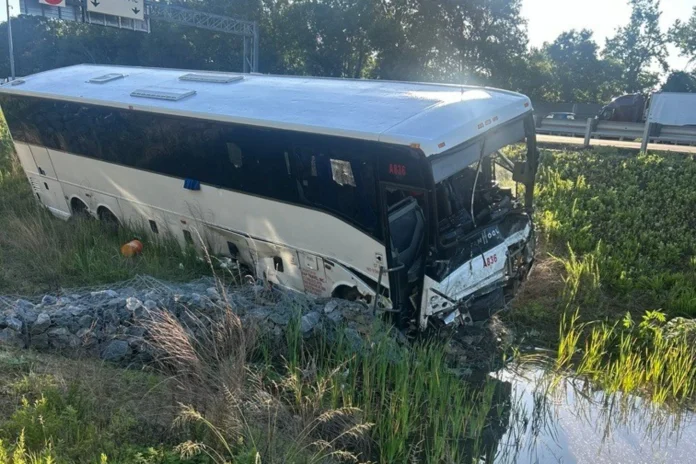
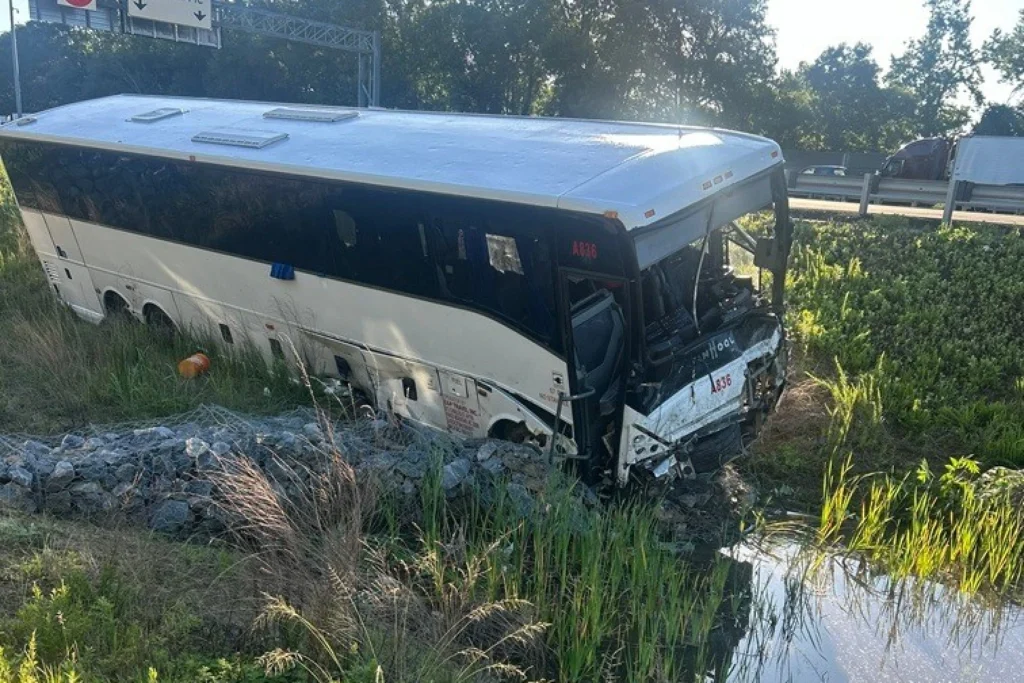
A passenger bus barreled into slowed traffic on Interstate 95 early Friday, leaving five people dead and dozens injured in a devastating chain reaction crash near Quantico, authorities said.
Virginia State Police said the collision unfolded around 2:35 a.m. in the southbound lanes as vehicles reduced speed ahead of a work zone. Investigators determined the bus did not slow in time and struck at least six vehicles, triggering a violent scene that included fires and multiple people trapped inside wreckage.
All five fatalities occurred in vehicles struck by the bus, state police spokesman Matt Demlein said. Among the dead were four people traveling together in one car that caught fire, as well as a woman in a sport utility vehicle. Officials identified the victims as residents of Massachusetts.
Emergency crews arriving at the site encountered what firefighters described as a catastrophic situation, with burning vehicles, injured passengers scattered across the roadway and several individuals pinned inside crushed cars. Rescue teams worked for hours to free victims while other crews battled flames and secured the area, the Stafford County Fire Fighters Union said.
Dozens of people were taken to hospitals across the region. State police placed the number of injured at more than 30, with several in critical condition. Health systems in the area confirmed receiving a large influx of patients, many of whom were later treated and released, while others remained under observation or intensive care.
The bus driver, identified by authorities as Jing S. Dong of Staten Island, New York, was among those hospitalized. Police said charges are under consideration as investigators continue to review the circumstances surrounding the crash.
The bus was operated by E and P Travel Incorporated, a North Carolina based company with a small fleet and a satisfactory federal safety rating. Records from the Federal Motor Carrier Safety Administration indicate the company had reported only one injury related crash in the previous two years.
The National Transportation Safety Board said it is dispatching a team to examine the incident, signaling the seriousness of the crash and the potential for broader safety findings. Federal investigators are expected to review driver performance, vehicle condition and roadway factors.
Virginia Governor Abigail Spanberger expressed condolences to the victims’ families and called for continued caution as emergency crews remained on scene. Traffic along the busy corridor was disrupted for hours, with at least one lane still closed as of Friday afternoon.
The crash highlights ongoing concerns about passenger bus safety on major highways, particularly in high traffic corridors like Interstate 95. Federal data has long shown that driver related factors such as fatigue, distraction and delayed reaction times play a central role in many fatal bus crashes.
This incident also underscores the risks associated with work zones, where sudden slowdowns can create dangerous conditions for large vehicles traveling at highway speeds. Even a brief lapse in attention can lead to catastrophic outcomes when heavy vehicles fail to adjust to changing traffic patterns.
The involvement of a relatively small bus operator may draw additional scrutiny from regulators, especially as the industry relies heavily on smaller carriers that may not have the same resources for safety monitoring as larger companies. Investigators will likely examine whether driver rest schedules, training protocols or vehicle maintenance played a role.
For policymakers, the crash may renew calls to strengthen oversight measures, including stricter enforcement of driver monitoring systems and expanded use of technology designed to prevent collisions. While previous federal safety initiatives have reduced some risks, incidents like this suggest gaps remain in preventing high impact crashes involving commercial passenger vehicles.
The outcome of the federal investigation could influence future safety rules and shape how interstate bus travel is regulated in the years ahead.
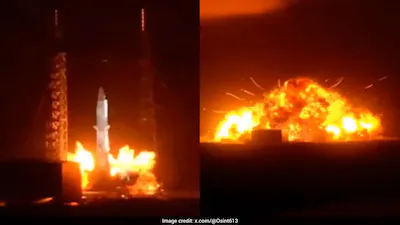
A rocket built by Blue Origin erupted into a massive fireball during a ground engine test late Thursday, marking a significant setback for the space company founded by Jeff Bezos and raising fresh questions about the timeline for its lunar ambitions.
The explosion occurred at about 9 p.m. at Cape Canaveral Space Force Station as engineers conducted a “hotfire test,” a procedure that ignites the rocket’s engines while it remains secured to the launch pad. Witness videos circulating online showed a bright orange blast engulfing the structure and illuminating the surrounding area.
Blue Origin acknowledged the incident, describing it as an “anomaly” during testing and confirming that all personnel were safe and accounted for. Emergency officials added that there was no immediate danger to the public from fumes or debris.
Bezos, commenting shortly after the incident, said the cause of the explosion was not yet known and called it “a very rough day.” He added that the company would investigate the failure and rebuild damaged systems as needed, emphasizing that progress in spaceflight often comes with setbacks.
The explosion caused extensive damage to the launch infrastructure used for the company’s New Glenn rocket, a heavy lift vehicle designed for missions to orbit and beyond. The site is Blue Origin’s primary launch facility for the rocket, and repairs are expected to take months, potentially delaying upcoming missions.
The New Glenn program has already faced challenges. Earlier this year, one of its flights placed a satellite into the wrong orbit due to an engine issue, prompting further scrutiny of the rocket’s reliability. Thursday’s incident adds to those concerns at a critical time for the company’s development schedule.
Nearby residents reported feeling the blast, with homes shaking in surrounding communities such as Cocoa Beach. Many initially mistook the explosion for thunder or structural damage before seeing smoke rising from the launch site.
Federal authorities said the test fell outside the scope of licensed flight operations, meaning it did not disrupt air traffic. Still, regulators are monitoring the situation as investigators work to determine what went wrong.
NASA indicated it would support a detailed review of the failure. The agency relies on Blue Origin, alongside SpaceX, for future lunar missions under its Artemis program, which aims to return astronauts to the Moon. Any prolonged delay in the New Glenn program could complicate those plans, particularly missions that depend on multiple launches to assemble lunar landing systems.
The explosion underscores the high risk environment of modern space development, where private companies are pushing the boundaries of heavy lift technology. While setbacks during testing are not uncommon, the scale of the damage and the timing pose a strategic challenge for Blue Origin. The company is competing directly with SpaceX, which has maintained a faster launch cadence and more mature infrastructure.
For NASA, the incident introduces uncertainty into an already complex lunar timeline. Artemis missions depend on multiple contractors delivering on tight schedules. A prolonged delay in Blue Origin’s readiness could shift more responsibility onto other partners or force adjustments to mission sequencing.
The event also highlights the growing dependence on commercial providers for critical national space objectives. Failures like this may intensify scrutiny from regulators and policymakers over safety standards, redundancy planning, and the resilience of supply chains in the emerging space economy.
Despite the setback, industry observers note that major breakthroughs in spaceflight have historically followed repeated testing failures. The pace and transparency of Blue Origin’s investigation will likely shape confidence in its ability to recover and compete in the increasingly crowded launch market.
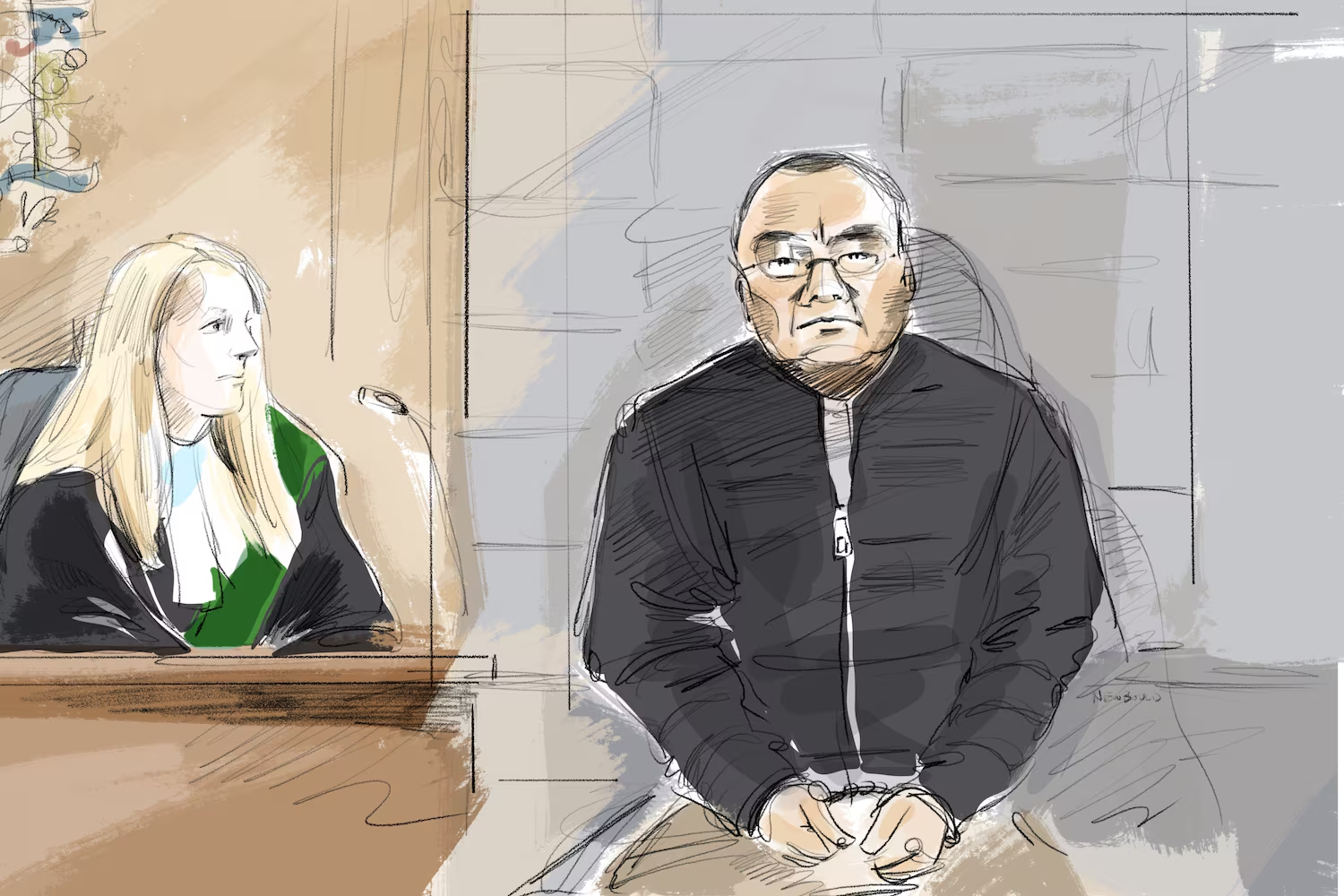
A Canadian man accused of distributing lethal substances to vulnerable individuals worldwide is expected to enter a guilty plea to multiple charges of aiding suicide, bringing a closely watched international case toward resolution while sparking anger among victims’ families.
Kenneth Law, 60, is scheduled to appear in court to admit to 14 counts of counseling or assisting suicide, his defense lawyer confirmed. In exchange, prosecutors will withdraw second degree murder charges tied to the same cases, a decision that has drawn criticism from relatives of those who died.
The case centers on allegations that Law operated a network of websites that promoted methods of self harm and sold sodium nitrite, a chemical commonly used as a food preservative but potentially fatal in high doses. Authorities allege he shipped more than 1,200 packages to customers in over 40 countries.
Investigations across multiple jurisdictions have linked the online activity to more than 100 deaths globally. In Canada, the charges relate to 14 individuals in Ontario, ranging in age from teenagers to adults in their 30s.
Law has remained in custody since his arrest in 2023 at his home in Mississauga. Court filings indicate he used social media platforms and online forums to reach people experiencing distress, offering both access to the substance and detailed guidance on how to use it.
The Canadian Broadcasting Corporation first reported the expected plea arrangement. Officials with Ontario’s attorney general’s office confirmed that Law is due in court to formally enter his plea.
Authorities in several countries, including the United Kingdom, the United States and Australia, have conducted parallel investigations. Britain’s National Crime Agency said it identified hundreds of individuals who purchased products linked to the case, with dozens of deaths under review.
Families of victims have expressed sharply divided reactions to the plea deal. Some have welcomed the move as a step toward accountability, while others argue that dropping murder charges fails to reflect the severity of the alleged conduct.
One parent, whose son died after obtaining materials connected to the case, said the outcome falls short of justice, insisting the actions should be treated as homicide. Another family member described the court proceedings as part of a long and painful process toward closure.
Legal experts say the decision to withdraw murder charges may reflect uncertainty within Canadian law about how to prosecute cases involving assisted suicide. Under existing statutes, counseling or aiding suicide carries a maximum penalty of 14 years in prison, while a murder conviction would require proof of direct causation beyond reasonable doubt.
Professor Robert Currie of Dalhousie University noted that prosecutors may have opted for a more certain conviction rather than risk losing a complex legal argument at trial.
Law had previously been convicted in Canada in 2022 on related offenses and sentenced to 12 years in prison. Any new sentence in the current case could run concurrently or consecutively, a factor that will influence the total time he spends behind bars.
The case has also renewed debate over the regulation of online platforms and the sale of potentially dangerous substances. While assisted dying is legal in Canada under strict medical supervision, promoting or facilitating suicide outside that framework remains a criminal offense.
This case underscores a growing challenge for law enforcement in the digital age, where harmful activities can be conducted across borders with limited oversight. The scale of the alleged operation reveals how online anonymity and global shipping networks can enable individuals to reach vulnerable populations in ways that traditional safeguards struggle to prevent.
The legal outcome may set an important precedent, particularly in how courts interpret the line between free expression, criminal facilitation and direct responsibility for harm. The decision to drop murder charges suggests that current legal frameworks may not fully address the complexities of digital assisted suicide cases.
Beyond the courtroom, the case highlights gaps in mental health intervention systems. Many of those affected were reportedly young and experiencing distress, raising questions about whether earlier support or platform level interventions could have prevented access to harmful resources.
The international scope of the investigation also signals the need for coordinated regulation, especially around the sale and distribution of chemicals that have legitimate uses but can be misused. Without stronger cross border enforcement and clearer legal standards, similar cases could emerge.
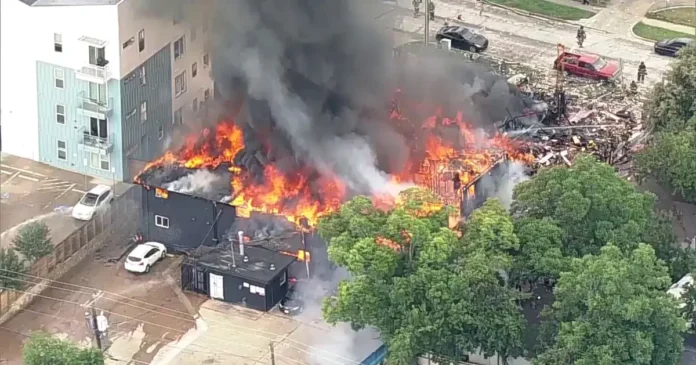
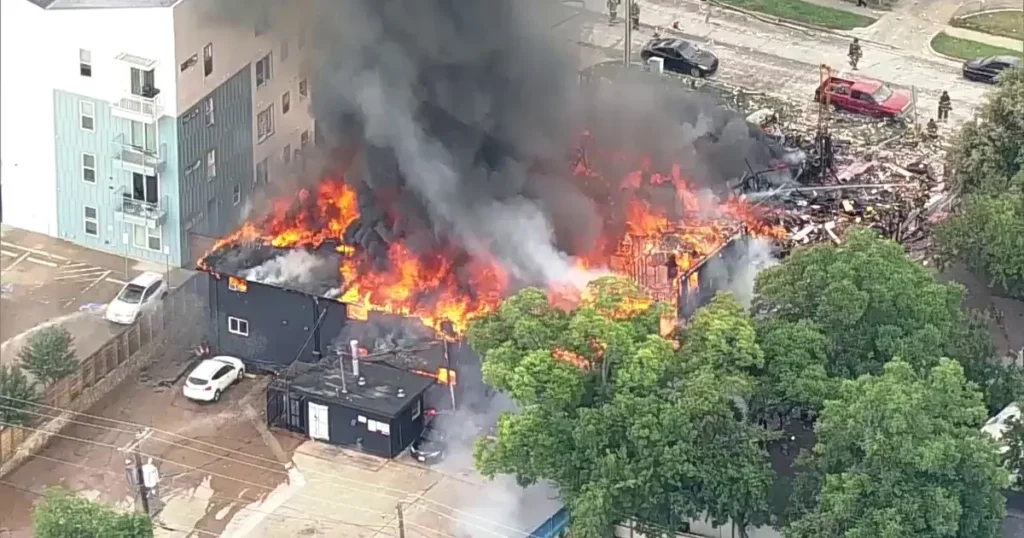
A powerful natural gas explosion tore through an apartment building in Dallas on Thursday, leaving an undetermined number of people dead, injuring several others and triggering a large-scale search for missing residents, authorities said.
Officials with Dallas Fire Rescue confirmed fatalities but said crews remain in the recovery phase and have not established a final death toll. Firefighters continued combing through debris late into the day, with another update expected as operations progressed.
The blast struck a two story residential building in the Oak Cliff area shortly after emergency crews were dispatched to investigate a reported gas leak. Fire officials said the initial call came around 12:45 p.m., but by the time the first units reached the scene minutes later, flames had already erupted.
Deputy Chief Mark Berry said the situation escalated rapidly. Fire crews increased the response from three alarms to five alarms within hours as conditions worsened and extreme heat strained personnel working at the site.
The explosion left the building largely destroyed, reducing much of the structure to charred rubble. Thick smoke and flames were seen rising above the neighborhood, while debris was scattered onto nearby homes and vehicles.
Authorities indicated that 23 people were believed to be living in the building. By late Thursday, 12 residents had been accounted for, leaving others unconfirmed as search and rescue teams continued operations.
At least four people were transported to area hospitals with injuries, though officials have not disclosed their conditions.
Investigators are examining whether construction activity may have contributed to the explosion. A source familiar with the situation told NBCDFW that a contractor working at the property may have struck a gas line shortly before the blast. City officials said no municipal work was underway in the area at the time.
Energy company Atmos Energy confirmed it was alerted to damage to a natural gas pipeline near the building shortly after noon. The company said it was not involved in the work that may have caused the damage but has since shut off gas service in the area and deployed crews to assist emergency responders.
Witnesses described a sudden and violent explosion that shook nearby homes. Residents said they heard a loud boom before seeing flames engulf the building.
“I thought something hit my house,” one nearby resident told NBCDFW, describing the moment the explosion occurred. Another witness said items were knocked from walls as the blast wave rippled through surrounding structures.
Emergency crews, including a specialized urban search and rescue unit, were deployed to sift through the wreckage in search of survivors. Firefighters worked alongside heavy equipment teams to remove debris while others continued to douse smoldering hotspots.
Dallas Mayor Eric Johnson urged residents to support affected families and first responders as the situation unfolds, calling for prayers and caution as crews continue their work.
A reunification center was set up at nearby W H Adamson High School, while injured victims were taken to local medical facilities, including Methodist Dallas Medical Center, where emergency teams established a staging area.
The cause of the explosion remains under investigation, and authorities have not released the identities of those killed or injured.
The Dallas explosion highlights ongoing risks tied to aging infrastructure and construction activity in densely populated urban neighborhoods. Gas line strikes during routine work are a known hazard, but incidents of this scale remain rare and often expose gaps in coordination between contractors and utility operators.
The rapid escalation from a reported leak to a catastrophic explosion suggests that response windows in such cases can be extremely narrow. This raises broader concerns about early detection systems, emergency shutoff mechanisms and communication protocols between field workers and gas providers.
Urban growth across cities like Dallas has increased construction activity in residential zones, placing greater pressure on underground utility networks. Without stricter safeguards and real time monitoring, similar incidents could become more frequent, especially in older districts where infrastructure may not meet modern safety standards.
The human toll also underscores the vulnerability of multi unit housing during industrial accidents. With many residents still unaccounted for hours after the blast, the focus is likely to shift from rescue to recovery, a transition that often deepens community trauma and prompts calls for regulatory scrutiny.