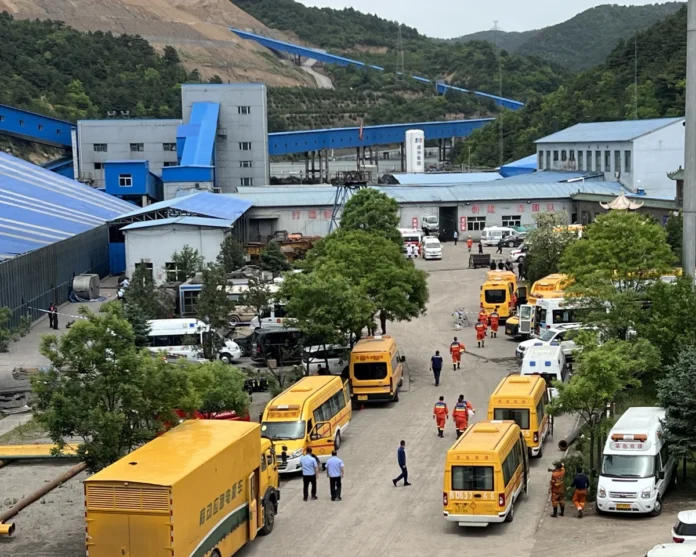
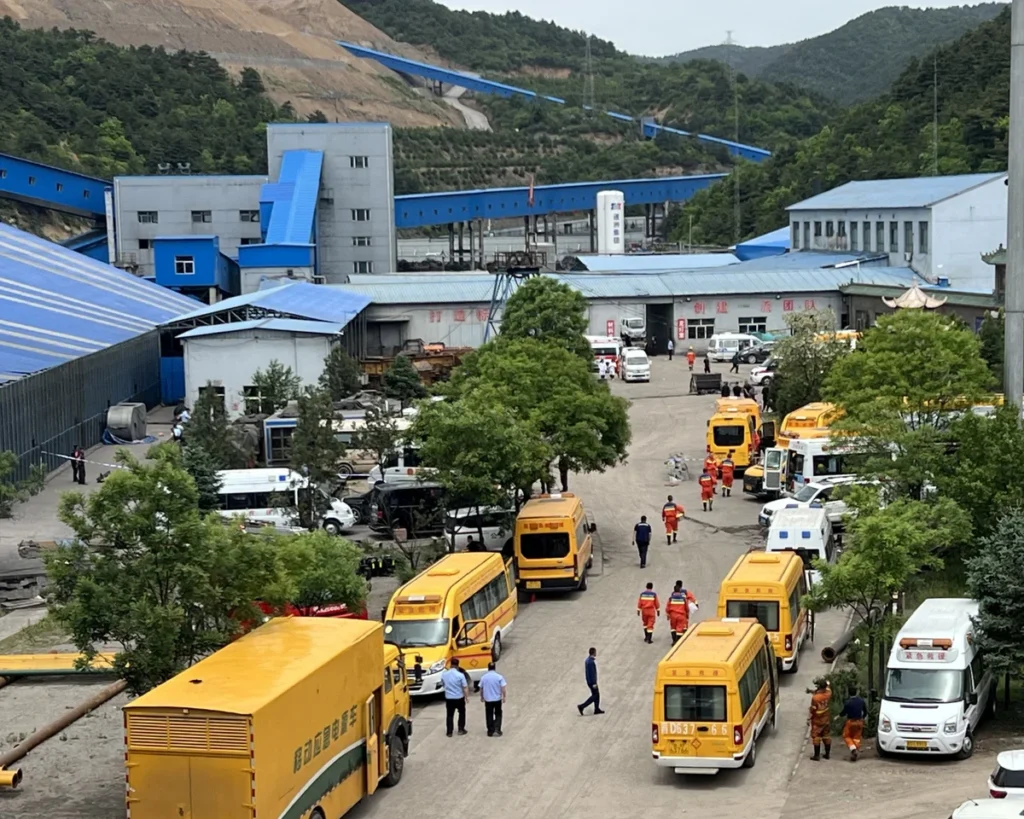
A powerful gas explosion at a coal mine in northern China has killed at least 90 workers, state media confirmed Saturday, in one of the country’s deadliest industrial disasters in more than a decade.
The blast struck the Liushenyu coal mine in Qinyuan county in Shanxi Province late Friday while hundreds of workers were underground, according to the state news agency Xinhua News Agency.
Authorities said about 247 miners were on duty at the time of the explosion. Initial reports listed far fewer casualties, but the death toll rose sharply as rescue teams reached deeper sections of the mine.
Emergency crews continued search and recovery efforts into Saturday, while several workers remained unaccounted for. Many of the injured suffered from exposure to toxic gases, state broadcaster CCTV reported.
Officials said the cause of the explosion is under investigation. Early indications suggest gas levels inside the mine may have exceeded safe limits shortly before the blast, with some reports pointing to a carbon monoxide alert issued prior to the incident.
Executives linked to the mining operation have been taken into custody as authorities examine possible safety failures.
Chinese leader Xi Jinping called for a full scale rescue effort and ordered a thorough investigation, urging officials to hold those responsible accountable and strengthen workplace safety oversight nationwide.
Premier Li Qiang also called for transparent updates and strict enforcement of safety regulations.
Footage shared online showed ambulances and emergency vehicles lined up near the mine entrance as rescue teams worked through the night.
The Associated Press and Reuters both confirmed the rising death toll and ongoing rescue operations, describing the explosion as among the most severe mining accidents in recent years.
Despite improvements in oversight over the past two decades, China’s coal mining industry remains one of the most hazardous in the world. Gas explosions, often caused by methane buildup in poorly ventilated shafts, continue to pose a major risk, particularly in high output regions such as Shanxi.
Shanxi produces nearly a third of China’s coal, making it central to the country’s energy supply. The pressure to maintain production levels can strain safety enforcement, especially in smaller or privately operated mines.
The sharp increase in the reported death toll highlights a recurring issue in major industrial accidents in China, where early figures are often revised as access improves and the scale of damage becomes clearer.
This disaster is likely to renew scrutiny of regulatory enforcement and corporate accountability in the mining sector. While Beijing has introduced stricter safety rules in recent years, incidents of this magnitude suggest gaps remain between policy and practice.
Globally, the accident also underscores the ongoing reliance on coal as a primary energy source, even as China invests heavily in renewable energy. The tension between energy demand and worker safety continues to shape the future of the industry, both within China and beyond.
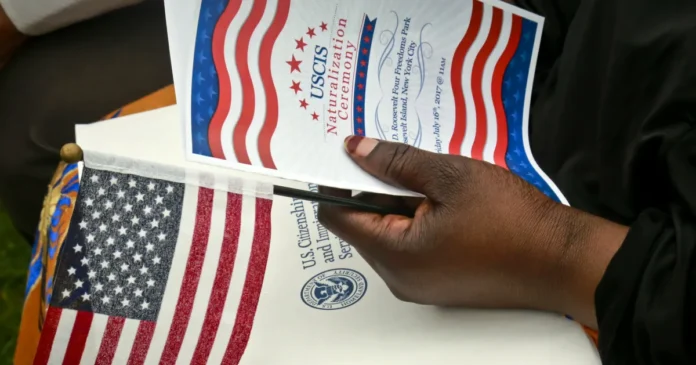
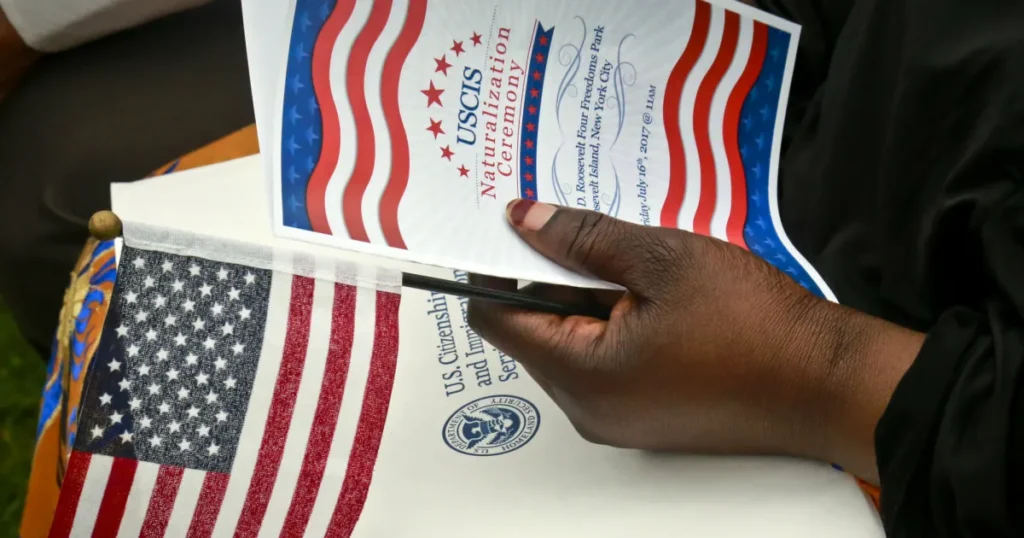
The Trump administration announced Friday that foreign nationals living temporarily in the United States who want to become permanent residents will now be required to leave the country and apply for a green card from their home nations, upending a policy that has been in place for more than half a century and immediately raising alarms among immigration attorneys, advocacy groups, and the hundreds of thousands of people affected each year.
U.S. Citizenship and Immigration Services announced the change without providing a date for when it would take effect, without clarifying whether pending applications already in the system would be covered, and without specifying how long applicants would need to remain abroad during the process. The agency said exceptions would be granted only in “extraordinary circumstances,” with individual USCIS officers deciding who qualifies.
For decades, foreign nationals with legal status inside the United States, including students, temporary workers, tourists, refugees, political asylum seekers, and spouses of American citizens, have been able to complete the entire green card application process without leaving. That pathway, known as adjustment of status, processed roughly 600,000 applications annually from people already living in the country.
Under the new framework, those applicants must instead travel to U.S. consular offices in their home countries and navigate the process from abroad, under State Department supervision.
“We’re returning to the original intent of the law to ensure aliens navigate our nation’s immigration system properly,” USCIS said in its statement. “From now on, an alien who is in the U.S. temporarily and wants a Green Card must return to their home country to apply, except in extraordinary circumstances.”
Who Gets to Stay and Who Must Go
The agency carved out a category of people who may be permitted to apply from within the United States. Those who provide an “economic benefit” or serve a “national interest” could potentially remain in the country while their applications are processed, USCIS told the Associated Press in an emailed statement. The agency did not define those terms or explain what documentation would establish eligibility for the exemption.
USCIS spokesman Zach Kahler framed the policy as a systemic correction rather than a restrictive measure. He said it would reduce the number of people who stay in the country illegally after being denied residency, arguing that those who applied from abroad and were rejected would simply remain in their home countries rather than disappearing into the population.
“This policy allows our immigration system to function as the law intended instead of incentivizing loopholes,” Kahler said. “When aliens apply from their home country, it reduces the need to find and remove those who decide to slip into the shadows and remain in the U.S. illegally after being denied residency.”
The agency also argued the change would free USCIS resources to focus on other priorities, including applications from victims of violent crimes, human trafficking survivors, and naturalization requests.
The Human Stakes
Critics of the policy drew a straight line between the announcement and the administration’s broader stated goal of reducing the number of people who obtain permanent residency and, through it, a path to American citizenship.
Doug Rand, a former senior adviser at USCIS during the Biden administration, said the intent was not ambiguous. “The goal of this policy is very explicit,” Rand said. “Senior officials in this administration have said over and over that they want fewer people to get permanent residency because permanent residency is a path to citizenship and they want to block that path for as many people as possible.”
Immigration attorneys warned of a specific danger for applicants from countries currently under U.S. travel bans or visa processing suspensions. The Trump administration has imposed outright entry bans on nationals from certain countries and paused visa processing for dozens of others. If a person from one of those countries is required to return home to apply for a green card, they face the possibility of being barred from re-entering the United States entirely, effectively stranding them abroad regardless of the strength of their immigration case.
In December 2025, the administration had already halted processing of green card and citizenship applications filed by nationals of countries on the travel ban list, a suspension that primarily affected immigrants from selected African and Asian nations already living legally in the United States and seeking to adjust their status. The Trump administration subsequently directed USCIS to freeze all immigration petitions, including permanent residency and citizenship applications, from nationals of 19 countries covered by an expanded travel ban announced in June, a move that followed the shooting of two National Guard soldiers in Washington, D.C., allegedly carried out by an Afghan national.
The Friday announcement compounds those earlier restrictions for affected nationals. People from travel-ban countries who had been waiting out the freeze on their applications inside the United States now face a new requirement to leave in order to apply, with no guarantee they will be permitted to return.
Nigeria and the Broader African Impact
The policy change carries particular weight for Nigerian nationals, who represent one of the largest African immigrant communities in the United States and who have been disproportionately affected by the administration’s sequential tightening of immigration access since Trump returned to office. Nigerians in the United States on student visas, work permits, and other temporary status who had been working toward permanent residency through the adjustment of status process now face a fundamental disruption to plans that may have been years in the making.
The broader pattern of restrictions, including the travel ban freeze, the green card processing suspension, and now the requirement to apply from abroad, has created compounding uncertainty for tens of thousands of African immigrants who entered the United States legally and have been following
A Policy Built to Reduce Numbers, Not Just Change Process
The administration’s stated rationale for the green card change, that it restores the original intent of immigration law and that temporary visitors should leave when their visits end rather than transitioning to permanent status from within the country, is legally coherent in a narrow sense. Consular processing, the mechanism that requires overseas applications, has always existed as one pathway to a green card. The adjustment of status process that the new policy effectively eliminates for most applicants was a parallel pathway that grew over decades as a practical accommodation.
What the stated rationale does not fully explain is the specific design of the new policy. If the goal were purely administrative efficiency or legal consistency, the administration would have provided clear timelines, explicit definitions of the economic benefit exception, and guidance on pending applications. It provided none of those. The vagueness appears functional rather than accidental — it maximizes uncertainty for applicants while giving USCIS officers discretionary authority over who qualifies for exceptions, a structure that history suggests will be applied inconsistently.
Rand’s assessment, that the explicit goal is fewer people obtaining permanent residency as a way of closing the path to citizenship, fits the evidence better than the agency’s framing. The Trump administration has been consistent and open about wanting to reduce both legal and illegal immigration. The green card policy change is one more instrument in a toolkit that has grown substantially since January, with each new restriction building on previous ones to create a cumulative barrier that is greater than any individual measure would suggest.
For the 600,000 people who apply for green cards from within the United States each year, and for the immigration lawyers who advise them, Friday’s announcement created urgent and unanswered questions. The lack of an implementation date, the absence of guidance on pending applications, and the undefined scope of the extraordinary circumstances exception mean that people who have built lives in the United States around a legal immigration pathway that existed last week must now navigate a changed landscape without the information needed to make basic decisions about where to live and how to proceed.
Girls told the adults in charge. They described hidden cameras. They brought sealed cups of what they believed was drugged soda. They reported a pastor who made them strip naked and perform stretches in a church bathroom. And for 15 years, according to a new lawsuit, the church leaders who heard those warnings did little but protect the man accused of committing the abuse.
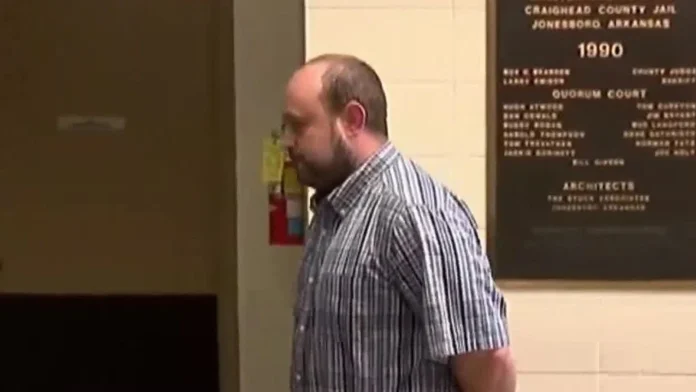
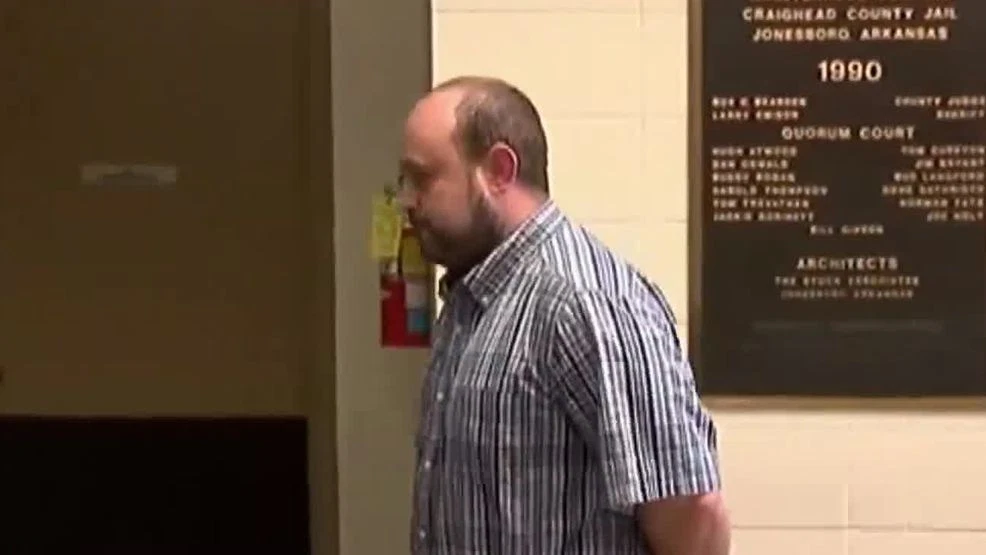
Six women filed a civil lawsuit this week in Craighead County Circuit Court against Refuge Church in Jonesboro, Arkansas, and regional and national leaders of the Assemblies of God, alleging that repeated warnings about children’s pastor Tony Waller were dismissed, minimized, and buried — allowing him to groom, molest, and secretly film girls across nearly a decade and a half before his wife finally went to police in 2015.
Waller pleaded guilty in 2016 to raping two girls and is serving a life sentence. The women behind the lawsuit say the criminal conviction is not enough.
“Tony’s in prison for the rest of his life, and that’s good,” said Stephanie Davis, one of the plaintiffs. “But he’s not the only one responsible for what happened to us.”
What the Girls Said and When They Said It
The earliest reports about Waller reached church leadership in 2000, the lawsuit alleges. That spring, Jonesboro police and elementary school officials opened an investigation after receiving reports that Waller had been frequently visiting a school to spend time with an 11-year-old girl he had met through a church ministry. A police report reviewed by NBC News described allegations that Waller bought the girl clothes, took her to a hotel parking lot late at night, and had her stay overnight at his home. A teacher reported seeing him speaking with girls on the playground and said he avoided her when she tried to approach.
Police closed the investigation after the girl denied any wrongdoing. School officials banned Waller from campus anyway. Before closing the case in April 2000, a detective, a school resource officer, and an elementary school principal met with Refuge Church’s senior pastor Mike Glover to tell him what had been reported and inform him that Waller had been barred from the school.
Waller remained in charge of the church’s children’s programs.
Around 2004, the situation became impossible to explain away. Girls in Waller’s church homeschool program were required to enter a bathroom one at a time before gym activities, remove their clothing, and perform stretches. Waller told them being unclothed allowed for unrestricted movement. Davis, then in sixth grade, complied until she and other girls found a hidden camera aimed through a hole in the bathroom door.
Shortly after, Davis said, Waller gave her a soda in a plastic cup that tasted wrong and left her disoriented. She ran to the church secretary and called her mother. Her family brought the cup, sealed in a plastic bag, along with their concerns about the camera, to Glover directly. A classmate, Elizabeth Dryer, went to Glover around the same time with her mother to report the hidden camera and tell him that Waller had been groping her during physical activities at the church.
According to the lawsuit, church leaders removed the camera, patched the bathroom door, and suspended Waller for two to four weeks. Then they gave him his job back.
“They did nothing about it,” Davis said. “Absolutely nothing.”
About two years later, another girl, Courtney Blackburn, discovered Waller secretly filming her as she undressed in her bedroom. Her mother, Rhonda Kelly, brought the allegation to Glover. Kelly told NBC News that Glover later informed her the church board had prayed over the matter and that God had told them it was a misunderstanding — that Blackburn was simply being too sensitive.
Waller stayed in ministry.
Two younger women named in the lawsuit allege he continued abusing girls in the same church bathroom between roughly 2008 and 2014. One, Taylor Perrin, alleges Waller played the role of a beloved father figure while groping girls during games. A second plaintiff, identified as Jane Doe, alleges that when she was approximately 12 years old, Waller gave her a drugged drink in a foam cup and recorded himself molesting her. Investigators later found that video on Waller’s computer.
The End and the Evidence
The abuse stopped in 2015 when Waller’s wife found incriminating images on his computer and contacted police. Investigators uncovered dozens of hidden-camera videos recorded inside the church bathroom and elsewhere. Two additional girls came forward during the criminal investigation alleging Waller had molested them for years beginning around 2006 and 2007, when they were 10 and 11 years old. Those allegations formed the basis of his 2016 conviction.
What the Church and Denomination Say
The General Council of the Assemblies of God, the denomination’s national governing body, said in a statement that it did not learn of allegations against Waller until 2015. “Mr. Waller was promptly reported to the appropriate legal authorities, investigated, and his ministerial credentials were dismissed,” the statement said, adding that the response was consistent with a zero-tolerance policy the denomination said had been in place for decades.
Refuge Church, formerly known as Jonesboro First Assembly of God, did not respond to a request for comment. The church previously told NBC News it adopted enhanced child safety policies after Waller’s arrest, including background checks, mandatory reporting requirements, and security cameras.
Glover, the former senior pastor who hired Waller in 1999 and is named as a defendant, disputed the accounts through his attorney, Glenn S. Ritter, who said Glover “denied all accusations of negligence and fault.” In prior interviews with NBC News, Glover acknowledged the 2000 meeting with police but said the officer told him only that Waller had been spending too much time at the school. He said no one ever reported a hidden camera or sexual misconduct to him. “That didn’t happen on my watch,” Glover told NBC News. “He would have been long gone. That was never reported to me.” He also said he had no recollection of the conversations Blackburn’s mother described.
A Yearlong Investigation and a Pattern Across the Denomination
The lawsuit builds on reporting NBC News published following a yearlong investigation into sexual abuse within the Assemblies of God, the world’s largest Pentecostal denomination. That investigation identified approximately 200 Assemblies of God pastors, church employees, and volunteer leaders accused of sexual abuse over the past 50 years. Survivors across multiple churches described the same cycle: children warned adults, pastors minimized the reports, abusers were quietly returned to positions of authority, and more children were harmed.
NBC News found the Assemblies of God had repeatedly resisted mandatory child protection measures, including background checks and requirements to report abuse to police, leaving those decisions to individual churches.
The women’s attorney, Joshua D. Gillispie, put the institutional failure at the center of his statement on the lawsuit. “The Assemblies of God caught this predator red-handed in 2004, holding his camera and his list of nude exercises in their hands,” Gillispie said. “Instead of calling the police or protecting vulnerable children, they actively chose to shield the denomination’s reputation and treat a child molester with tenderness and forgiveness at the expense of children’s innocence.”
Davis said her goal in filing the lawsuit extends beyond what happened in Jonesboro. She wants the Assemblies of God to adopt mandatory nationwide child protection standards and reporting requirements so that what happened to her and the other women cannot be replicated in another church with another children’s pastor who understands that warnings will be met with prayer and two-week suspensions.
“These things could have been prevented,” Davis said, “if somebody had listened.”
Institutions That Protect Themselves First
The Tony Waller case is not a story about one predatory pastor. It is a story about what happens when an institution treats the protection of its own reputation as a higher priority than the protection of the children in its care.
The documentary evidence in this case is damning precisely because it spans so many years and so many separate incidents. Police met with Glover in 2000. Girls brought a sealed cup of what they believed was drugged soda to church leadership in 2004. A hidden camera was physically removed from a bathroom. A mother was told God himself had reviewed the situation and found it to be a misunderstanding. At every point where an institution was confronted with evidence that demanded a hard decision, the hard decision was not made.
This pattern is not unique to one Arkansas church. NBC News found it replicated across approximately 200 Assemblies of God cases over five decades. The common thread is structural: a denomination that left child protection decisions to local churches, that resisted mandatory background checks, that prioritized grace and forgiveness toward accused ministers in ways that consistently came at the direct expense of children who had done nothing except trust the adults their parents placed them with.
The Assemblies of God’s statement that it didn’t know about Waller until 2015 may be technically accurate as a matter of what reached the national office. It does not address why a denomination that claims to have had a zero-tolerance policy for decades structured its reporting and oversight in a way that allowed a children’s pastor to abuse girls for 15 years in a single church without that information traveling up the chain.
Davis and the five women with her are asking a civil court to impose accountability that the church declined to impose on itself. Whether the lawsuit succeeds legally, it has already accomplished something: it has put on public record, in granular and documented detail, exactly what the girls said, exactly when they said it, and exactly what the adults who heard them chose to do instead.
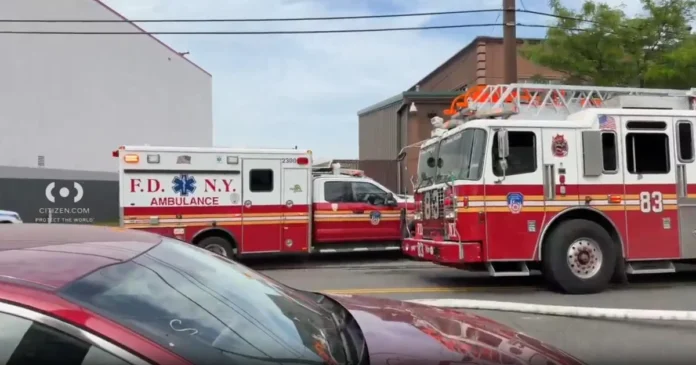
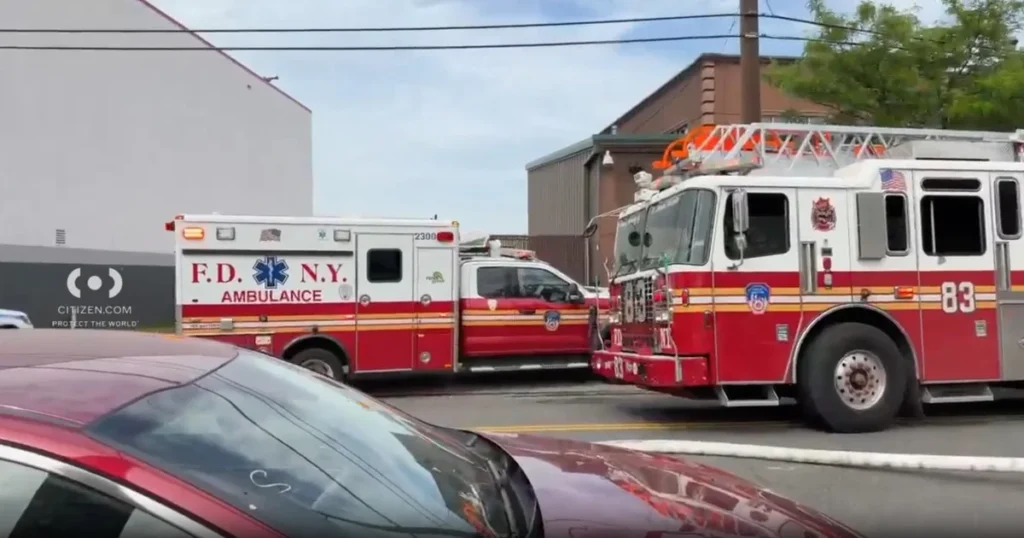
A powerful explosion and fire at a shipyard on Staten Island, New York, left at least 16 people injured Friday, including firefighters responding to the scene, according to officials.
The incident occurred along Richmond Terrace at a dockside facility, where emergency crews were dispatched after reports that workers were trapped inside a structure.
Officials with the New York City Fire Department said the call came in around mid afternoon, with firefighters arriving to find a blaze burning in the basement of a metal building near the shipping docks.
Roughly 50 minutes after crews began battling the fire, a large explosion tore through the site, escalating the emergency and triggering distress calls from firefighters inside the structure.
Authorities said all firefighters who issued emergency alerts were later accounted for and received medical attention.
By early evening, at least 16 people had been treated for injuries. The victims included firefighters and emergency medical personnel, along with at least one civilian worker. Three individuals suffered serious injuries, while others were listed in moderate to minor condition and transported to nearby hospitals.
Fire officials said one additional worker may still be unaccounted for, though that status had not been confirmed.
The blaze continued to burn for hours as crews worked to contain it, with road closures put in place to allow emergency operations to proceed.
The cause of the explosion and fire remains under investigation.
The Associated Press confirmed the timeline of events, noting that firefighters were still engaged in suppression efforts when the explosion occurred, significantly increasing the number of injuries.
Industrial sites such as shipyards present heightened risks during fire emergencies due to the presence of fuel, chemicals, and confined spaces. The sequence described by officials, an initial fire followed by a delayed explosion, often points to the buildup of flammable gases or pressure within enclosed areas.
The number of injured responders highlights the dangers faced by firefighters operating in unpredictable environments. Emergency alerts issued during the incident suggest that conditions deteriorated rapidly, a scenario that can challenge even experienced crews.
This event also raises questions about workplace safety measures and hazard controls in industrial zones along New York’s waterfront. Investigators will likely examine whether proper storage protocols, ventilation systems, and emergency safeguards were in place.
In the broader context, incidents like this often lead to reviews of safety regulations and enforcement, particularly in aging infrastructure areas where industrial and residential zones intersect. The outcome of the investigation could influence future safety standards and emergency response strategies across similar facilities in the region.
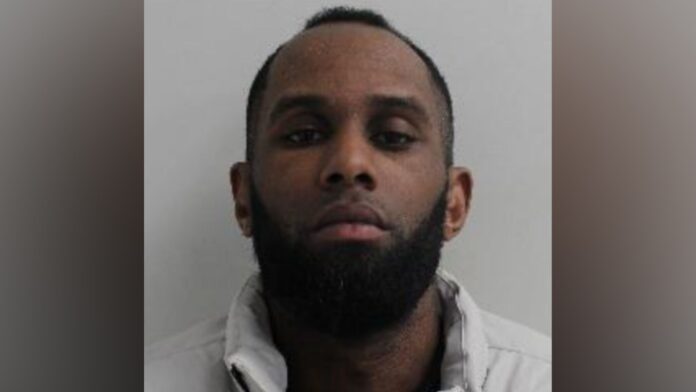
A man who carried out a months-long campaign of antisemitic abuse and threats, including calls to attack Jewish schools, has been sentenced to prison in London.
Tavius Jean Charles, 35, admitted to multiple offenses involving religiously aggravated threatening behavior and criminal damage, targeting individuals he believed to be Jewish between October 2025 and March 2026.
The Metropolitan Police said his actions included repeated verbal threats, intimidation, and property damage near synagogues in north London.
Judge Dafna Spiro, delivering the sentence at Southwark Crown Court, described the conduct as a deliberate and sustained pattern of hate driven behavior.
“Your actions amounted to a prolonged campaign targeting visibly Jewish individuals,” the judge said, noting the absence of remorse and the seriousness of the offenses.
The court heard that Jean Charles directed violent threats at members of the community in several incidents. In one case outside the Belz Synagogue, he shouted that he would kill Jewish people, directing the remarks at a synagogue manager and his son.
Shortly afterward, another victim reported that Jean Charles yelled similar threats before throwing a stone at a passing vehicle, shattering a window and causing damage. The victim initially feared he had been shot.
Authorities said Jean Charles also made comments suggesting attacks on Jewish schools and was heard questioning passersby about their identity before issuing threats.
Police arrested him in March following reports of abusive behavior and an incident in which he threw a rock at a car.
In addition to the hate crime convictions, the court sentenced him for drug related offenses, including possession of crack cocaine with intent to supply and possession of cannabis.
He received a combined prison term of two and a half years for the offenses. A restraining order bars him from entering the Stamford Hill area and from contacting the victims.
The court ordered him to pay limited compensation for property damage, though the judge said he lacked the financial means to address the broader harm caused.
Prosecutors told the court that Jean Charles has an extensive criminal history, including previous convictions involving weapons.
The case underscores ongoing concerns about antisemitic incidents in parts of London, particularly in areas with large and visible Jewish communities such as Stamford Hill. Authorities have reported that hate crimes targeting religious groups often increase during periods of heightened global tensions, though local factors also play a significant role.
Legal experts note that religiously aggravated offenses carry heavier penalties under UK law, reflecting the broader social harm such crimes can inflict. The judge’s emphasis on the sustained nature of the conduct highlights how repeated incidents can elevate charges and sentencing severity.
The restraining order imposed in this case also reflects a growing reliance on geographic restrictions to protect targeted communities. However, enforcement and long term prevention remain ongoing challenges for law enforcement agencies.
Community leaders have consistently called for stronger intervention strategies, including early reporting mechanisms and increased police presence in vulnerable areas. Cases like this illustrate both the legal consequences of hate driven conduct and the continuing need for preventive measures to address underlying tensions.
British police have intensified their investigation into Prince Andrew, appealing for witnesses as detectives examine allegations that include possible sexual offenses and misconduct in public office.
Authorities said the inquiry, led by Thames Valley Police, is ongoing and could extend for several months as officers review a growing body of evidence and witness accounts. The case follows the release of documents in the United States linked to the late financier Jeffrey Epstein, which prompted renewed scrutiny of the former royal’s activities.
Investigators are seeking to speak with a woman who alleges she was taken to Andrew’s residence in Windsor in 2010 for sexual purposes. Police confirmed they have been in contact with her legal representatives and said any formal complaint would be handled with sensitivity and confidentiality.
In a statement, Thames Valley Police urged others with relevant information to come forward, emphasizing that the scope of the inquiry is broader than initially perceived.
“Misconduct in public office can involve a range of serious offenses,” Assistant Chief Constable Oliver Wright said, noting that detectives are examining all credible lines of inquiry.
Andrew, now known as Andrew Mountbatten Windsor, has denied all allegations of wrongdoing.
The investigation began after Andrew was detained earlier this year on suspicion of misconduct in public office. Authorities said the arrest followed the emergence of material suggesting he may have shared sensitive information with Epstein, though those claims remain under review.
Police have since interviewed multiple witnesses and continue to analyze evidence, including documents that have yet to be fully disclosed. Officials indicated that access to complete records from the Epstein files could significantly influence the direction of the case.
Legal experts note that misconduct in public office is a complex charge under British law, often difficult to prosecute due to its broad scope and high evidentiary threshold. Authorities are also consulting with prosecutors to determine whether Andrew’s past roles meet the legal definition required for such an offense.
The Associated Press reported that police have formally appealed for witnesses, underscoring the seriousness of the allegations and the need for additional testimony to advance the case.
A Florida based attorney, Brad Edwards, previously told the BBC that he represents a woman who claims she had a sexual encounter with Andrew at his Windsor residence after being trafficked by Epstein in 2010.
The renewed investigation into Prince Andrew reflects a broader shift in how institutions respond to allegations tied to powerful figures. In the years following the exposure of Epstein’s network, law enforcement agencies across multiple countries have faced increasing pressure to revisit cases that may have previously lacked sufficient scrutiny.
This inquiry also highlights the legal and reputational challenges tied to historical allegations. Much of the evidence relates to events that took place more than a decade ago, complicating efforts to gather testimony, verify claims, and meet prosecutorial standards.
The public appeal for witnesses suggests investigators are seeking to build a more comprehensive case rather than relying solely on existing records. Such an approach may signal concern within law enforcement that earlier assumptions about the scope of the case were too narrow.
At the same time, the case underscores the evolving expectations of accountability for public figures. Even in the absence of charges, prolonged investigations can carry significant consequences for reputation, public trust, and institutional credibility.
How the inquiry unfolds may influence future cases involving alleged misconduct by high profile individuals, particularly where allegations intersect with international networks and sensitive political or institutional roles.
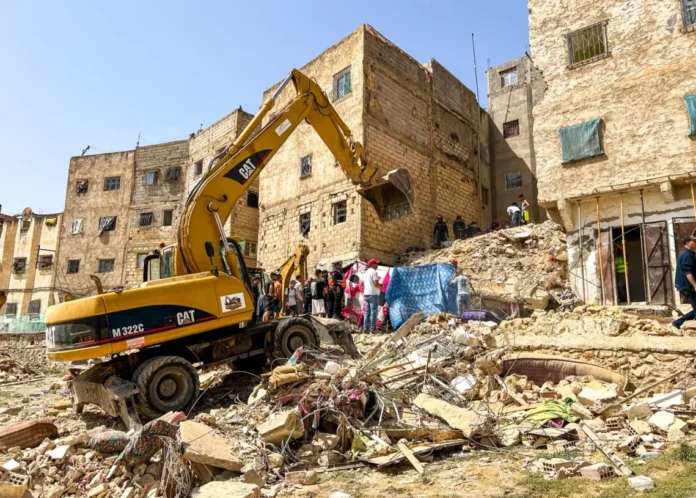
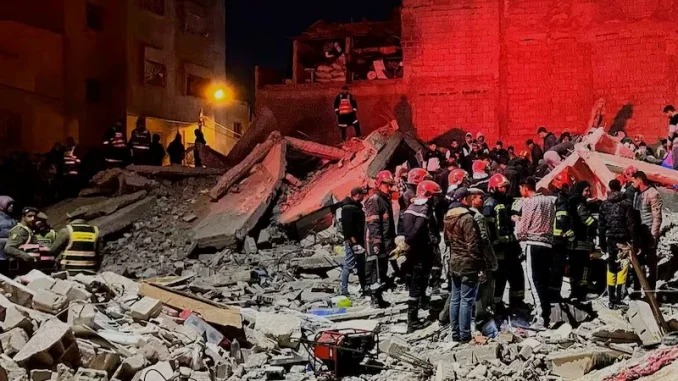
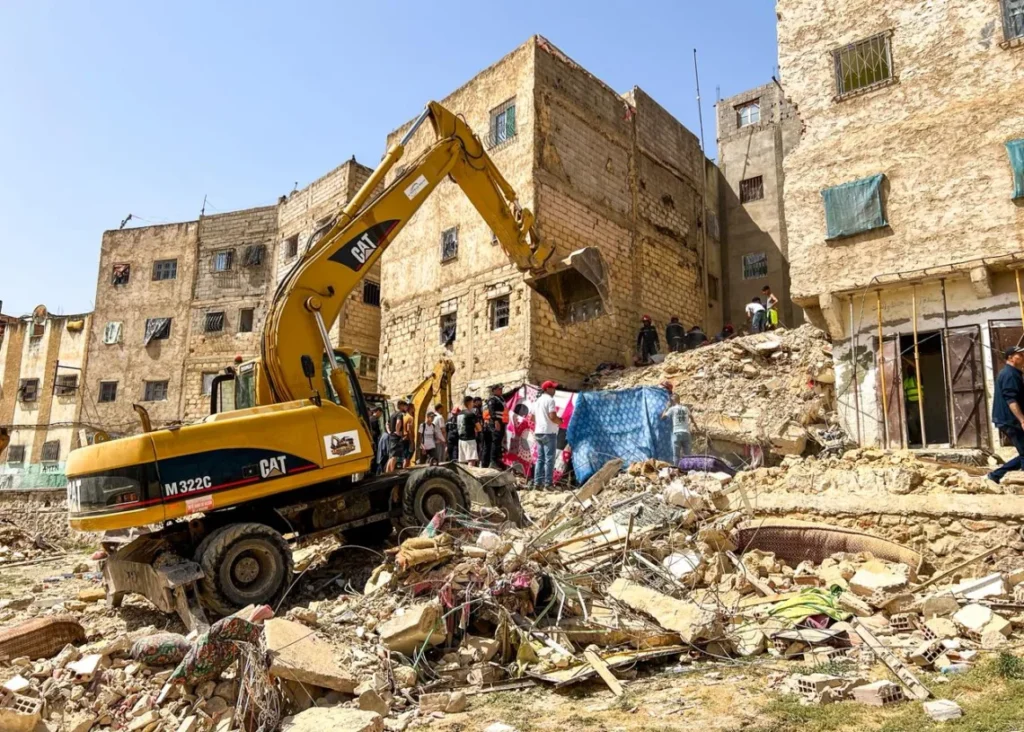
A four-story residential building collapsed in the early hours of Thursday in the Jrondi district of Fez’s Aïn Nokbi neighborhood, killing at least nine people and sending rescue teams into the rubble of a structure built in the 1980s as authorities ordered the evacuation of adjacent buildings and Morocco’s human rights body called for a national strategy to stop the country’s recurring wave of deadly building collapses.
The collapse occurred around 3:30 a.m. in a densely populated area. By midday, six people had been pulled from the wreckage alive, Al Aoula state television confirmed. Several others sustained injuries of varying severity and were transferred to local hospitals. Residents of surrounding buildings were evacuated as a precaution while engineers reinforced neighboring structures against potential secondary collapse.
“The collapse created a wave of fear,” a neighbor told the state television channel.
The Fez city prosecutor confirmed the death toll and said a judicial investigation had been ordered to determine causes, circumstances, and individual responsibility. The Fez Appeals Court prosecutor general pledged strict enforcement of the law and firm action against anyone found responsible once the investigation concludes.
A City That Has Been Here Before
Thursday’s collapse is not Fez’s first this year, nor its worst in recent memory. In December 2025, two residential buildings in the Massira district of the city’s Benssouda area gave way, killing at least 22 people and injuring 16 more. That incident prompted Morocco’s public prosecutor to open a judicial investigation into 21 people, with prosecutors identifying serious violations including construction of additional floors without permits, use of second-hand building materials, illegal transfer of air rights, irregular property sales, and the issuance of housing certificates that did not comply with existing law. Eight of those suspects were ordered detained. The rest are being investigated without custody.
The charges in that case included involuntary manslaughter, bribery and corruption, illegal handling of non-transferable property, complicity, and unlawful issuance of administrative certificates.
Fez itself is a city of extraordinary historical weight, a former Moroccan capital dating to the eighth century and the country’s third most populous urban center. Its older districts contain some of the densest residential construction in North Africa, much of it aging, much of it built informally over decades without consistent regulatory oversight. The physical fragility of that built environment has been known to authorities for years.
Going further back, the collapse of a minaret in the nearby city of Meknes in 2010 killed 41 people. The country has been living with the consequences of inadequate building oversight for more than a generation.
38,800 Buildings at Risk
The number that frames all of this is one the government itself produced. Housing Secretary of State Adib Ben Ibrahim confirmed last year that approximately 38,800 buildings across Morocco had been formally classified as at risk of collapse. That figure covers structures identified through official assessments, meaning it almost certainly understates the actual number of buildings in dangerous condition, since not every at-risk structure has been inspected, catalogued, or flagged.
Thursday’s building in Fez was constructed in the 1980s — not ancient, not improvised, but old enough to have deteriorated and to have potentially accumulated unauthorized modifications over the intervening decades. The pattern that emerged from the December investigation, floors added without permits, substandard materials, administrative certificates issued improperly, points to a systemic failure in which building owners, local officials, and contractors have for years operated outside the rules that exist specifically to prevent what happened overnight in Aïn Nokbi.
The Rights Body’s Demand
Morocco’s National Council for Human Rights deployed a team from its Fez-Meknes regional commission to the site Thursday and released a statement that went beyond condolence into institutional challenge.
The council warned that the recurring nature of these collapses constituted “a direct violation of the right to adequate housing as defined by international standards” and demanded a judicial investigation with published findings and assigned accountability. It called for a national strategy built on proactive monitoring, early warning systems, and strict enforcement of urban planning legislation.
“Strengthened institutional coordination” among government ministries, territorial administrations, and elected councils was necessary, the council said, within a framework that placed the right to adequate housing and citizen safety at the center of public policy rather than at its margins. The council also called for a permanent joint mechanism to respond immediately when cracks or structural defects are detected — intervention before collapse rather than rescue after it.
The rights body had issued a similar statement following the December 2025 Fez collapse. The fact that a comparable disaster struck the same city less than six months later suggests those earlier demands were not acted upon with sufficient urgency.
A Crisis With a Known Cause and a Missing Response
Building collapses in Morocco follow a pattern that is both predictable and preventable. The causes are documented. The scale of the problem is quantified. The legal framework to prevent further deaths exists on paper. What has consistently been missing is the institutional will and capacity to enforce that framework at scale, in time, before buildings fall.
The 38,800 at-risk structures represent a known liability. They are scattered across a country where local building inspection capacity is uneven, where informal construction has historically been tolerated because the housing shortage left authorities with few alternatives, and where the administrative mechanisms for forcing remediation or demolition of unsafe buildings are slow and often contested.
The December prosecutions, with their 21 suspects and charges of bribery and illegal certification, revealed something important: the collapses are not purely the result of aging materials and time. They are enabled by corruption. When building officials issue certificates for structures that do not meet legal standards, when air rights are sold without authorization, when extra floors are added to buildings that were not designed to support them, people in government are either being paid to look away or are simply not doing their jobs. Both explanations demand accountability of a kind that Morocco’s judicial system has been asked to provide but has not yet demonstrated it can deliver at the scale the problem requires.
The human rights council’s call for a national strategy is the right prescription. What it requires is political commitment that treats the 38,800 at-risk buildings not as a future liability to be managed slowly but as an active emergency requiring the kind of systematic, funded, and monitored response that Morocco applied to the 2023 earthquake’s aftermath in the Atlas Mountains.
Nine people died in their sleep in Fez on Thursday morning. Twenty-two more died in the same city in December. Forty-one people died in Meknes in 2010. The numbers keep accumulating because the system that is supposed to prevent them has not been fixed. The buildings that are standing tonight and classified as dangerous are the next entries in that ledger unless something changes.
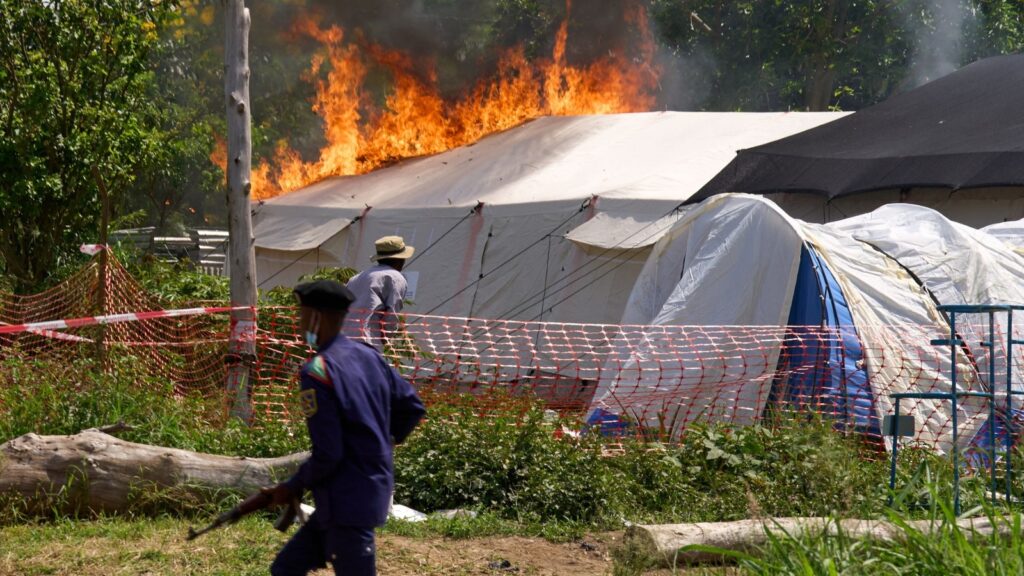
A crowd set fire to an Ebola treatment center in eastern Congo on Thursday after authorities stopped them from retrieving the body of a local man believed to have died from the virus, underscoring rising tensions in a region struggling to contain a fast spreading outbreak.
Witnesses and local officials said the violence erupted in the town of Rwampara, where frustration over strict health measures collided with long held cultural burial practices. The blaze forced aid workers to flee as chaos unfolded inside the facility.
A resident who spoke by phone described how a group of young people attempted to take the body of a friend for burial before being blocked by police. The confrontation escalated quickly.
“The police tried to calm the situation, but it got out of control,” said Alexis Burata, a student who was near the scene. “The youths ended up setting the center on fire.”
An Associated Press journalist at the site reported seeing individuals break into the facility, ignite materials inside, and set fire to what appeared to be at least one body being stored there. Emergency teams evacuated the area as flames spread.
Jean Claude Mukendi, a senior police official in Ituri Province, said the unrest stemmed from a lack of understanding about safety protocols.
“Families wanted to take the body home for funeral rites, but during an Ebola outbreak, strict procedures must be followed,” he said, emphasizing that all burials must comply with public health regulations.
Health experts warn that the bodies of Ebola victims remain highly infectious, making traditional burial practices a major driver of transmission. Authorities have taken control of burials in affected areas, a measure that has repeatedly sparked resistance from grieving families.
Hama Amadou, a field coordinator with the medical aid group ALIMA, later confirmed that order had been restored and operations at the center had resumed.
The incident highlights the complex challenge facing health workers as they attempt to contain a rare strain of the Ebola virus in a region marked by displacement, weak health systems, and ongoing violence. The outbreak has spread for weeks in areas where many residents are already fleeing armed conflict, further complicating tracking and containment efforts.
Officials in Congo reported 160 suspected deaths and 671 possible cases across two provinces as of Thursday. The United Nations has also confirmed infections, including one fatal case, in neighboring Uganda. However, the World Health Organization has cautioned that the true scale of the outbreak is likely far greater.
“We are still intensifying surveillance and case finding,” said Jean Kaseya, head of the Africa Centers for Disease Control and Prevention. “Numbers will likely rise as detection improves.”
The outbreak remains centered in Ituri Province, which borders Uganda and South Sudan, raising concerns about regional spread. While global risk is currently considered low, health authorities warn that the regional threat is significant.
Efforts to control the disease have been hampered by limited medical infrastructure, reduced international aid, and ongoing insecurity. More than 920,000 people are internally displaced in Ituri alone, according to the United Nations, creating conditions that make coordinated response efforts difficult.
Violence in the region has further strained resources. Local leaders reported that an attack by militants earlier this week killed at least 17 people in a nearby village, diverting attention and security resources away from health operations.
Medical teams have also raised alarm over shortages of supplies and personnel. There is currently no approved vaccine or treatment for the specific strain driving this outbreak, and experts say it could take several months before one becomes available.
“The priority is rapid action and strong community engagement,” said Ariel Kestens of the International Federation of Red Cross and Red Crescent Societies. “The coming days are critical.”
The virus spreads through contact with bodily fluids and can cause severe symptoms including fever, vomiting, diarrhea, and internal bleeding. Early detection is key, but health officials say the outbreak went undetected for weeks after the first known death in late April, partly because initial testing focused on a different strain.
The disease has now reached a new area. Authorities confirmed the first cases in South Kivu Province near the city of Bukavu, marking a significant expansion from the initial outbreak zones.
International repercussions are already emerging. India and the African Union postponed a major summit scheduled in New Delhi, citing health concerns. Congo’s national soccer team also canceled a training camp and public event in the capital.
The United States has imposed travel restrictions on individuals who recently visited affected countries, requiring enhanced screening for returning citizens and limiting entry for foreign nationals.
The attack on the treatment center reflects a recurring pattern seen in past Ebola outbreaks, where mistrust between communities and authorities undermines containment efforts. Public health strategies, though scientifically necessary, often clash with deeply rooted cultural practices, particularly around death and burial.
In regions like eastern Congo, where state presence is limited and armed groups operate freely, that mistrust is amplified. Communities may view outside intervention with suspicion, especially when it involves removing loved ones and restricting traditional mourning rituals.
The situation is further complicated by economic hardship and displacement. With hundreds of thousands of people on the move, tracking infections becomes increasingly difficult, allowing the virus to spread quietly before detection.
The absence of a ready vaccine for this strain adds urgency to containment efforts. Unlike previous outbreaks where vaccination campaigns helped slow transmission, health workers now rely heavily on isolation, contact tracing, and community cooperation.
Unless authorities can bridge the trust gap and adapt their response to local realities, incidents like the Rwampara attack could become more frequent, threatening to derail efforts to contain the outbreak and raising the risk of wider regional spread.
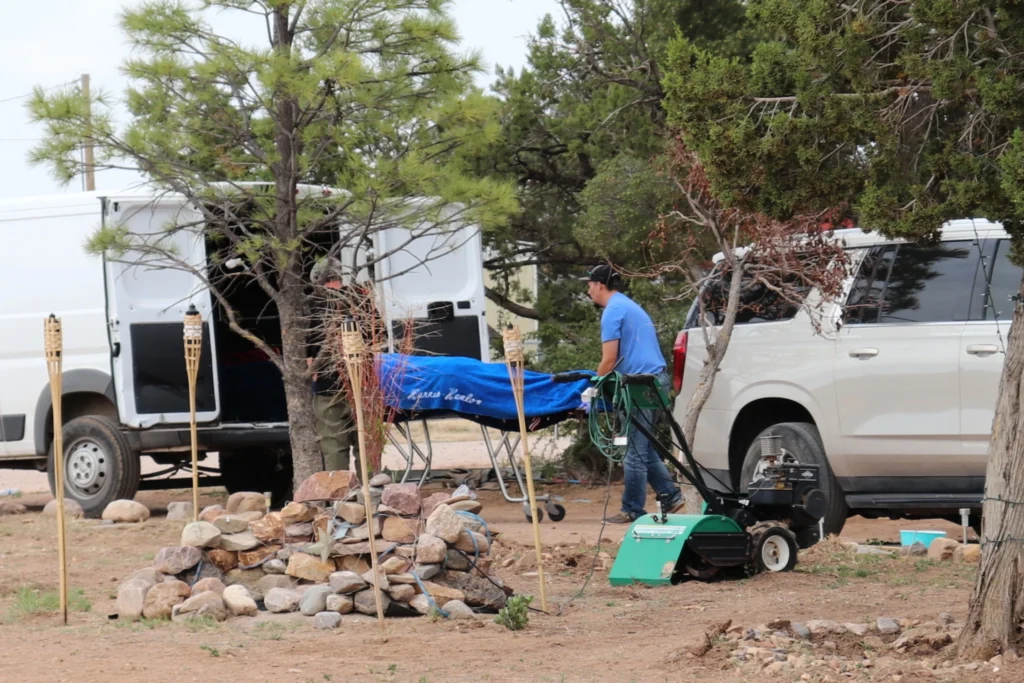
Three people died and nearly two dozen emergency responders required medical evaluation after exposure to an unidentified substance at a rural home in New Mexico, authorities said Wednesday.
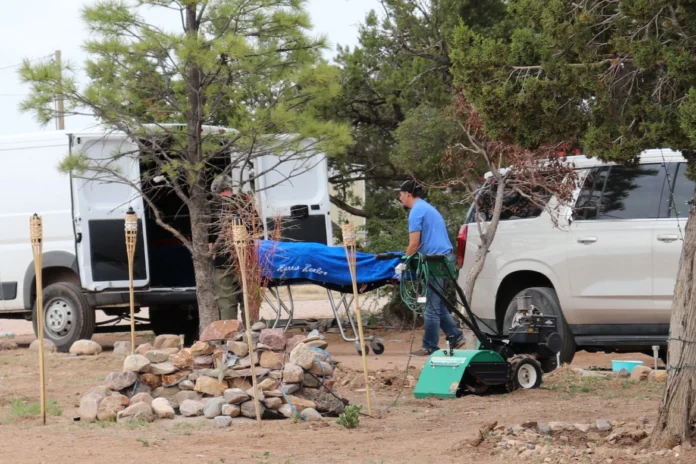
State police said officers responding to a reported overdose found four individuals unresponsive inside a residence east of Albuquerque. Three were pronounced dead at the scene, while a fourth was transported to a hospital for treatment. Officials have not released the victims’ identities.
Emergency personnel who entered the home soon began showing symptoms, including nausea and dizziness, prompting a broader response to assess and contain potential exposure. Authorities said the substance involved remains unknown, though investigators believe it may spread through physical contact rather than through the air.
A volunteer firefighter who assisted at the scene described a chaotic situation as responders began falling ill while attempting life saving measures. She said crews experienced coughing, vomiting and dizziness shortly after arriving, raising concerns about safety risks for those responding to similar emergencies.
The University of New Mexico Hospital confirmed that nearly two dozen people were evaluated and decontaminated. Most were first responders who did not show severe symptoms and were later released, while a small number remained under observation.
Local officials said there is no ongoing threat to the public.
Mountainair Mayor Peter Nieto said evidence at the scene pointed to possible drug involvement, though investigators have not confirmed the cause of the incident. He ruled out carbon monoxide and natural gas exposure as contributing factors.
Law enforcement agencies remained at the scene for several hours as investigators worked to determine the nature of the substance. The home, located along a dirt road, was secured with police tape as bodies were removed and transported from the area.
The incident has shaken the small community of fewer than 1,000 residents. Town offices were scheduled to close the following day as staff and residents grapple with the emotional impact.
The incident highlights growing concerns about the dangers first responders face when dealing with suspected drug related emergencies, particularly in regions already struggling with substance abuse. While authorities have not confirmed the substance involved, cases across the United States have increasingly involved potent synthetic drugs that can pose risks even through limited exposure.
New Mexico has faced persistent challenges tied to drug related deaths. Data from the Centers for Disease Control and Prevention shows the state has consistently ranked among the highest in overdose rates nationwide, underscoring the scale of the crisis confronting both public health officials and emergency services.
The exposure of first responders in this case may prompt renewed scrutiny of safety protocols, equipment standards and training for handling hazardous substances in the field. Incidents like this also reinforce the broader reality that drug related emergencies are no longer confined to users alone but can endanger entire response systems.
Officials said the investigation is ongoing as they work to identify the substance and determine the circumstances that led to the deaths.
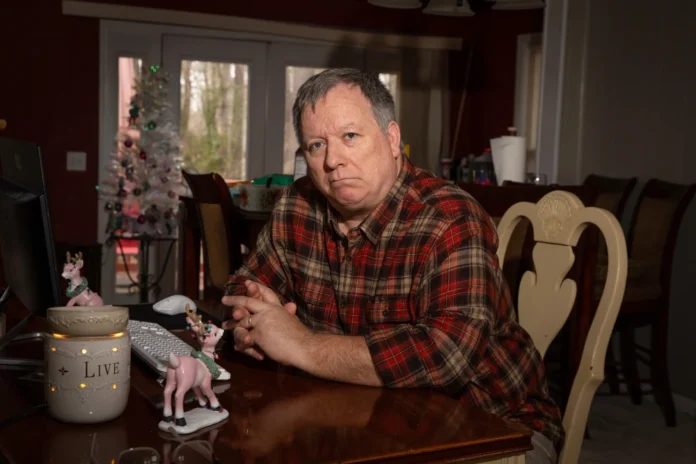
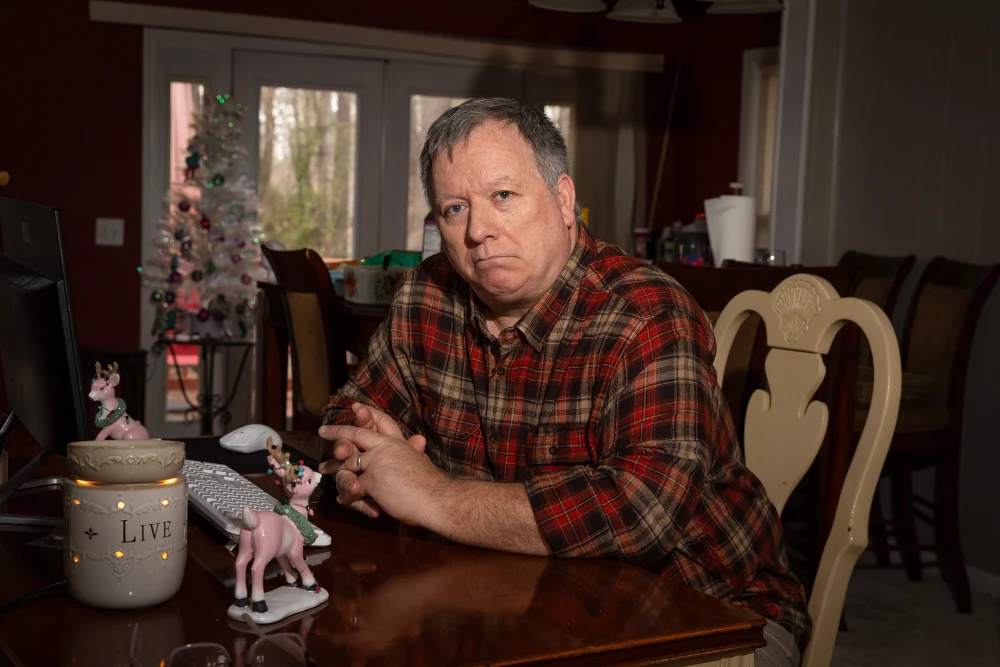
A Tennessee man who spent more than a month in jail over a social media post referencing the killing of Charlie Kirk has reached an $835,000 settlement with local officials, closing a case that has drawn national attention over free speech protections.
The settlement resolves a federal lawsuit filed by Larry Bushart, a 61-year-old retired police officer, who was jailed for 37 days after authorities charged him with a felony linked to a Facebook post. Prosecutors later dropped the charge in October.
Bushart said the agreement affirms his constitutional rights. “I am pleased my First Amendment rights have been vindicated,” he said in a statement, adding that he looks forward to moving on with his family after the ordeal.
The case, first detailed by The Associated Press, stood out among several incidents nationwide in which individuals faced professional consequences for online comments about Kirk’s death. Bushart’s case was unusual because it resulted in criminal prosecution rather than workplace discipline.
According to court filings, Bushart lost a postretirement job during his incarceration and missed major family milestones, including his wedding anniversary and the birth of his granddaughter.
Authorities in Perry County arrested Bushart in September after he declined to remove posts that included memes referencing the killing. One widely cited post paired an image of President Donald Trump with a quote tied to a previous school shooting, which investigators said caused alarm among local residents.
Sheriff Nick Weems acknowledged at the time that much of Bushart’s content fell under protected speech. However, he said concerns arose that one post could be interpreted as a threat to a nearby school, despite references linking it to an incident in another state.
Bushart’s bail was initially set at $2 million before he was released as scrutiny of the case intensified.
Legal advocates say the outcome underscores the limits of law enforcement authority when confronting controversial or offensive speech online. Cary Davis, an attorney with the Foundation for Individual Rights and Expression, which supported Bushart’s case, said the settlement sends a broader signal.
“It’s in times of heightened tension that the nation’s commitment to free speech is tested,” Davis said, emphasizing that constitutional protections remain critical even when speech provokes public backlash.
County officials have not publicly commented in detail on the settlement.
The Bushart case highlights a growing tension in the United States between public safety concerns and the constitutional guarantee of free expression, particularly in the digital age. Law enforcement agencies increasingly face pressure to respond quickly to online content that may be perceived as threatening, even when intent is unclear.
Legal experts note that courts have consistently set a high bar for criminalizing speech, requiring clear evidence of a credible threat rather than ambiguous or offensive language. The decision to detain Bushart, followed by the dismissal of charges, illustrates how quickly authorities can overstep when interpreting online communication during emotionally charged events.
The financial cost of the settlement may also influence how local governments handle similar situations in the future. Large payouts tied to civil rights violations often prompt policy reviews, additional training for officers, and more cautious approaches to arrests involving speech.
More broadly, the case reflects a national debate about how platforms like Facebook amplify controversial expression and how institutions respond. While employers and communities may react strongly to certain posts, the Constitution places strict limits on when the government can intervene.
As social media continues to blur the line between private expression and public impact, cases like Bushart’s are likely to shape the evolving boundaries of free speech enforcement in the United States.