Home Blog Page 26

Trump Shares Image of Himself with Jesus Amid Ongoing Criticism of Pope

0

Donald Trump posted a digitally altered image depicting himself in a close embrace with Jesus Christ on Wednesday, escalating an ongoing public clash between his administration and Pope Leo XIV.

The image, shared on Trump’s Truth Social platform, shows the president standing at a microphone with an American flag behind him, leaning forward with his eyes closed as he presses his forehead against a similarly posed depiction of Jesus. The original version circulating online included a caption suggesting divine favor, while Trump added his own commentary, writing: “The Radical Left Lunatics might not like this, but I think it is quite nice!!!”

The post follows a series of exchanges between Trump and Pope Leo XIV that have drawn attention from political and religious leaders. Earlier in the week, Trump shared another image portraying himself in a Christ-like manner, which sparked widespread criticism before being removed.

Trump, who does not regularly attend church services, maintains strong support among Christian voters, including Catholics. His relationship with Pope Leo has grown increasingly strained in recent days, particularly over disagreements tied to international conflict and moral responsibility in warfare.

In a separate message posted Tuesday, Trump urged others to inform the pope about violence against protesters in Iran and reiterated his stance that Iran must not obtain nuclear weapons. The remarks were part of a broader series of criticisms directed at the Vatican’s position on global conflicts.

Vice President JD Vance, who converted to Catholicism in 2019, also weighed in on the dispute. Speaking Tuesday evening, Vance challenged remarks attributed to the pope suggesting that followers of Christ do not support those who engage in acts of war. He emphasized the need for caution when addressing theological matters, signaling disagreement within the administration with the pope’s framing.

Pope Leo XIV responded earlier this week, stating he would not be deterred by criticism from political leaders. During a speech delivered Monday in Algiers, he condemned what he described as powerful nations violating international law and engaging in practices he characterized as modern forms of domination, though he did not identify specific countries.

The online reaction to Trump’s latest post appeared less intense than the backlash triggered by his earlier image. Still, prominent figures within Catholic organizations and U.S. politics continued to comment on the growing divide.

The Knights of Columbus, one of the largest Catholic lay organizations in the United States, issued a statement defending the pope. Supreme Knight Patrick Kelly said Pope Leo XIV has consistently promoted peace and dialogue amid global conflict. “The Holy Father’s words are rooted in the Gospel and are not political messaging,” the statement said.

Meanwhile, House Speaker Mike Johnson acknowledged that criticism of the pope was likely given his comments on geopolitical issues. Speaking at a news conference, Johnson indicated he was surprised by the pope’s remarks suggesting that prayers from those engaged in warfare may not be heard. He pointed to the long-standing concept of “just war” within Christian theology, which addresses the moral justification for armed conflict under specific conditions.

Johnson’s remarks appeared to reference comments Pope Leo XIV delivered in late March at St. Peter’s Square, where the pontiff cited scripture to emphasize that violence contradicts the teachings of Christ.

The latest exchange underscores a widening rift between political leadership in Washington and the Vatican at a time of heightened global tensions. While disagreements between U.S. administrations and religious leaders are not new, the public and highly personal tone of this dispute marks a notable shift.

President Donald Trump’s use of religious imagery in political messaging reflects a broader strategy aimed at reinforcing his connection with faith-based supporters. However, such imagery also risks alienating religious communities that view the blending of sacred symbols with political rhetoric as inappropriate or disrespectful. The mixed response to his latest post suggests that public reaction may be evolving, with some fatigue setting in after repeated controversies.

The involvement of senior administration officials, including Vice President JD Vance, indicates that the disagreement extends beyond individual remarks and into broader ideological differences. At the center of the dispute is a fundamental question about the role of religion in shaping views on war and international policy.

Pope Leo XIV’s emphasis on peace and moral accountability aligns with longstanding Catholic teachings that prioritize diplomacy and humanitarian considerations. However, his comments have placed him at odds with political leaders who argue that military action can be justified under certain circumstances, particularly in matters of national security.

The reference to the “just war” doctrine by House Speaker Mike Johnson highlights this tension. While the doctrine provides a theological framework for evaluating the ethics of war, its interpretation varies widely, and its application to modern conflicts remains a subject of debate among scholars and policymakers.

The broader geopolitical context also plays a significant role. With ongoing conflicts involving Iran and other regions, statements from both political and religious leaders carry heightened significance. The pope’s criticism of global powers, even without naming specific countries, is likely to be interpreted through the lens of current events, adding to diplomatic sensitivities.

Domestically, the dispute may influence public discourse among American Catholics, a diverse group with varying political views. While some may support the administration’s stance, others may align more closely with the pope’s calls for restraint and moral reflection. This dynamic could have implications for political engagement and voter sentiment in the months ahead.

Ultimately, the episode reflects a broader intersection of politics, religion, and communication in the digital age. Social media platforms have amplified the reach and immediacy of such disputes, turning what might once have been private disagreements into highly visible public debates. As both sides continue to articulate their positions, the interplay between faith and السياسة—translated into civic and moral debate—will remain a focal point in both domestic and international conversations.

Reuters

Teen Gunman Kills 9 at Turkey School, Second Shooting in Two Days Shocks Nation

0

A 14-year-old student opened fire inside a middle school in southeastern Turkey on Wednesday, killing nine people and wounding 13 others before taking his own life, officials said, marking the country’s second school shooting in as many days.

Interior Minister Mustafa Ciftci confirmed that eight students and one teacher were killed in the attack in Kahramanmaras province. He added that several of the injured remain in critical condition as medical teams continue treatment efforts.

Authorities indicated the violence was not linked to organized militancy. “This was a personal act carried out by one of our students and does not constitute terrorism,” Ciftci told journalists during a briefing.

Earlier, provincial governor Mukerrem Unluer outlined details of the assault, describing how the student arrived armed with multiple weapons and ammunition. “An eighth-grade student entered the school carrying five firearms and seven magazines, which are believed to belong to his father, a former police officer,” Unluer said. “He entered two classrooms of younger students and opened fire indiscriminately.”

The attacker later died by suicide amid the chaos, Unluer added.

The victims included fifth-grade students, typically aged 10 and 11, underscoring the scale of the tragedy at a school level rarely associated with such violence in Turkey.

Broadcaster NTV indicated that the suspect’s father had been taken into custody as part of the ongoing investigation, though officials have not publicly detailed potential charges or legal actions.

Scenes from the school showed a rapid emergency response, with ambulances arriving as police secured the area and anxious families gathered outside the gates. Footage aired by Turkish media captured the aftermath, while unverified videos circulating online appeared to show students leaping from upper-floor windows as gunfire echoed through the building. Separate surveillance images, also unverified, seemed to depict the attacker firing in a hallway.

The shooting comes just one day after another violent incident at a school in the southeastern province of Sanliurfa. In that case, a former student wounded at least 16 people, including students and teachers, before dying by suicide.

The back-to-back attacks have shaken a country where school shootings remain extremely uncommon. Turkey maintains relatively strict firearm regulations, requiring individuals to be at least 21 years old and licensed to own weapons. Despite these restrictions, firearms are present across the country, particularly among security personnel and former officers.

When pressed about potential policy changes following the two incidents, Ciftci said authorities would evaluate security measures but did not provide specifics. “Necessary steps will be taken,” he said.

The twin school shootings in Turkey represent a deeply unsettling departure from the country’s historical pattern, where such incidents have been rare compared with other parts of the world. The fact that both attacks occurred within 48 hours is likely to intensify scrutiny of school safety protocols, firearm access, and mental health support systems for young people.

One of the most striking elements in the Kahramanmaras attack is the reported access to multiple firearms, allegedly linked to a former police officer. This raises broader questions about how weapons are stored and monitored within households connected to law enforcement. Even in countries with relatively strict gun laws, loopholes or lapses in storage practices can create opportunities for unauthorized access, particularly by minors.

The targeting of younger students also adds a disturbing dimension. Attacks involving elementary or middle school populations tend to generate heightened public fear because they strike at environments widely considered safe. In Turkey, where schools have not historically been focal points of gun violence, the psychological impact may be especially profound.

The government’s early emphasis that the attack was not terrorism appears aimed at preventing broader public panic or political escalation. However, the classification of the incident as a “personal act” does not diminish its severity or the systemic questions it raises. Authorities may face increasing pressure to address underlying factors such as bullying, social isolation, or mental health challenges that can contribute to youth violence.

The second shooting in Sanliurfa further complicates the national response. While details differ, the proximity of the two incidents could lead to concerns about copycat behavior, a phenomenon observed in other countries following high-profile attacks. This possibility may influence how Turkish officials and media outlets handle information dissemination in the coming days.

Another critical issue is emergency preparedness within schools. Reports of students jumping from windows to escape gunfire suggest that evacuation procedures and physical safety measures may require reassessment. Investments in secure entry points, communication systems, and staff training could become central to policy discussions.

Internationally, the events may draw comparisons with countries that have grappled with repeated school shootings, prompting debate about whether Turkey is witnessing an isolated anomaly or the early signs of a broader trend. The answer will likely depend on how authorities respond in the immediate aftermath and whether preventive measures are strengthened.

For now, the focus remains on the victims and their families, as well as the recovery of those injured. Yet the broader implications of the attacks—ranging from firearm oversight to youth mental health—are expected to shape public discourse in Turkey in the weeks ahead.

NBC/Reuters

Nigeria Tightens Security as Intelligence Warns of Planned Attacks on Abuja Airport, Prison

0

Nigeria’s security agencies have intensified vigilance following intelligence indicating a possible large-scale attack targeting key infrastructure in the capital and surrounding regions, according to an internal government communication obtained by The Associated Press.

The document, dated April 13 and circulated within the Nigeria Customs Service, outlines a suspected plot by Islamist militants to strike major public facilities, including the Nnamdi Azikiwe International Airport in Abuja, a correctional center in the capital, and a military detention facility in neighboring Niger state.

The memo underscores concerns that the attackers aim to free detained fighters and cause extensive disruption to aviation operations. “Their intention is to release detained terrorists and inflict significant damage on critical aviation infrastructure,” the document states.

Security officials view the threat as part of a broader regional pattern. The communication highlights similarities to a January assault in neighboring Niger Republic, where militants targeted an air force installation in Niamey. That incident, cited in the memo, has heightened fears that comparable tactics could be deployed within Nigeria.

“An analysis of the intelligence indicates a troubling link between the potential targeting of the Nnamdi Azikiwe Airport Abuja and recent large-scale attacks on aviation facilities in Niger Republic, notably in Niamey and Tahoua,” the memo notes. “This points to a possible attempt by terrorist groups to replicate those attack patterns inside Nigeria.”

A senior customs official, speaking on condition of anonymity due to lack of authorization to brief the press, confirmed heightened readiness across agencies. The official indicated that both military and paramilitary units have been mobilized to prevent any attempted assault.

Requests for comment sent to the Nigeria Customs Service and the Nigerian military were not immediately answered.

Nigeria has faced persistent security challenges for more than a decade, particularly in its northern regions, where extremist groups and armed criminal networks operate. The insurgency has been driven largely by Boko Haram and its offshoot, the Islamic State West Africa Province, known as ISWAP. Both organizations have carried out attacks on civilian and government targets, including transportation hubs and detention facilities.

The internal memo indicates that sleeper cells linked to these groups could be involved in the latest plot. It also points to the growing presence of another armed faction, identified as Lakurawa, operating in northwestern communities near the border with Niger Republic.

The threat of prison breaks remains a critical concern for Nigerian authorities. In 2022, militants stormed a correctional facility near Abuja, enabling the escape of 879 inmates, including 64 individuals affiliated with ISWAP. That incident exposed vulnerabilities in the country’s security infrastructure and intensified calls for reforms.

Recent developments have further underscored the volatile security environment. Last week, the United States authorized the departure of non-emergency government personnel and their families from its embassy in Abuja, citing increased risks of terrorist activity, kidnapping, and violent crime. The embassy has since suspended operations.

Nigeria’s Information Minister Mohammed Idris downplayed the move, describing it as a standard safety measure. He maintained that the decision reflects internal U.S. procedures rather than a deterioration in Nigeria’s overall security conditions.

The intelligence warning highlights a critical moment for Nigeria as it navigates overlapping security threats that are increasingly interconnected across West Africa. The reference to attacks in Niger Republic suggests that militant groups are adapting strategies across borders, leveraging regional instability to test new targets and tactics.

Airports and prisons represent symbolic and strategic objectives. Aviation facilities are not only high-visibility targets but also essential economic lifelines. Disrupting airport operations could undermine investor confidence and strain international connectivity. Meanwhile, prison attacks serve a dual purpose: freeing experienced fighters and delivering a propaganda victory that demonstrates operational reach.

The mention of sleeper cells is particularly significant. Unlike large-scale coordinated assaults, sleeper cell operations are harder to detect and prevent, often relying on local networks and insider knowledge. This raises concerns about intelligence gaps and the need for improved coordination among security agencies.

Nigeria’s broader security landscape also complicates response efforts. In addition to extremist insurgencies, the country faces widespread kidnapping-for-ransom operations and banditry, particularly in rural and border regions. These overlapping threats stretch resources thin and create opportunities for militant groups to exploit weaknesses.

The U.S. embassy’s decision to reduce staff presence, while described as routine, may influence international perceptions. Even if precautionary, such actions can signal heightened risk to foreign investors and diplomatic partners, potentially affecting economic activity and cooperation.

Looking ahead, Nigeria’s ability to counter the threat will likely depend on intelligence-sharing, regional collaboration, and targeted security enhancements at vulnerable sites. Strengthening airport security protocols, reinforcing detention facilities, and improving surveillance in high-risk areas will be key steps.

At the same time, long-term stability will require addressing the root causes of militancy, including poverty, unemployment, and governance challenges in affected regions. Without these structural changes, security gains may remain temporary, and the cycle of attacks could persist.

AP

250 Missing After Migrant Boat Sinks in Andaman Sea as Rescue Efforts Remain Unclear

0

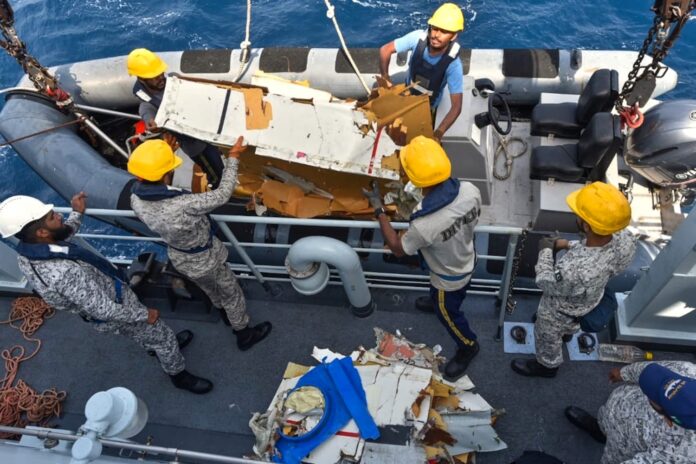
At least 250 people are missing after a crowded migrant boat sank in the Andaman Sea while traveling toward Malaysia, raising fresh concerns about the dangers faced by displaced populations attempting risky sea journeys.

Officials said only nine survivors have been found so far. A spokesperson for the Bangladesh Coast Guard confirmed that the individuals were rescued on April 9 after being spotted floating in open waters. The survivors included three members of a persecuted minority group from Myanmar and six citizens of Bangladesh.

The rescue was carried out by the crew of a commercial vessel, the M.T. Meghna Pride, which encountered the survivors during a voyage from the port city of Chittagong to Indonesia. Authorities indicated the operation was not part of a formal search mission, as the incident occurred outside Bangladesh’s territorial waters.

The exact timing of the sinking remains unclear, and as of Wednesday, there had been no confirmed large-scale search and rescue operation underway. Officials have not provided updated figures on how many people may still be alive or whether additional survivors have been located.

In a joint statement, the United Nations refugee agency and the International Organization for Migration indicated that the vessel departed from Teknaf, a coastal area in southern Bangladesh that serves as a major transit point for migrants. The boat was reportedly carrying a large number of passengers bound for Malaysia, a common destination for those seeking better economic opportunities.

Preliminary findings suggest the vessel capsized due to a combination of overcrowding, strong winds, and rough sea conditions. Such factors have frequently contributed to maritime disasters in the region, where many boats are unregulated and lack basic safety equipment.

A communications officer working with refugee operations in Cox’s Bazar said there were no additional updates available, underscoring the limited information surrounding the incident. Another coast guard official, speaking on condition of anonymity due to policy restrictions, confirmed that all nine survivors were safely transferred to authorities in Teknaf after being brought ashore.

The missing passengers are believed to include both Bangladeshi nationals and members of a stateless minority group who have fled violence in Myanmar. Many individuals from this group have spent years in refugee camps in Bangladesh, facing limited access to employment, education, and long-term stability.

The United Nations agencies emphasized that the incident reflects a broader humanitarian crisis driven by prolonged displacement and lack of viable solutions. Ongoing violence in Myanmar has made it difficult for refugees to return home safely, while conditions in camps continue to push many toward dangerous migration routes.

According to the agencies, many migrants are persuaded to undertake these journeys based on promises of stable jobs and improved living conditions abroad. However, these trips are often organized by smuggling networks that operate with little regard for safety, leading to frequent tragedies at sea.

Bangladesh currently hosts more than one million refugees from Myanmar, placing significant strain on resources and infrastructure in coastal regions such as Cox’s Bazar. International organizations have repeatedly called for increased global support to address both immediate humanitarian needs and long-term solutions.

Despite repeated warnings, maritime crossings in the Andaman Sea and nearby waters remain a persistent route for migrants. The absence of coordinated international rescue frameworks has often resulted in delayed responses to emergencies, increasing the likelihood of mass casualties.

This latest disaster highlights a worsening pattern in maritime migration across South and Southeast Asia. With limited legal pathways for relocation and growing desperation among displaced populations, more individuals are turning to unsafe routes controlled by traffickers. The lack of consistent naval patrols and coordinated rescue mechanisms in international waters further compounds the risk.

The situation also underscores the broader geopolitical challenges tied to refugee crises. Without a political resolution in Myanmar and sustained international funding for refugee-hosting countries like Bangladesh, similar incidents are likely to continue. The economic pull of countries such as Malaysia, combined with misinformation spread by smuggling networks, creates a cycle that is difficult to break.

Additionally, the absence of immediate large-scale search efforts raises concerns about accountability and response readiness. In many cases, delayed action significantly reduces survival chances for those stranded at sea.

The Associated Press

Gang Jailed After £1 Million Burglary Spree Across England as Police Uncover Trail of DNA, Vehicles and Stolen Goods

0

Five members of an Albanian organized crime group have been sentenced to lengthy prison terms after carrying out a series of high-value burglaries across England, stealing goods worth more than £1 million and boasting about their crimes.

Authorities said the group targeted homes across multiple regions, including Derbyshire, Cheshire, Staffordshire and Nottinghamshire, using ladders to access upper floors before stealing cash, jewelry, watches and designer items. Investigators tied the group to at least 59 break-ins, describing the operation as coordinated and deliberate.

At Chester Crown Court, Kristian Gropcaj, 30, was sentenced to 10 years in prison, while George Pepa, 31, and Krisjian Dedndreaj, 28, each received nine-year terms. Sidorjan Lleshi, 26, was sentenced to 10 years and nine months. Endrit Nikolli, 27, is due to be sentenced at a later date.

A sixth defendant, Jade Tubb, 33, from Britain, admitted involvement in handling stolen goods and was given a 12-month suspended sentence.

Police said the group frequently entered properties through first-floor windows or balconies after using ladders, often striking while residents were inside. Once inside, they removed valuables and quickly sold most of the stolen items for cash.

One victim described the experience as deeply unsettling, recalling how intruders entered the home while occupants were just one floor away. The family barricaded themselves inside a room, uncertain whether the burglars were armed or how many were present.

The investigation began in October 2024 following a spike in burglaries in eastern Cheshire. Detectives later linked incidents across several counties through consistent methods and forensic evidence.

Footwear impressions found at multiple scenes provided an early breakthrough, allowing officers to connect crimes across jurisdictions. Investigators then used automatic number plate recognition technology to track vehicles seen near the burglaries. A red Ford Focus linked to Gropcaj was identified as being present at several locations.

Further analysis of mobile phone data showed frequent communication between members of the group, while surveillance revealed regular meetings at a coffee shop in Birmingham’s Jewelry Quarter. DNA evidence recovered from one burglary scene in Staffordshire was matched to Nikolli, strengthening the case.

Police carried out coordinated raids on properties in Walsall, Sutton Coldfield and Birmingham in July, arresting several suspects. Dedndreaj was later detained in Surrey, and Lleshi was arrested at his home in Sheffield in September.

During the searches, officers recovered designer handbags, watches valued at nearly £17,000, and mobile phones containing location searches linked to burglary sites. Investigators also found images and messages showing stolen goods, which authorities said the group shared among themselves.

Detectives said the suspects openly celebrated their activities, circulating photos of valuables and referring to their criminal lifestyle in personal communications. Letters exchanged between Nikolli and Tubb included references to infamous outlaw partners, highlighting what police described as a lack of remorse.

Detective Sergeant Laura Fox of Macclesfield’s criminal investigation department said the group demonstrated a calculated approach, researching targets in advance and expanding operations across multiple police areas to avoid detection.

She added that the offenders showed little regard for victims, focusing instead on profits and status within their network.

Detective Inspector Ryan McVeigh emphasized the scale and complexity of the investigation, noting that cooperation between multiple police forces was key to dismantling the group.

He said the case illustrates how law enforcement agencies share intelligence across regions to track offenders who attempt to operate beyond local boundaries.

The case highlights a growing trend of highly mobile burglary networks operating across multiple regions, exploiting jurisdictional gaps and targeting affluent households. By moving frequently and coordinating across counties, such groups aim to reduce the risk of detection, but advances in surveillance technology and data sharing are increasingly undermining those tactics.

The use of automatic number plate recognition systems, combined with forensic evidence such as DNA and footwear analysis, played a decisive role in linking the crimes. These tools allow investigators to identify patterns that might otherwise go unnoticed, particularly when offenses span several regions.

The group’s reliance on social messaging and digital mapping also proved to be a critical vulnerability. Authorities say the digital trail left by suspects—ranging from location searches to shared images—has become one of the most valuable sources of evidence in modern criminal investigations.

The psychological impact on victims is another key aspect of the case. Burglaries carried out while residents are present often cause long-term trauma, as victims are left with a sense of vulnerability in their own homes. Law enforcement officials have increasingly emphasized this dimension when assessing the seriousness of such offenses.

From a broader perspective, the case underscores the importance of inter-agency collaboration in tackling organized crime. The successful prosecution relied on coordination between multiple police forces, demonstrating how shared intelligence can overcome the challenges posed by cross-border criminal activity.

While the sentencing brings closure to dozens of victims, authorities caution that similar networks remain active. The combination of high-value targets and relatively low initial risk continues to attract organized groups, making ongoing vigilance and technological investment essential for prevention.

Skynews/Coventry

US and Iran Signal Possible Return to Talks in Pakistan as Naval Blockade Raises Stakes

0

The United States and Iran are weighing a return to negotiations in Pakistan as early as this week, even as a new U.S. naval blockade targeting Iranian ports heightens tensions and disrupts global energy markets.

President Donald Trump indicated Tuesday that discussions could restart within days, pointing to renewed diplomatic momentum following the collapse of high-level talks over the weekend. In remarks to the New York Post, Trump suggested Washington is inclined to resume negotiations in Islamabad, praising Pakistan’s military leadership for facilitating the process.

“Something could be happening over the next two days,” Trump said, adding that Pakistan remains a preferred venue for renewed engagement.

Sources familiar with the discussions, cited by Reuters, said both sides are considering sending delegations back to Islamabad, with a tentative window later this week. While no fixed date has been confirmed, officials on both sides have left open the possibility of meetings between Friday and Sunday.

The renewed diplomatic signals come days after negotiations between U.S. Vice President JD Vance and Iran’s parliamentary speaker, Mohammad Bagher Qalibaf, ended without agreement. The talks, the highest-level direct engagement between the two countries in decades, had raised hopes of extending a fragile ceasefire that has largely held despite continued hostility.

A U.S. official said efforts to reach a deal remain active, describing ongoing communication as forward-moving. Pakistan’s Prime Minister Shehbaz Sharif also indicated that mediation efforts are continuing behind the scenes.

Trump has reiterated that any agreement must prevent Iran from obtaining nuclear weapons, maintaining a firm stance that enriched nuclear material must be removed and subject to verification. Vance echoed that position, saying Washington had identified areas for limited compromise while remaining firm on core demands.

Despite the diplomatic overtures, the conflict has intensified economically and militarily. Following the breakdown in talks, the United States moved to block shipping traffic to and from Iranian ports, a measure enforced by U.S. Central Command beginning Monday. The blockade stops short of fully closing the Strait of Hormuz, allowing vessels not linked to Iran to continue transit through the critical waterway.

Iran has condemned the move and warned of retaliation, including potential strikes on naval vessels and regional ports. Iranian officials have also insisted the strategic passage remains under their control, signaling a willingness to escalate if the blockade expands.

The Strait of Hormuz remains a central flashpoint in the conflict. Before hostilities began, the narrow channel carried roughly one-fifth of global oil and gas supplies. Iran’s earlier restrictions on the passage, combined with the U.S. response, have significantly disrupted global energy flows and heightened fears of a broader economic shock.

Shipping data reviewed by Reuters showed limited vessel movement through the strait since the blockade began, though some ships not bound for Iranian ports have continued to pass. The movements highlight the complex enforcement environment, as U.S. forces attempt to restrict Iranian-linked traffic without fully halting international trade.

The economic impact has been immediate. Oil prices, which surged sharply after the blockade announcement, retreated Tuesday amid renewed hopes for diplomacy. Brent crude fell below $100 per barrel, while U.S. crude also declined after earlier gains. Analysts say the prospect of resumed talks has eased immediate concerns over prolonged supply disruptions.

Still, uncertainty remains high. Financial institutions and energy analysts warn that even a partial blockade could remove millions of barrels of oil from the global market. The International Monetary Fund, World Bank, and International Energy Agency have all cautioned against panic measures such as stockpiling or export restrictions, noting the risk of amplifying market volatility.

NATO allies, including Britain and France, have declined to participate in the U.S. blockade, instead urging efforts to reopen the waterway and stabilize shipping routes. Their stance underscores the limited international support for the operation and highlights divisions among Western allies over how to manage the crisis.

Meanwhile, the broader conflict continues to reverberate across the region. Israel has maintained military operations in Lebanon, while Iran has sought compensation from regional governments it accuses of supporting U.S. actions. The overlapping conflicts complicate ceasefire efforts and increase the risk of miscalculation.

The current ceasefire between the United States, Israel, and Iran has largely held for a week, though both sides continue to exchange sharp warnings. Trump has claimed that Iran’s naval capabilities were significantly degraded during the conflict, while Iranian officials have vowed to respond forcefully to any perceived violations.

The potential resumption of talks reflects a delicate balance between confrontation and diplomacy. While both sides are signaling openness to negotiation, their actions suggest a strategy of applying maximum pressure while keeping diplomatic channels open.

For the United States, the blockade represents a high-stakes attempt to weaken Iran’s economic leverage without triggering a full-scale regional war. By targeting Iranian ports rather than closing the entire strait, Washington appears to be calibrating its approach to avoid alienating allies and disrupting global trade beyond a manageable level.

Iran, for its part, is leveraging its geographic position and influence over the strait to maintain bargaining power. Its threats to retaliate against shipping and regional infrastructure highlight the risks of escalation, particularly if enforcement of the blockade becomes more aggressive.

The role of Pakistan as a mediator is also significant. Islamabad’s ability to host and facilitate talks positions it as a key diplomatic player, potentially reshaping regional alliances and influence. Trump’s public praise for Pakistan’s military leadership suggests Washington may be seeking to strengthen ties with the country as part of a broader strategy.

Energy markets remain highly sensitive to developments. Even the hint of resumed negotiations has been enough to ease prices, demonstrating how closely global markets are tied to geopolitical signals. However, analysts warn that any breakdown in talks or escalation at sea could quickly reverse those gains.

Looking ahead, the next round of talks—if confirmed—will likely focus on bridging gaps over nuclear restrictions and verification mechanisms. These issues have long been central to U.S.-Iran tensions and remain the primary obstacle to a lasting agreement.

The coming days will be critical in determining whether diplomacy can gain traction or whether the situation will drift toward further escalation. For now, both sides appear to be testing the limits of pressure while leaving the door open for negotiation.

Reuters/Tribune

Benin Finance Minister Romuald Wadagni Wins Presidency in Landslide With Over 94% of Vote

0

Benin’s finance minister, Romuald Wadagni, secured a commanding victory in the country’s presidential election, taking more than 94% of the vote in a result that underscores the dominance of the ruling political establishment and signals continuity in economic policy and governance.

Provisional figures released by the national electoral commission showed Wadagni with an overwhelming lead after more than 90% of ballots were counted. The commission’s chairman, Sacca Lafia, announced the results on national television, noting that voter turnout reached nearly 59%, reflecting moderate participation in a race widely viewed as lacking strong competition.

Wadagni’s only challenger, opposition figure Paul Hounkpe, conceded defeat early Monday, effectively confirming the outcome before final certification by the Constitutional Court. The margin of victory, one of the largest in the country’s democratic history, highlights the imbalance in political influence between the ruling coalition and a fragmented opposition.

Coverage by The Africa Report, citing AFP, indicated Wadagni captured approximately 94.05% of the vote, while Hounkpe received just under 6%. The report emphasized that the result had been anticipated by many observers due to the absence of major opposition forces and the strong backing Wadagni received from the outgoing administration.

Wadagni is set to succeed President Patrice Talon, who is stepping down after completing two constitutionally mandated terms. During Talon’s tenure, Benin experienced sustained economic growth driven by fiscal reforms, infrastructure investment, and improved public finance management. However, the period was also marked by criticism over restrictions on political freedoms and growing security threats in the country’s northern regions.

Election officials described the vote as calm and orderly nationwide. Regional observers from the Economic Community of West African States commended what they characterized as a peaceful atmosphere and efficient administration of the ballot. At the same time, a civil society monitoring group documented irregularities, including early openings of polling stations and isolated claims of pre-filled ballot boxes, raising questions about electoral transparency.

Turnout appeared uneven, with stronger participation in rural areas than in major urban centers such as Cotonou and Porto-Novo. Analysts noted that urban voter apathy may reflect skepticism about the competitiveness of the race, as the main opposition party was unable to field a candidate after failing to meet endorsement requirements.

Wadagni’s ascent to the presidency marks the culmination of a decade-long tenure as finance minister, where he played a central role in reshaping Benin’s economic framework. Appointed in 2016, he oversaw efforts to reduce the fiscal deficit, expand infrastructure development, and attract foreign investment. Economic growth averaged above 6% annually during this period, positioning Benin as a relative success story in the region.

Born in 1976 in Lokossa, Wadagni comes from a family with strong academic and professional credentials. His father was a noted economist, and his mother an entrepreneur. He studied finance in France and later trained at Harvard before building a career at Deloitte, where he became a partner involved in African operations. His return to public service marked a shift from the private sector to government leadership at a relatively young age.

Throughout the campaign, Wadagni sought to broaden his public image beyond that of a technocrat. He traveled extensively across the country, holding multiple rallies each day and delivering speeches without prepared notes. Supporters described him as approachable and pragmatic, traits they argue helped bridge the gap between policy expertise and voter engagement.

Despite his strong mandate, Wadagni faces a complex set of challenges as he prepares to take office. Security concerns remain a pressing issue, particularly in the north, where armed groups have intensified attacks in recent years. The expansion of violence into previously stable areas has strained the military and raised concerns about regional stability.

Economic sustainability will also test the incoming administration. While growth has been robust, maintaining momentum amid global uncertainties and domestic pressures will require careful management. Analysts suggest that Wadagni is likely to continue policies focused on fiscal discipline and investment, though expectations for broader social inclusion and job creation are rising.

Political reform is another area drawing scrutiny. Critics argue that recent years have seen a narrowing of democratic space, including legal actions against opposition figures and tighter controls on political participation. Whether Wadagni will maintain or ease these policies remains an open question that could shape his legacy.

Diplomatically, continuity is expected. Wadagni has signaled support for existing international partnerships while expressing interest in improving relations with neighboring countries facing political tensions. His approach may be tested as regional dynamics evolve, particularly in areas affected by instability and shifting alliances.

The scale of Wadagni’s victory, while decisive, also underscores the structural challenges facing Benin’s democracy. The absence of a strong opposition candidate and the concentration of political power raise concerns about the competitiveness of future elections and the resilience of democratic institutions.

Wadagni’s landslide win reflects more than electoral success; it signals a consolidation of power within Benin’s ruling establishment. While stability and policy continuity may reassure investors and international partners, the lack of competitive political alternatives could deepen concerns about governance and accountability.

The election also highlights a broader trend in parts of West Africa, where economic reform agendas often coincide with tighter political control. In Benin’s case, the balance between growth and democratic openness will likely define the next phase of its development.

Security risks add another layer of complexity. As violence spreads southward from the Sahel, Benin’s ability to maintain internal stability while pursuing economic ambitions will be closely watched. Wadagni’s experience in fiscal management may not directly translate to security leadership, making this a critical test of his presidency.

At the same time, his technocratic background could prove advantageous in navigating economic shocks and maintaining investor confidence. If paired with meaningful political reforms, his administration could reinforce Benin’s reputation as a stable and growing economy in the region.

Ultimately, Wadagni’s presidency begins with a strong mandate but equally high expectations. The coming years will determine whether that mandate leads to inclusive progress or further centralization of power.

Reuters/TheAfricaReport

Nigerian Police Arrest 50 Terrorism Suspects, Recover Anti-Aircraft Launcher in Nationwide Operations

0

The Nigeria Police Force has announced the arrest of 50 suspects and the recovery of high-grade weapons, including an anti-aircraft launcher, in a nationwide operation targeting terrorism, kidnapping, and armed robbery—successes authorities characterized as significant progress in dismantling criminal syndicates terrorizing communities across multiple states.

The breakthrough was disclosed in a Tuesday statement signed by the Force Public Relations Officer Anthony Placid, detailing a press briefing held on April 13, 2026, at the Force Intelligence Department–Intelligence Response Team headquarters in Abuja. According to Placid, the operations carried out by the FID-IRT form part of a sustained offensive against criminal networks across the country.

Items recovered during the raids include 17 rifles, one anti-aircraft launcher, 111 rounds of live ammunition, 17 cartridges, five walkie-talkies, nine magazines, three mobile phones, and a vehicle. “From January 2026 to date, operatives have successfully dismantled various clandestine cells,” recovering rifles, an anti-aircraft launcher, ammunition, communication devices, and other items,” Placid confirmed.

The force disclosed one of the major successes recorded was the dismantling of a 33-member gang linked to terrorism, cattle rustling, and an attack on a church in Kwara State. “Among the most notable successes is the dismantling of thirty-three member gang responsible for acts of terrorism, cattle rustling, and the violent attack on the Christ Apostolic Church in Kwara State,” the statement indicated.

The statement added that operatives also arrested suspects connected to the killing of three police officers in Donga, describing the arrests as a significant step in ensuring justice for the slain officers whose deaths had outraged law enforcement communities nationwide.

Placid further disclosed that several criminal networks involved in “one-chance” abductions, car burglaries, and fake checkpoints were disrupted in the Federal Capital Territory and neighboring states. The “one-chance” operations involve criminals posing as commercial vehicle operators who rob and sometimes murder passengers who board their vehicles.

In a related operation, operatives arrested a 25-year-old suspect, Nasiru Ibrahim, in Benue State with an AK-47 rifle, a magazine, and ammunition. Preliminary investigations, according to the police, linked the suspect to a wanted bandit identified as Janari, who allegedly supplied the weapon.

“These arrests have not only removed dangerous individuals from the streets but have also led to the recovery of stolen property and operational assets used to terrorise unsuspecting citizens,” Placid emphasized, framing the operations as removing immediate threats while disrupting criminal supply chains.

Efforts are ongoing to apprehend the fleeing suspect and other members of the syndicate, police confirmed. The Inspector-General of Police Olatunji Rilwan Disu reaffirmed the force’s commitment to tackling insecurity, noting that the latest successes reflect intensified intelligence-driven policing replacing previous reactive approaches.

Disu added that several of the suspects would soon be charged in court while investigations continue to track down remaining accomplices and recover more illegal arms. The prosecution pledge addresses longstanding concerns about suspects being arrested then released without charges.

In another development, The Kaduna State Police Command disclosed it arrested no fewer than 41 suspected kidnappers and armed robbers and rescued seven abducted victims in a series of coordinated operations across the state in March and April 2026.

The state Commissioner of Police Rabiu Muhammad revealed this on Monday during a press briefing in Kaduna, where he outlined the command’s achievements in its ongoing fight against violent crimes that have plagued the state for years.

Muhammad explained the operations, driven by intelligence gathering and strategic deployments, also led to the recovery of 24 firearms, 200 rounds of live ammunition, and 50 rustled cows. “Within the period under review, the Command recorded significant successes, particularly in the fight against kidnapping and other violent crimes,” he stated.

“Through intelligence-led policing and the commitment of our officers, we have arrested 41 suspected kidnappers and armed robbers and successfully rescued seven kidnapped victims,” Muhammad declared, emphasizing the human impact of operations that returned victims to families who had feared they might never see their loved ones again.

The police boss noted that among the breakthroughs was the arrest of a suspected gunrunner in Kagarko Local Government Area, where 20 locally made Dane guns were recovered. “On April 7, 2026, following credible intelligence, operatives of the Anti-Kidnapping Unit arrested one Samaila Ilyasu and recovered 20 Dane guns from his possession,” he detailed.

Muhammad added that two suspected kidnappers were also apprehended on April 11 in Makarfi Local Government Area. “The suspects, Abdullahi Suleiman and Jibril Isyaku, have confessed to their involvement in kidnapping activities, and investigations are ongoing,” Muhammad confirmed.

The commissioner further disclosed that several informants aiding bandits were also arrested during the period under review—a significant development given that criminal operations depend heavily on intelligence about potential victims and security force movements.

“One Ali Usman, arrested on March 16 in Kachia Local Government Area, specialised in supplying information to bandits. Similarly, Haruna Abubakar and Yusufa Audu were arrested for providing intelligence and logistics support, including illicit drugs, to criminal elements,” Muhammad explained, describing how criminal networks function through distributed support systems.

In a related development, the command intercepted a consignment of ammunition concealed in a sack of guinea corn. “On April 1, 2026, operatives recovered 200 rounds of live ammunition and arrested two suspects, who confessed to transporting the items to a fleeing accomplice,” the Commissioner added, illustrating creative smuggling methods criminals employ.

Muhammad also disclosed that a notorious drug dealer identified as Mohammed Sani, popularly known as “Shanuna,” was arrested in Rigasa for alleged involvement in drug peddling, phone snatching, and gang-related crimes. “The suspect has been on our watchlist for terrorising parts of Rigasa and its environs,” he noted.

The police further recorded success in tackling cattle rustling with the arrest of two suspects and the recovery of 20 stolen cows in Giwa and Soba Local Government Areas. Similarly, operatives apprehended two suspected kidnappers linked to criminal activities in Kubau Local Government Area, while another suspect was arrested in Lere Local Government Area for alleged involvement in kidnapping operations.

Muhammad added that 13 suspects involved in armed robbery, phone snatching, and thuggery were arrested in Rigasa following a coordinated raid. “All the suspects confessed to their involvement in armed robbery, shop breaking, and other criminal activities,” he disclosed.

The command also arrested four suspects linked to motorcycle snatching and recovered a stolen TVS motorcycle, while another suspect was caught with stolen construction materials from the Ahmadu Bello Stadium site—crimes that may seem petty compared to kidnapping but significantly impact victims’ livelihoods.

“These achievements underscore our resolve to rid Kaduna State of criminal elements and ensure a safe environment for all law-abiding citizens,” Muhammad stated emphatically. He assured residents that the command would sustain its operations until all criminal networks in the state were dismantled.

“We will not relent in our efforts until Kaduna State is safe for everyone,” he pledged, though acknowledged that achieving that goal would require sustained effort over extended periods given the entrenchment of criminal networks.

The commissioner, however, appealed to residents to continue supporting the police with credible information. “The cooperation of the public has been instrumental to these successes. We urge citizens to continue to partner with security agencies to build a safer society,” he emphasized.

Muhammad also expressed appreciation to the Inspector-General of Police Olutunji Rilwan Disu for his leadership and Governor Uba Sani for his support to security agencies in the state—recognition that effective policing requires resources and political backing that governors must provide.

On Monday, residents of Imoga Community in Akoko Edo Local Government Area arrested a kidnap kingpin, Ismaila Ibrahim, who was identified by one of his escaped victims, Mallam Jamilu, a cow dealer in Ibillo. The National Coordinator of the Movement for the Advancement of Akoko Edo People, Dr. Bode Ekundayo, confirmed the suspect was arrested on Thursday, and one other person had also been arrested after making a confessional statement.

The nationwide arrests and weapons seizures represent significant tactical victories in Nigeria’s ongoing struggle against insecurity that has plagued multiple regions for years. However, fundamental questions remain about whether arresting dozens of suspects and seizing weapons will meaningfully degrade criminal capabilities or merely remove foot soldiers who can be quickly replaced.

The recovery of an anti-aircraft launcher raises particularly concerning questions about how such military-grade weaponry reached criminal hands and what targets they might have been intended for. Anti-aircraft systems in civilian criminal hands suggest either theft from military installations, purchases from corrupt officials, or smuggling across Nigeria’s porous borders.

For the seven rescued kidnapping victims in Kaduna, the police operations represented literal salvation from captivity that could have lasted weeks or months and potentially ended in death if ransoms were not paid. For families of the three murdered police officers in Donga, the arrests may provide some measure of justice though no legal proceedings can restore their lost loved ones.

The emphasis on intelligence-led policing rather than reactive responses represents important evolution in Nigerian law enforcement approaches, though whether such intelligence capabilities can be sustained given resource constraints and corruption challenges remains uncertain.

As suspects begin facing prosecution and investigations continue targeting remaining gang members, the fundamental test will be whether Nigeria’s criminal justice system can successfully convict and incarcerate these individuals or whether they will be released due to insufficient evidence, corruption, or systemic failures that have historically allowed even arrested criminals to return to operations.

For now, police authorities celebrate tactical successes while acknowledging the ongoing nature of security challenges that will require sustained effort, adequate resources, and public cooperation to address comprehensively across Nigeria’s vast and diverse territory where criminal networks operate with varying degrees of impunity.

Punchng

Gunman Opens Fire at Turkish High School, Injures 16 Before Taking Own Life

0

A gunman opened fire inside a vocational high school in southeastern Turkey on Tuesday, wounding at least 16 people before taking his own life, authorities said.

The attacker, identified as an 18-year-old former student, entered the school in Siverek, located in Sanliurfa province, carrying a shotgun and began firing indiscriminately, regional governor Hasan Sildak said.

Among those injured were 10 students, four teachers, a cafeteria worker and a police officer. Most victims were treated locally, while several with more serious injuries were transferred to a hospital in the provincial capital for advanced care.

Officials said the suspect ended his life after police surrounded him inside the building. Authorities described the incident as isolated and confirmed the attacker had no prior criminal record.

Initial findings did not establish a motive. However, local media outlets, including Anadolu Agency, indicated the suspect may have posted threats on social media before carrying out the attack.

Students described scenes of panic as the shooting unfolded. One witness said the attacker entered a classroom without warning and opened fire, prompting students to drop to the ground before some fled by jumping from windows.

Emergency units quickly evacuated the campus as police secured the area. Video from the scene showed students rushing out of the building and onto nearby streets.

Authorities said a full investigation is underway to determine how the attack was planned and whether any warning signs were missed.

School shootings remain uncommon in Turkey, making the incident particularly alarming for a country where such attacks are not a frequent part of public safety concerns. The absence of a permanent police presence at the school, while typical in many parts of the country, may prompt renewed debate about campus security measures.

The reported use of social media to signal intent reflects a growing global pattern in acts of violence, where digital platforms can serve as early warning signs that are often overlooked or not acted upon in time. This raises broader questions about monitoring, reporting, and intervention systems.

The attack also highlights the vulnerability of educational institutions to sudden acts of violence, even in regions not typically associated with such incidents. As investigations continue, officials may face pressure to reassess safety protocols, particularly in vocational and public schools that operate with limited security infrastructure.

In the wider context, the incident underscores how isolated acts can still have significant national impact, shaping public perception and policy discussions around youth behavior, mental health, and access to weapons.

The Associated Press

Sanctioned China-Linked Tanker Crosses Strait of Hormuz Despite Trump’s Blockade

0

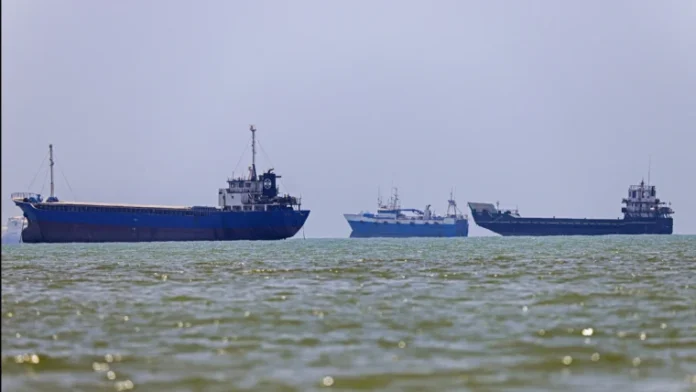
A tanker linked to China and under U.S. sanctions moved through the Strait of Hormuz this week, testing enforcement of a maritime blockade ordered by Donald Trump and raising new questions about control of one of the world’s most critical shipping routes.

Shipping data reviewed by Reuters showed the vessel Rich Starry transiting the narrow waterway and exiting the Gulf on Tuesday, marking the first known passage since the U.S. Navy began enforcing restrictions a day earlier. The ship’s operator, Shanghai Xuanrun Shipping Co Ltd, has been sanctioned by Washington for business ties involving Iran.

U.S. officials have said the operation targets ships connected to Iranian trade or those that have paid transit fees to Iranian authorities. Military officials also issued warnings that vessels could face interception or diversion regardless of nationality.

Despite those warnings, the tanker continued its route without reported interference. Data indicated it departed from a port in the United Arab Emirates carrying a large shipment of methanol and proceeded through the corridor without entering routes directly tied to Iranian ports.

The development came as tensions escalated across the region. Iranian officials have warned that foreign naval forces operating in the area could face retaliation, while Western allies have signaled reluctance to participate in the U.S.-led operation. Governments in Europe have instead emphasized reopening the waterway to commercial traffic rather than expanding military involvement.

Coverage by The Sun described the transit as a direct test of U.S. resolve, noting that American warships in the area had the capability to stop the vessel but did not act. The same report highlighted the scale of the naval deployment, including destroyers and mine-clearing ships positioned along the route.

The Strait of Hormuz remains a vital artery for global energy supplies, historically carrying a significant share of the world’s oil shipments. Disruptions in recent weeks have already driven up fuel costs and increased volatility in international markets.

Additional reporting, including from The Wall Street Journal, indicates that large volumes of Iranian oil are already stored on tankers at sea, potentially limiting the immediate economic impact of the blockade. Analysts say this запас allows shipments to continue indirectly even as restrictions tighten.

President Trump has maintained that the blockade is intended to pressure Iran into concessions, particularly on nuclear activity and regional security. He has also indicated that additional countries may support enforcement efforts, though key allies have publicly declined to join.

The passage of the Rich Starry underscores the difficulty of enforcing a selective maritime blockade in one of the busiest and most strategically sensitive waterways in the world. While the U.S. has significant naval capabilities, the distinction between vessels directly tied to Iranian ports and those operating more broadly creates gray areas that can be exploited.

China’s indirect involvement, through a sanctioned vessel continuing operations, highlights the broader geopolitical stakes. Beijing relies heavily on energy imports and has consistently opposed restrictions that could disrupt supply chains. The incident suggests that enforcement may depend as much on political alignment as on military presence.

At the same time, hesitation from European allies signals a lack of unified Western strategy. Without broader participation, the effectiveness of the blockade could be limited, particularly if major shipping nations choose to continue operations cautiously rather than comply fully.

The situation also raises the risk of miscalculation. With multiple naval forces operating in close proximity and heightened rhetoric on all sides, even a routine transit could escalate into a larger confrontation. As negotiations remain uncertain, control of the strait is likely to remain a central flashpoint in the wider conflict.

Skynews/TheIndependent